Shortcuts

A quest to save India’s rainforests
Published in
Romulus Whitaker’s childhood fascination with snakes has led him to devote his life to protecting the environment, in particular rainforests.
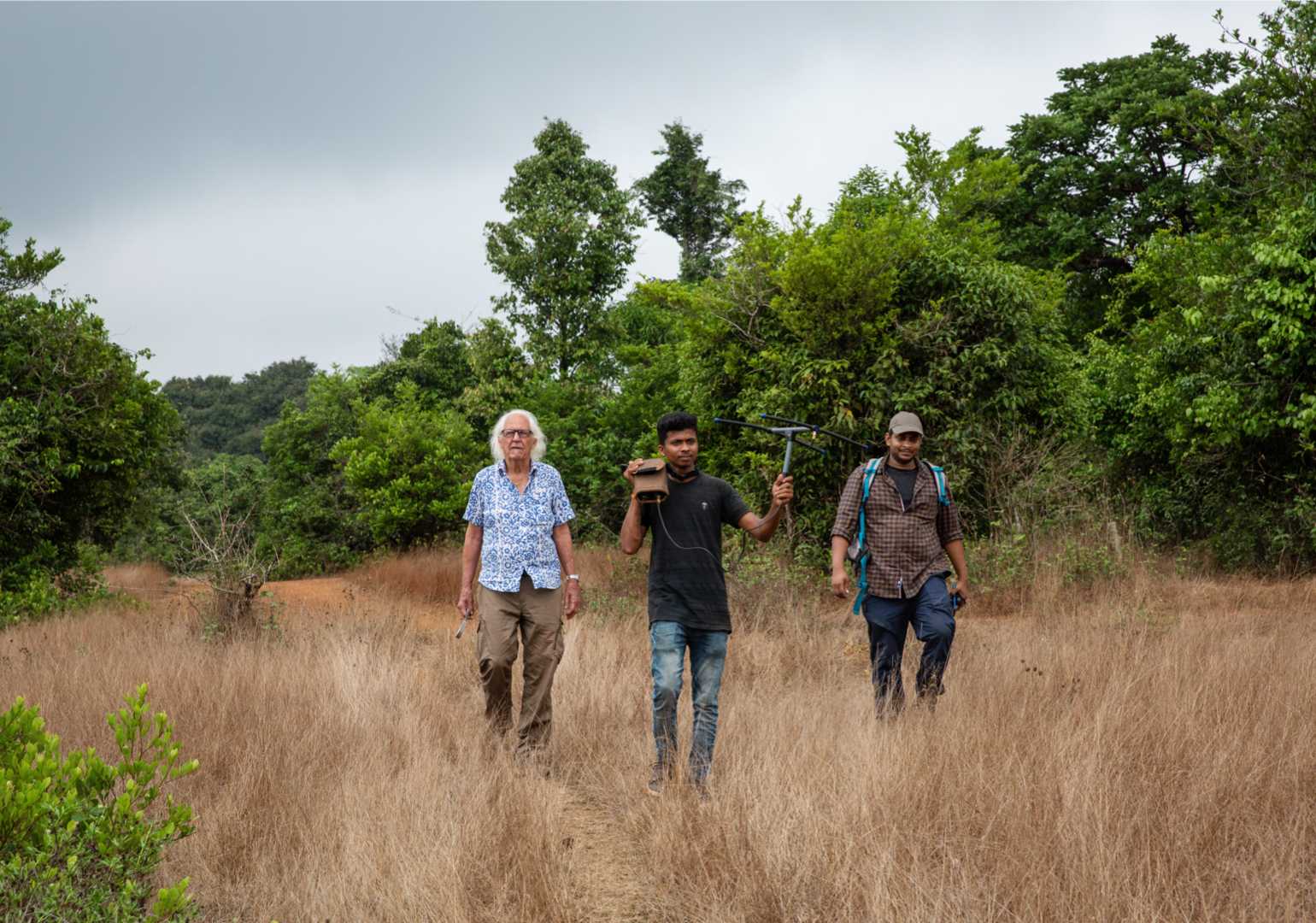
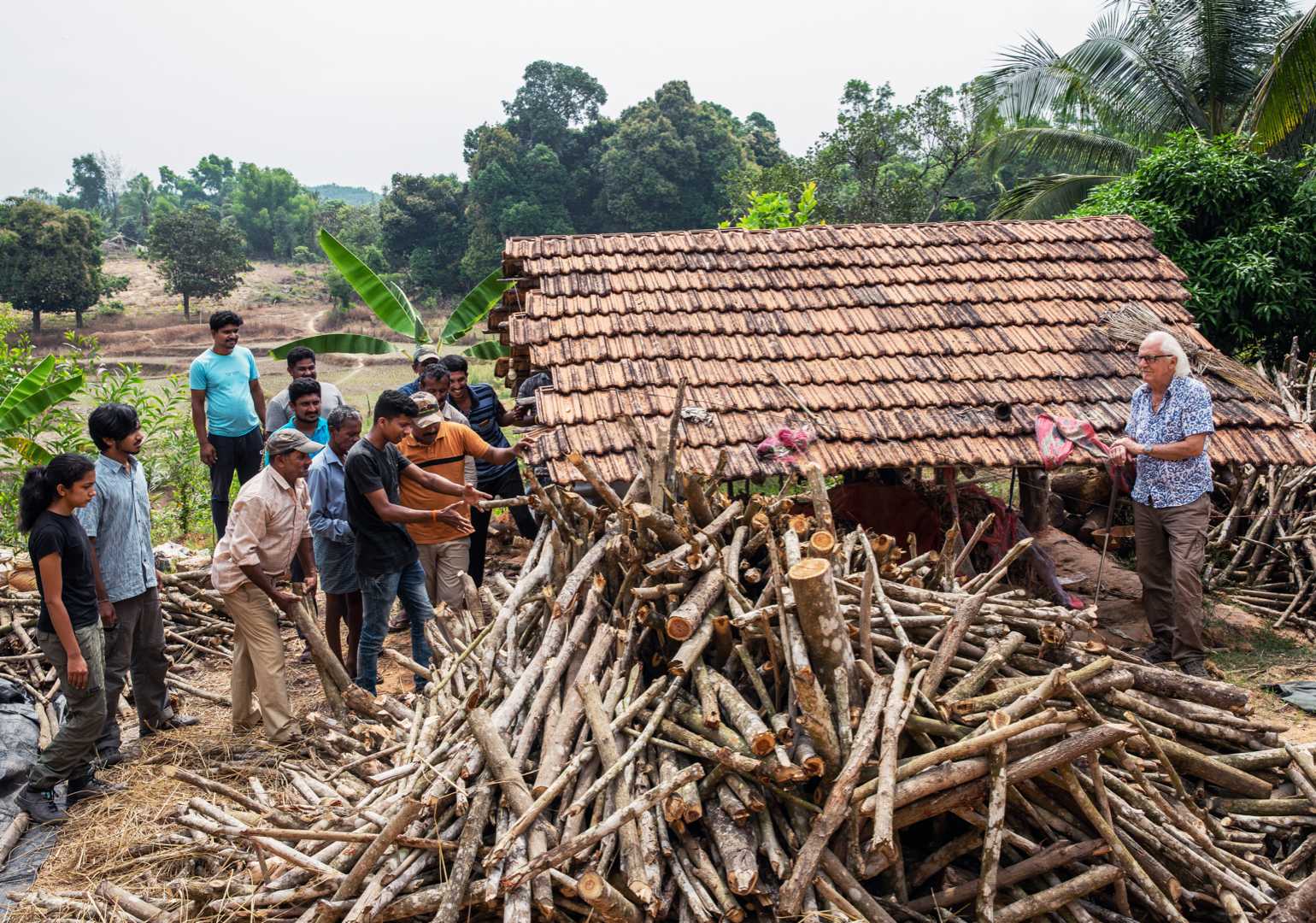
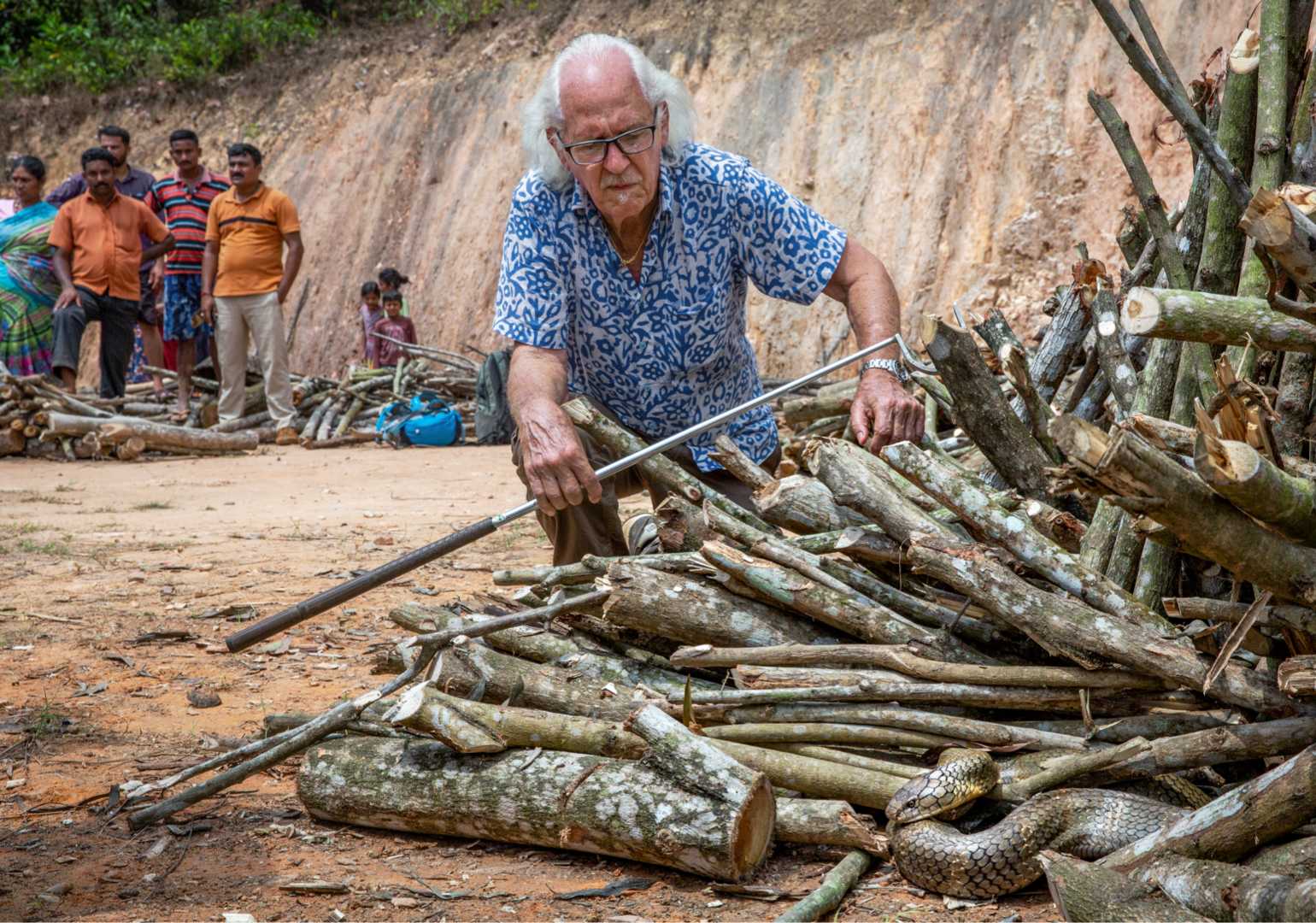
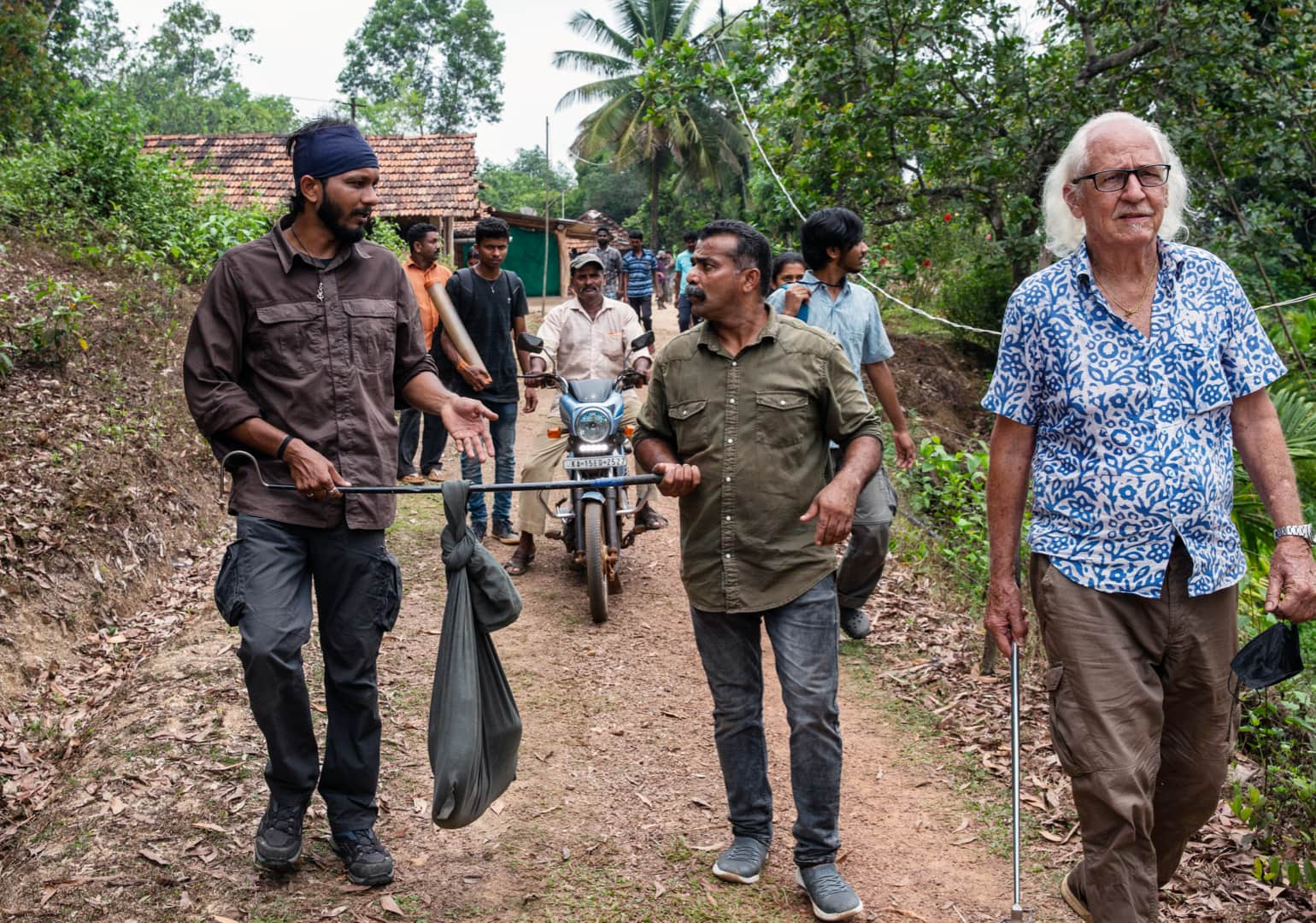
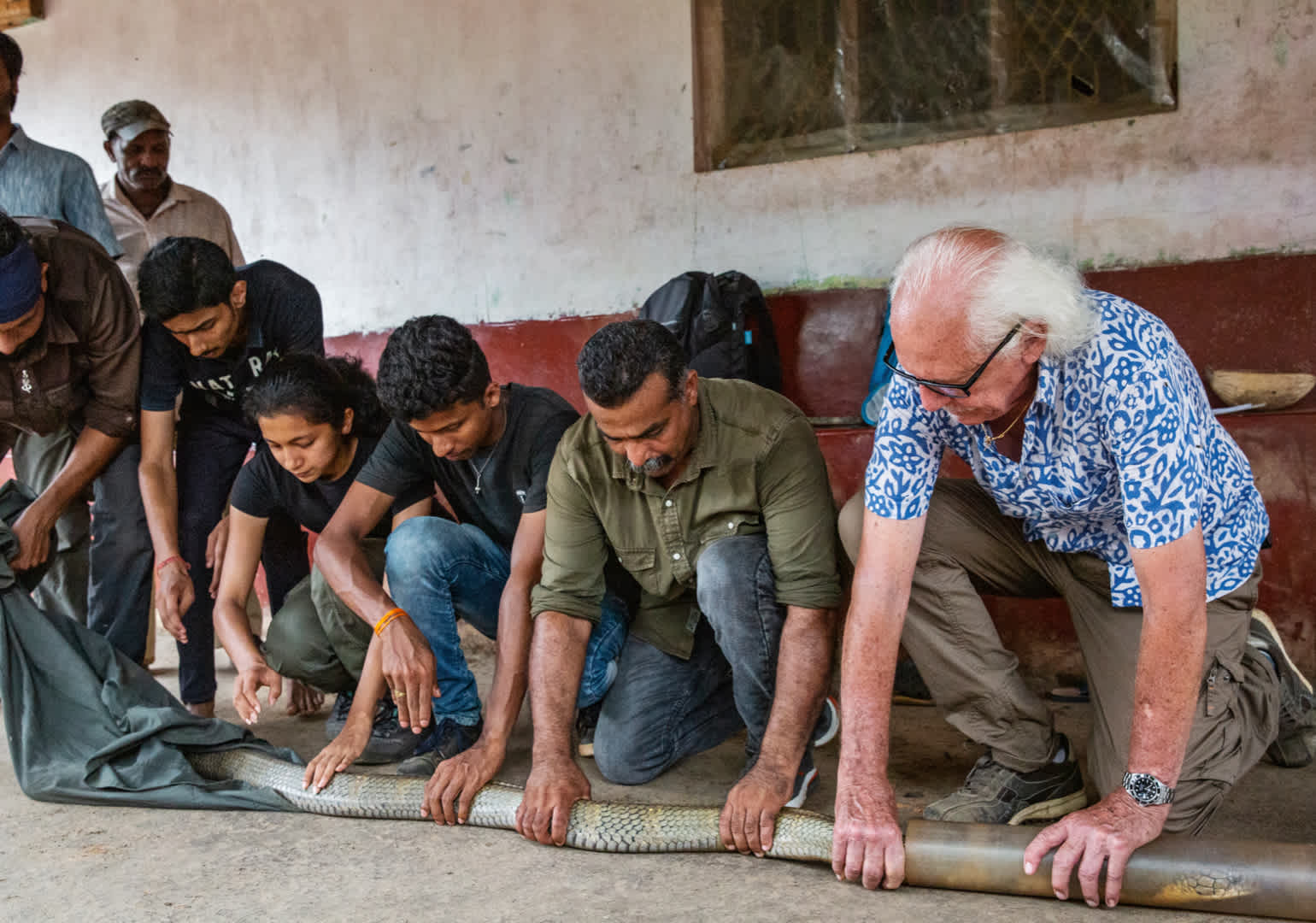
American-born Romulus Whitaker found his life’s mission as a leading conservationist in India – his country of adoption – by a very unorthodox route. His passion for saving the environment sprang from a lifelong interest in reptiles, in particular “the snake of snakes”, the king cobra. He has, in his own words, “been a total snake nut since at least age four”. Eventually his passion led him to India’s Agumbe Rainforest in the Western Ghats mountain range that covers 160,000 square kilometres. The mountains and rainforest are a UNESCO World Heritage Site and one of the world’s more than 30 biodiversity hotspots, home to a large proportion of India’s flora and fauna.
“My love affair with the Agumbe Rainforest began in 1971 when I first came here to find king cobras,” explains Whitaker, who until then had never come across the snake in the wild. To his delight, he found wild king cobras. But he also found much more: “I was just blown away by everything I saw. You’re looking at literally millions of different things around you, wonderful creatures and everything, but it’s all under tremendous pressure.”

My love affair with the Agumbe Rainforest began in 1971. I was just blown away by everything I saw. You’re looking at literally millions of different things around you, wonderful creatures and everything.
Whitaker is famous in India and around the world as a protector of species. He became a professional herpetologist (an expert in snakes and other reptiles) with his work leading him to involvement in the protection of rainforests and, most important of all, the precious resource of water.
The rainforests of the Western Ghat, he points out, are a conduit for rainfall. In one monsoon, they received 10 metres, a great deal of water. Rainforests drive the hydrological cycle but 75 per cent of the Western Ghats has been lost, Whitaker says, pointing to the lack of understanding of how rainforests influence rain patterns. “These are places essential for the sources of water that people need. We’ve got to get people to understand how closely tied everything is.”
A self-made environmentalist, Whitaker does not have the traditional résumé of academic degrees that are the career foundation for many of his international counterparts. “I’m an accidental conservationist… I’m a non-academic, nowhere near some sort of PhD or anything like that, but I can talk to these highfalutin doctors as though I am one, and they respect me, so it worked.”

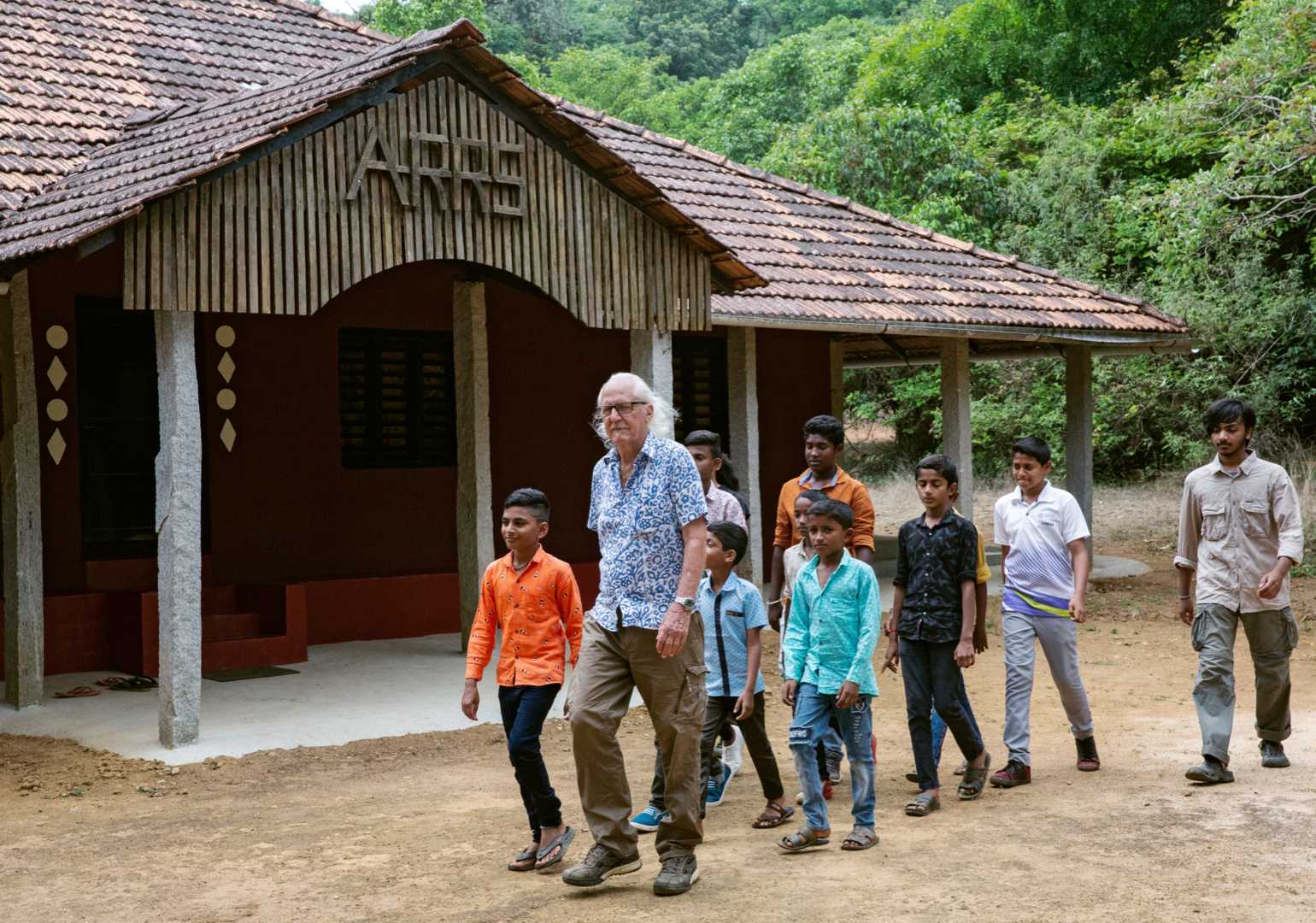
In 2005, he established the Agumbe Rainforest Research Station, a facility to study rainforest ecology and disseminate knowledge. Rainforests like Agumbe are, Whitaker points out, unwelcoming places for researchers, plagued by leeches, ticks and other annoyances. So the station, with a staff of 10, provides a practical and safe base for scientists and environmentalists researching the rainforest, its rainfall and its flora and fauna. He has lost count of the number of researchers who have used the centre.
Agumbe Station is open to anyone for their research, and at every level too. “There is one gentleman who has his own wind tunnel, back in Bangalore, and studies flight patterns in birds and moths. He has come here to study moth migrations.”
“We are now compiling all the research papers that have been put together. We’ve had 23 peer-reviewed research papers on king cobras alone published in journals around the world.”

With the funding from his 2008 Rolex Award for Enterprise, Whitaker has founded three other research stations across India, equipping them with automatic weather stations, water testing facilities and technology for collecting and transmitting data on rainfall and the environment.
At the heart of his work is a quest to save water resources. A turning point in his life came in the late 1970s when he and two friends were camping in the forest at Silent Valley in the southern Indian state of Kerala. “It's very much like Agumbe, beautiful rainforest with wonderful creatures around, bird life and everything,” he says. “We came to the bottom of the track where we could stop our jeep. There was a compressor and a whole bunch of equipment there… A young engineer came down the next day and said: ‘We’re proposing a dam project across this Khunti River here, and we’re going to flood Silent Valley.’”
Whitaker realized the dam would mean the massive loss of Silent Valley’s plant and animal species. “That freaked me out, and I realized this was just one instance of many, many dams being proposed at that time. But this was extra special because Silent Valley is so remote and so beautiful, so pristine.”
“At that time, the World Wildlife Fund had just started in India a couple of years before so I wrote an article in their newsletter about saving Silent Valley and I didn't realize it, but that was the beginning of my being a conservationist. Sure enough, it caught people’s attention and some very important people – including Prime Minister Indira Gandhi – at that time supported the idea of stopping the dam project there.” Silent Valley was saved.
If a dam has to be made, does it really have to be made at such a size? Does the water have to be diverted to such a place? These things are not being well thought out.
Whitaker’s biggest dream, he says, is for everyone to really understand that what is best for water, is best for us. “If a dam has to be made, does it really have to be made at such a size? Does the water have to be diverted to such a place? These things are not being well thought out. And, unfortunately, it’s a very much higher level than we deal with, it’s at a governmental level. There are experts who seem to be totally misinformed.”

Another focus of his work is saving crocodiles, including Northern India’s gharial. It grows up to 6 metres long, lives in fresh water and eats fish. Critically endangered, it is being successfully bred at the Madras Crocodile Bank Trust and Centre for Herpetology where Whitaker’s son Nikhil is curator and his ex-wife Zai, who co-founded the crocodile bank with him in 1976, is managing trustee. The gharial’s decline to about 200 in the wild was caused by dams, diversions and pollution in India’s rivers. More than 3,000 have now been bred and hatched in captivity, both at the Madras facility and by state government projects – so its prospects are vastly improved.
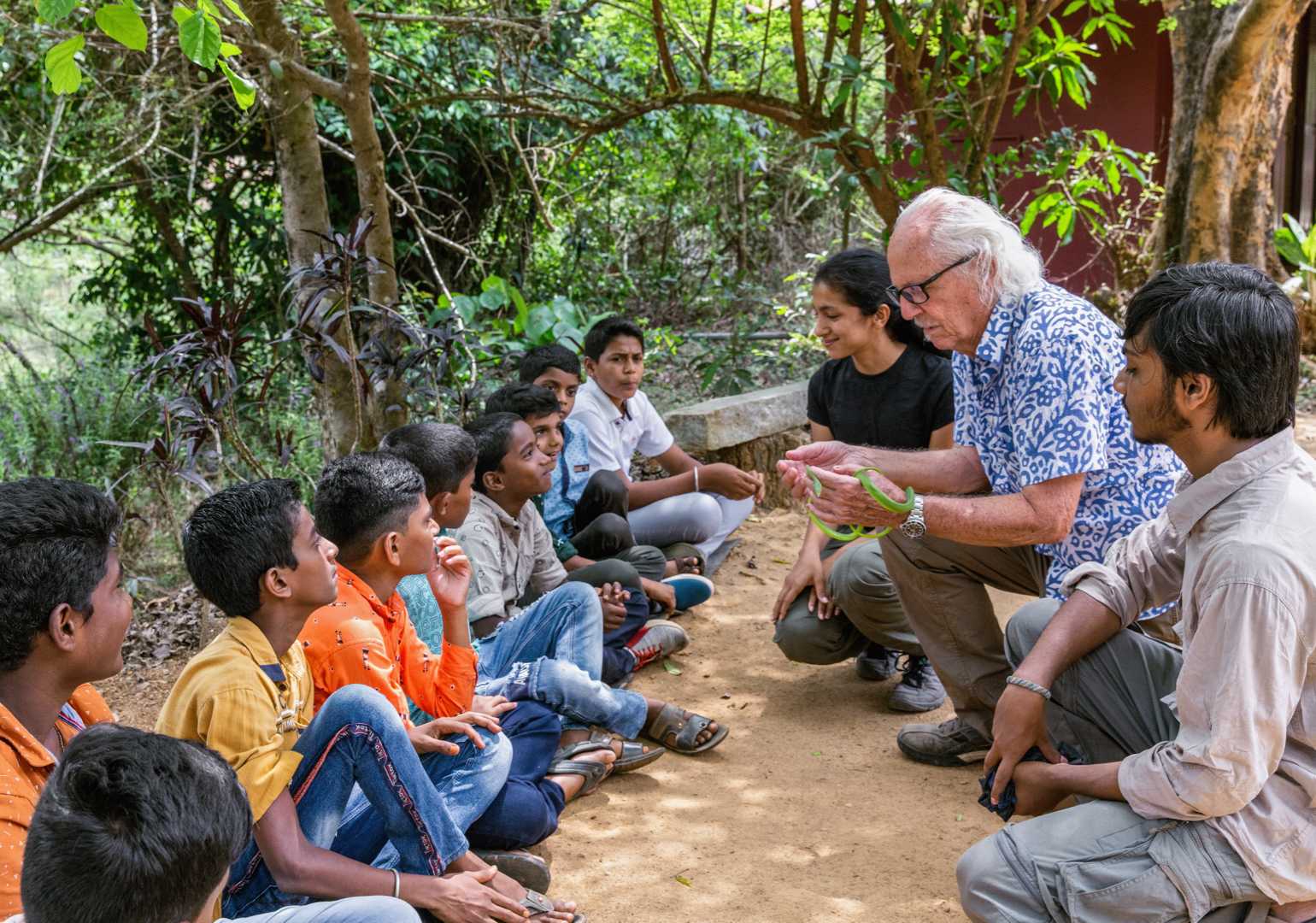
Reflecting on his 60-plus years in India, Whitaker says his life has been transformed by his encounters with the natural world, and he is passing his knowledge on to the next generation. The NGOs, which he and his colleagues founded from 1969 onwards, are still operating – Chennai Snake Park Trust, Irula Snake Catchers Industrial Cooperative Society, Madras Crocodile Bank and the Andaman Nicobar Environmental Team. “I've started so many things rolling, and these things are still rolling, and rolling in the hands of very competent people,” he says.