Shortcuts

Constantino Aucca Chutas
Published in
A part of the Perpetual Planet Initiative, the Rolex Awards for Enterprise support exceptional individuals who have the courage and conviction to take on major challenges, initiating extraordinary projects that make the world a better place.
All episodes
Episode 1 – 2024
Ancestral roots
Episode 2 – 2024
The miracle tree
Episode 3 – 2024
Many hands


Community-led reforestation in the Andes
As the descendent of Quechuan farmers, Peruvian biologist Constantino Aucca Chutas felt a responsibility to act when he saw how the forests of his ancestral Andean home were disappearing because of human activity. By working with local communities across the Andes, he has set in motion a massive reforestation effort, leading to the planting of millions of trees.
On the steep slopes of the high Andes, not many trees can take root. However, by planting native tree species such as the Polylepis, Aucca Chutas is restoring the original local forests that provide a habitat for the Andes’ unique wildlife and perform a key function in the wider Amazonian water cycle. Home to a complex union of species, many of which are endemic and more than half of which are on the International Union for Conservation of Nature’s (IUCN) Red List of Threatened Species, Polylepis forests gather moisture from rising mists and feed it back into the river basin below.

For years, the inhabitants of the high Andes have been alarmed by changes in their environment: glaciers are receding, rapid deforestation is causing soil erosion and water resources are diminishing. Habitat loss means that species once emblematic of these mountains, such as the Andean condor, Andean cat, and spectacled bear, are now rarely seen. Aucca Chutas pointed to one simple solution: reforestation.

In 2000, he founded the conservation group Asociación de Ecosistemas Andinos (ECOAN). To date it has planted 4.5 million native trees and created 16 protected areas in Peru’s Vilcanota mountains, involving more than 60 communities. In 2014, ECOAN hosted an event where villagers came together to plant 57,000 trees in a single day. This gathering became the annual Queuña Raymi tree-planting festival.
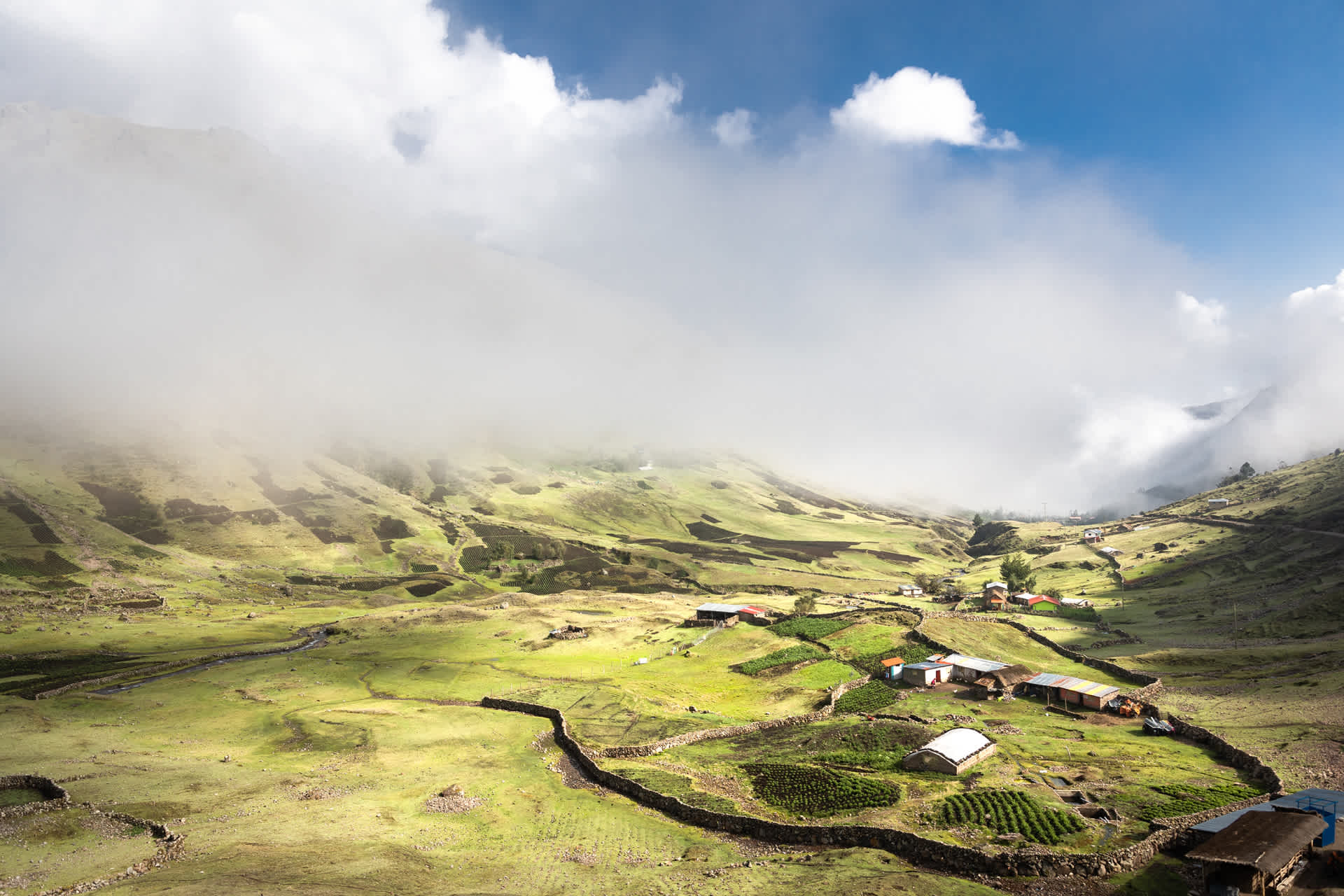
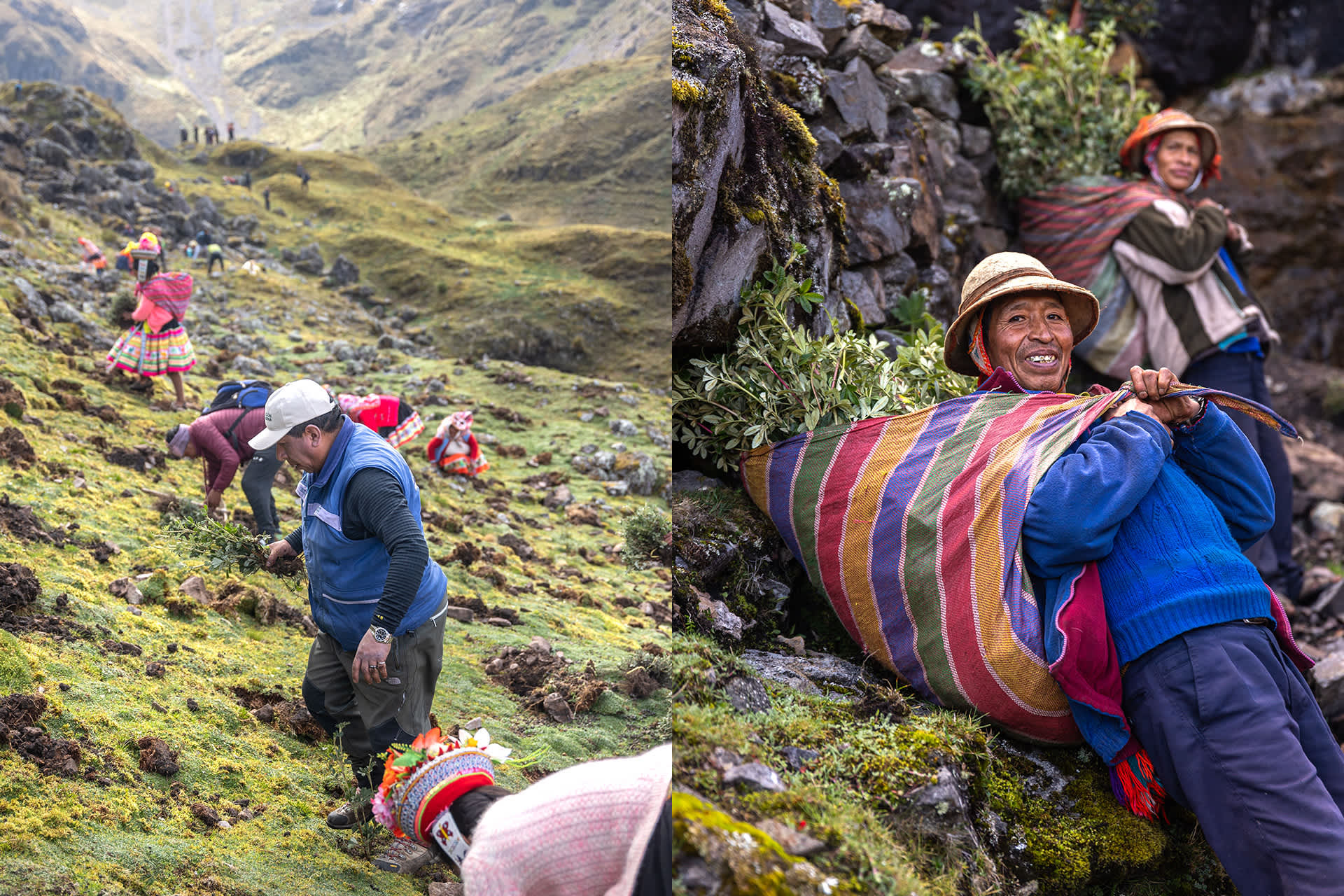
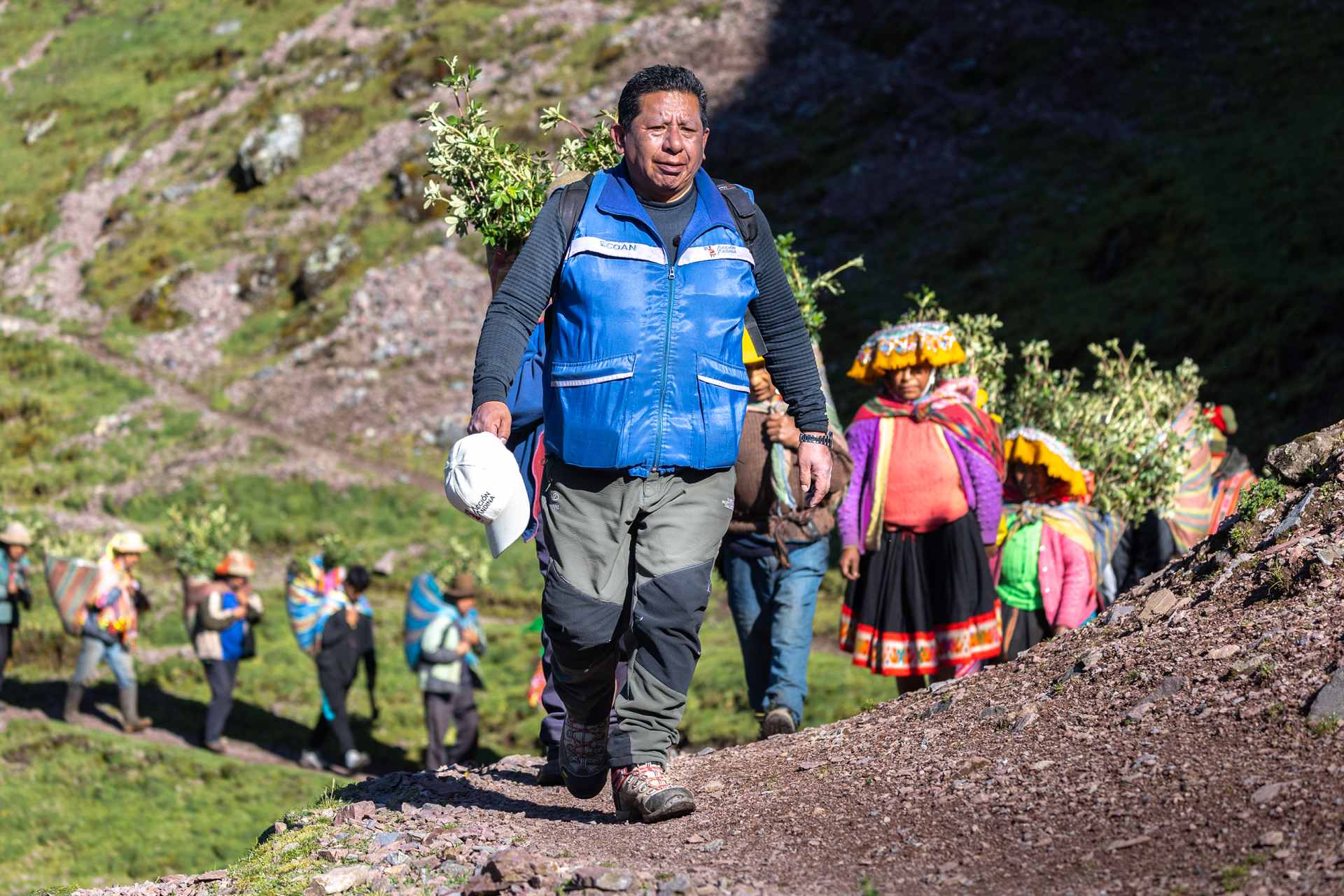
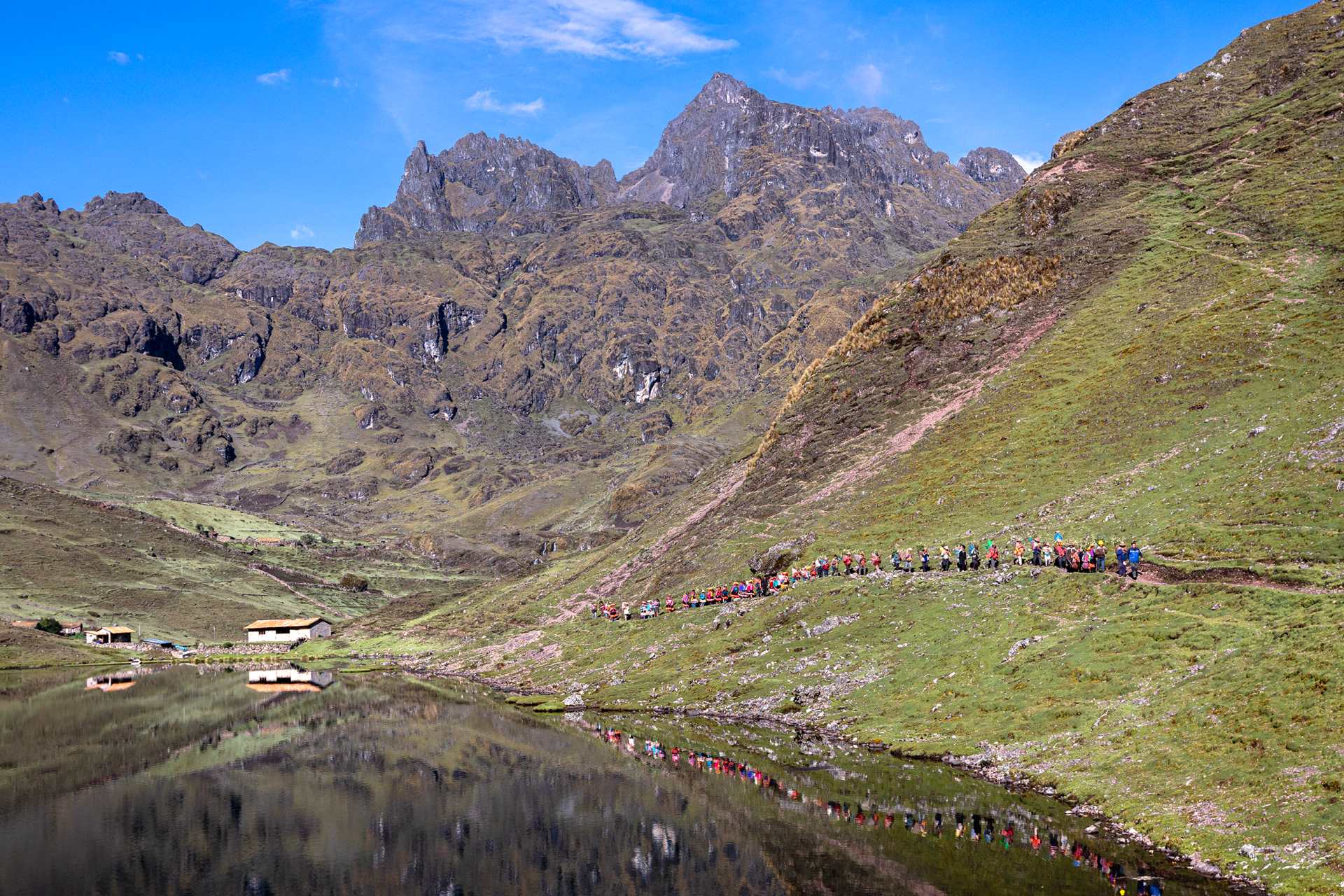
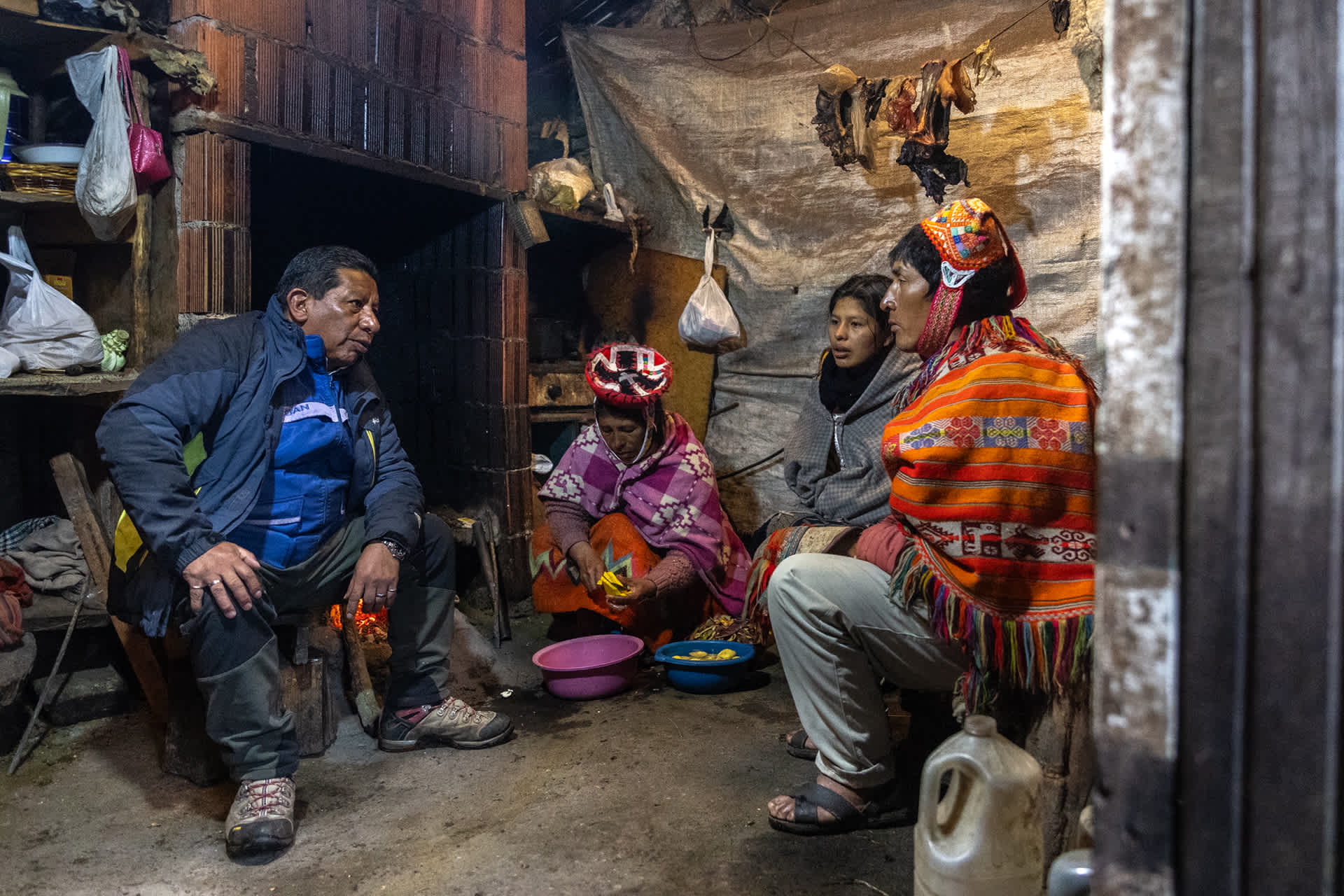
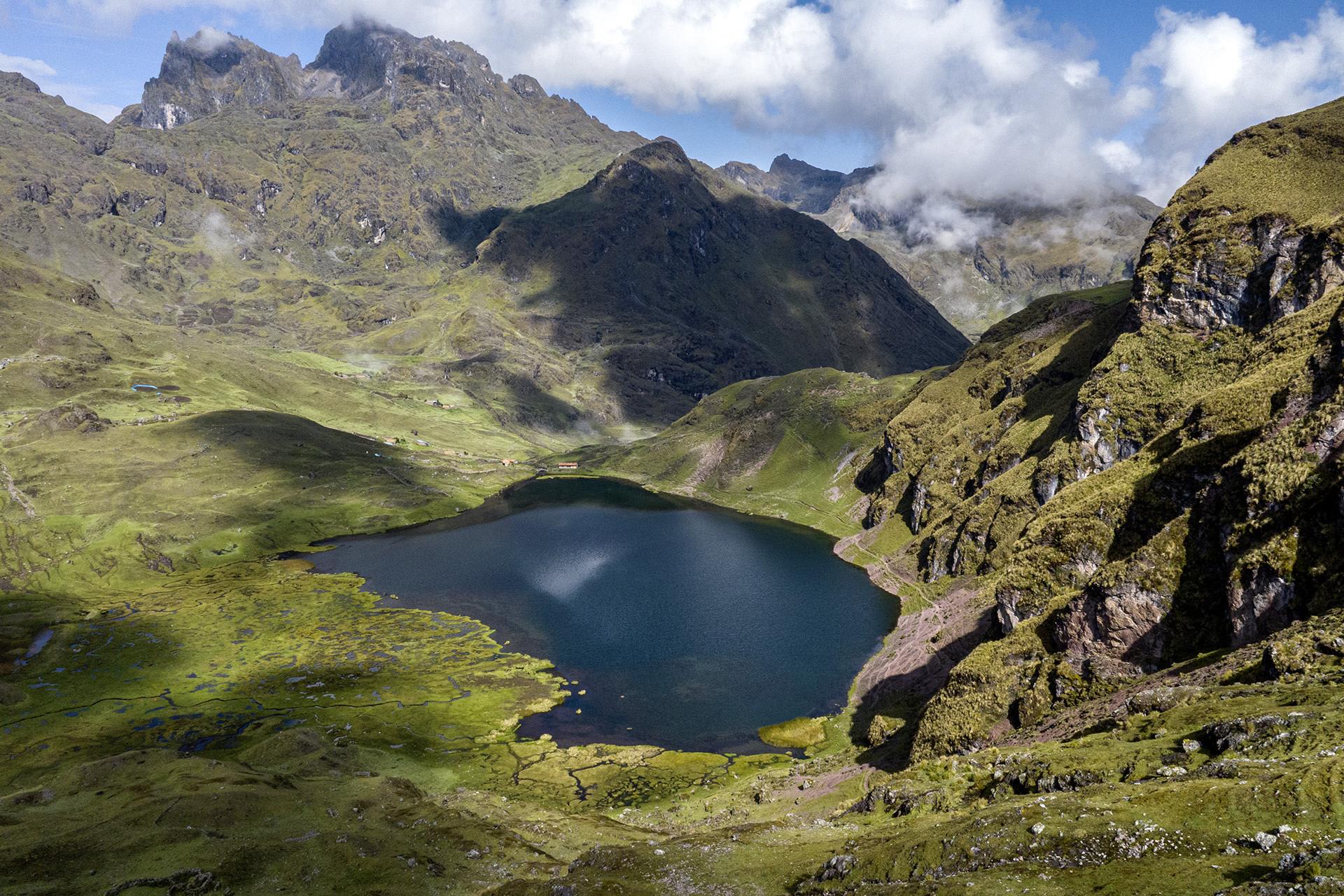
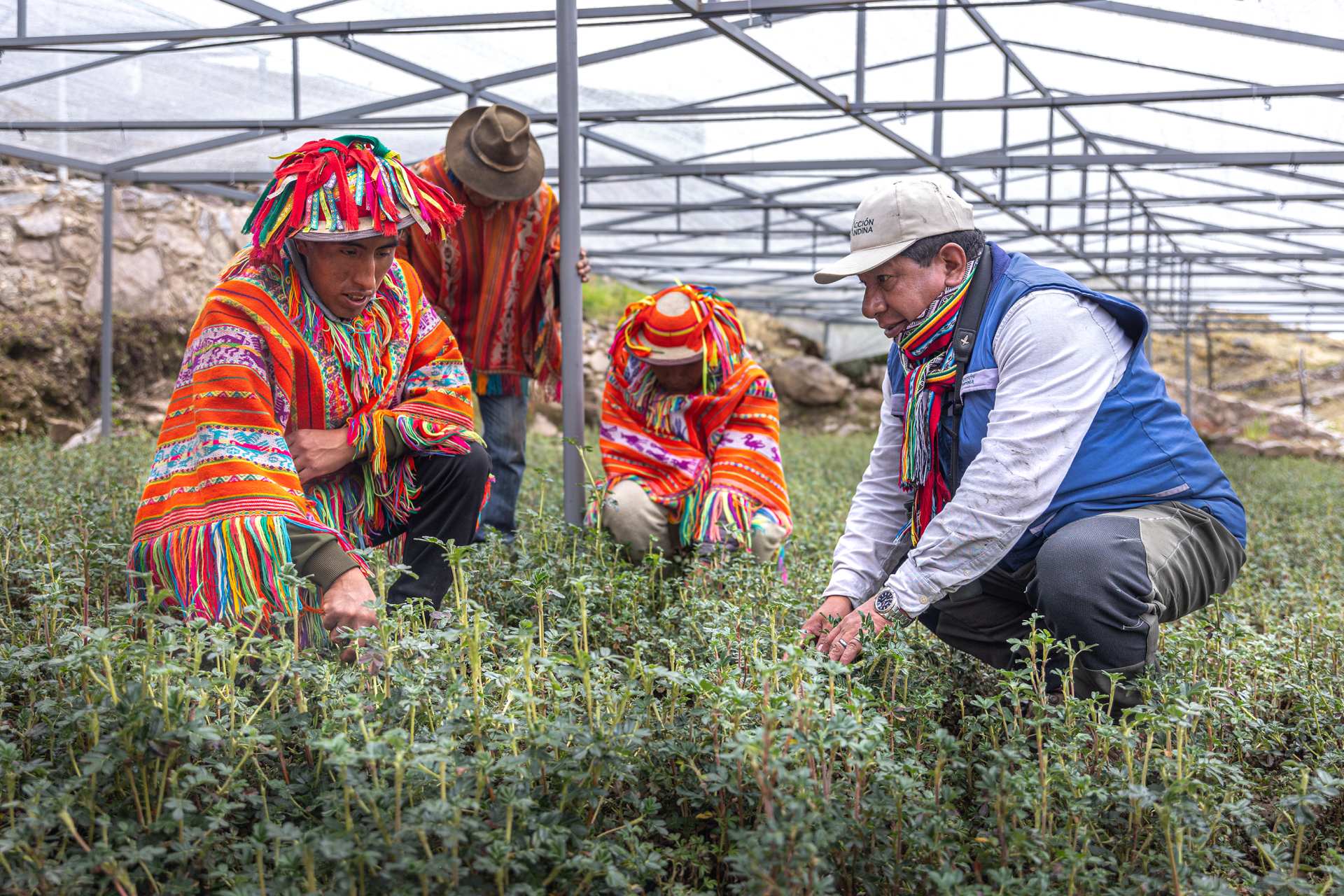
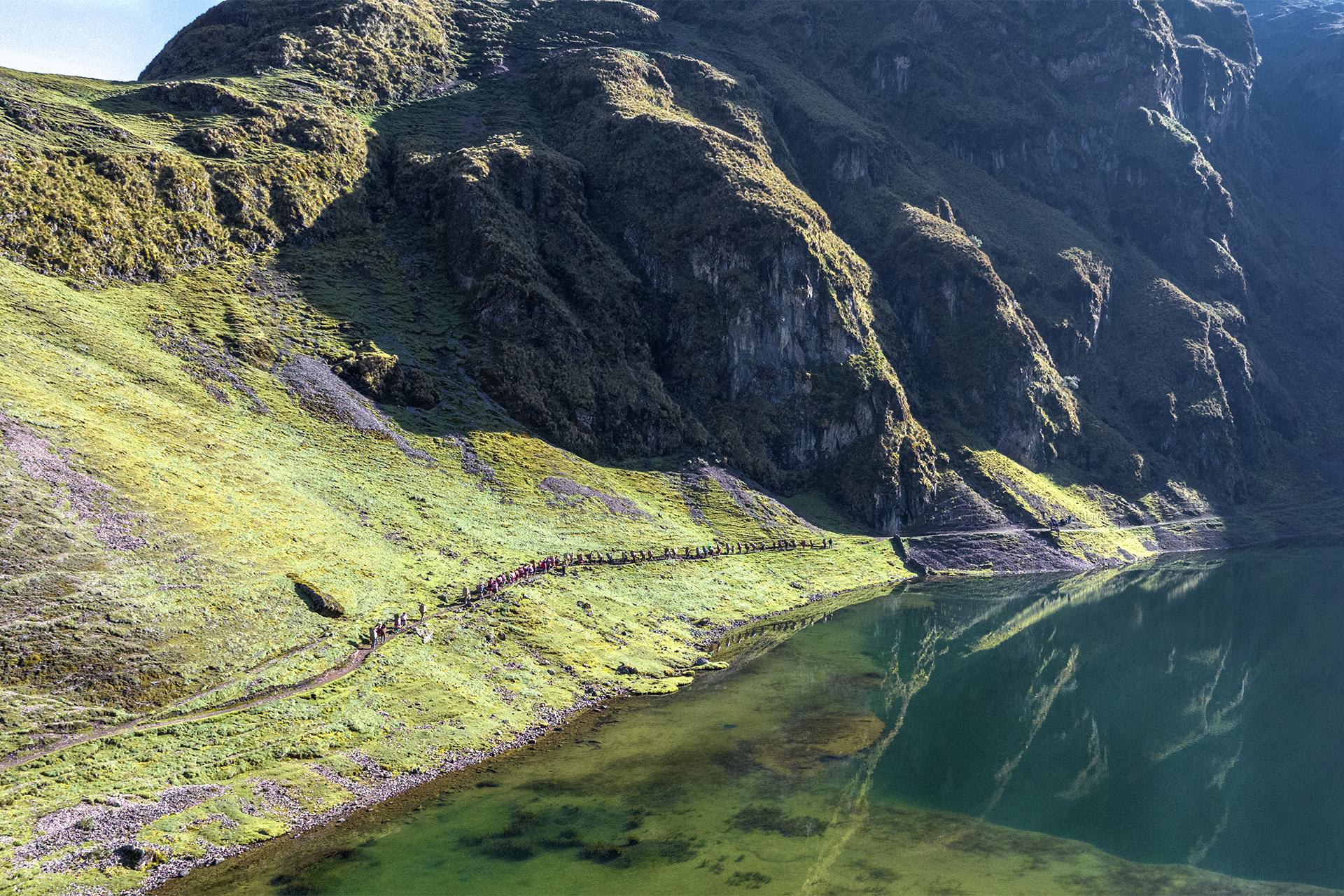
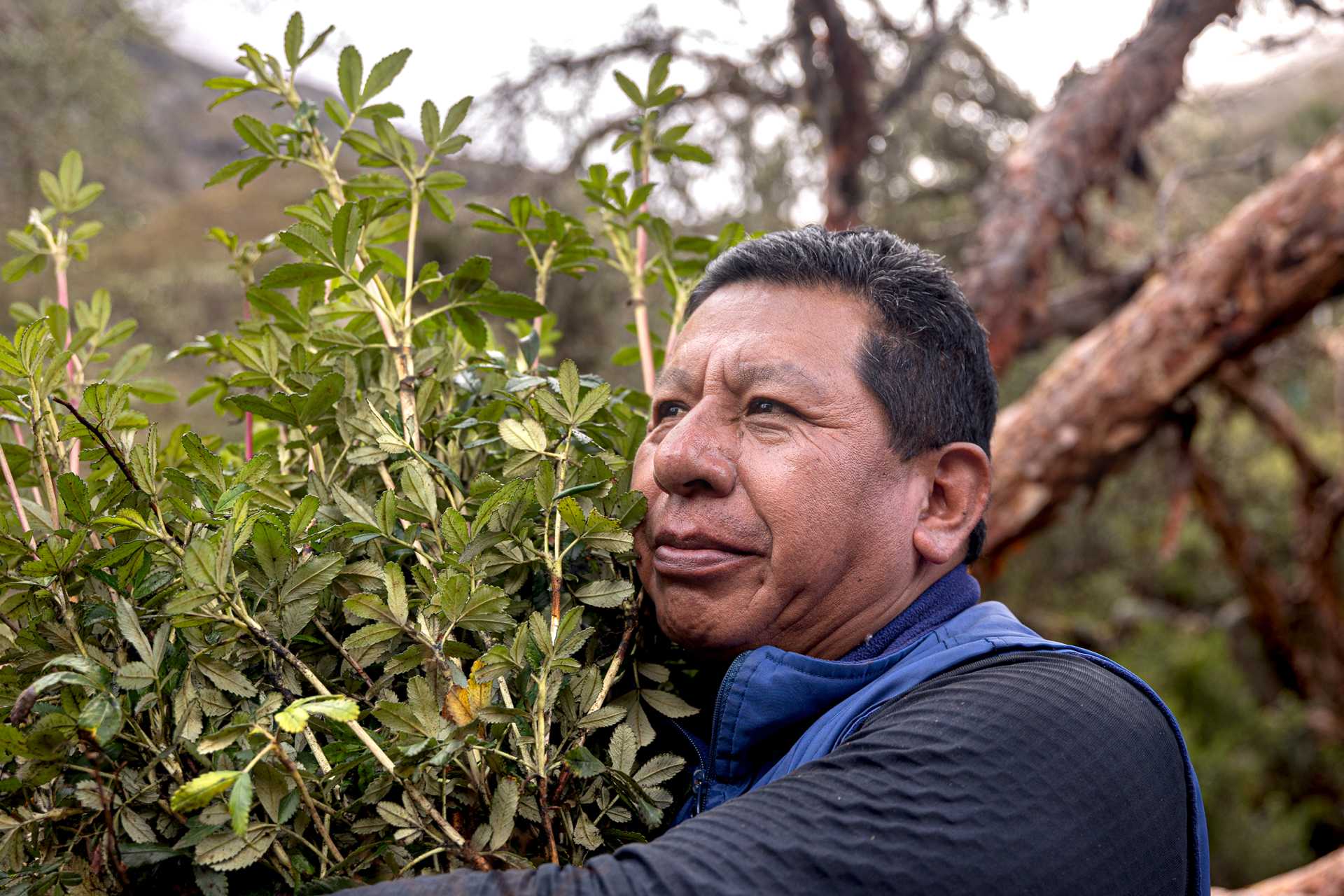
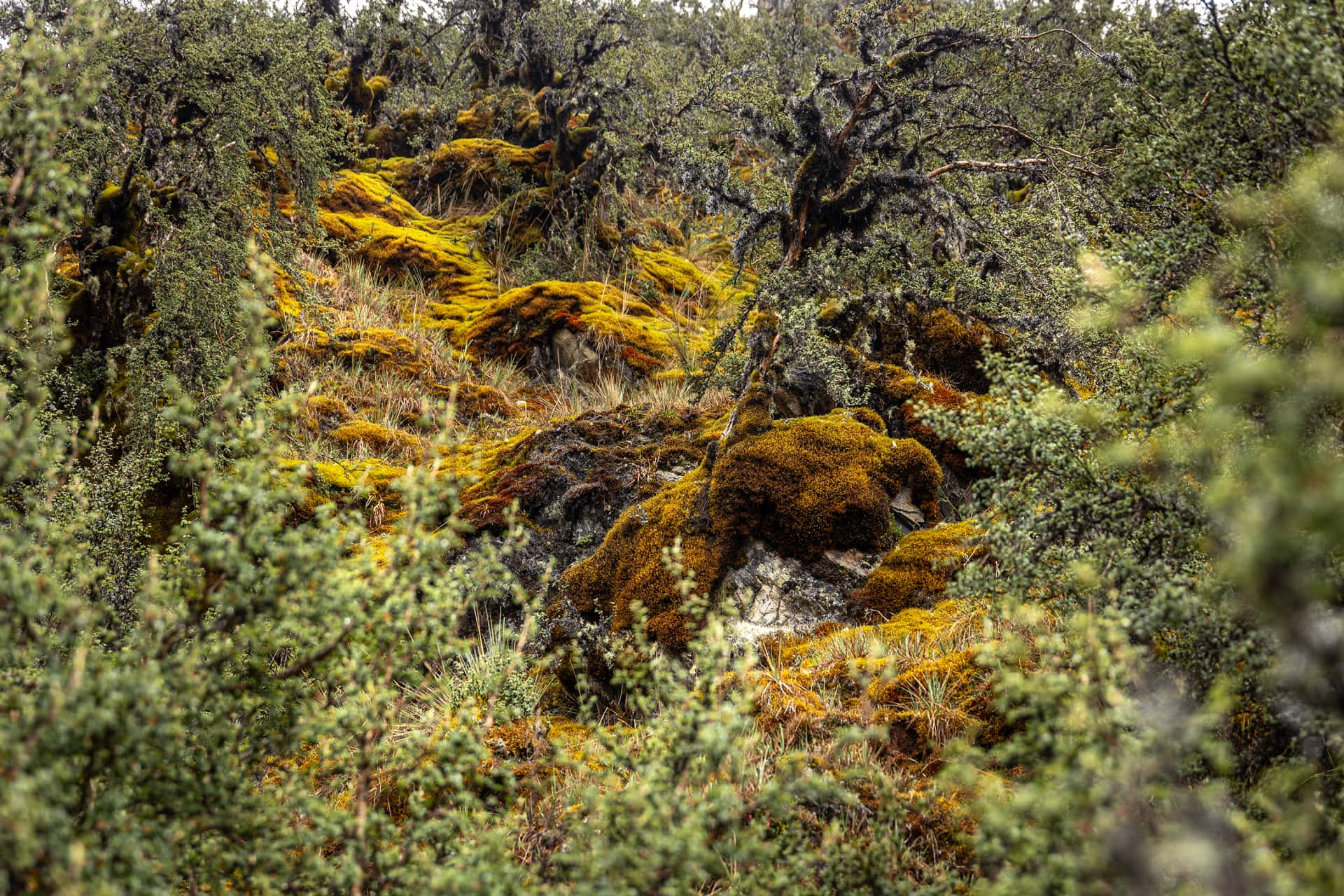
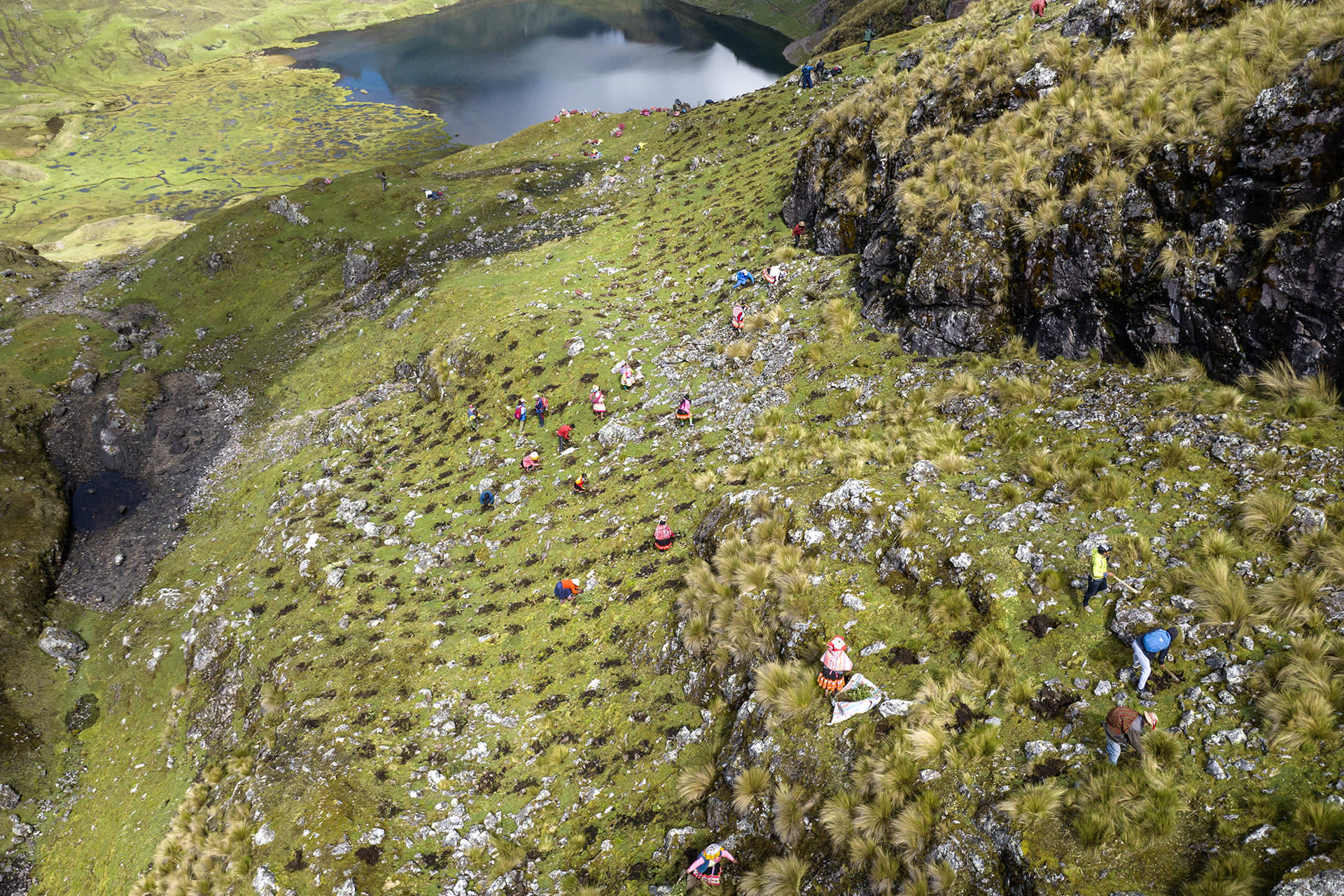
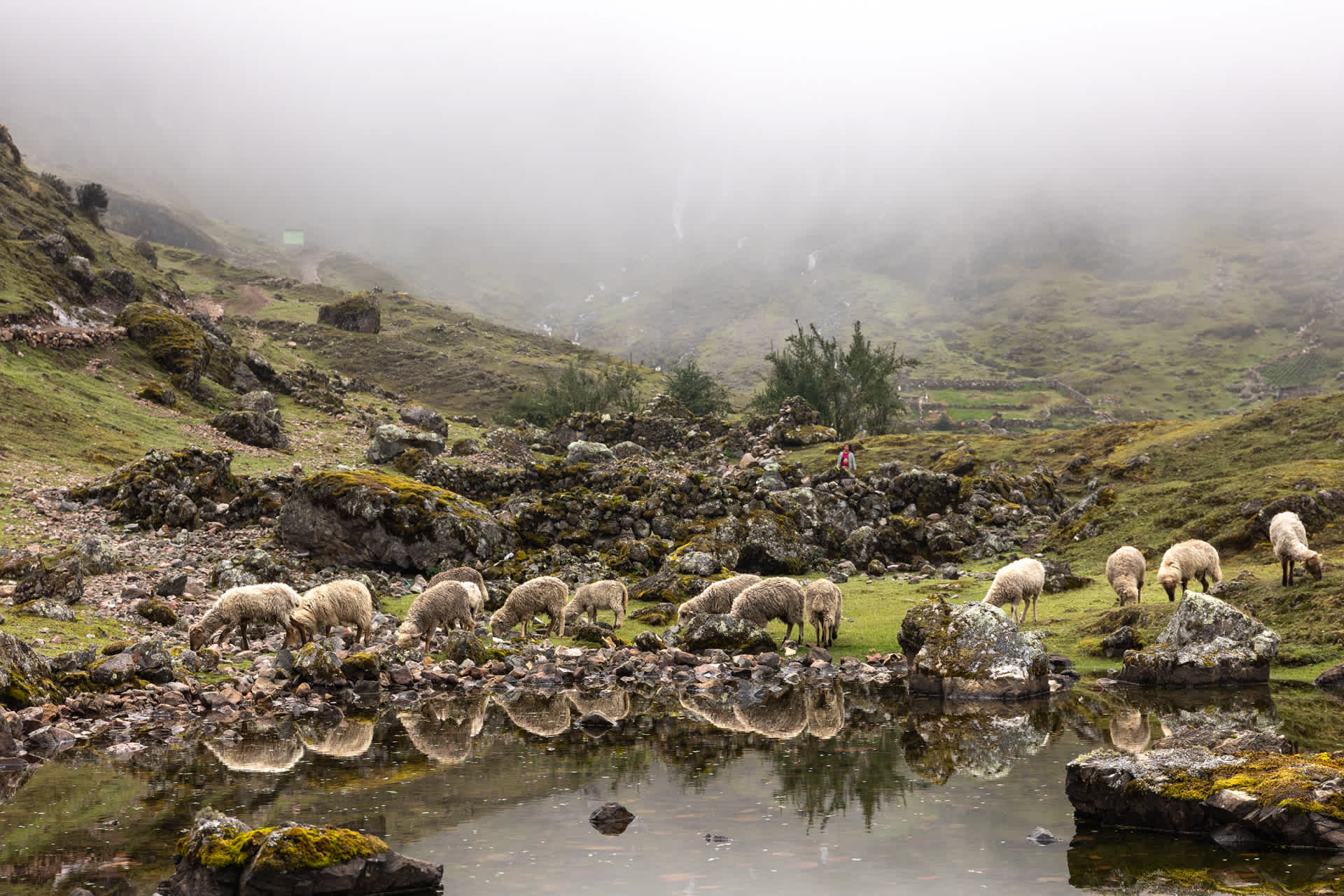
Eighteen years after its conception, ECOAN’s work was so successful that Aucca Chutas co-founded Acción Andina, an international organization spreading the reforestation work throughout the Andes. Today it works in Ecuador, Chile, Bolivia, Argentina and Peru, and will soon expand into Colombia and Venezuela, with a million hectares slated for reforestation. “Acción Andina is now a movement,” he says proudly.

According to Aucca Chutas, the people of the Andes are well equipped to tackle the challenges they face. In response to a period of local climatic warming around 1100 AD, Andean communities came together to reforest the mountains and built a network of canals and terraces to tackle erosion and ensure the supply of water as glaciers retreated. Aucca Chutas applies traditional Quechuan values of cooperation like Ayni (reciprocity) and Minka (shared communal work) to his reforestation programmes.

Everywhere we looked it seemed the problem was mankind. So we said, why not work with people so they can be part of the solution? That is why we coordinate with local actors and Indigenous communities.
Crucial to the philosophy of both ECOAN and Acción Andina is the emphasis on local communities as conservation stakeholders. “Everywhere we looked it seemed the problem was mankind,” Aucca Chutas explains. “So we said, why not work with people so they can be part of the solution? That is why we coordinate with local actors and Indigenous communities.”