
It creates the possibility of real-time monitoring of complex ecosystems on a worldwide basis and it provides a flow of financial support for indigenous communities.

Published in
In 1997, Louis Liebenberg created a digital tool allowing indigenous trackers to record their observations of wildlife for conservation purposes. Supported by Rolex, his CyberTracker found worldwide popularity and unexpected uses. It is now receiving an upgrade.
All videos

2024

1998
Conservationist Louis Liebenberg has been working with the indigenous trackers of the Kalahari Desert for 40 years. In 1997, he developed a spectacularly successful digital tool, CyberTracker, which allowed trackers to turn their observations of animal species into data, logging any signs of wildlife using icons on a small, handheld device.

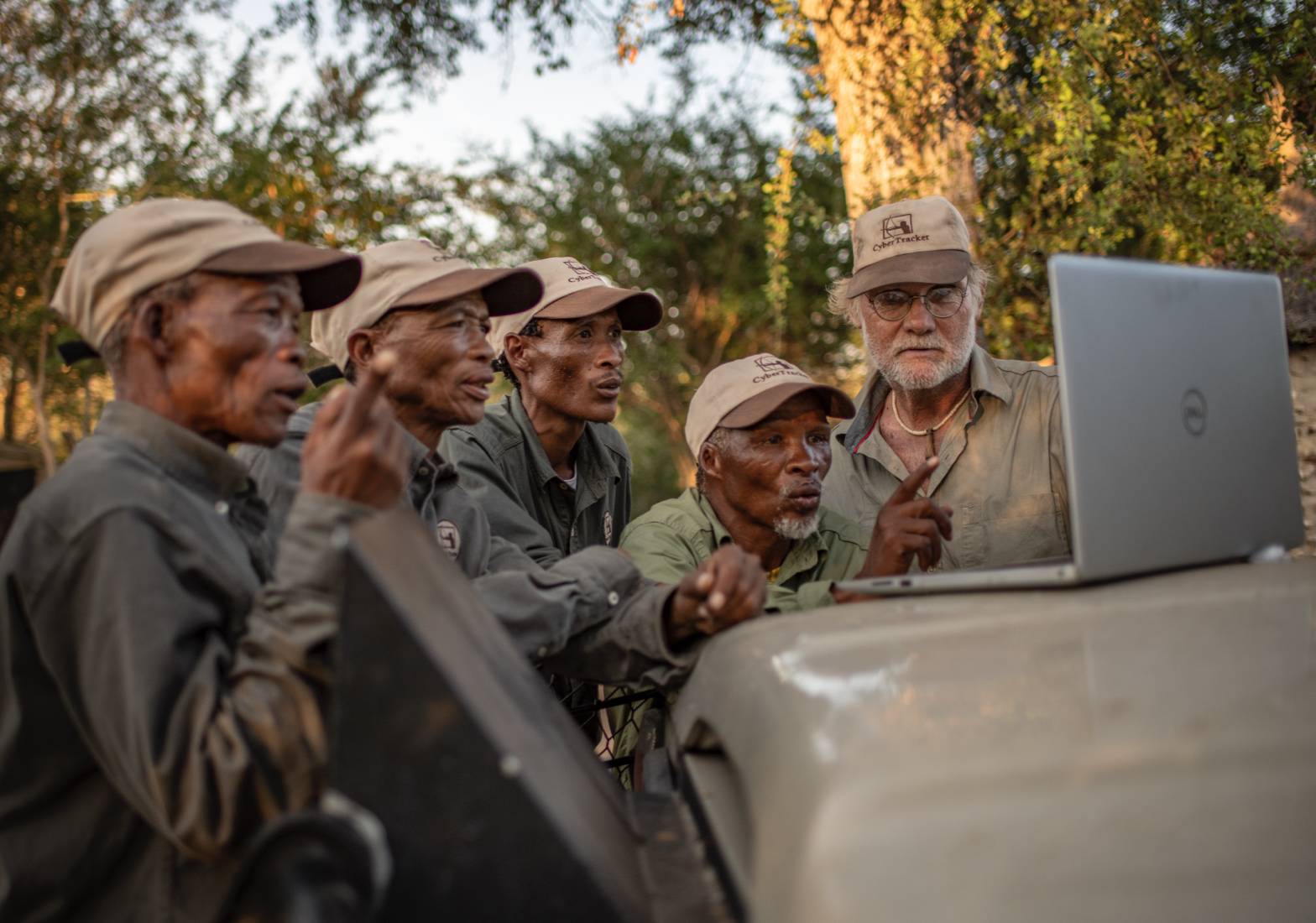
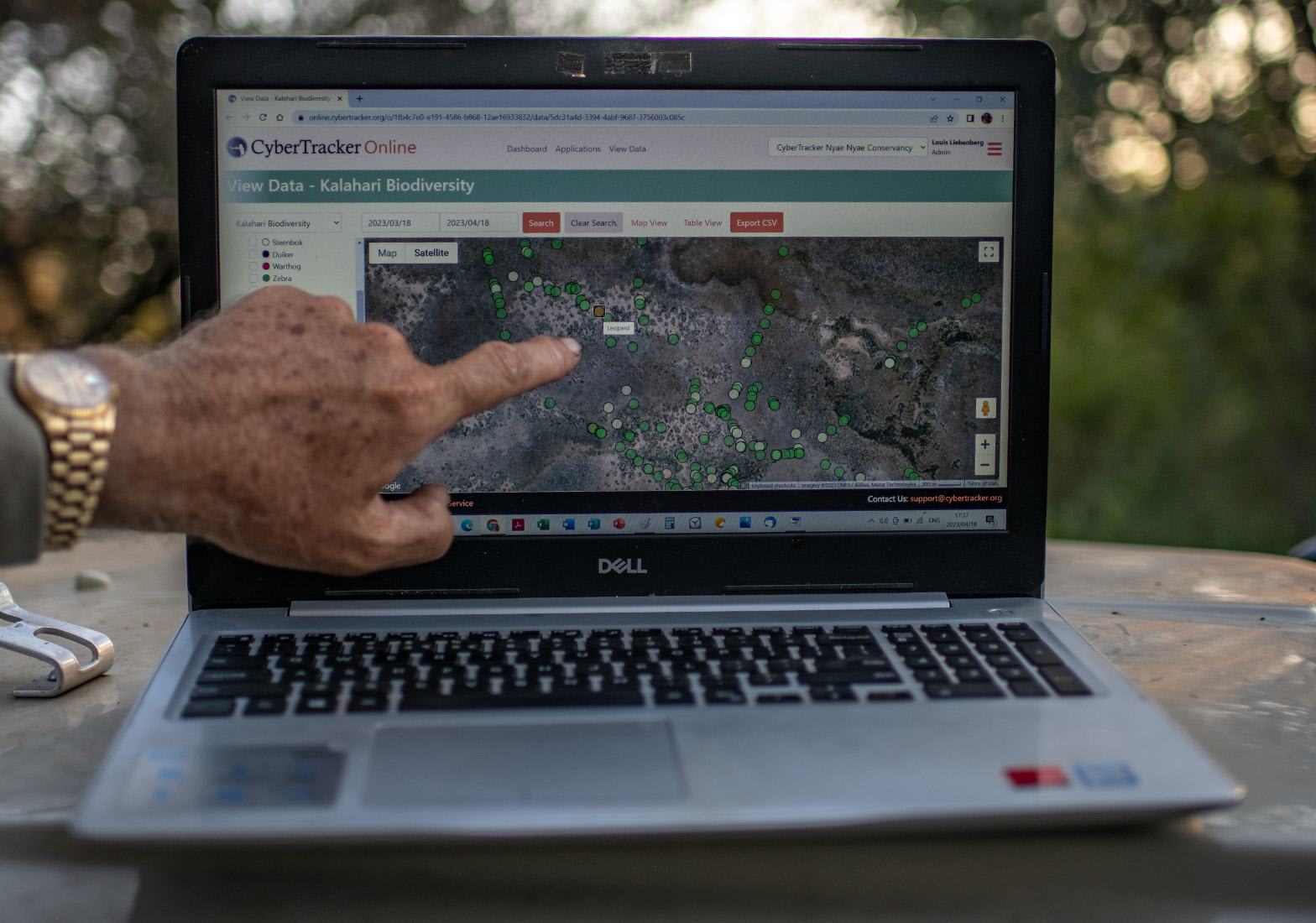
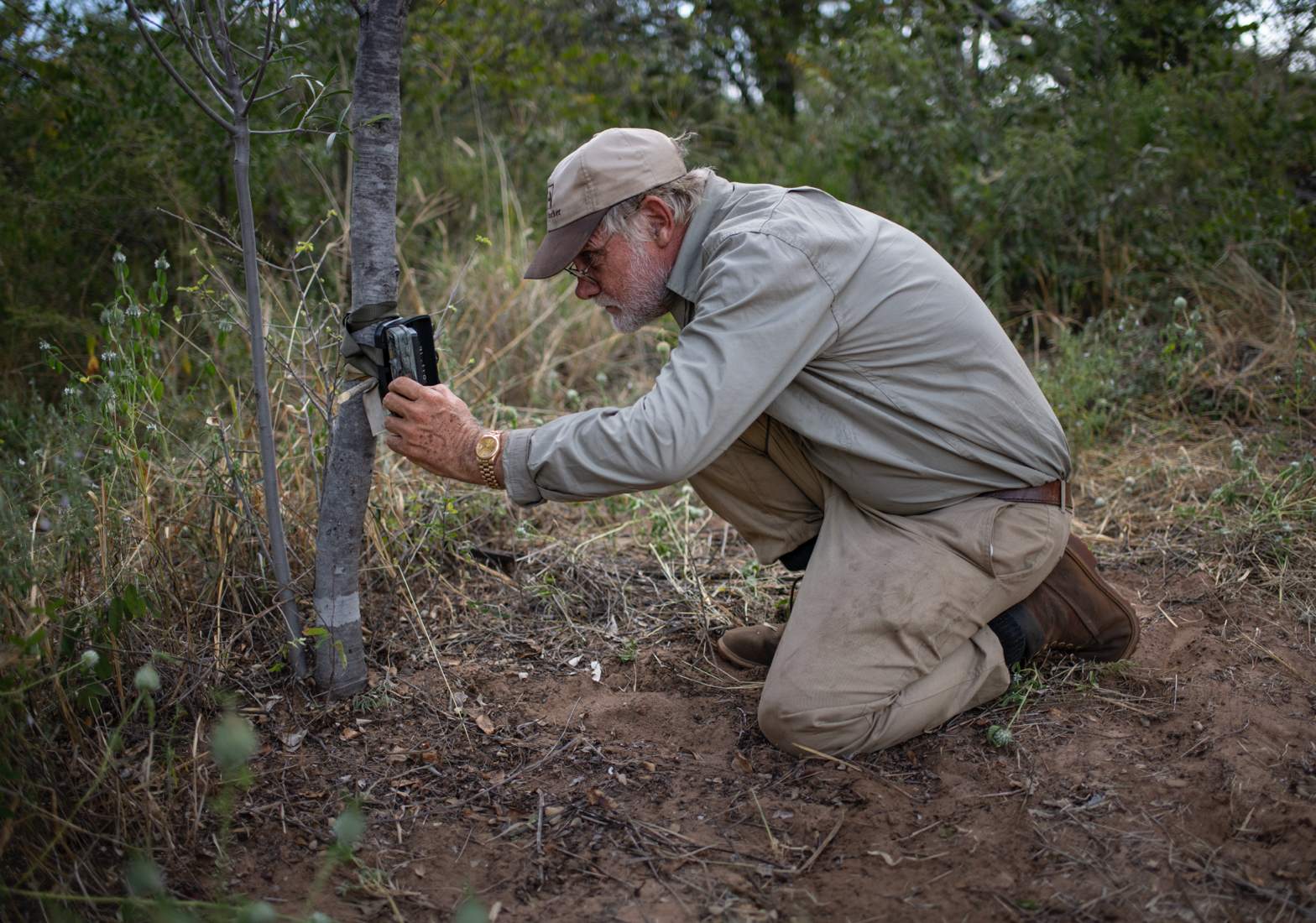
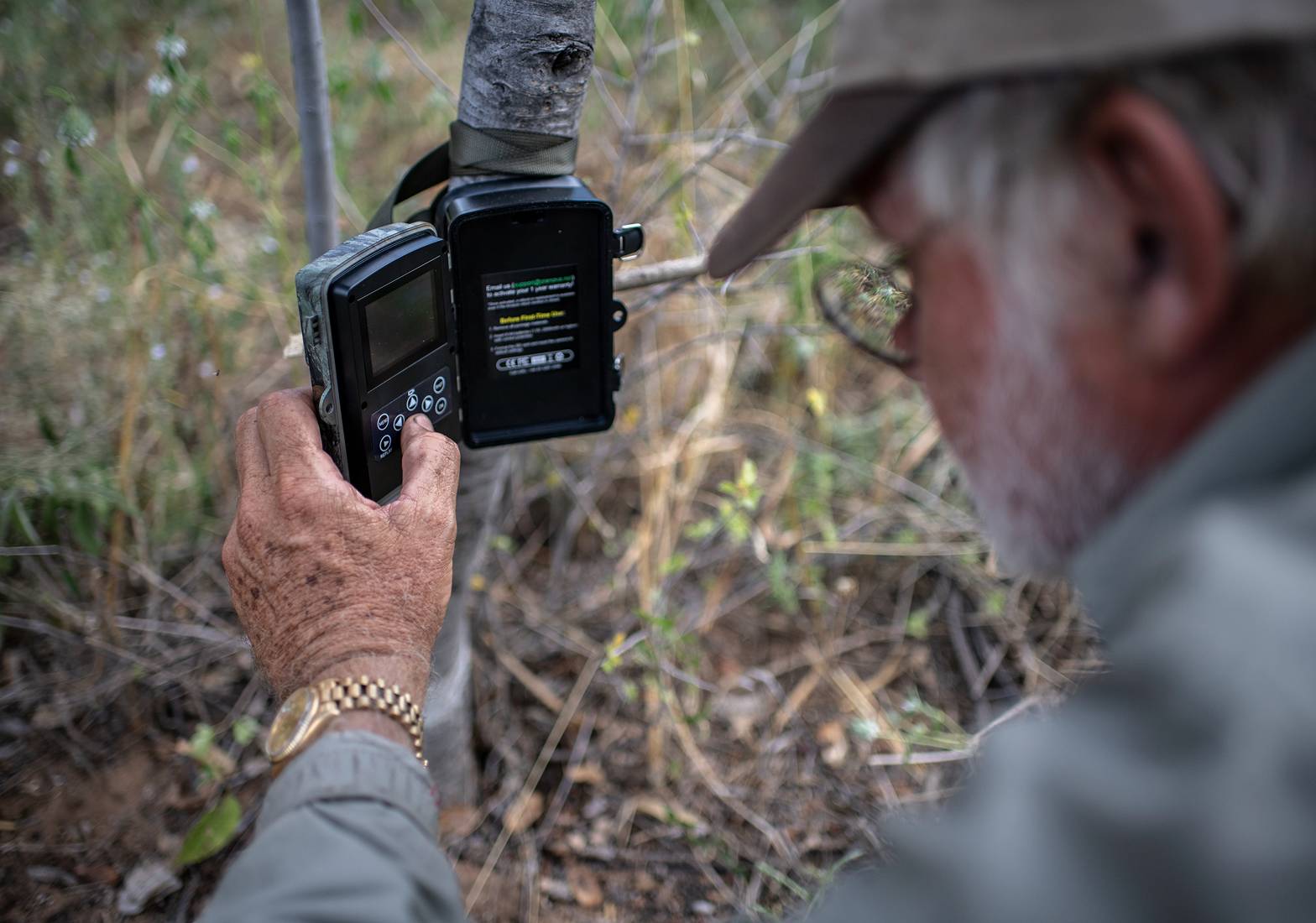
He is currently overseeing trials in the Kalahari of an updated version of the tool, CyberTracker Online, ahead of its worldwide release. The upgrade to his tool could have far-reaching implications for conservation and education, while continuing to provide an income for indigenous trackers using their ancient skills.
The icon-based interface was designed for the Kalahari’s indigenous Ju/’hoansi master trackers, who cannot read or write. It enables them to monetize their skills, while helping conservationists monitor animals that usually go unobserved by traditional conservation methods: “Unless you have people on the ground with real field skills that can actually make real observations of real species, your models could be completely wrong,” explains Liebenberg.

His fascination with the ancient art of tracking dates back to a simple childhood game. When he was four years old, Liebenberg was playing hide and seek in sand dunes on a Cape Town beach when he spied tracks in the sand. “I can still vividly remember following the sequence of footprints over the crest of the dune, right to where this boy was hiding. I even remember the surprise on his face. That’s my first visceral memory of tracking somebody.”
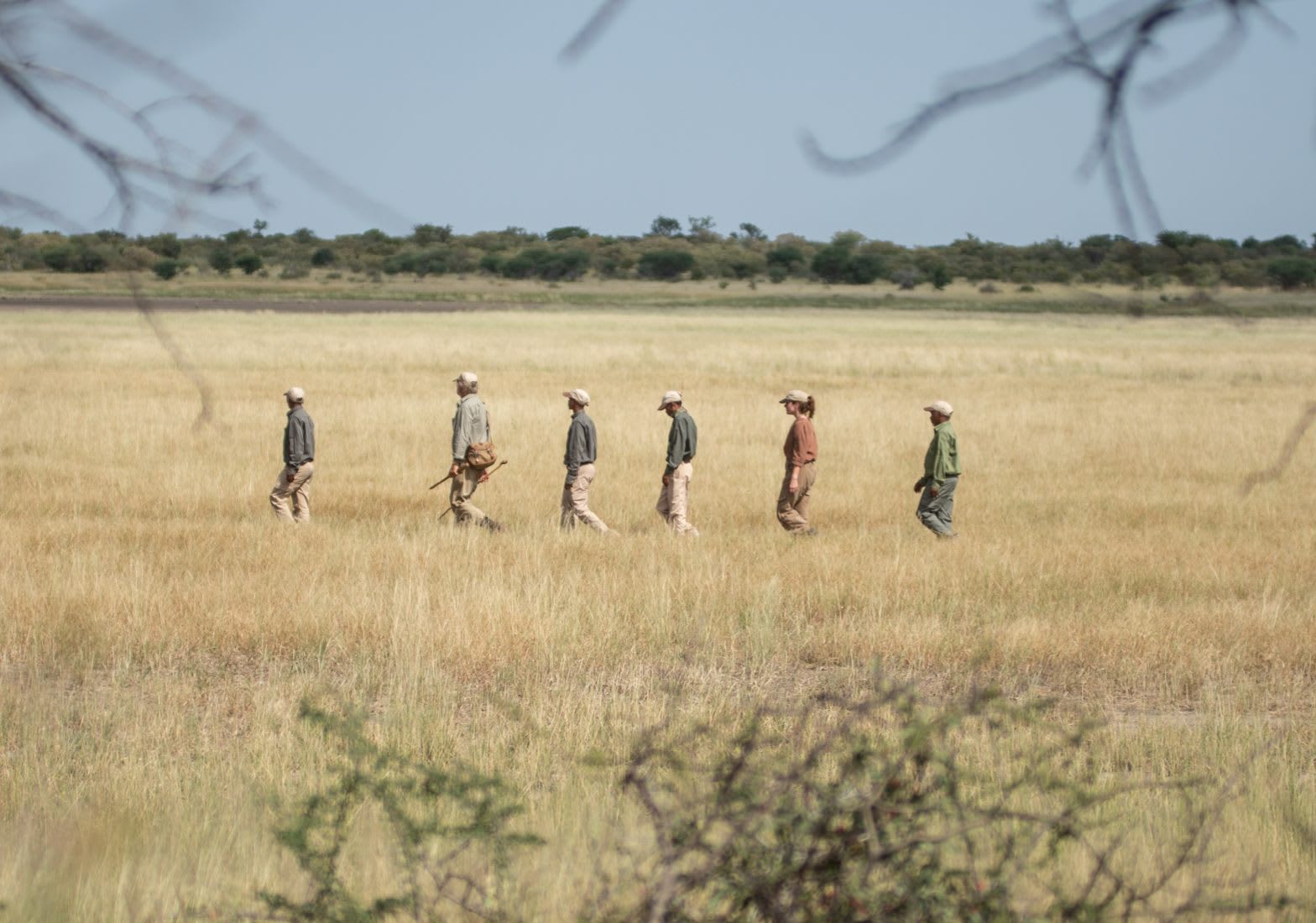
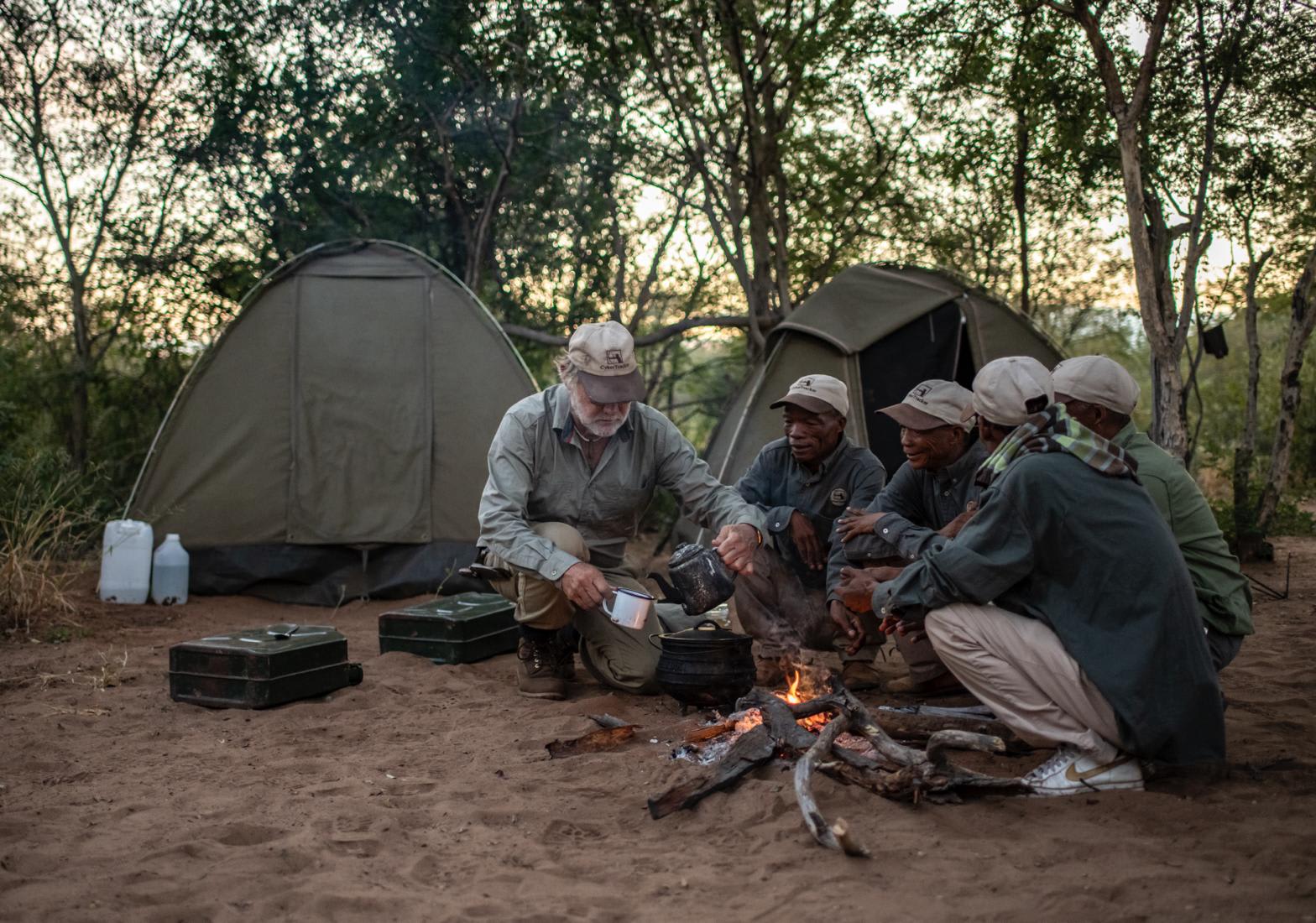
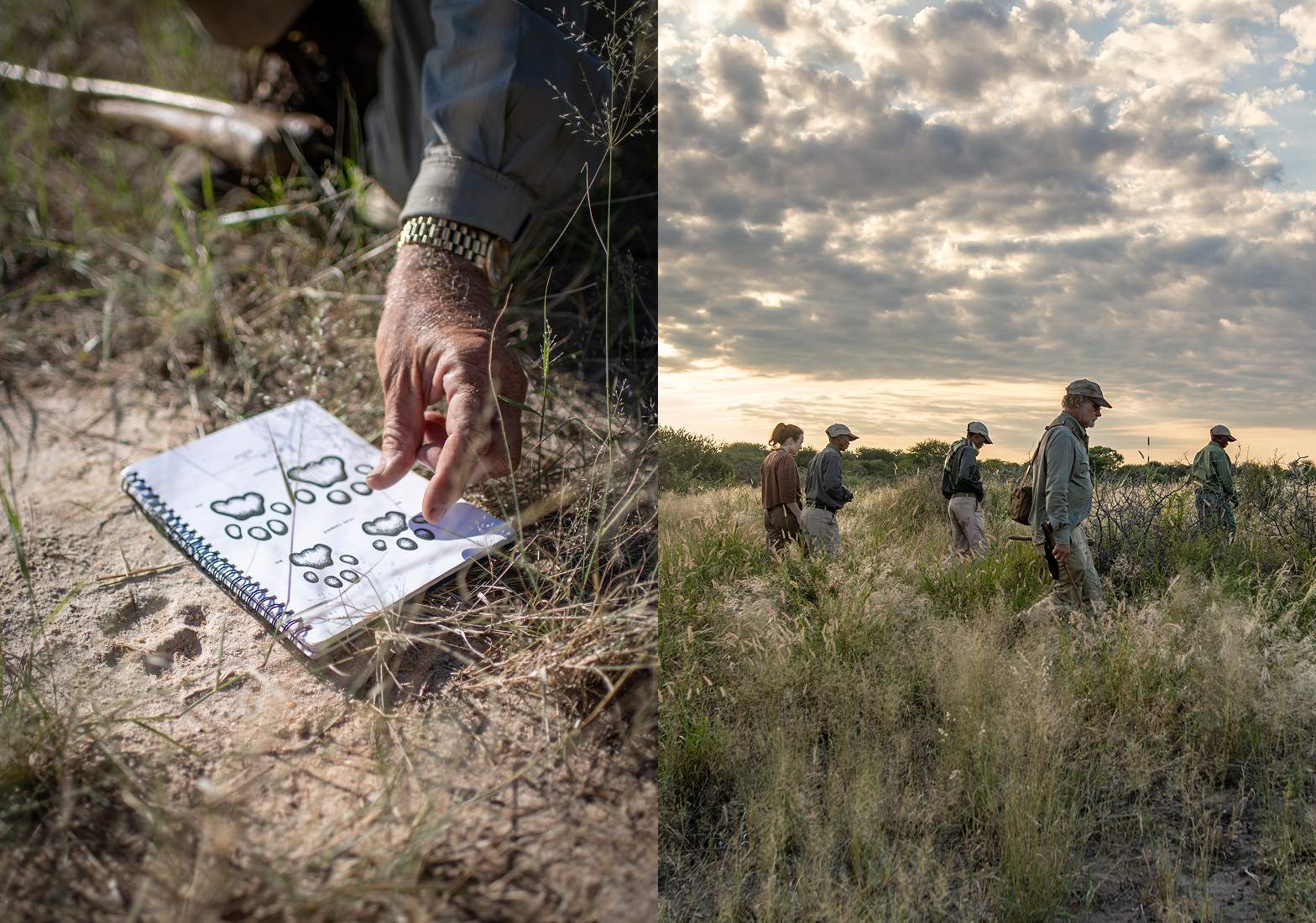
That moment ignited a passion in Liebenberg that has never left him. At the age of 25, he travelled alone into Namibia’s vast Kalahari Desert to find the last indigenous hunters using tracking skills passed down the generations to find food.
Liebenberg discovered that the art of tracking, which is hundreds of thousands of years old, was dying out. With wildlife numbers dwindling, subsisting as hunter-gatherers was becoming unsustainable. Over time, he began to formulate a plan.

He reasoned that the remarkable tracking skills of the indigenous population could be developed into a modern profession gathering information for conservation projects. In 1994, he began certifying the skills of indigenous trackers to help them secure employment by giving an objective measure of their skills.
It creates the possibility of real-time monitoring of complex ecosystems on a worldwide basis and it provides a flow of financial support for indigenous communities.
The CyberTracker proved successful beyond Liebenberg’s wildest dreams, partly propelled by the publicity he received through his 1998 Rolex Award. “The Rolex Award itself played a critical role in the subsequent success of CyberTracker, because without it, nobody would have known about us,” he recalls.
Instead, the international recognition helped his project to international success: it has since been downloaded more than 600,000 times in some 200 countries. Liebenberg and his team have developed CyberTracker to run on GPS systems, palm pilots, Android and iPhones.

CyberTracker has been used to help protect species from rhinos to butterflies, and its simplicity and versatility have ensured it is also a useful tool for citizen science, education, farming, social and health surveys, disaster relief and even crime prevention.

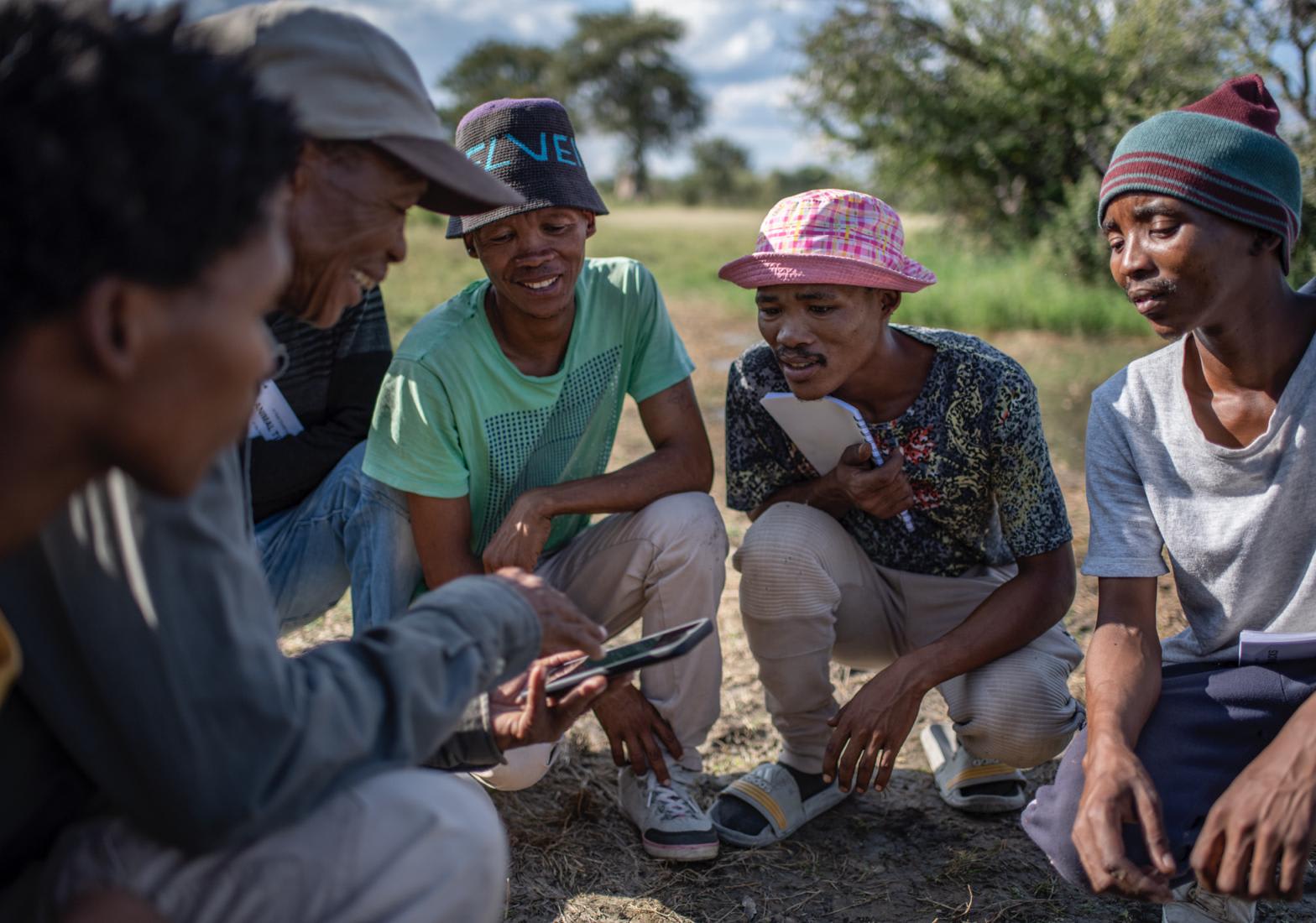
Liebenberg could justifiably have rested on his laurels, but his ambition stretched further. As a result, he continues to develop and expand the CyberTracker, determined to make it even more accessible and effective. The new CyberTracker Online has been designed to enable non-technical users to customize the mobile data capture application to their own specifications. The Icon User Interface will enable significantly faster data collection and reduce data input errors.

Data can be collected offline, and then uploaded when internet connectivity is available. This will allow trackers to upload their findings to a centralized database shared with a global community, making the information available for countless new uses in conservation and beyond.

“It creates the possibility of real-time monitoring of complex ecosystems on a worldwide basis,” says Liebenberg, “and it provides a flow of financial support for indigenous communities.” This financial support is key according to Liebenberg. He argues that developing sustainable socio-economic models for local populations to participate in protecting biodiversity is paramount in tackling the effects of climate change.
Among CyberTracker Online’s new features are story maps, which combine data in tables and maps, using photos and videos to make the information come alive in a way that is accessible for everyone from PhD students to primary school children.

The art of tracking is the ideal way of introducing scientific reasoning and understanding to young children. There’s no mediation, no microscope, telescope, books or anything that comes between you and the tracks. It’s very immediate.
For Liebenberg, engaging the next generation of trackers and scientists is vitally important. “The art of tracking is the ideal way of introducing scientific reasoning and understanding to young children. There’s no mediation, no microscope, telescope, books or anything that comes between you and the tracks. It’s very immediate.”

Liebenberg envisages the app being used not only by trackers and scientists, but by children monitoring wildlife in the parks of cities on every continent, and sharing their findings with other young people all over the world. This will not only give them the experience of how to gather data, but also an understanding of what needs to be done to protect the planet.
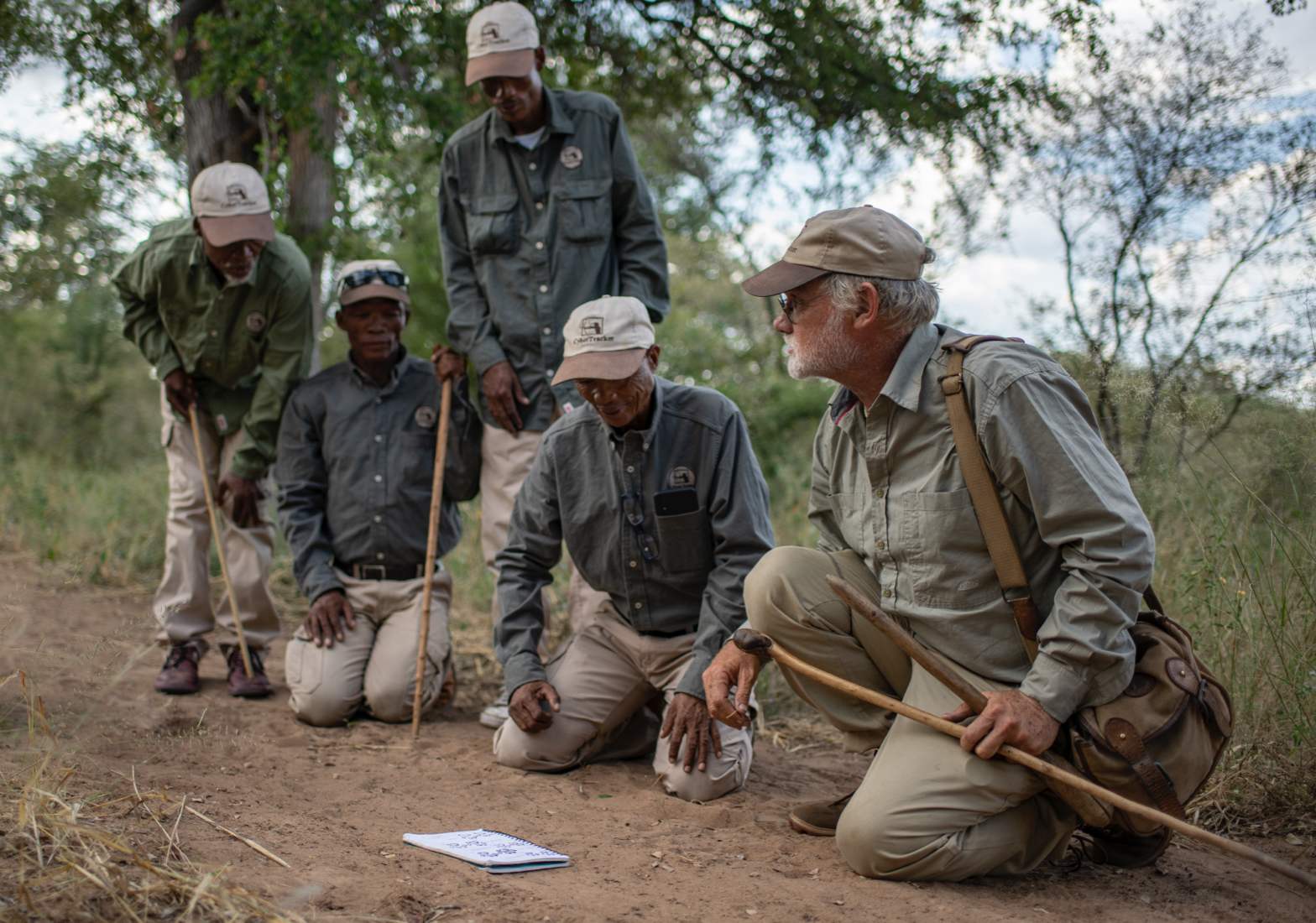
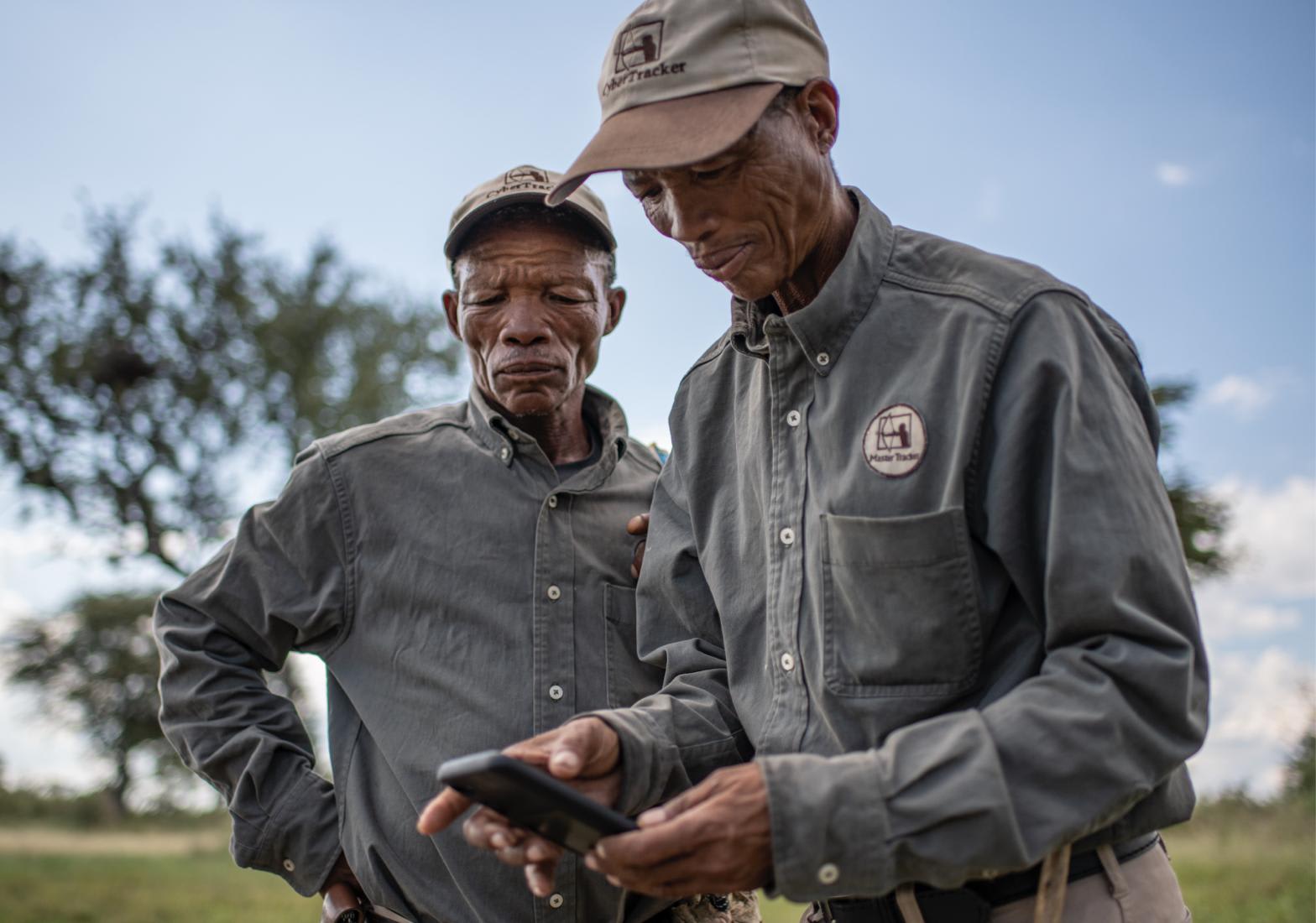
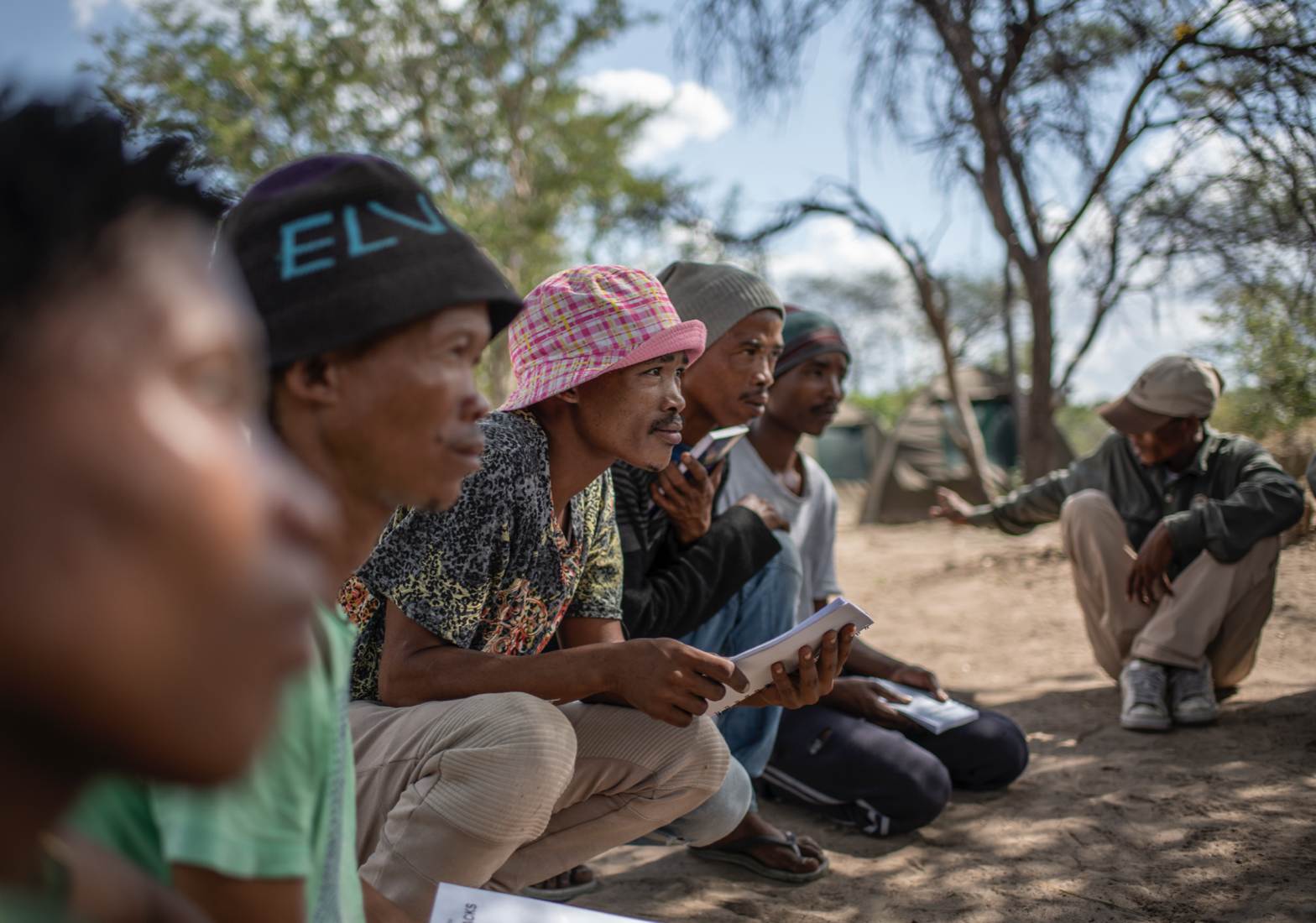
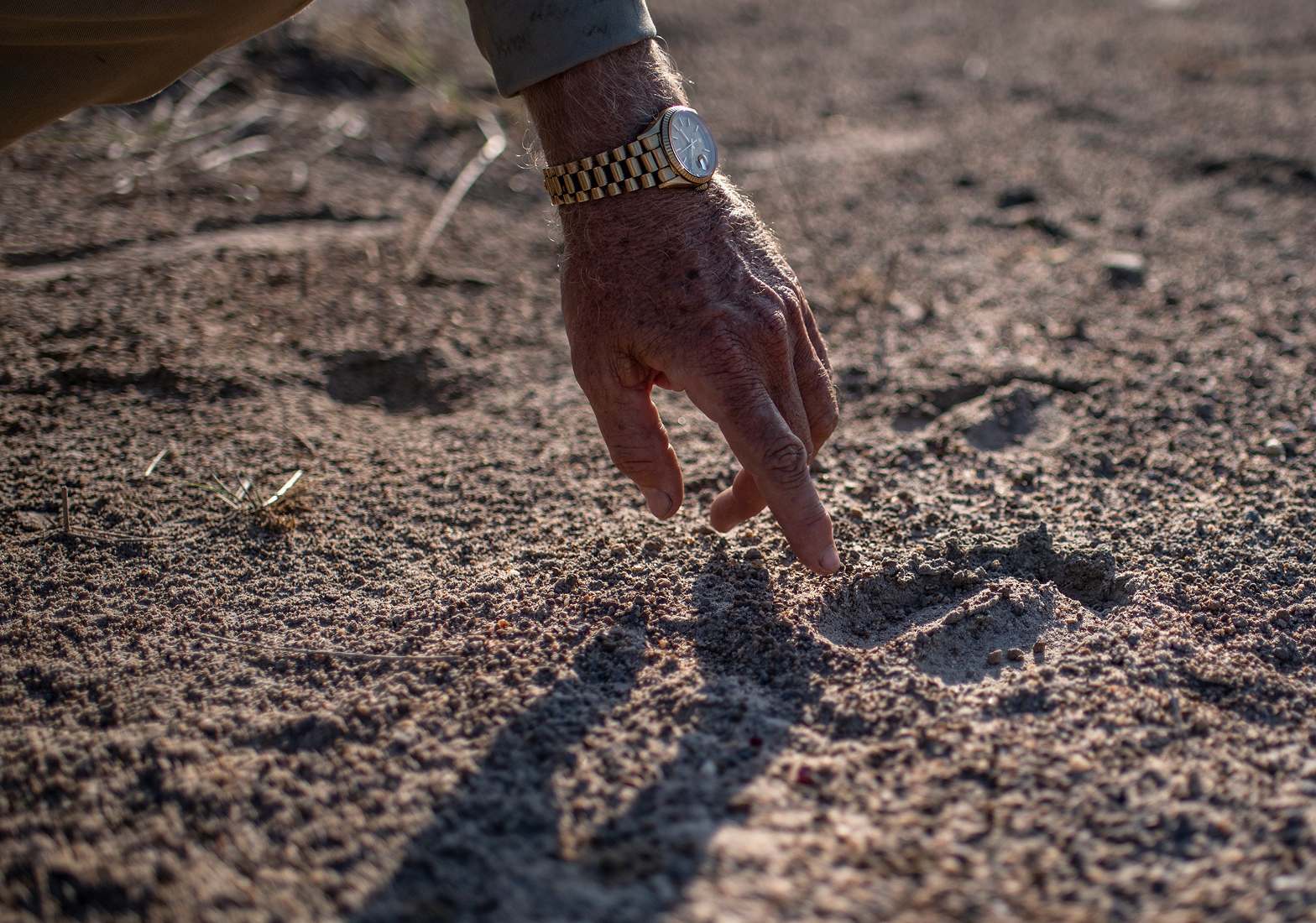
Meanwhile, Liebenberg continues to oversee the training of new trackers, educated at the Ju/’hoan San Tracker School in the Kalahari. The school teaches trackers from as far afield as North America and Europe, combining indigenous knowledge and skills with modern science and technology, with the aim of bringing back indigenous tracking on a worldwide basis.

Liebenberg’s own tracking career stretches back more than 40 years, but he insists he has no plans to give it up. “The thought of not doing this work has just not occurred to me. I’ve got no intention of stopping, because there’s just so much more to learn.”