
The Congo River basin is one of the most remarkable waterways in the world, spanning over thousands of kilometres, and with an estimated 75 million people that depend on it for food, water and transport.

Great Spine of Africa Expeditions
Published in
As part of his Great Spine of Africa Expeditions to protect the continent’s water security, Rolex Perpetual Planet Initiative partner and conservationist Steve Boyes has traced a major source of the Congo River back to the Angolan Highlands.
All episodes

Cassai River: Episode 1 – 2024

Cassai River: Episode 2 – 2024
As the sun rose through the mist of the Angolan Highlands each morning, conservationist Steve Boyes and his team would take a moment to prepare themselves for the day ahead. The expedition, part of the Great Spine of Africa series, presented some of the most challenging conditions Boyes – a Rolex Perpetual Planet Initiative partner and National Geographic Explorer – has ever faced. Battling dense vegetation, navigating dangerous rapids and suffering countless bee stings, the team always kept their mission in mind – to understand and document the Cassai River, one of the key tributaries of the Congo River.

The Congo River basin is one of the most remarkable waterways in the world, spanning over thousands of kilometres, and with an estimated 75 million people that depend on it for food, water and transport. Ensuring its health and security is increasingly important as Africa’s natural resources are increasingly threatened by climate change, pollution and the biodiversity crisis.
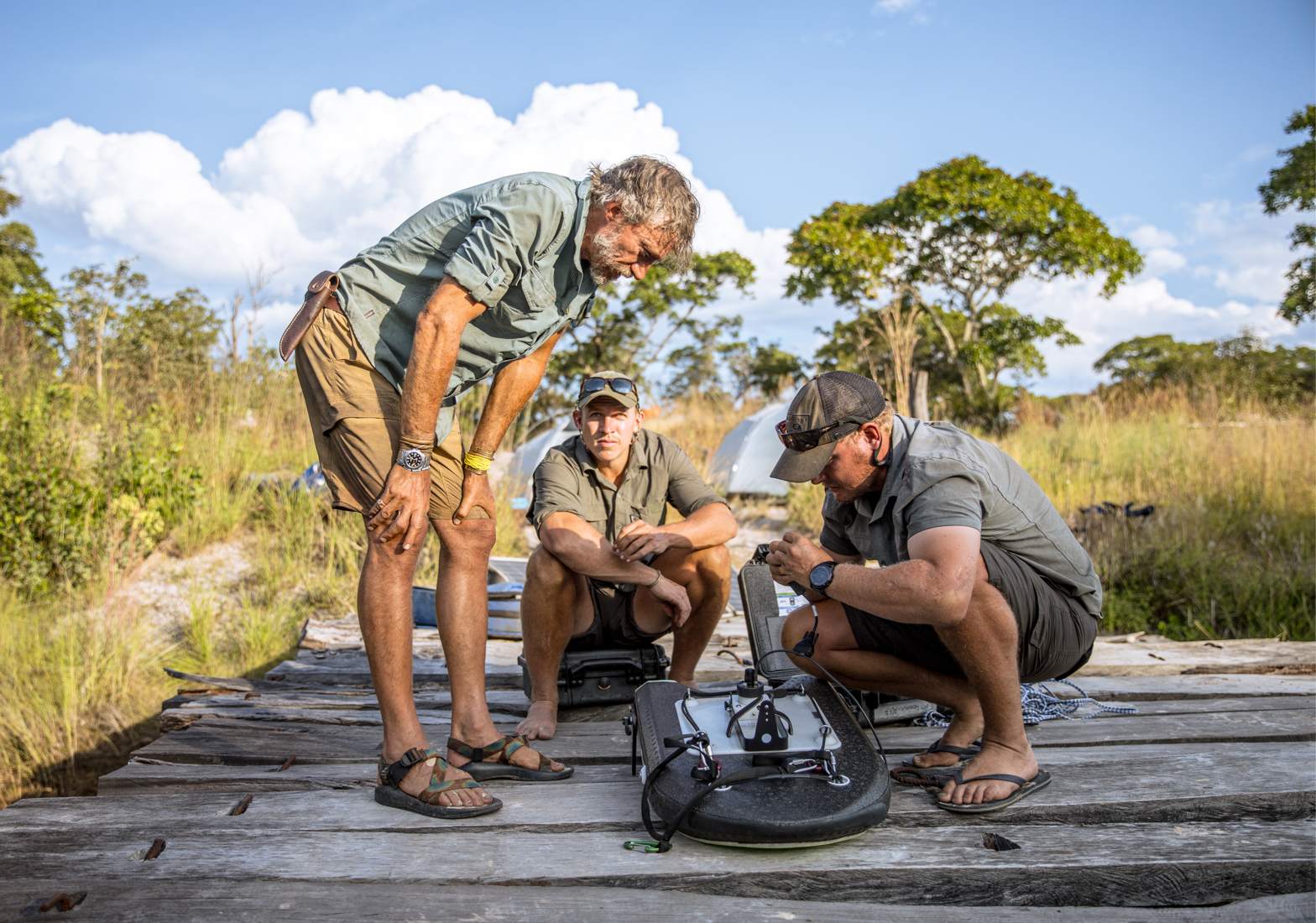
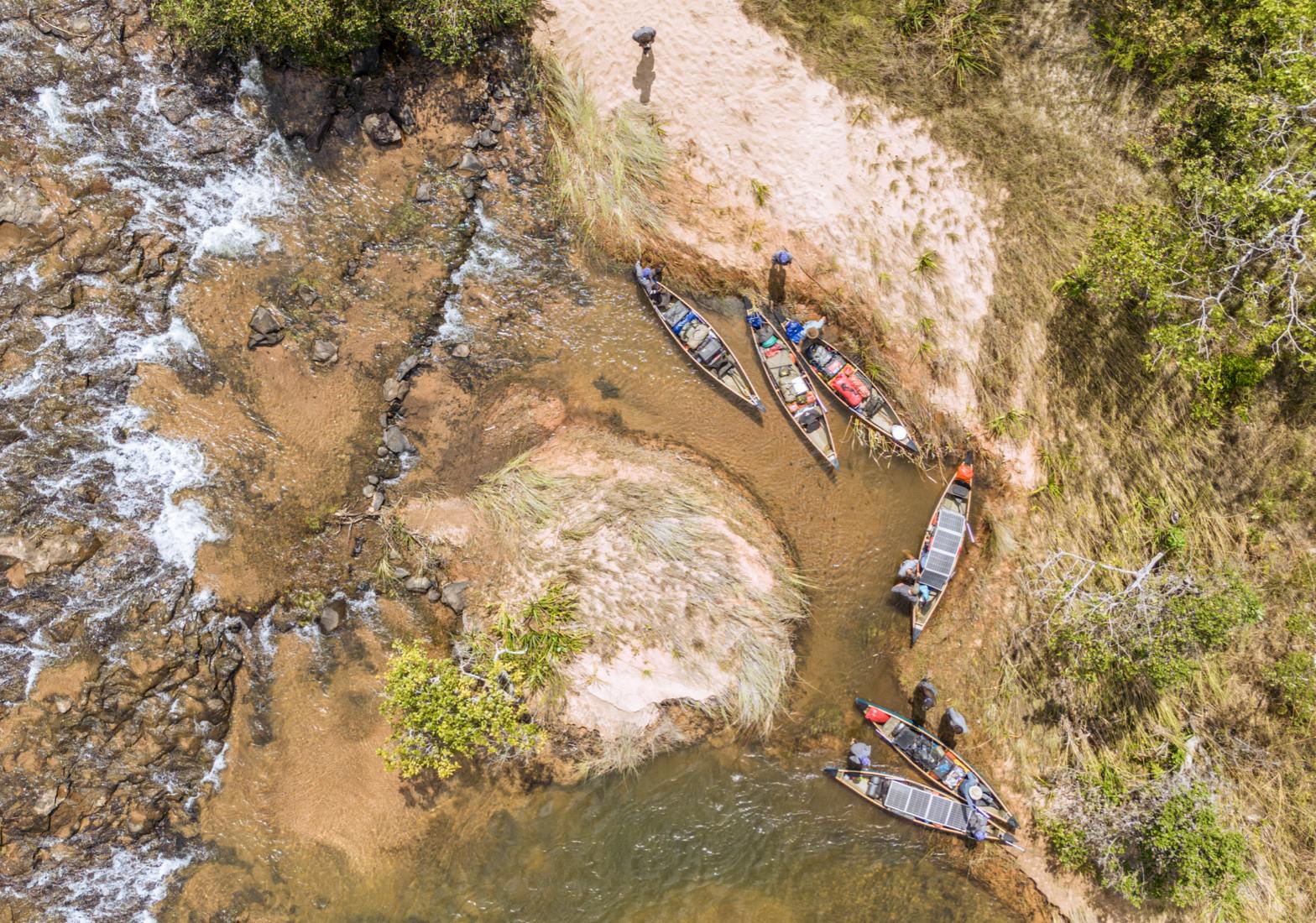
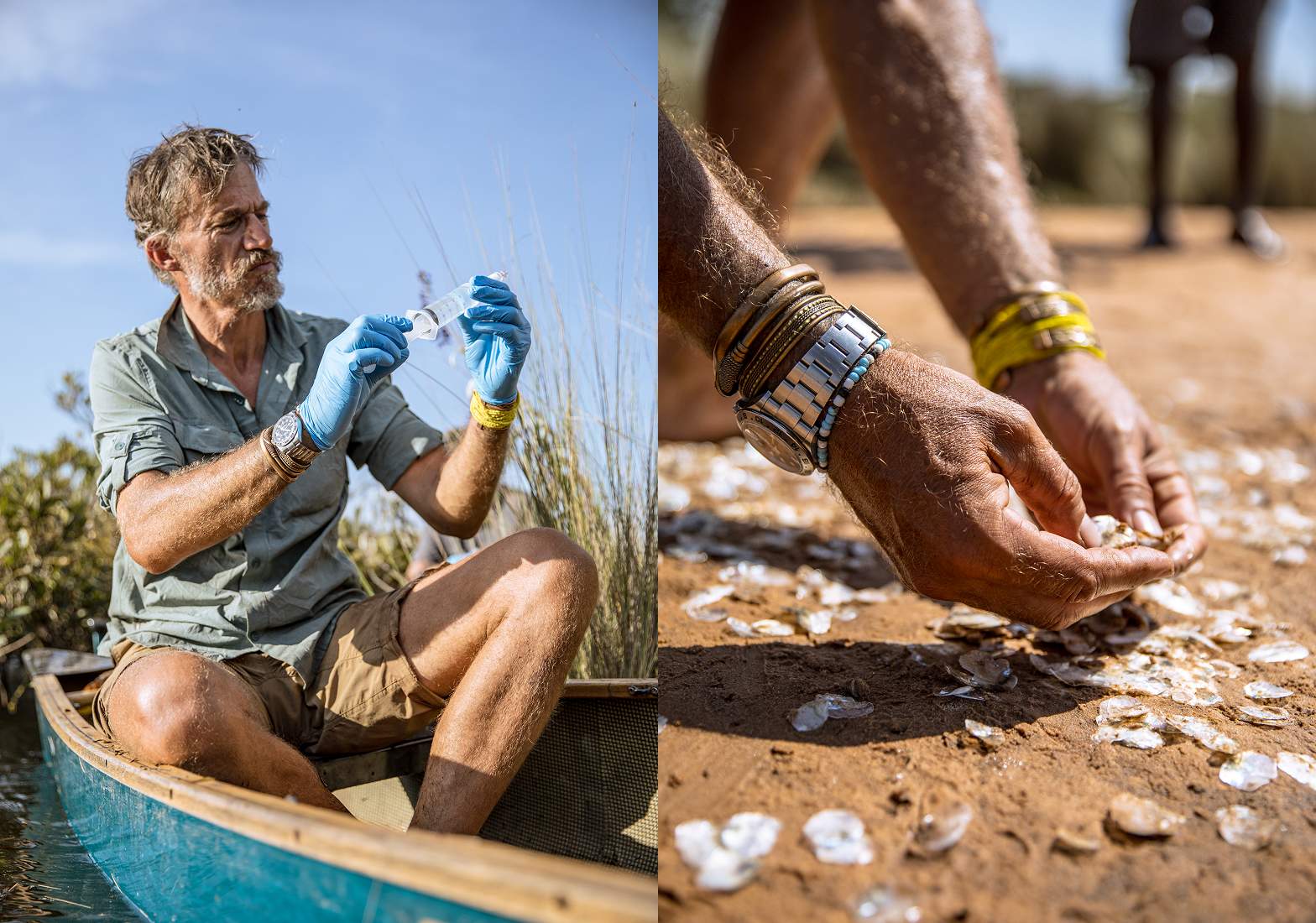
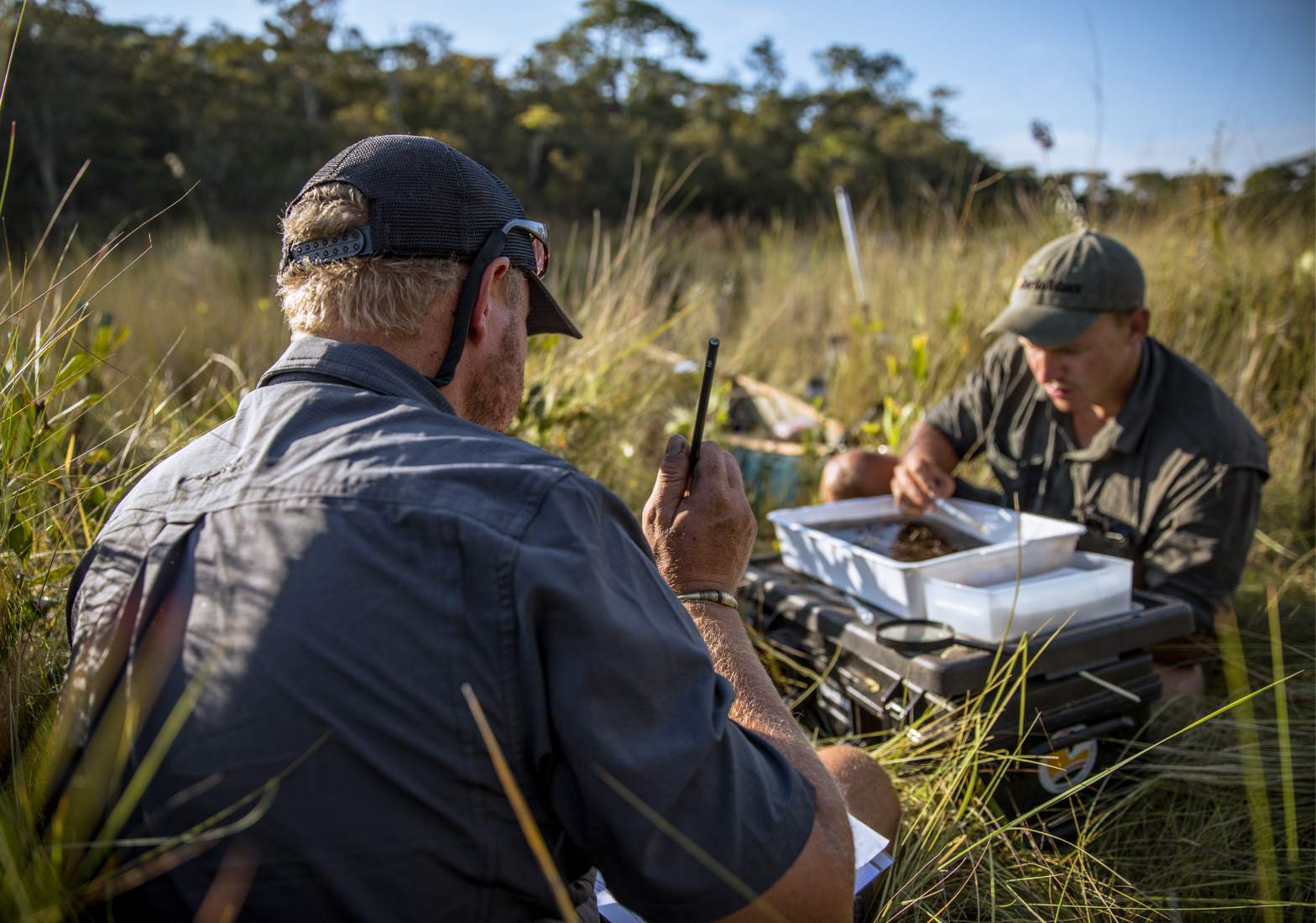
Boyes’ expedition series has set out to uncover and conserve the highland sources of Africa’s major rivers, which he terms the Great Spine of Africa, beginning in a column of raised hills in the Angolan Highlands. In these remote, raised hills are vast peatlands. As well as holding enormous amounts of carbon, they act as giant sponges and store incredible volumes of fresh water. Like mountain glaciers, the peatlands then feed this water into lower-lying river systems. Coined “natural water towers”, these areas are key sources for Africa’s largest river basins, which two thirds of the continent’s population rely on for water.
The Congo River basin is one of the most remarkable waterways in the world, spanning over thousands of kilometres, and with an estimated 75 million people that depend on it for food, water and transport.
To investigate how the peatlands contribute to Africa’s major rivers, Boyes and his team follow the waterways and build up ecological and hydrological baselines. In this expedition, they began at the source of the Munhango River. “It’s a narrow stream coming out of a seepage, a little pool,” explains Boyes. “It’s surrounded by beautiful forests, there are people there. There was actually cassava growing by it, and beautiful flowers I’ve never seen before.” From there, the team gradually traced the waterway as it arched its way down to meet the Cassai River. Crossing wild and demanding terrains, they then followed the Cassai River to the border of the Democratic Republic of the Congo (DRC).

At the confluence of the Munhango and Cassai rivers, the team took detailed water flow measurements. Comparing the flow from the waterway that is currently credited as the source of the Cassai and the flow from the Munhango, they found that the latter is contributing almost twice the amount of water. This discovery shows that the primary sources of the Cassai River are in the Angolan Highlands, making them critically important for the Congo Basin.

Making its way from the upper reaches of the river systems to the border of the Democratic Republic of Congo, the team faced many dangers, never knowing if they would meet hippos, crocodiles or fast-moving rapids along the way. “Every day, it is going into the unknown,” says Boyes. “These landscapes are undocumented.” The team counted on the advice and knowledge of people they met, who would warn them of dangers ahead. “The best policy is to go to the closest village,” Boyes explains. “We have two priorities on the river. The first one is safety, and the second is the science.” Despite the risk of navigating new waters, they were able to gather vital knowledge about the rivers’ ecosystems that will form a baseline from which conservationists and governments can track the rivers’ health for decades to come.

It was an extraordinary expedition. It was unlike anything I’ve ever experienced on the rivers of Africa.
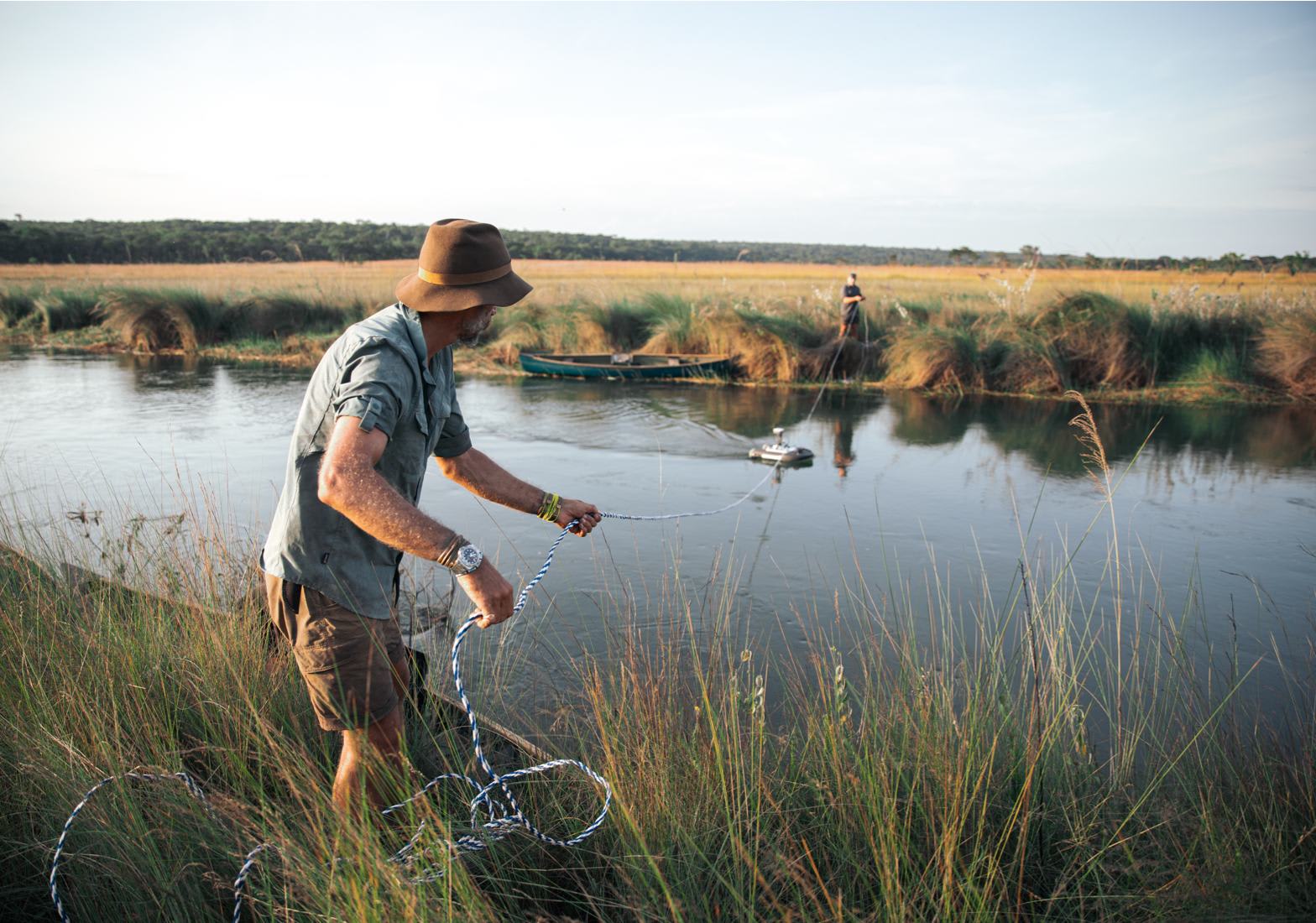
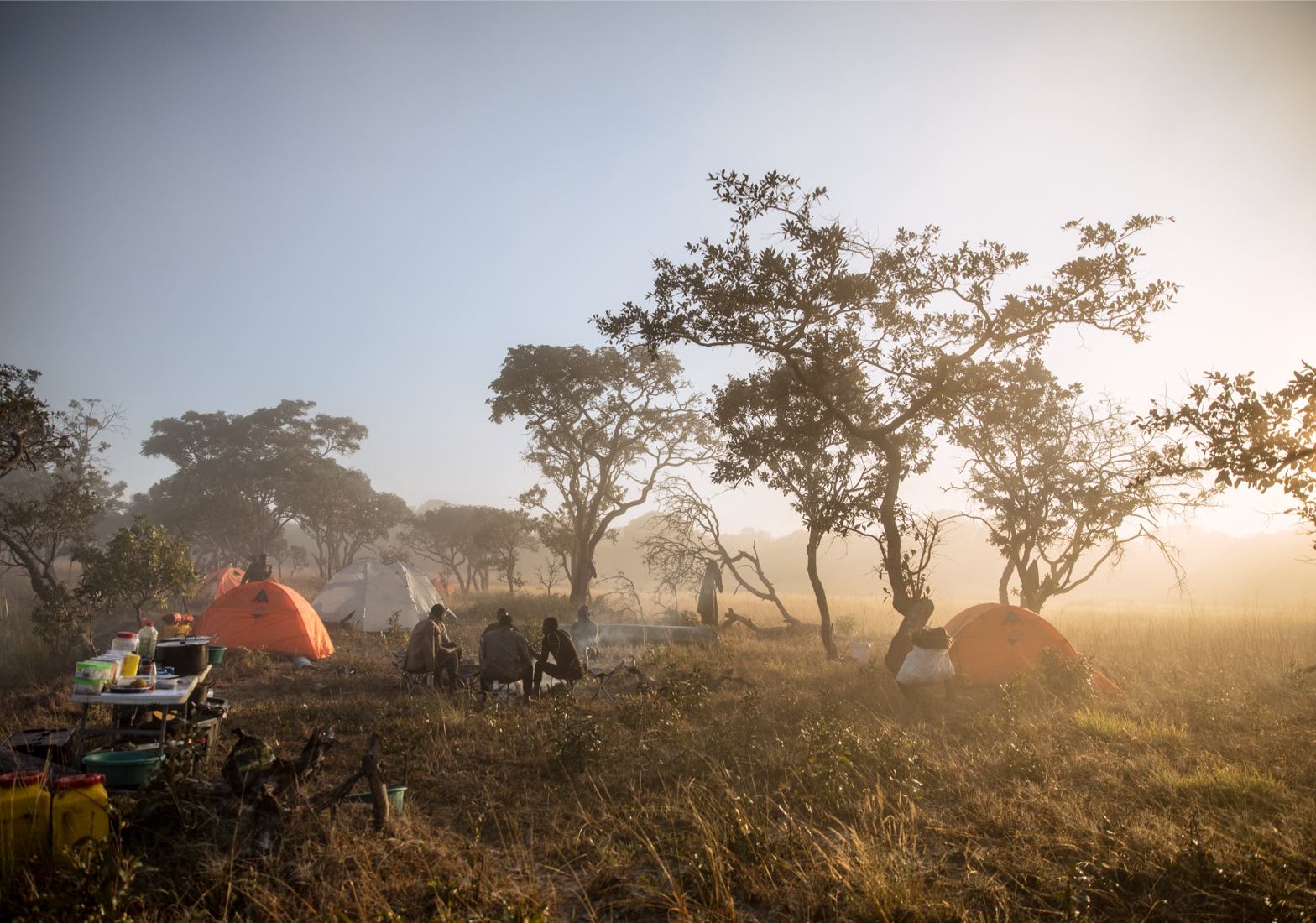
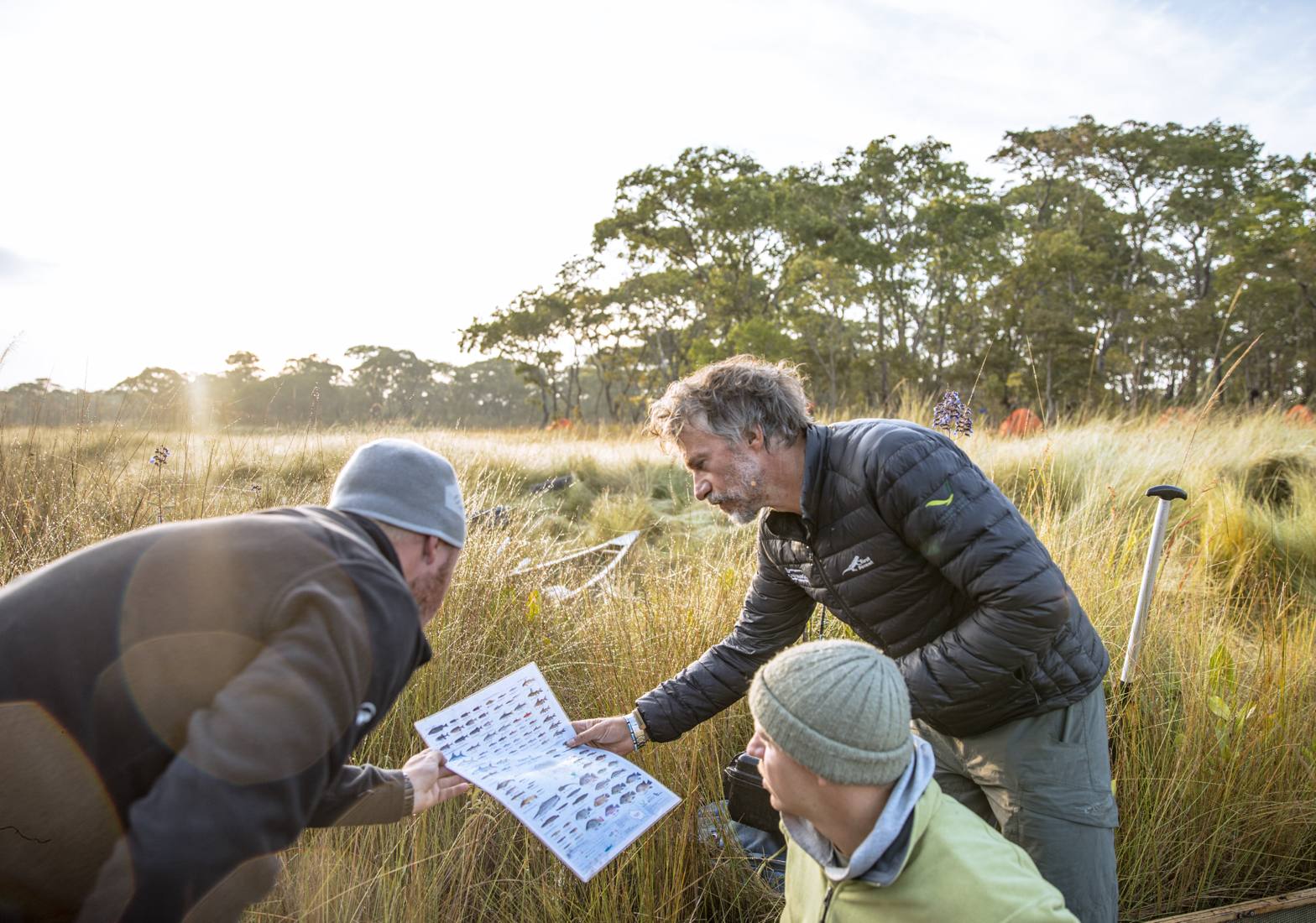
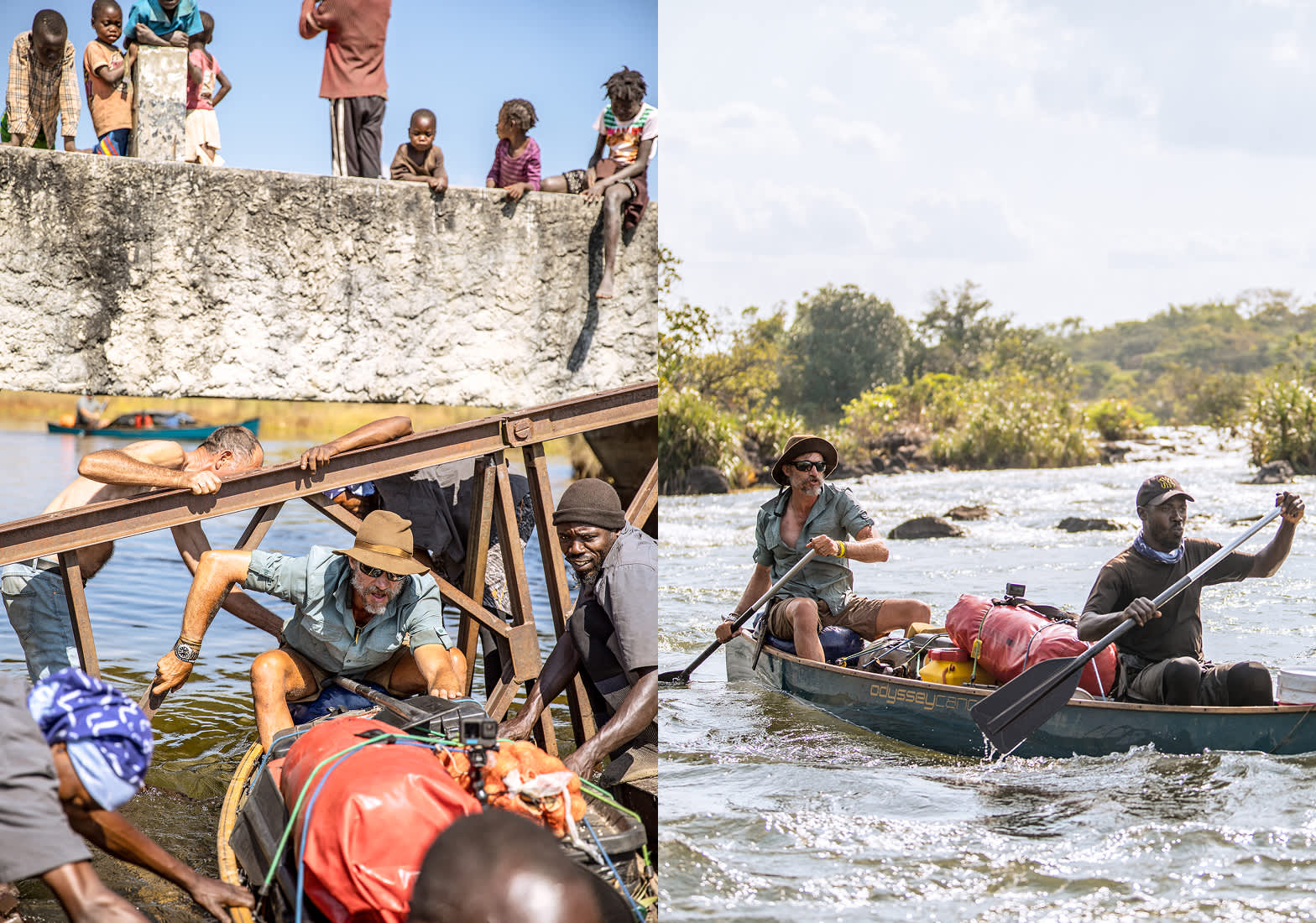
“We try to measure and record everything,” says Boyes of his team’s data collection. They counted everything they saw, from birds to dragonflies to beetles. They took samples from the river to a laboratory for environmental DNA analysis, which helps reveal what unseen wildlife might be present. The team also captured 360 degree photographs every 30 seconds, took drone images and spent time collecting testimonies from local people. Across their journey, Boyes and the team observed an astonishing array of species they believe could be unique to those ecosystems. So far, they have discovered 154 species that are new to science in the eastern Angolan Highlands. “It was an extraordinary expedition. It was unlike anything I’ve ever experienced on the rivers of Africa.” says Boyes.

A part of protecting this biodiversity will also be preserving the cultures, traditions and languages of the rural communities that form an integral part of the ecology. For Boyes and his team, this means building relationships and forming teams of local scientists, fishermen and hunters who can collaborate in the interest of river conservation.
Scientifically recognizing Africa’s natural water towers, establishing their links to the great rivers and creating ecological baselines are critical steps in protecting the continent’s water security. “That is what the Great Spine of Africa Expeditions are trying to do,” explains Boyes. At the border of the DRC, where this incredible expedition ended, another team of Congolese scientists picked up the mission to take it onwards. Enlivened by the wilderness, true sense of exploration and impact of the project, Boyes too will soon be setting off again on his next voyage to document Africa’s water sources.