
This is a new window into the planet.

National Geographic Society
Published in
In May 2019, as part of its Perpetual Planet partnership with Rolex, National Geographic succeeded in leading an expedition to install the world’s highest weather station on Mt Everest.

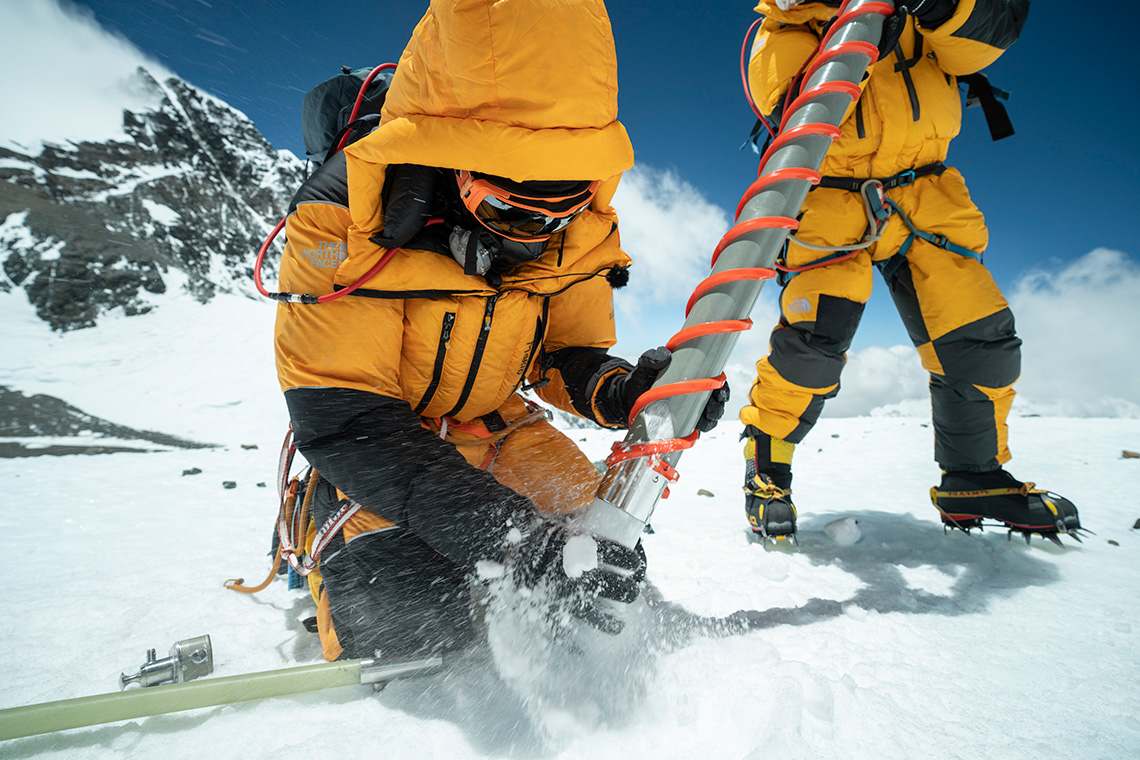
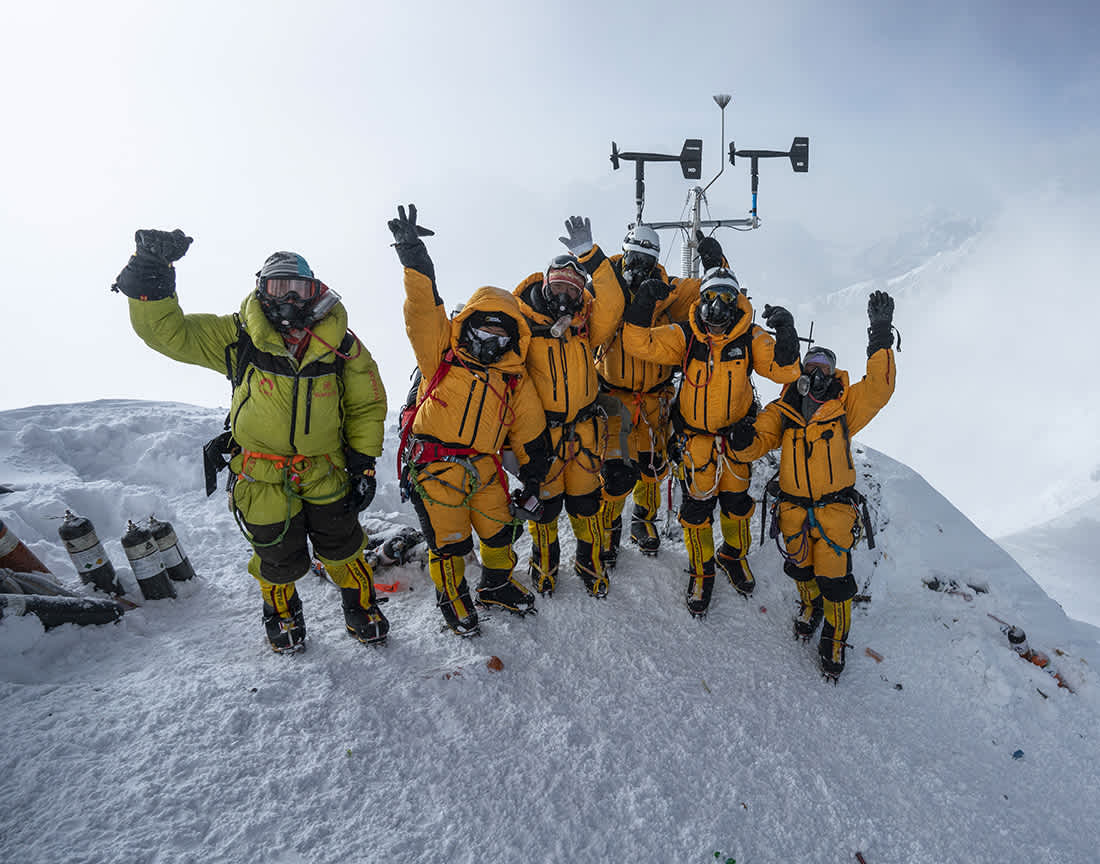
On the icy shoulder of Mt Everest sits a slender aluminium sentinel, the world’s highest weather station, tracking, every few seconds, data that will give us new insight into the effects of climate change.
The station was installed as part of an initiative by National Geographic, supported by Rolex, to study some of the planet’s most extreme environments to illuminate new insights into the very systems that support life on Earth. The world’s highest weather station is perched on a narrow balcony of rock and ice astride the southeast ridge of the mountain as it ascends a further 420 metres to the world’s tallest peak, Everest, known to Tibetans as Chomolungma (Mother Goddess of the World).
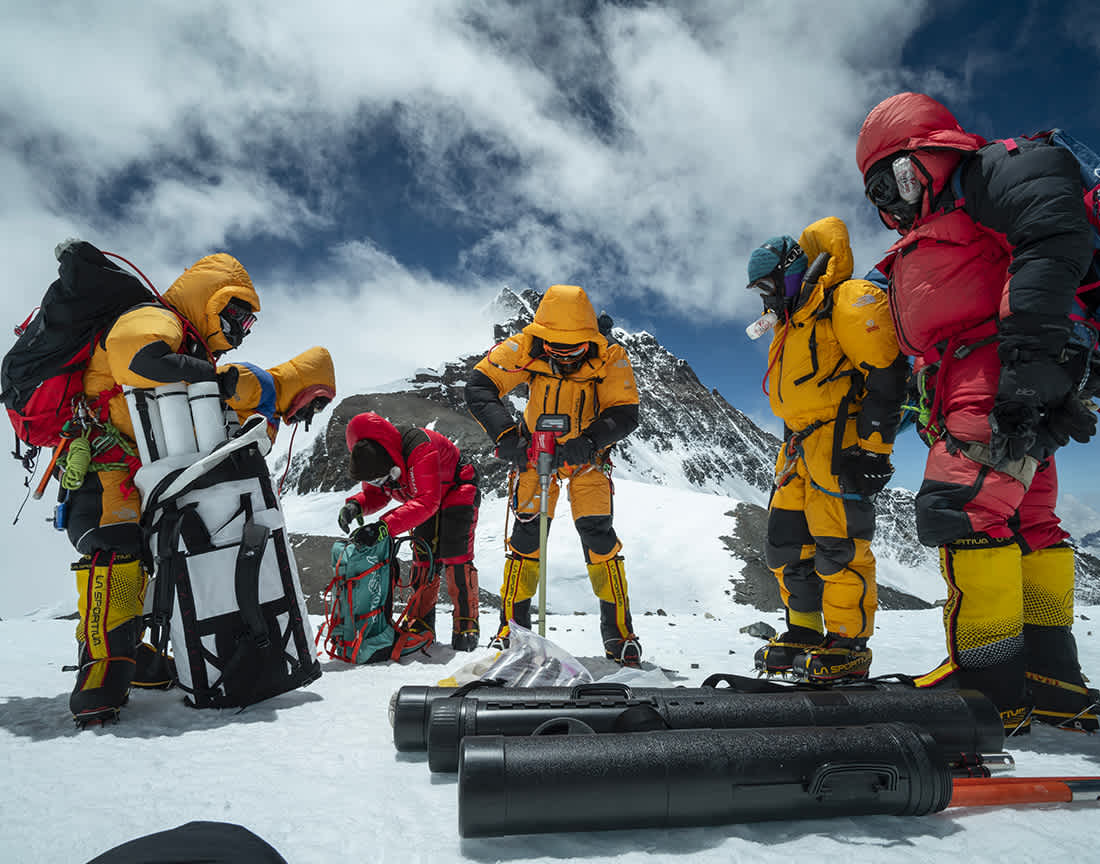
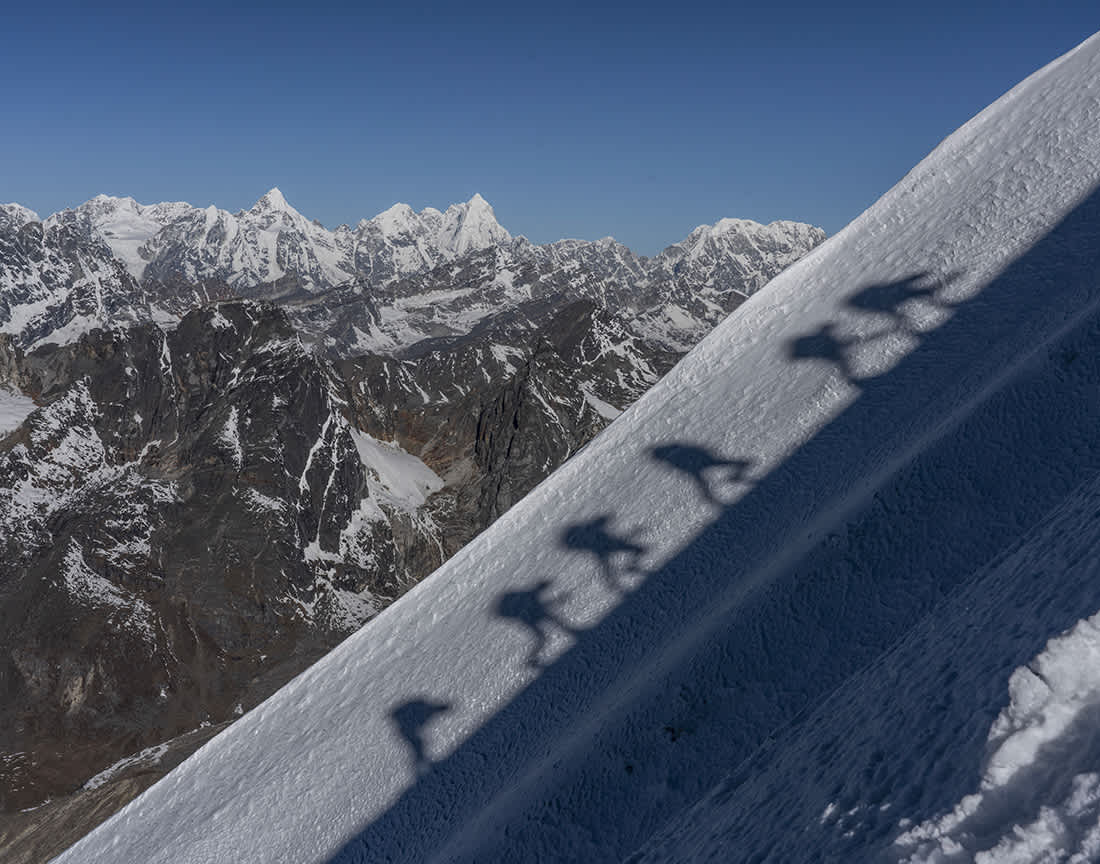
From April to May 2019, a National Geographic-led team of 30 scientists from eight countries including Nepal’s Tribhuvan University, brought field science to new heights by erecting five weather monitoring stations along the ascent, including the two highest on the shoulder and South Col of the iconic mount. “This is a new window into the planet,” declared Paul Mayewski, director of the Climate Change Institute at the University of Maine, in the US, and the expedition’s scientific leader.
This is a new window into the planet.
The stations now provide a constant stream of weather data, which the scientists will pair with information gathered from ice cores, lidar scans, mapping and biodiversity surveys to create a comprehensive picture of how the planet’s high places are altering under climate change.
At stake are the lives and livelihoods of millions: 250 million people inhabit the Hindu Kush Himalaya mountain ranges and over 1.6 billion live downstream. Current scientific predictions indicate that a third of the region’s glaciers could be gone by the end of the century, with potentially severe consequences for all who depend on them.
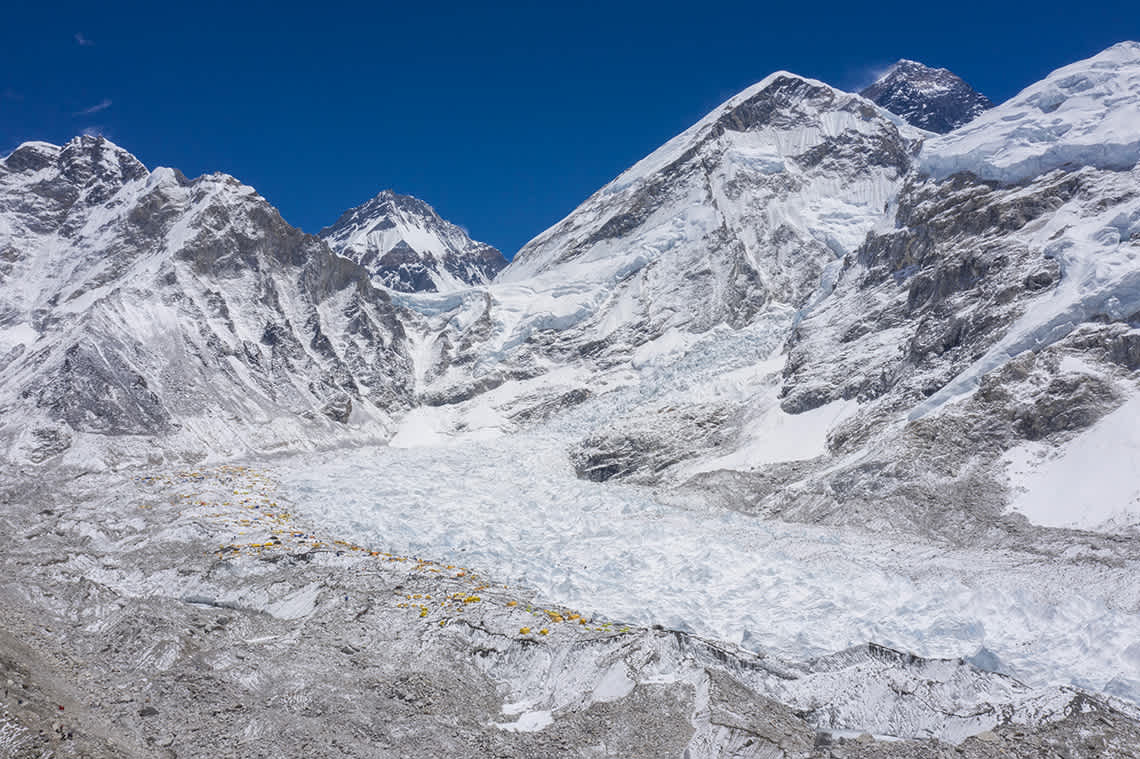
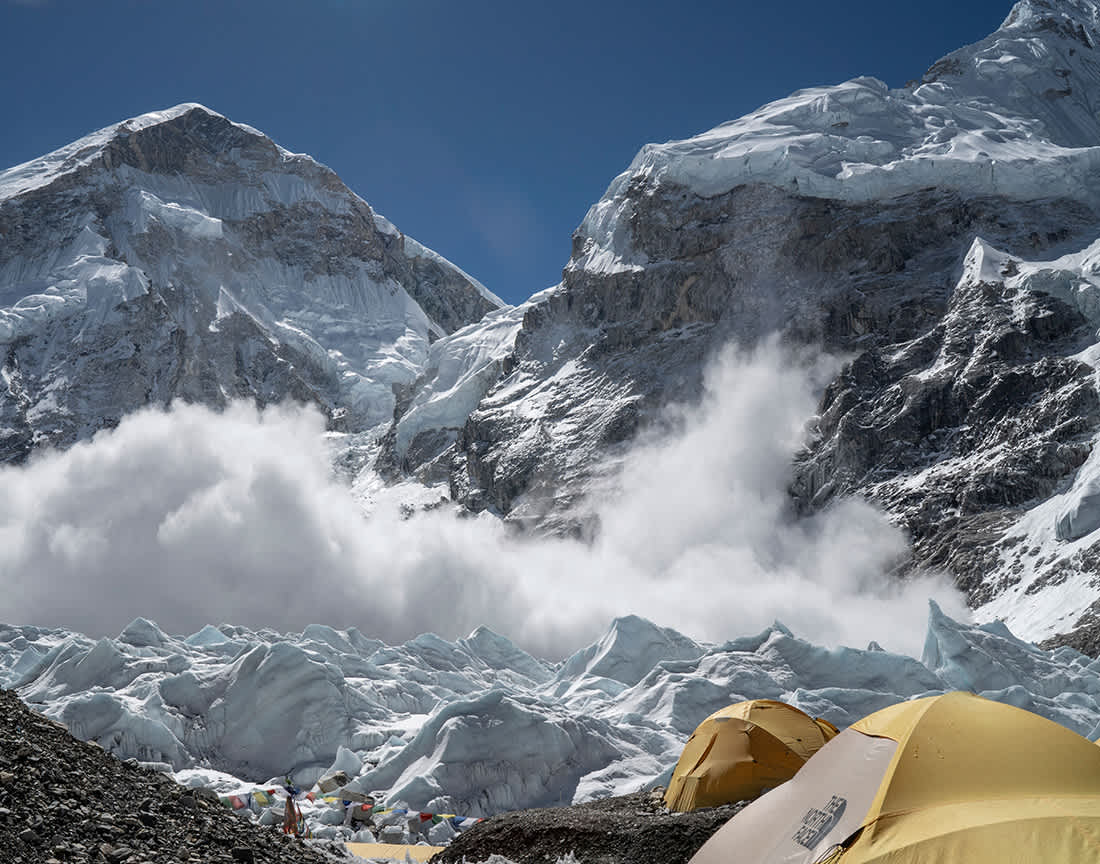
The expedition had to contend not only with the bleak hostility of the “Death Zone” (above 8,000 m or 26,000 ft) where human life and strength are stretched to the very edge of existence, but also with the technical challenge of designing equipment able to withstand at least 360 km/h winds and shotgun blasts of fragmented rock, and the logistical feat of conducting science on a one-person track packed with hundreds of other climbers.
To tell the story – both human and scientific – of this venture, National Geographic has married state-of-the-art science with the best in photography, filmmaking and reporting to bring the story of the impact of climate change to life for audiences around the world.
Rolex and National Geographic have been partners in the exploration and discovery of Planet Earth for decades. In 2019, they launched the Perpetual Planet initiative, a five-year joint investigation to shine a light on the challenges facing the Earth’s critical life support systems, support science and exploration of these systems, and empower leaders around the world to develop solutions to protect the planet. The Everest mission is the first in the series.