
This is one of the greatest conservation opportunities left and a rare chance to intervene before reaching the crisis point.

National Geographic Society
Published in
The Rolex National Geographic Explorer of the Year award recognizes explorers whose commitment to a perpetual planet is shining a critical light on important issues, discoveries, and challenges facing our planet.
The 2019 recipient of the award is the Okavango Wilderness Team, who have spent the past four years travelling down remote rivers across three countries to save the water sources that feed Botswana’s Okavango Delta, one of our planet’s last wetland wildernesses.

From National Geographic Documentary Films, Into the Okavango chronicles the extraordinary expedition across three countries to the Okavango Delta.

The greater Okavango River Basin is one of the largest freshwater wetlands in southern Africa – and the main source of water for a million people. Its delta, located in northern Botswana, is one of Africa’s richest places for biodiversity. But the delta’s future is uncertain. Its health is linked to that of rivers that originate in Angola, then converge and flow through Namibia into Botswana. These rivers are vital to the region’s future, but are currently unprotected outside of Botswana.
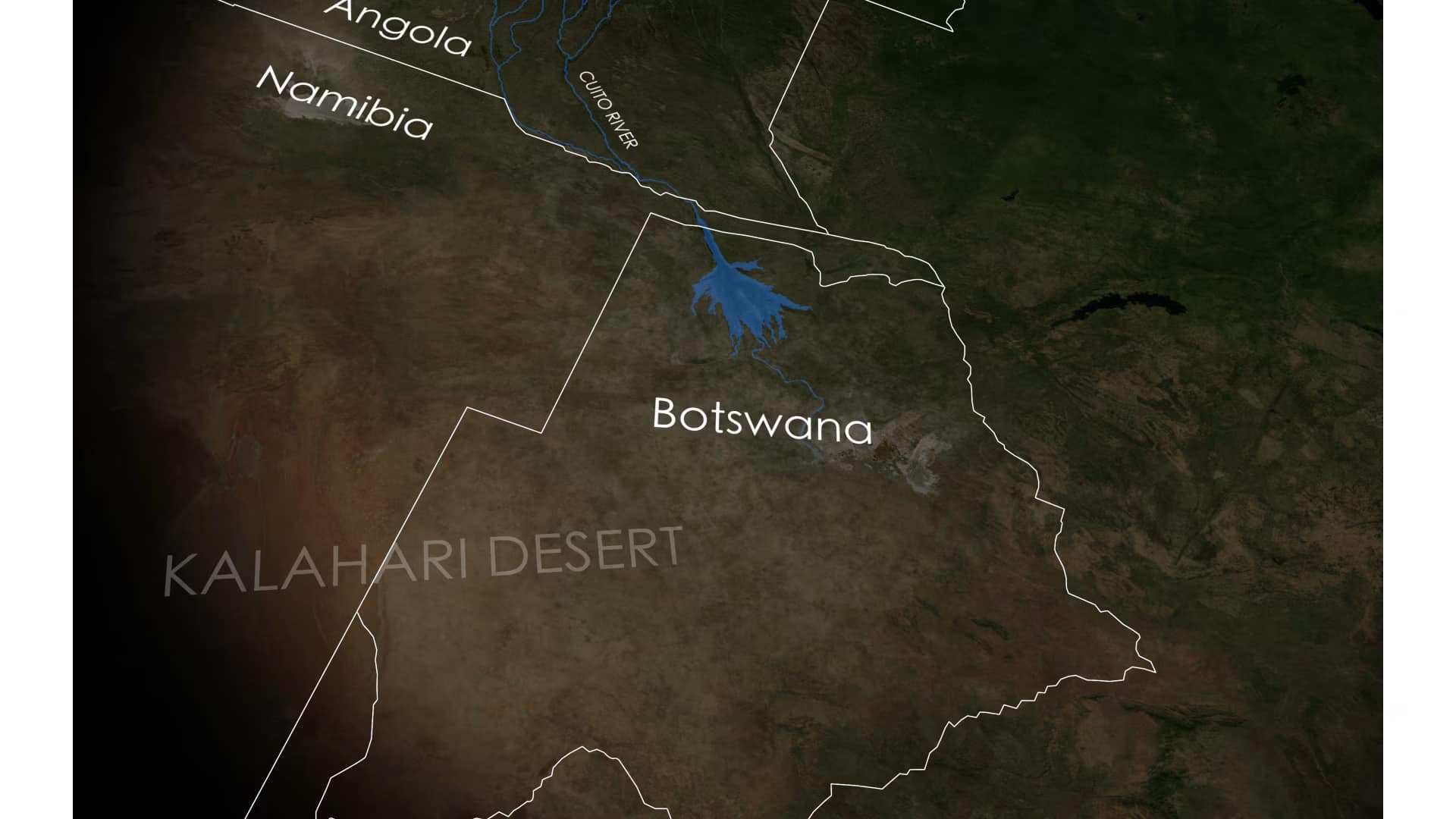
WaterAn average of 2.5 trillion gallons of water flow through the Okavango watershed every year, providing water to a million people and creating a haven for wildlife. Over 95 percent of the water that flows to the delta originates from rainfall in the Angolan highlands. Protecting these source rivers is the key to preserving the richness of life in this unique place.
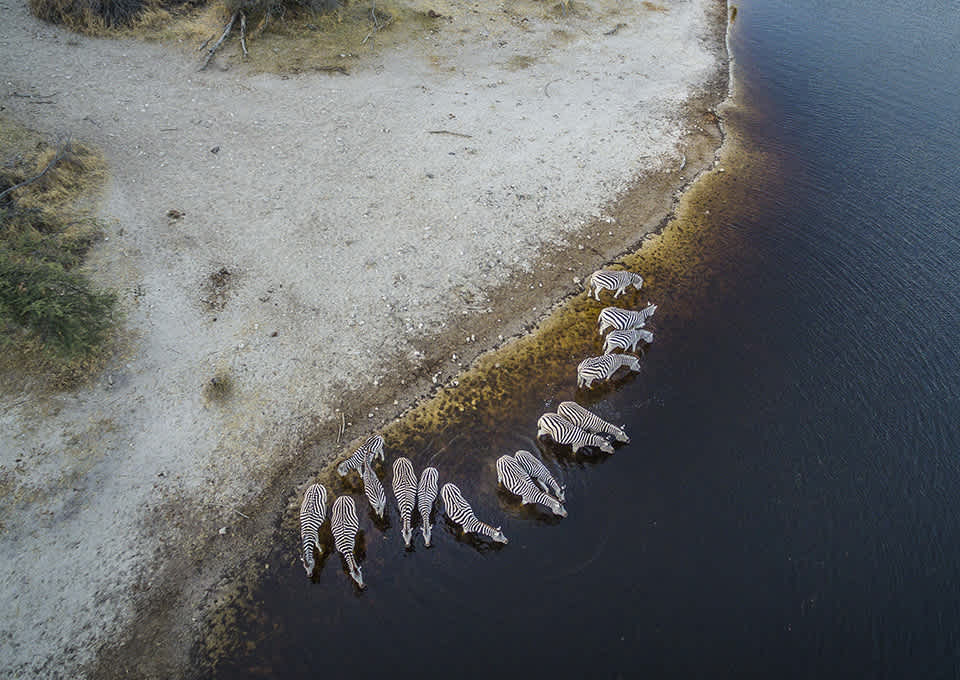
BiodiversityThe Okavango Delta is one of the largest freshwater wetlands in southern Africa and is home to over 1,000 species of plants, more than 480 species of birds, 130 species of mammals, and numerous species of reptiles and fish. So far, the expedition team has discovered 11 species new to science, more than 60 species potentially new to science, and more than 90 species previously unknown in Angola.CommunityThe communities near the Okavango’s headwaters are mainly of Bantu descent, with a heavy Portuguese influence on their beliefs and customs. Many villages the expedition team visited were first established in the 1940s, but abandoned during Angola’s civil war, with communities returning only after the war ended in 2002.

Since 2015, a team of intrepid scientists and conservationists has ventured through uncharted regions of Angola to conduct comprehensive surveys of the critical river systems that feed the Okavango Delta. Led by National Geographic Fellow Steve Boyes, and joined by Angolan ichthyologist and National Geographic Explorer Adjany Costa, expert guide Tumeletso “Water” Setlabosha, and dozens of others, the team has discovered more than 60 species potentially new to science, documented environmental challenges facing the region, and joined with the government of Angola to develop a plan to protect the region for generations to come.
This is one of the greatest conservation opportunities left and a rare chance to intervene before reaching the crisis point.

The person I was when I started this expedition is completely different than the person I was when I left it. The trip changed how I see everything, including what it means to be an Angolan.

This is the place we dreamed for a long time, now we are right here. This is the place we are looking for.
The eight-part podcast Guardians of the River follows the National Geographic Okavango Wilderness Project team on its journey along the Okavango River Basin that spans Angola, Namibia and Botswana. The word ‘Guardians’ refers to the project’s leader, National Geographic Fellow Steve Boyes, as well as the team of scientists and conservationists, the local communities and a complex ecosystem of flora and fauna. Boyes and the greater team set out on a mission to protect the near pristine landscape from increasing threats. The podcast explores the value of the river and explains the intricacies behind the monumental efforts to protect one of Southern Africa’s wildest remaining water systems, and ensure a future for its inhabitants. A collaboration between National Geographic, the Wild Bird Trust and House of Pod, in 2021 Guardians of the River was named the winner for Best Narrative Non-fiction Podcast at the Tribeca Film Festival’s first-ever podcast awards and won the Jackson Wild Award’s Podcast prize.
The award, presented by Rolex, honours individuals who make scientific discoveries and share them to benefit the world. Every year, the award is typically given to an individual, who has contributed significantly to exploration and storytelling.