Shortcuts

Within the soil
National Geographic Society
Published in
Three National Geographic Explorers are assessing the health of areas in the Amazon River basin that have been transformed by human activity. With support from the Rolex Perpetual Planet Initiative, they are finding innovative solutions to regenerate these degraded landscapes.

Documenting disturbance on multiple scales
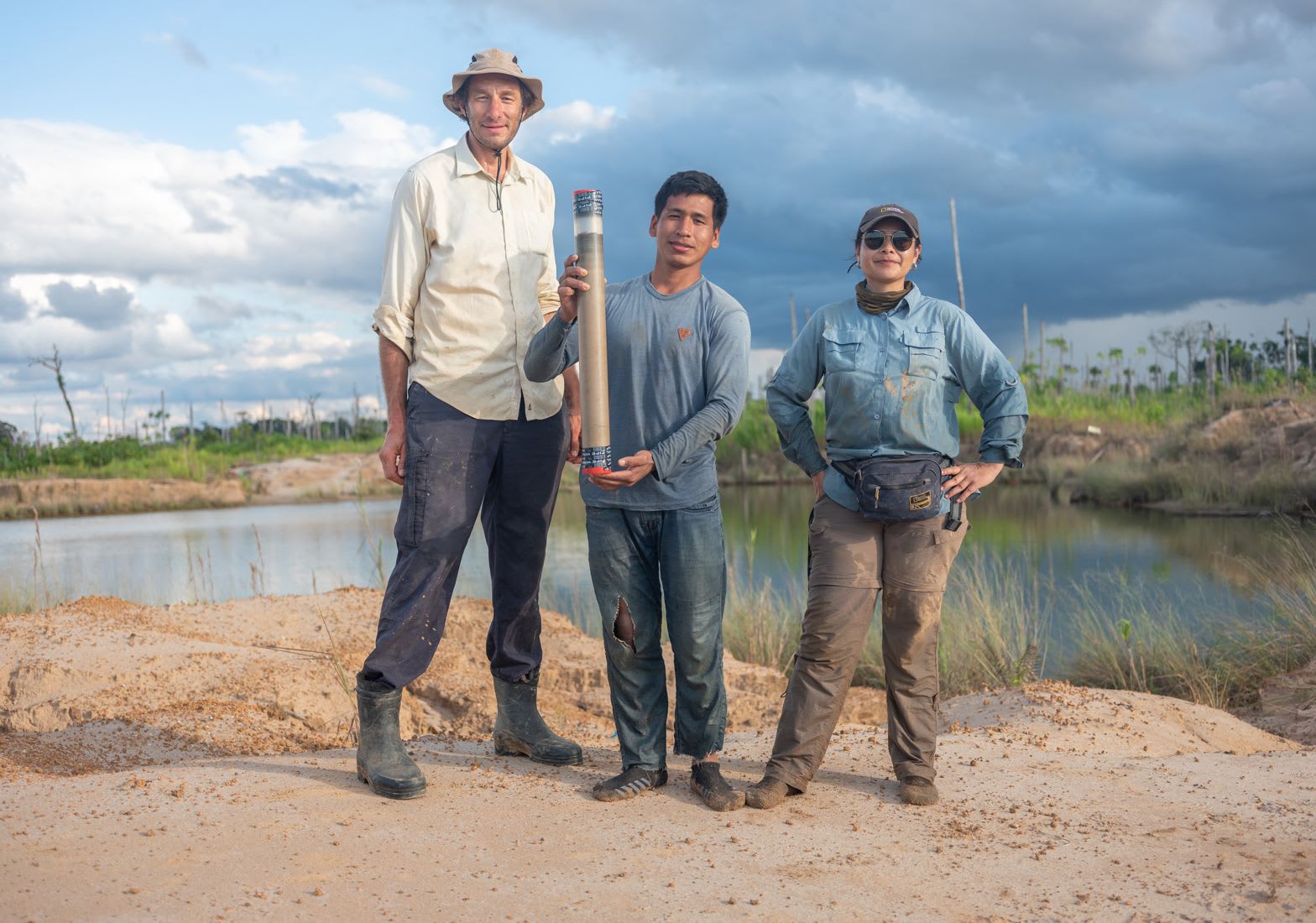
National Geographic Explorers Hinsby Cadillo-Quiroz, Jennifer Angel-Amaya and Josh West have embarked on a multi-year expedition to the Madre de Dios region of the Peruvian Amazon to understand the impacts of human activity. This ambitious investigation aims to gain “a complete picture of the chemical processes” that are happening in this region, Angel-Amaya says.
The undertaking forms part of the Rolex and National Geographic Perpetual Planet Amazon Expedition, through which seven teams of researchers with a wide spectrum of scientific expertise work to tell the story of the wildlife, people and ecosystems that make up this unique and biodiverse region.
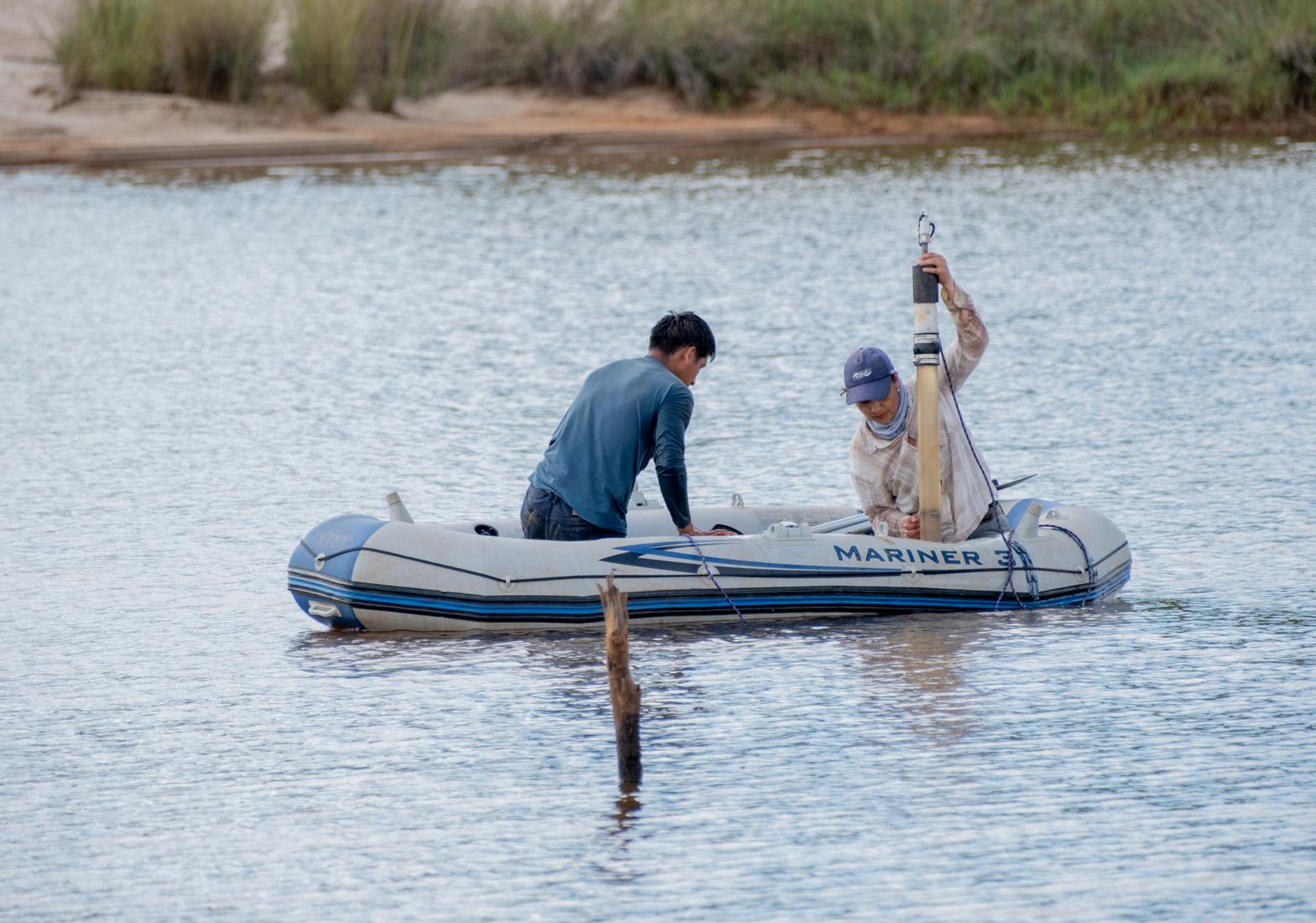
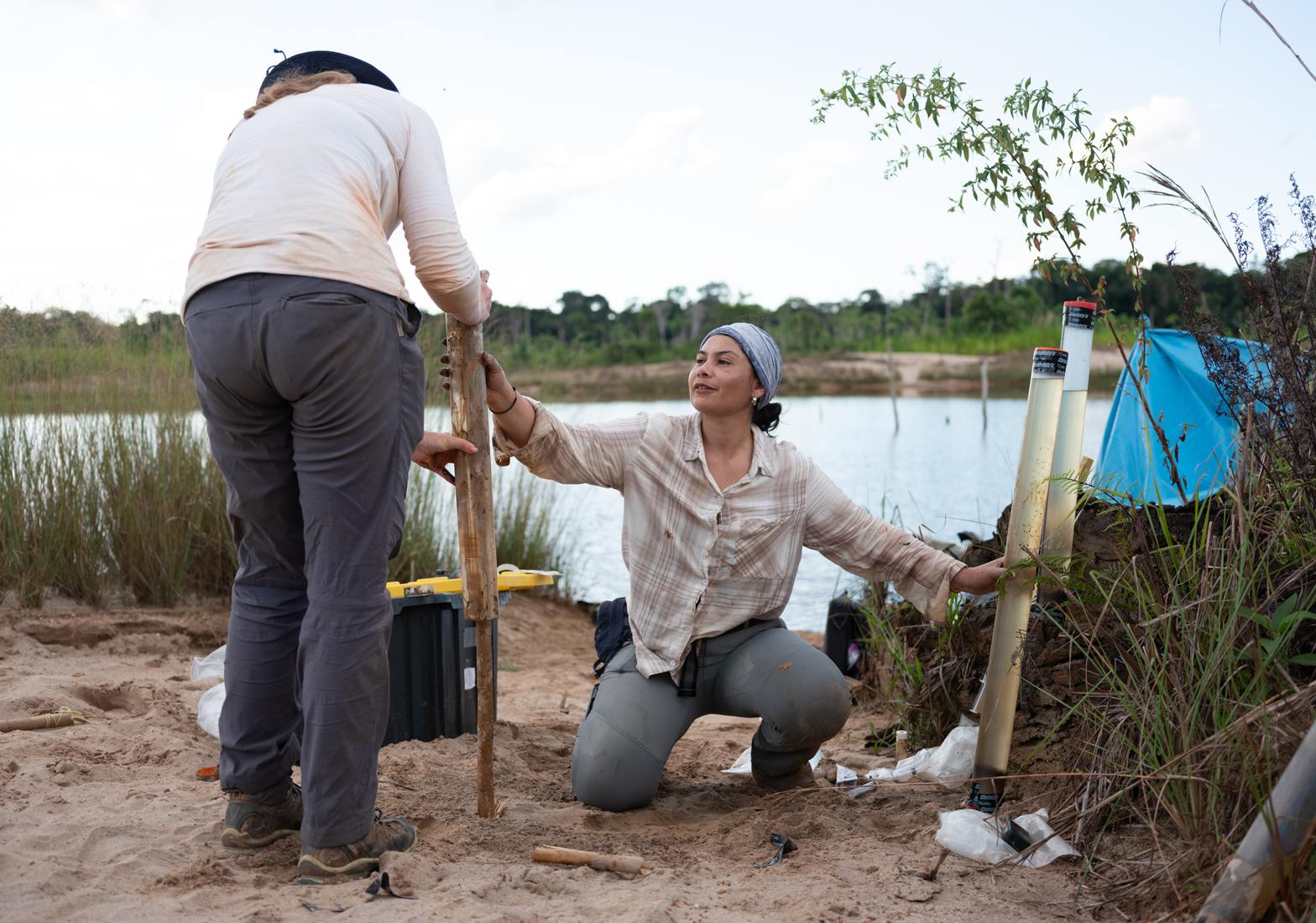
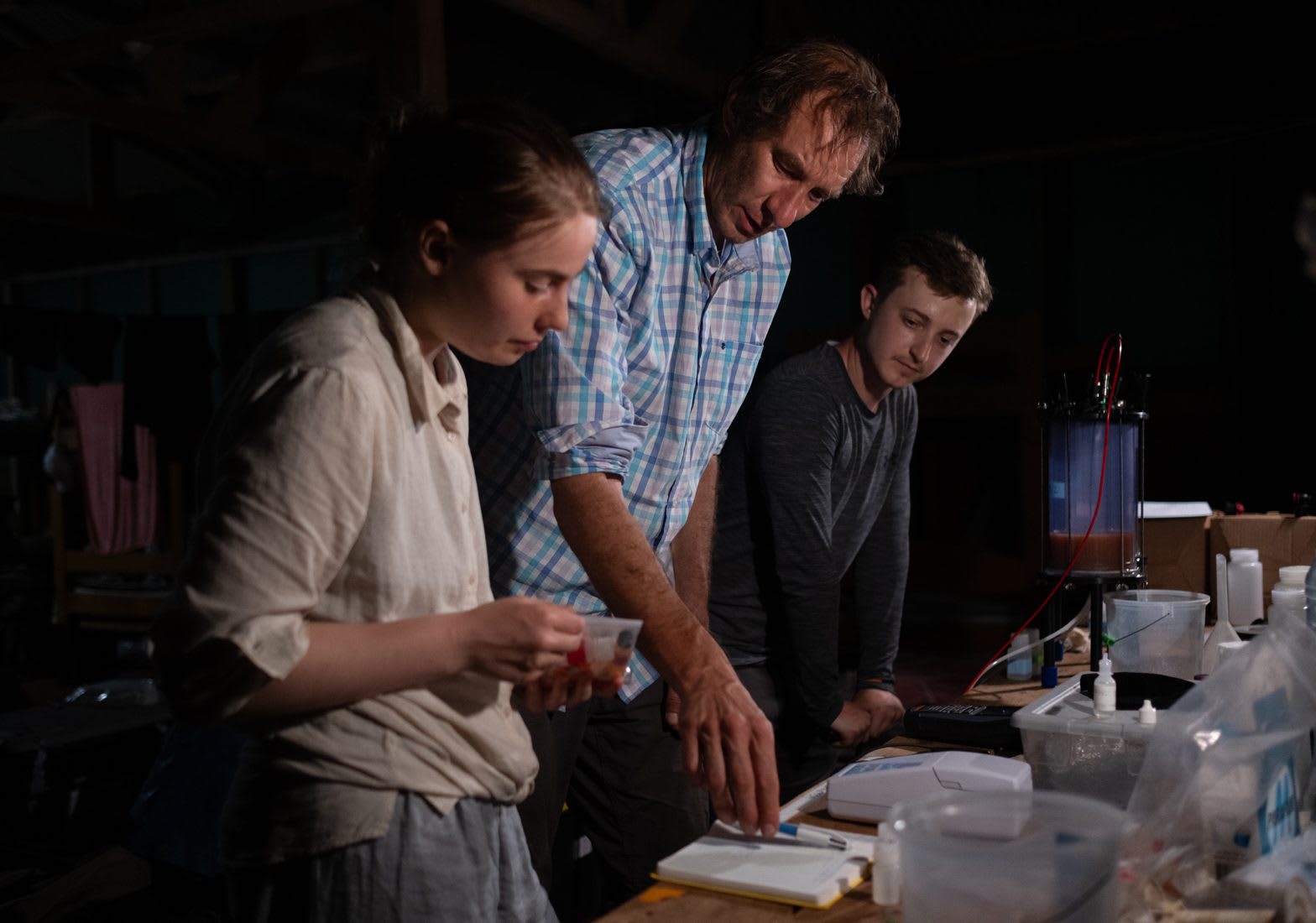
Cadillo-Quiroz, Angel-Amaya and West are working with local researchers to form a complete understanding of the study area, from the microbes in the soil to the physical transformation of the landscape.

Cadillo-Quiroz, Angel-Amaya and West are working with local researchers to form a complete understanding of the study area, from the microbes in the soil to the physical transformation of the landscape.
Invisible damage
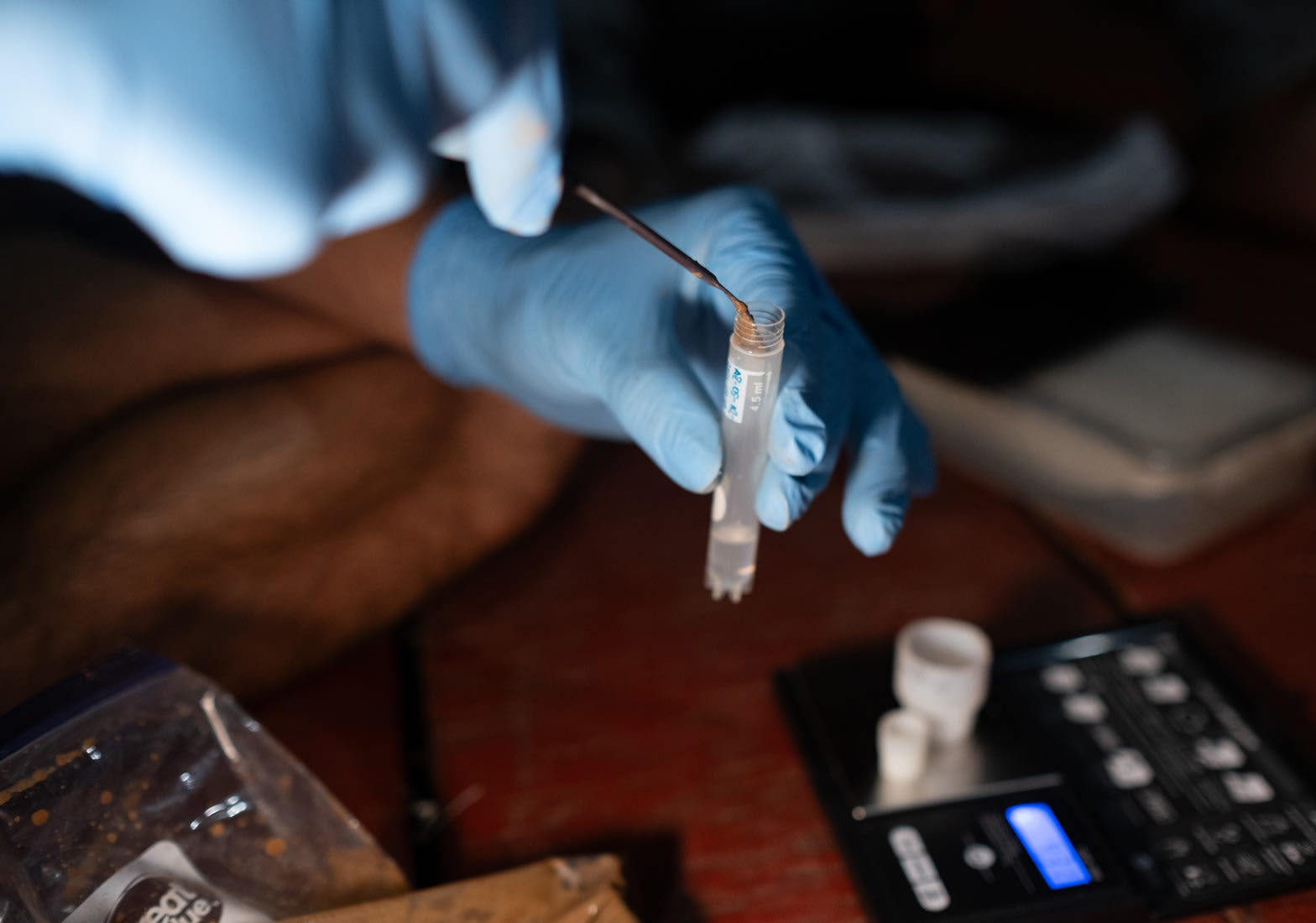
Microbes play crucial roles in ecosystems, recycling nutrients, removing toxins and capturing greenhouse gases. To understand how human activity is impacting microbial processes, Cadillo-Quiroz is using DNA sequencing and measuring greenhouse gas emissions from the soil. He has found that chemical pollution caused by anthropogenic activity is altering the behaviour of microbes in the soil, causing them to release carbon dioxide and methane — both powerful greenhouse gases. His work aims to “reveal the invisible actions of the microbes” that are relevant for people’s livelihoods, their health and the health of the Amazon.
Human activity in the Amazon leads to deforestation, polluted water systems and degraded soil. “It has completely transformed the environment of the Amazon rainforest,” according to West.
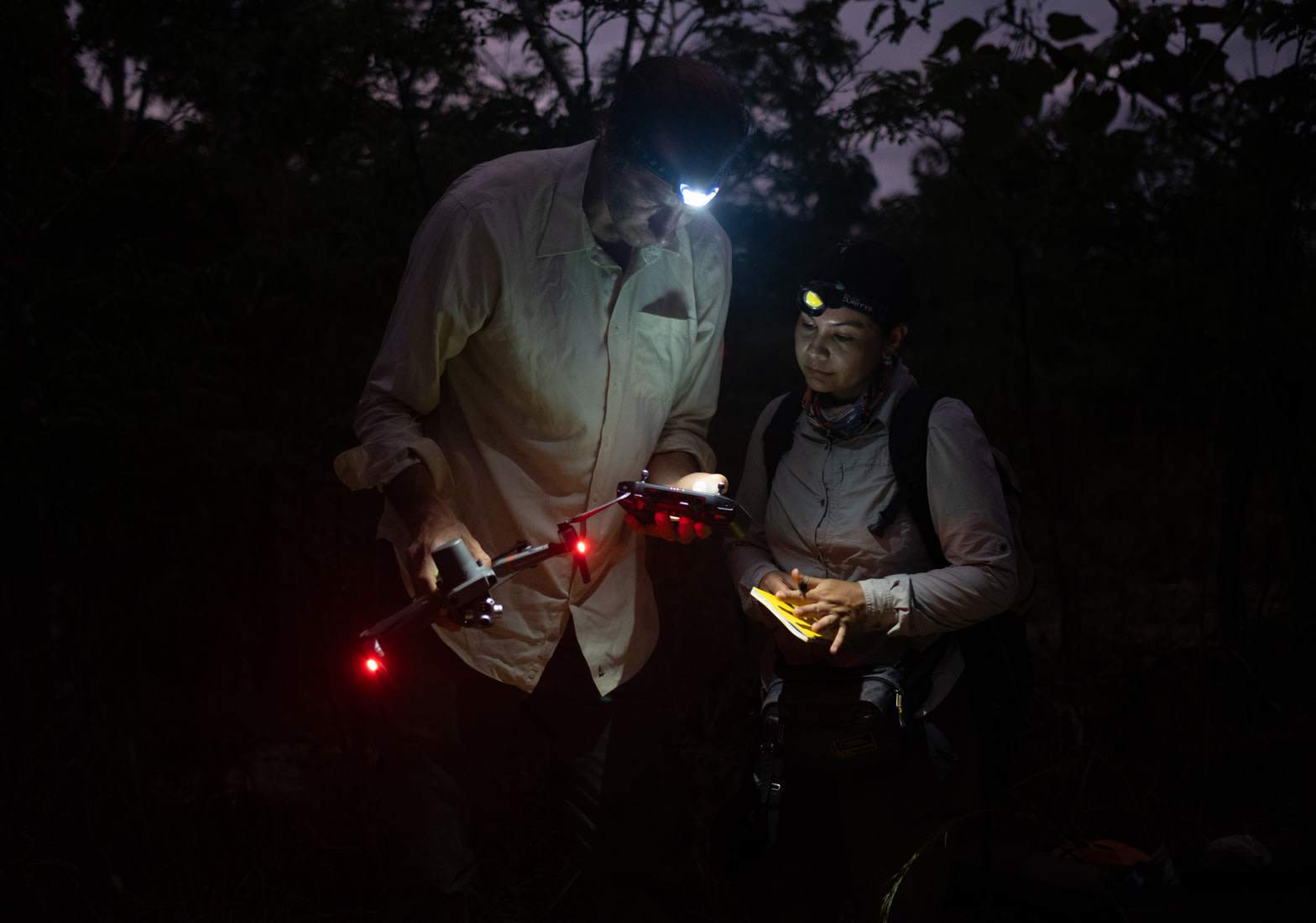
As a geomorphologist, West uses his expertise to understand how the forest has been impacted on the landscape scale. Employing a mixture of techniques, from drone surveys to computer modelling, he hopes to determine how deforestation and other human activity has altered the movement of water through the environment, and what the future might hold for these altered habitats.

Novel restoration approaches
The expedition has revealed that traditional reforestation efforts are slow to recycle pollutants from the ecosystem, and replanted trees struggle to thrive because the soils have been so dramatically altered. Instead, Cadillo-Quiroz believes that planting wetland trees like palms could help these sites to recover more quickly. Rather than trying to replace the habitat that was lost, “the solution is something adapted to this new landscape”.

Palms like the aguaje can cope with the sandy, water-logged soils left behind by human activities, and could potentially take up pollutants from the soil, helping to repair the ecosystem. They also provide locals with fruit as an alternative source of income. “The success of any of these solutions depends on the people that live there, that they embrace them,” explains Cadillo-Quiroz. The team is currently running a pilot experiment to test this innovative approach to restoration, in the hope to scale up the model in the coming years.
The success of any of these solutions depends on the people that live there, that they embrace them.

Despite the degradation, the team has been struck by the resilience of the natural world as it continues to find evidence of wildlife reclaiming the forest, from jaguar footprints around deforested sites to turtles taking up residence in abandoned ponds. “Life perseveres against adversity, and that does give you a sense of hope,” West says. With support from the Perpetual Planet Initiative, the scientists will gather vital data to aid restoration efforts, so that these ecosystems can adapt to changes brought by human activity and thrive long into the future.