Shortcuts

Reviving India’s blighted lakes
Published in
In the face of rampant urbanization and the severe consequences of climate change, Indian environmentalist Arun Krishnamurthy has mobilized the public, including scores of young volunteers, to help clean, restore and rehabilitate his country’s lakes.
All videos
2022
Reviving India’s blighted lakes
2012
Clean vision for India


Arun Krishnamurthy likes to describe himself as “164 lakes old”. In rapidly urbanizing India, where dirty and dying lakes and ponds are increasingly common, the conservationist has made rejuvenation of waterbodies and the overall environment his life’s purpose.
The Environmentalist Foundation of India (EFI), a Chennai-headquartered NGO that Krishnamurthy founded over a decade ago, now restores lakes and ponds in 15 of the country’s 28 states, primarily with the support of volunteers. What started as weekend voluntary work is now the fulcrum of his life.
What prompted a young microbiologist to give up a promising career at Google and make restoration of lakes his mission? The answer lies in the amalgam of the inspiring sights, sounds and stories of his childhood. As a boy, he was deeply attached to the lakes and ponds of suburban Chennai where he grew up and still lives.

“My childhood memory is of a pond next to my house and the beautiful rainfall of Chennai. [Seeing] the pond, which was so close to my heart, transforming into an urban dump was something I couldn’t take.”
He is also inspired by Dr Jane Goodall, the primatologist known for her groundbreaking work protecting chimpanzees. His interactions with her, harking back to when he volunteered with the Roots & Shoots network, are forever engrained in his mind.
Krishnamurthy founded the EFI in 2007 after realizing there were many others who felt as passionately as he did about the degradation of waterbodies. All of these enthusiasts were eagerly waiting for that “one platform” through which they could come together to protect and revive these lakes and ponds.

Five years later, in 2012, Krishnamurthy received a Rolex Award for Enterprise for his project to restore polluted Lake Kilkattalai in Chennai. He says he was fortunate to get the Award at a crucial juncture, in his mid-20s. The Rolex Awards, he explains, are not about recognizing what you have done, they are a “booster for what you want to do more”. The Award also meant he became part of the Laureates network, and with that came the confidence to dream big, from one lake to currently 164.
Big dreams have also meant tough challenges, including new ones. A decade ago, Krishnamurthy was confronted with issues such as man-made encroachment on nature and people tossing garbage into lakes. Fast-forward to the present day and the challenges are dramatically different. The main one is climate change, and its severe impact on his immediate neighbourhood and other parts of India.
In 2015, Chennai experienced one of the worst floods in its history. Then, in 2018−2019, a severe drought ravaged the city. Erratic and extreme weather induced by climate change is now much more frequent, resulting in people losing working days and even property.
My childhood memory is of a pond next to my house and the beautiful rainfall of Chennai. [Seeing] the pond transforming into an urban dump was something I couldn’t take.
This has led to a change in the way that environmentalists like Krishnamurthy chalk up their priorities. Even an announcement of rain triggers worries about the direction from which the water may gush in and the potential impact on property.
“Protecting waterbodies is critically important to prevent any climate catastrophe in the form of a flood or drought,” he warns. “That is the biggest challenge now.”
But the years have not deterred Krishnamurthy’s passion. The EFI has adapted to new realities and come up with fresh strategies to attract more young volunteers and increase public participation. He believes that to do good is not just about throwing money at problems but making participation more meaningful and more fun.

He has realized that just inviting people to come and clean lakes will not work for long. Eventually they get bored. What is needed is a menu of activities and the EFI is offering a plethora of options for public participation.
One of the first attempts at giving people new ways of engaging was the ‘Lake Safari’, consisting of taking people to lakes, one after another, telling them stories about each body of water, its history and how the EFI has helped clean and restore it. Then came ’Cyclakes’ that involved people cycling to lakes and tracing water channels. This was followed by ‘Wall-E’ through which EFI volunteers take over public walls and decorate them with information about local ecology – the birds, snakes, frogs. In short, it is about making environmentalism exciting as well as worthy.
“We are trying to make the planet as exciting as politics, as movies, or as anything that at present a human being gets excited about.”
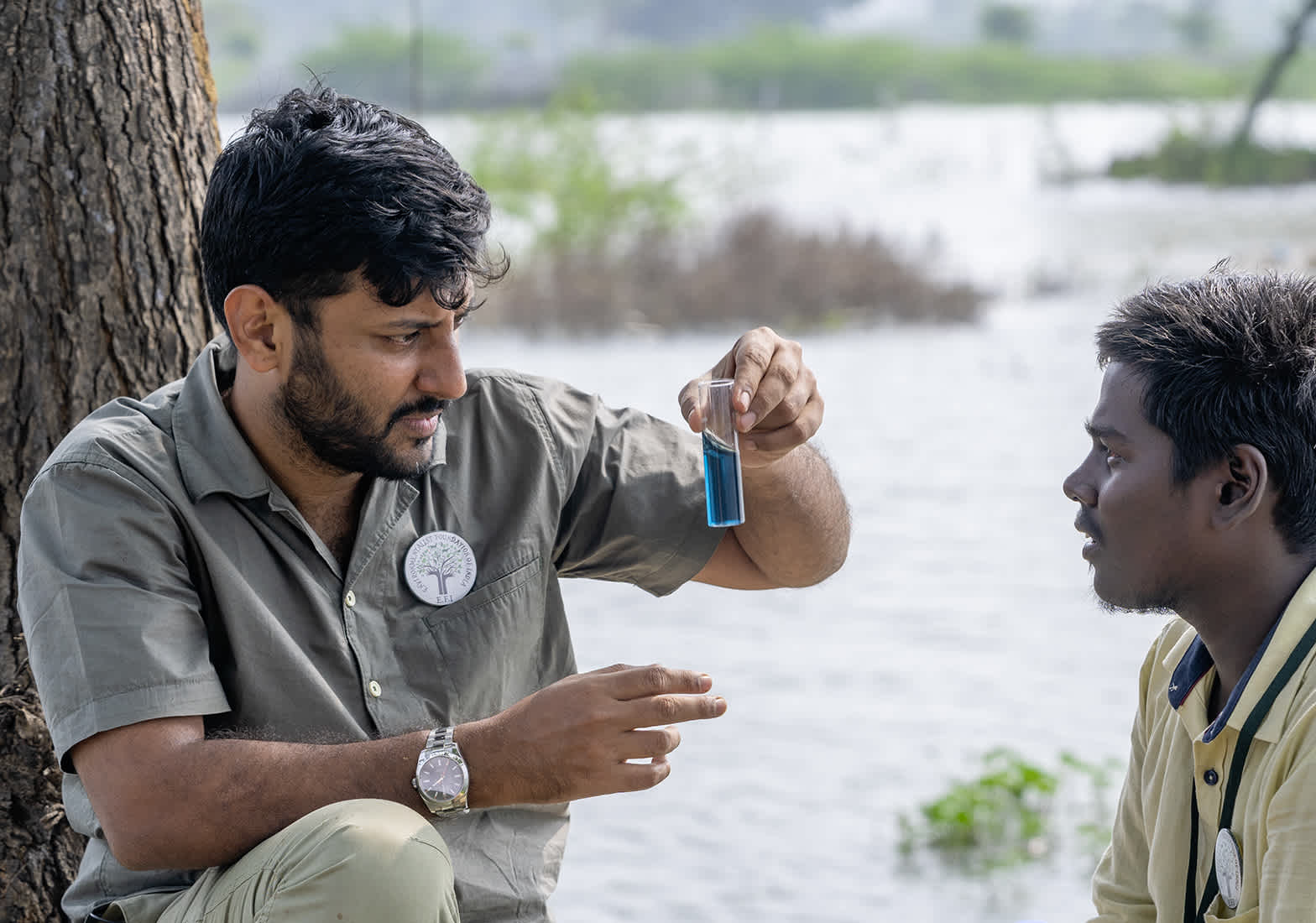
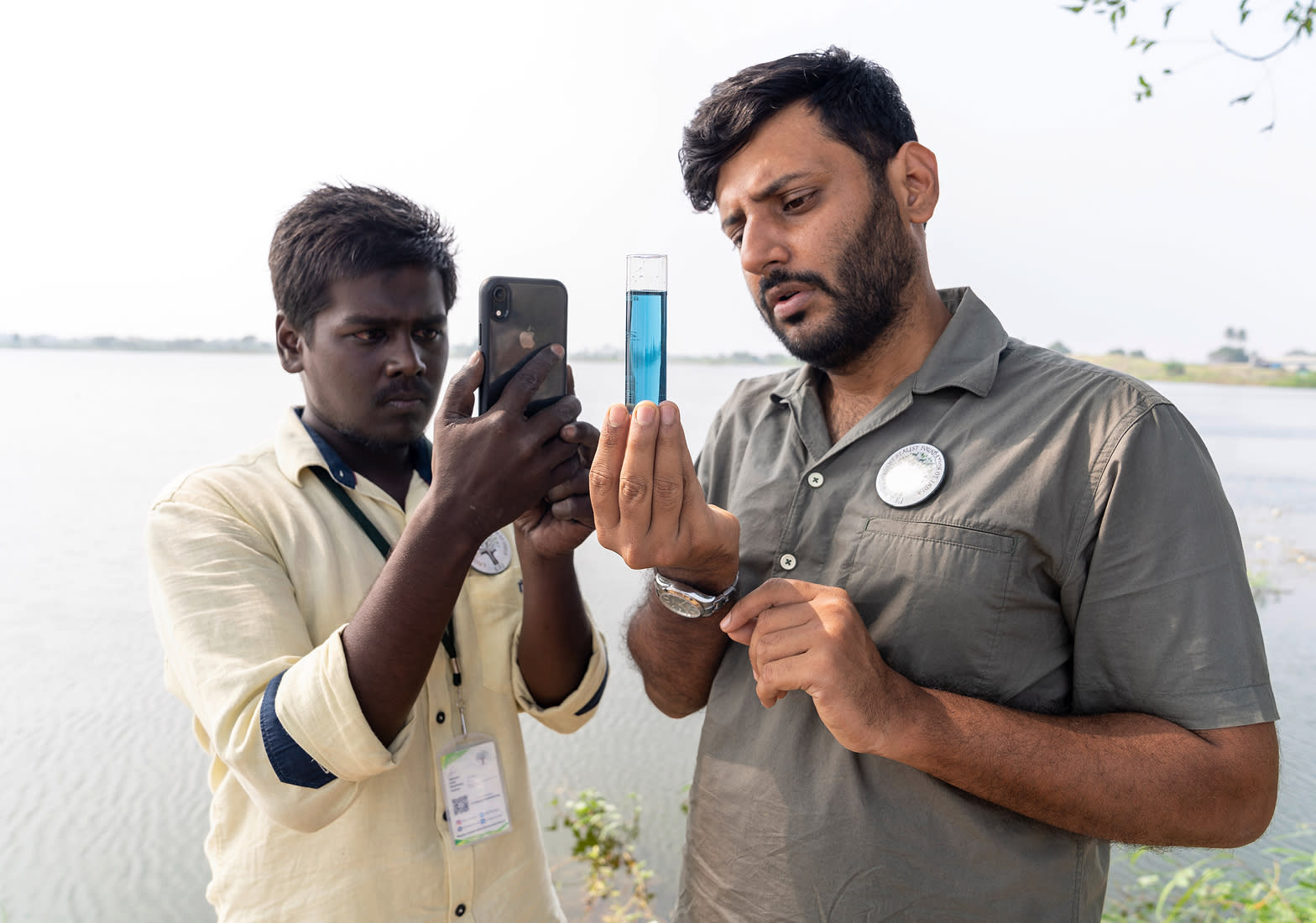
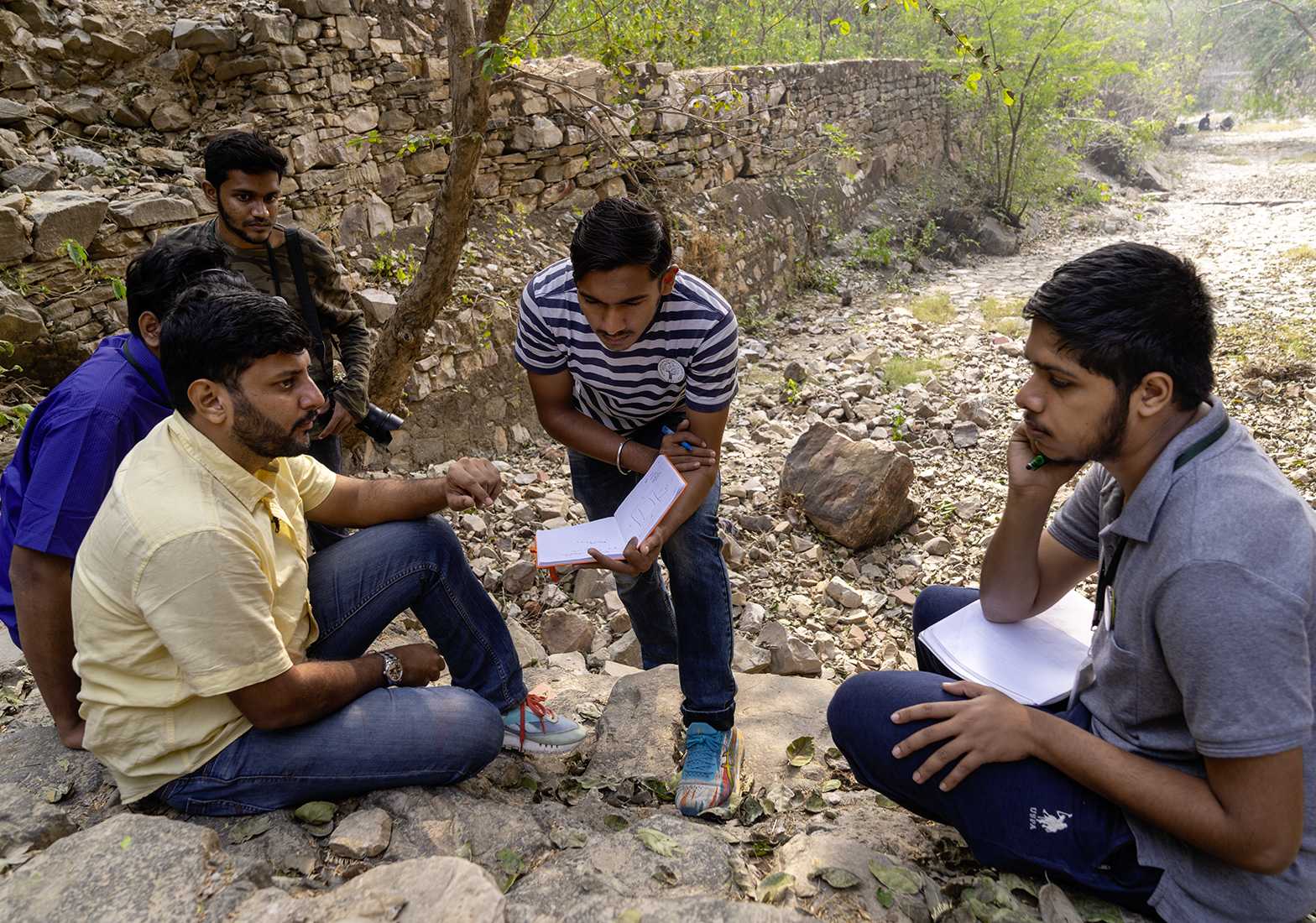
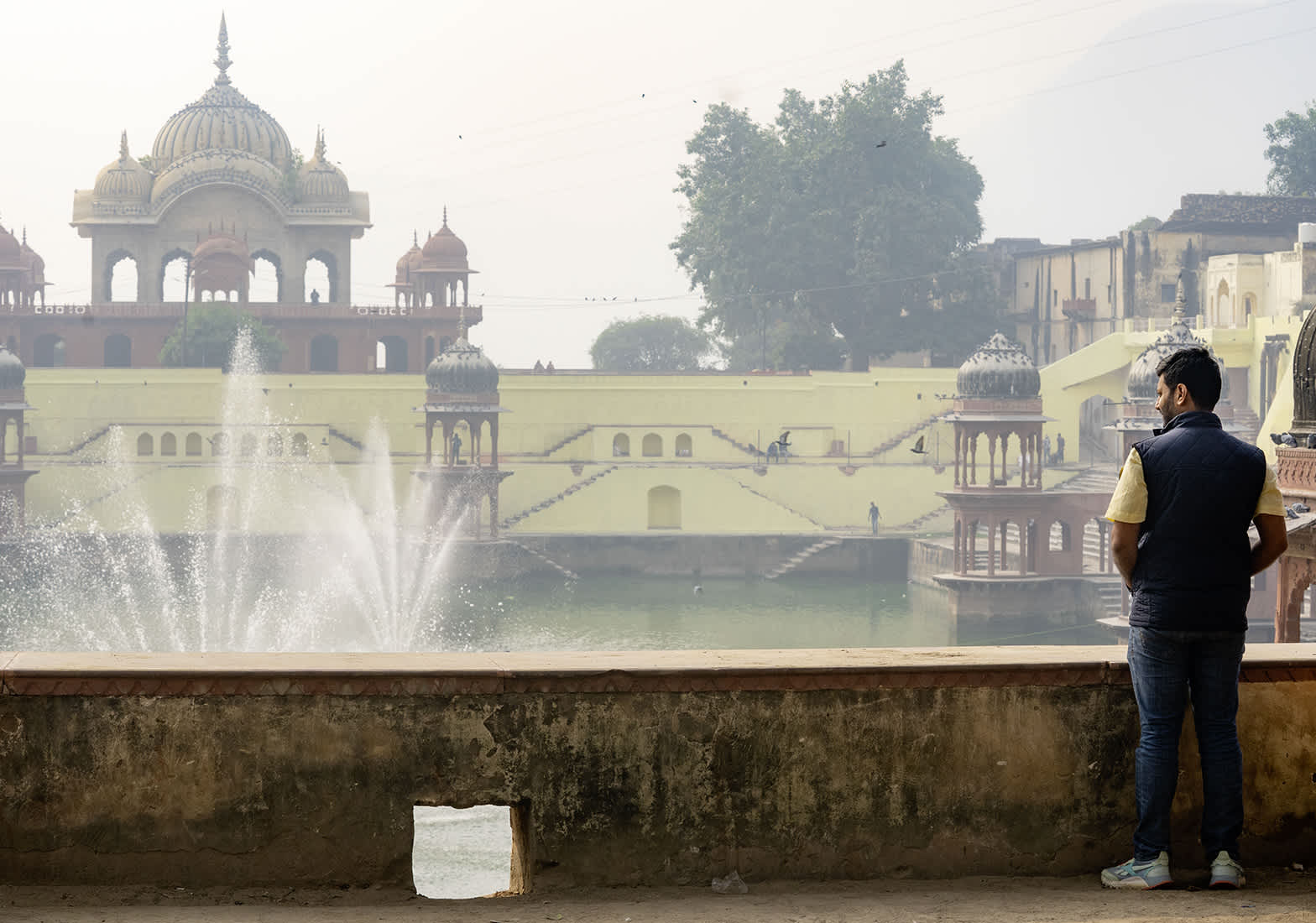
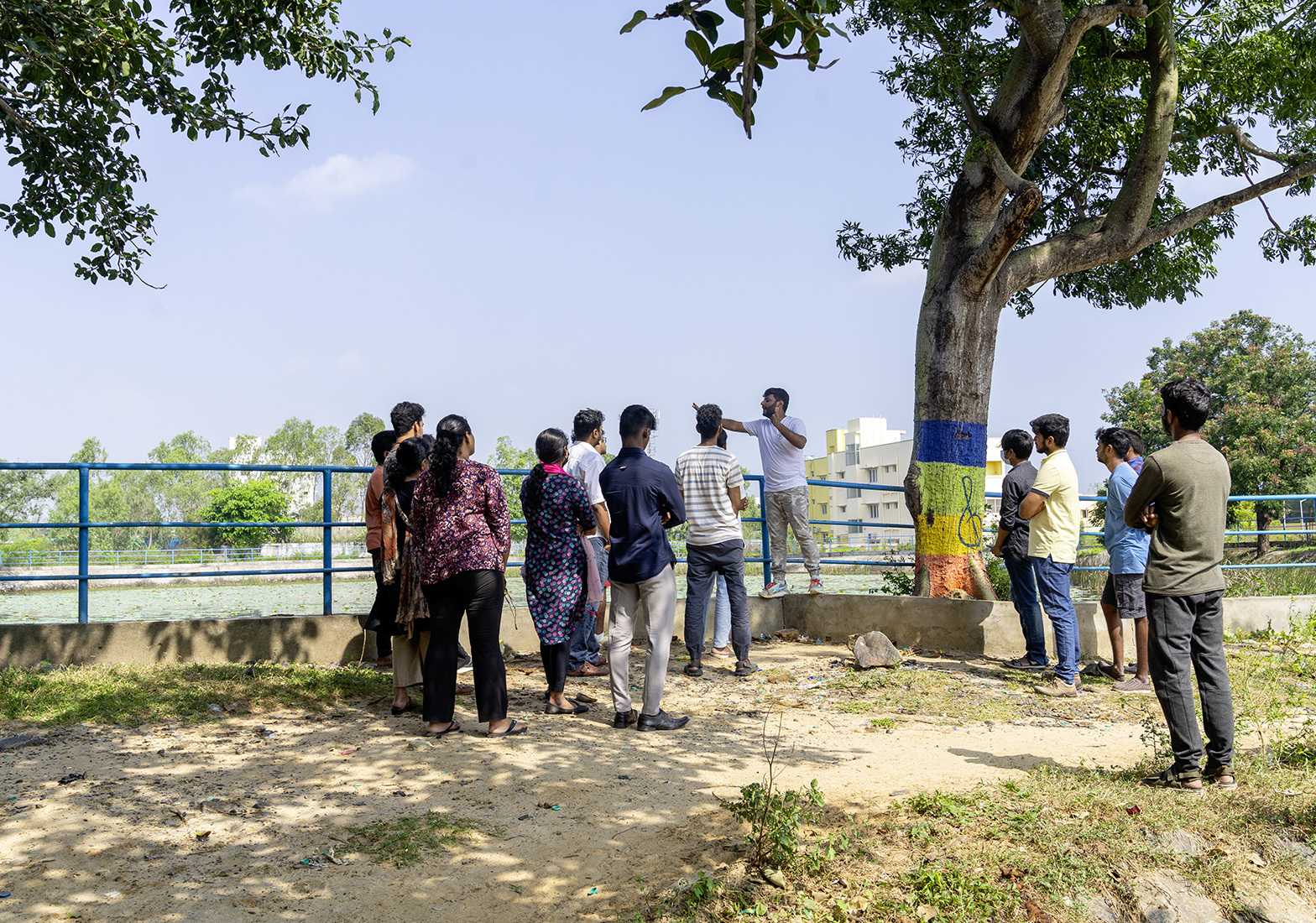
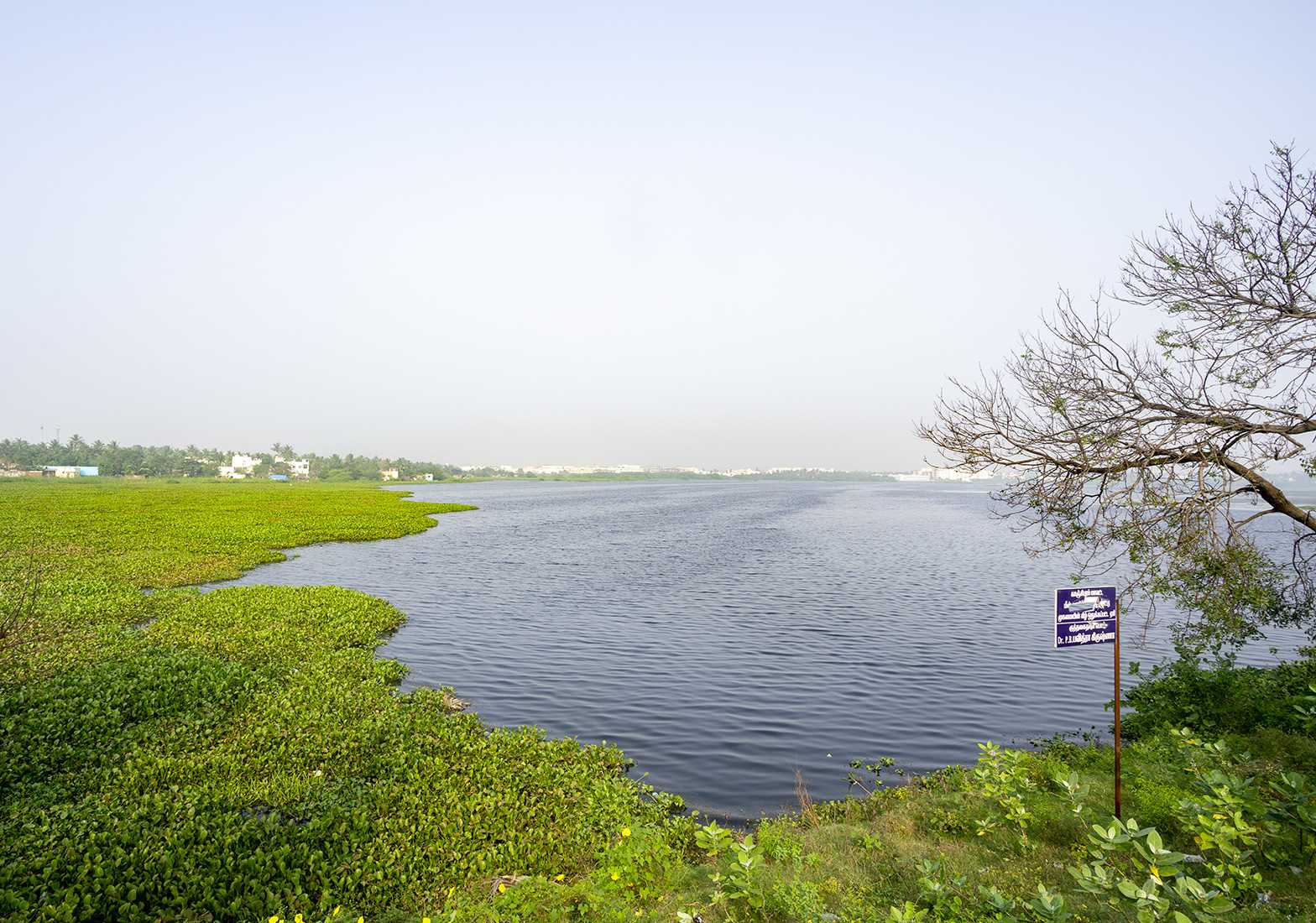
He compares restoring lakes to being a doctor in an intensive care unit: “We are running a hospital and lakes are our patients.” There can be a lake that needs immediate care, constant care, as a patient in an ICU, and there can be another lake or a pond that needs basic care and can be left aside for 10 years. But, after 10 years, it is important to go back and check how that lake is.
The EFI’s objective though is about so much more than protecting lakes. It is about cleaning, restoring and rehabilitating them. That is why, Krishnamurthy stresses, it is critical to continue to track a waterbody after it has been cleaned up.

Protecting waterbodies is critically important to prevent any climate catastrophe in the form of a flood or drought. That is the biggest challenge now.
A good example of this is the work on a lake called Karasangal in Chennai that the EFI helped restore in 2015. He feels very happy when he goes back even seven years later. It is a completely different place with many more birds, reptiles and trees. The restoration has also improved life for people who live around Karasangal. It demonstrates how citizen participation can revive suburban waterbodies and rejuvenate critical habitats.
So what lies ahead now for this committed environmentalist? There are plans to expand the EFI’s footprint beyond India, starting with Sri Lanka. One thing is sure – whatever happens, he will be committed to preserving our natural world, in keeping with the Rolex Perpetual Planet initiative.