Shortcuts

How a bird saved a forest
Published in
Anita Studer, a Swiss ornithologist who went to Brazil to study its rich array of bird life, has, through sheer determination and dedication, inspired Brazilians to save their forests and changed thousands of lives for the better in what is now her second home.
All videos
2022
How a bird saved a forest
1990
Saving a forest to protect a bird


Enchanted by song birds as a child in Switzerland, Anita Studer devoted herself to ornithology as she entered adult life. Eager to see birds of many colours and varieties, and in search of a subject for her master’s degree, she travelled to Brazil where she focused on the endangered Forbes’s Blackbird (Anumara forbesi), which lives in a remnant of the once-great Atlantic Forest, along Brazil’s northern Atlantic coast. But when she announced her choice of subject to her academic supervisor in France, he pointed out a problem: the blackbird’s habitat was predicted to disappear in 10 years because of deforestation, so she needed to work fast to study the bird before that part of the forest – and the bird – vanished.

Studer went away and came back the next morning. “I’m going to do the opposite,” she declared nervously. “I’m going to save the forest and then I’ll have my whole life to study this bird.”
We have planted eight million trees in Brazil. I didn’t know it was going to take half my life to save this forest.
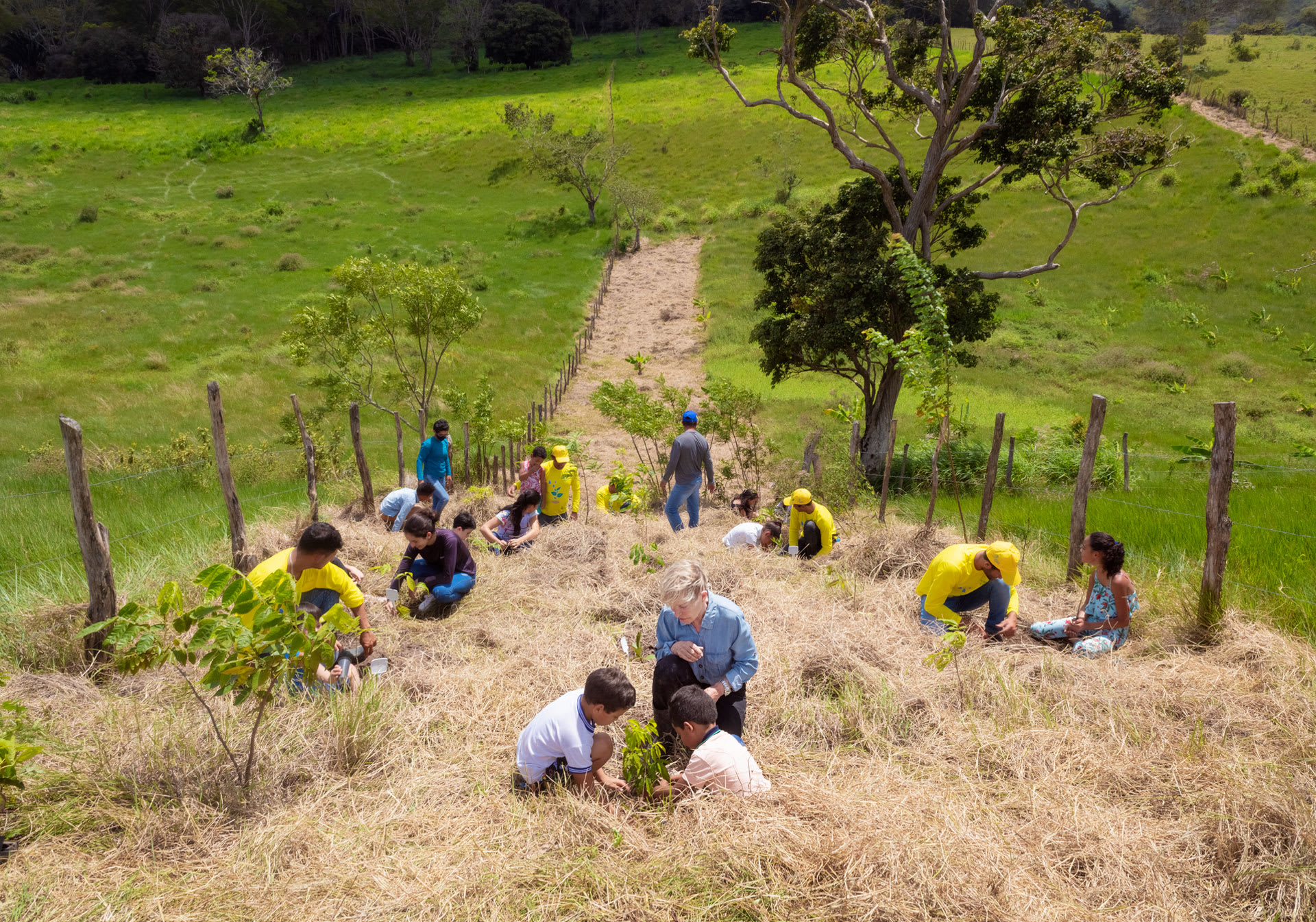
Forty years later, Studer, who shares her life between Switzerland and Brazil, has fulfilled her dream. “We have planted eight million trees in Brazil,” she says, though she adds: “I didn’t know it was going to take half my life to save this forest.”

When Studer began replanting the forest in 1980, there were about 300 birds. Now, she estimates there are 3,000. But the birds and trees are just the tip of the iceberg in the astounding environmental and social movement that Studer has started in the village of Quebrangulo, near Pedra Talhada, the rocky outcrop that is home to the bird’s forest habitat. A recent study by the University of Geneva documents, in 800 pages, the rich botanical and biological biodiversity of this forest – from frogs to mushrooms – which she and the local people have saved. Arguably the most important benefit of Studer’s impressive range of activities is protecting the forest as a means of retaining the most vital of resources, water. Trees retain water, allowing it to seep into the soil and feed 169 springs in the forest.

Winning a Rolex Award for Enterprise in 1990 marked a turning point in Studer’s project. “I know that Rolex receives a lot of applications and they scrutinize everything well. If you win, it gives you recognition. You can’t do anything without money, without resources, and in the eyes of backers and sponsors, having a Rolex Award really marks you out as someone who can be trusted.”
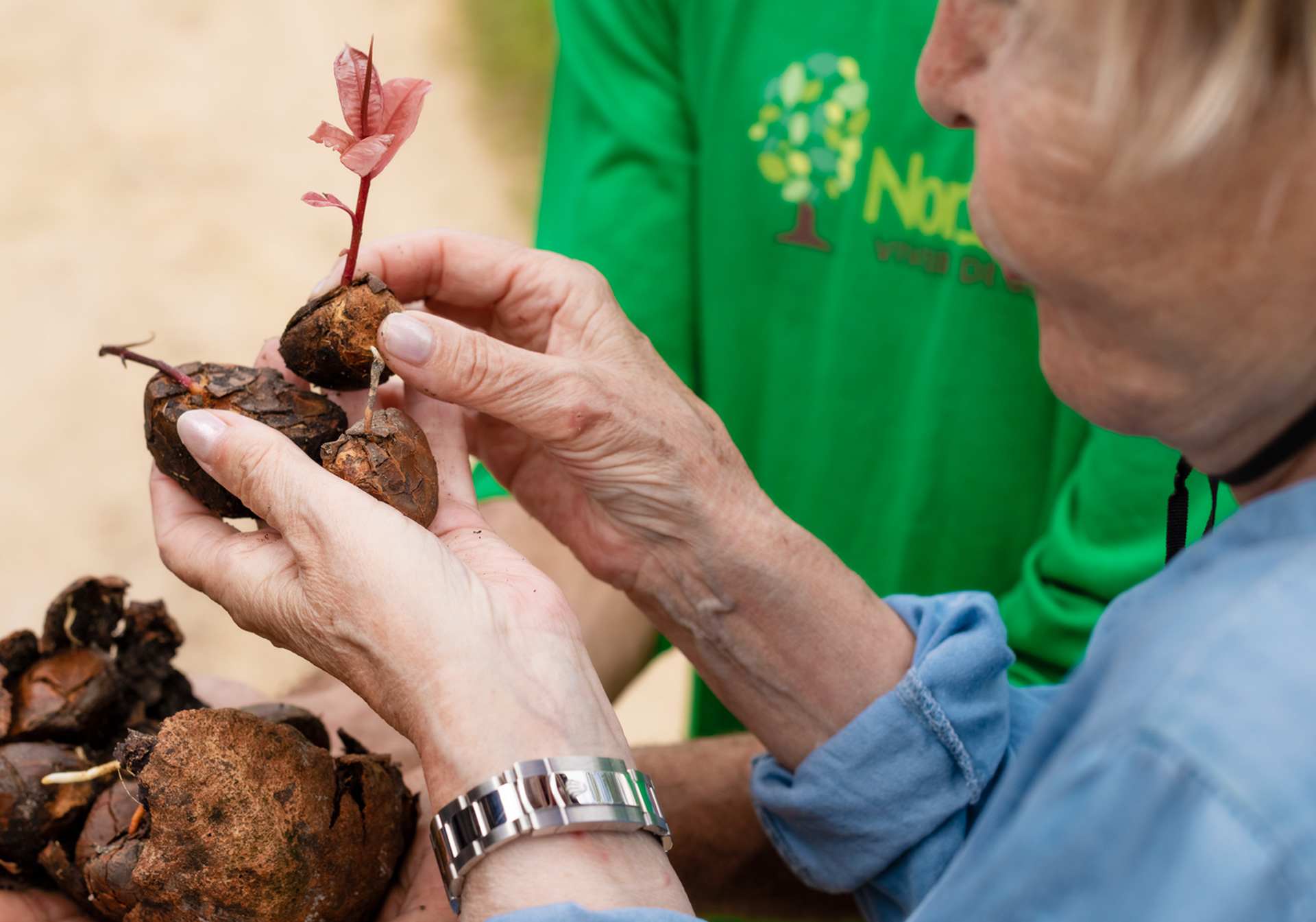
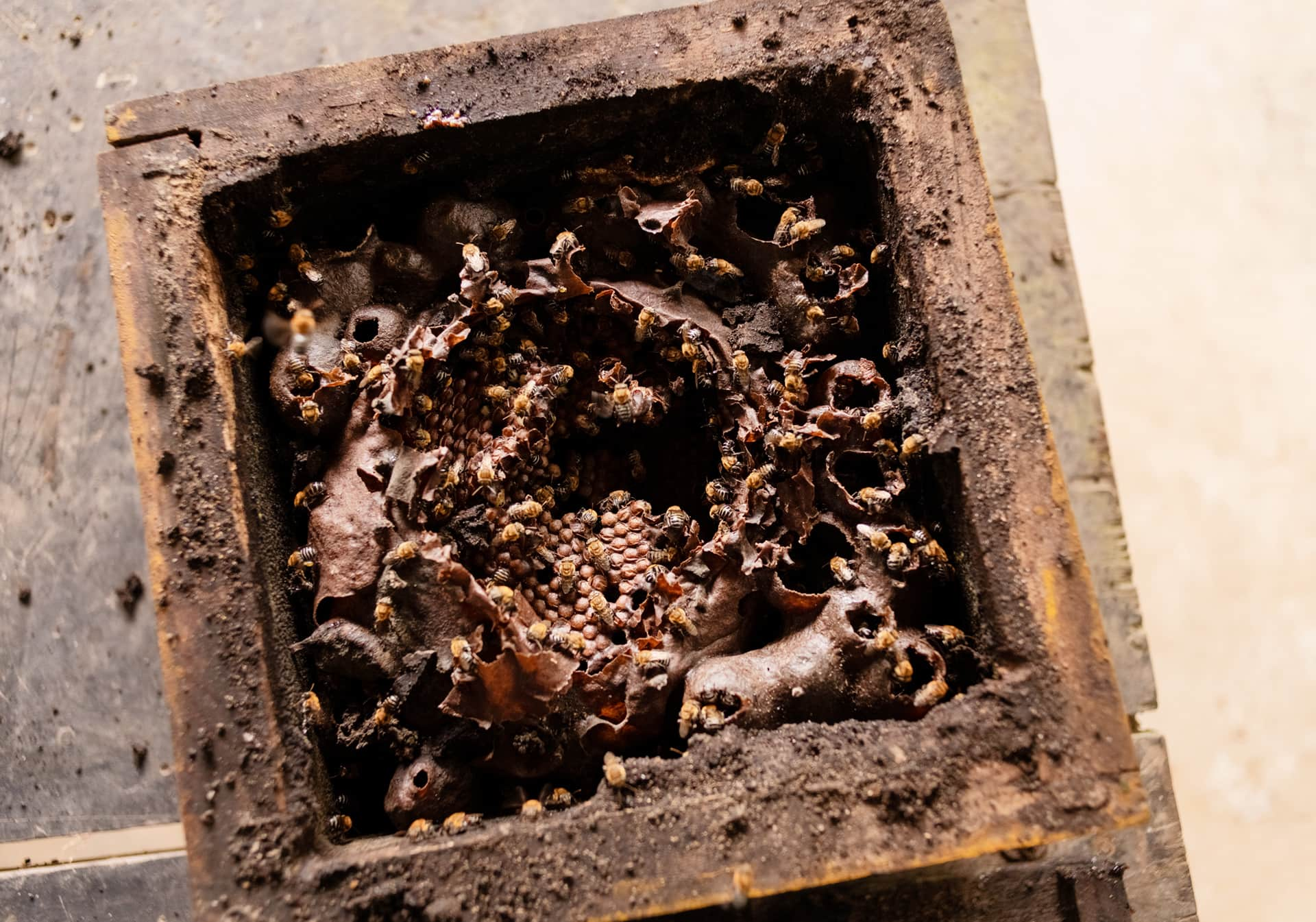
With generous support, mainly from people in Switzerland and France, through the Nordesta Reforestation & Education association, which she founded in Geneva in 1985, Studer has created a variety of programmes. These include activities designed to protect the environment and improve villagers’ lives, such as reforestation, environmental education, bee-keeping, agroforestry, publishing comic books to teach children about the natural world, and constructing schools and studios. Here young people are taught skills for professions ranging from carpenter and electrician to horticulturalist.
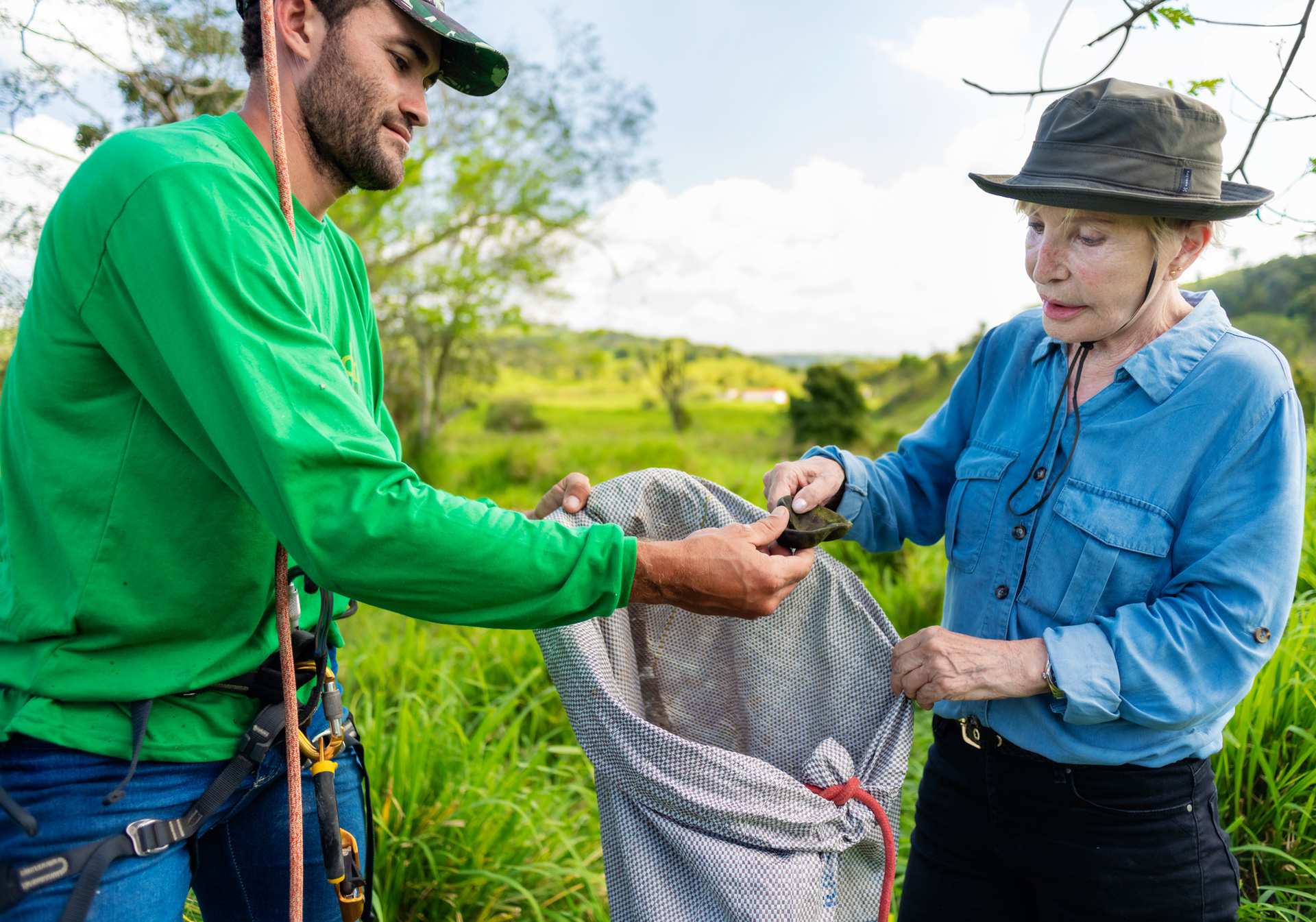
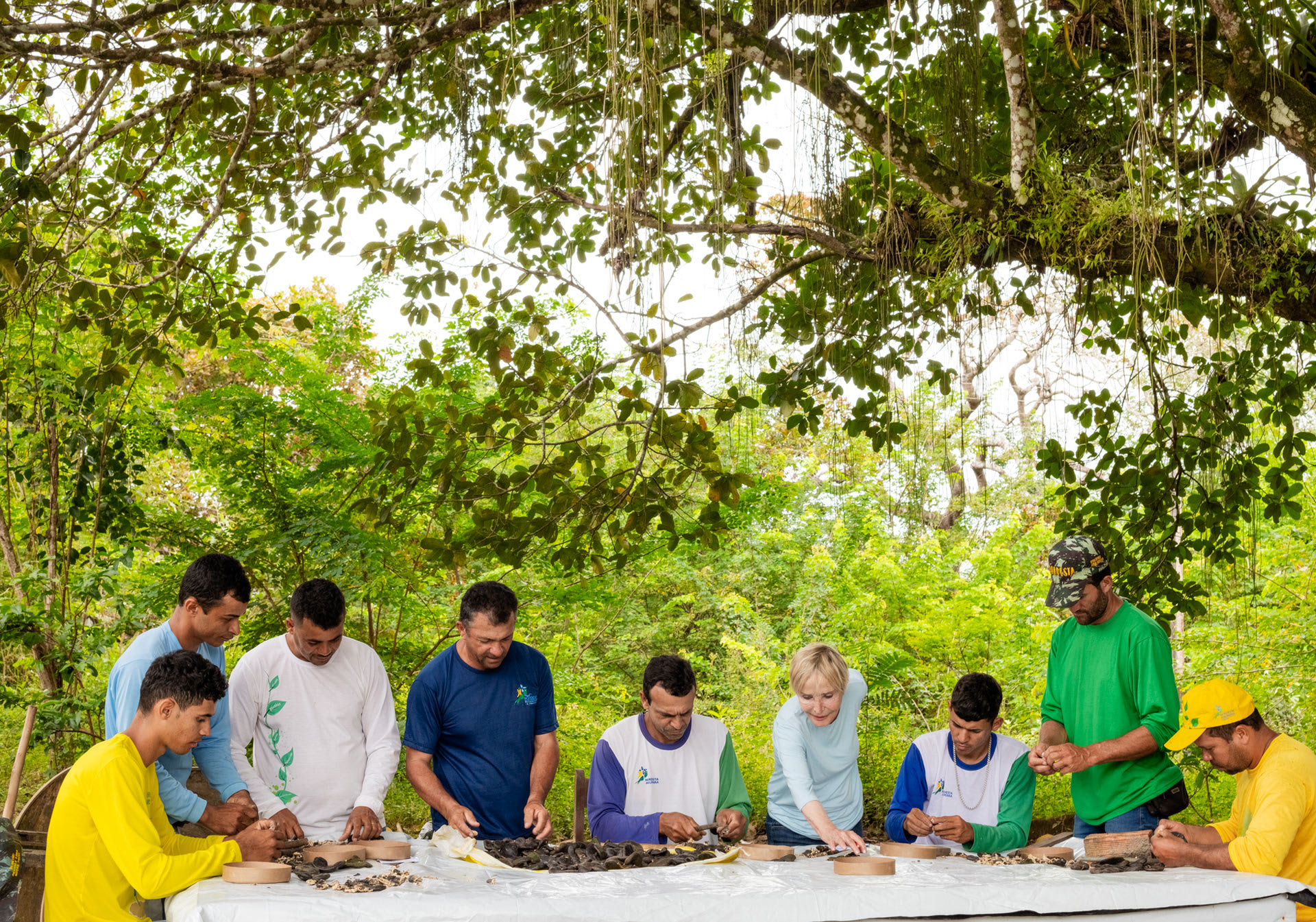
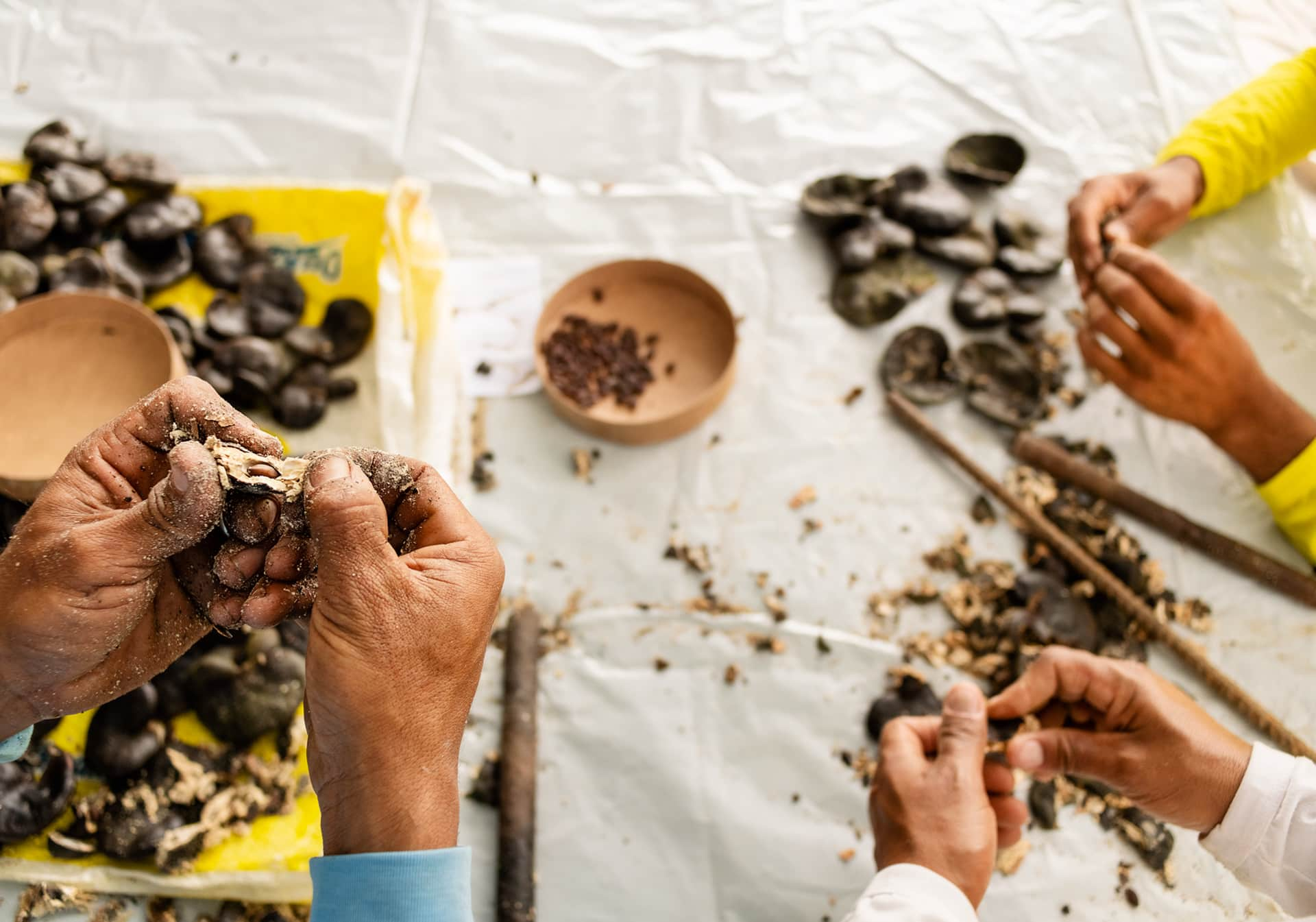

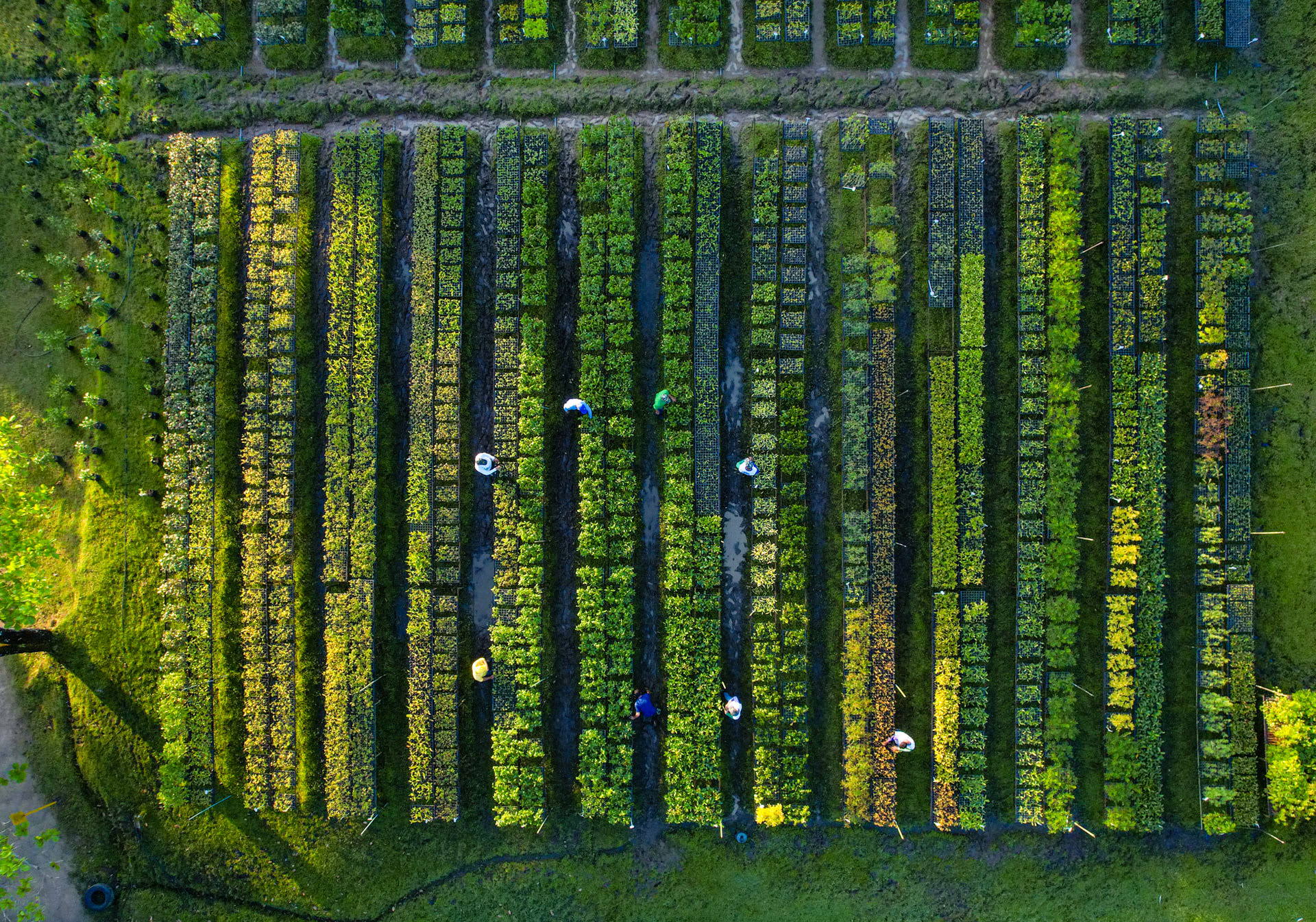
Studer points out that north-eastern Brazil “was once covered with immense forests sheltering fauna and flora of an extraordinary variety”. Now, in certain municipalities, more than 90 per cent of land has been deforested, with disastrous results. To remedy this problem, Nordesta has established tree nurseries. “Our first tree nursery was set up in 1990 and, since then, many others have been created either directly by us or by our Brazilian partners,” Studer says. Communities across the country frequently call on Nordesta’s know-how.

In support of the planting of trees, Studer has engaged in a challenging diplomatic campaign. In the 1980s, freshly arrived from Switzerland and barely able to speak Portuguese, she persuaded the local mayor, who used to go hunting in the Pedra Talhada, to start protecting it instead. From that small but vital success, Studer has gone far. She hired 15 men from the village to plant trees to connect Pedra Talhada to other stretches of forest, crossing the state border. The area was eventually declared an official reserve, recognized by state governments.
We are the symbol of what we can gain by protecting nature.
“We are the symbol of what we can gain by protecting nature. And the villagers too, by dint of planting trees, have become passionate about them, they have become friends of trees.” Persuading local people about the value of the forest has been one of her greatest accomplishments.

She sums her life up as “this trilogy that I still continue: studying birds, publishing scientific articles and at the same time engaging with the local population and especially reforestation”. Studer has made a significant academic contribution to her first love, ornithology, co-writing a book and publishing 15 articles in scholarly journals, with more in the pipeline, mainly about bird life in Brazil.

Her service to the South American country has been recognized by a “Citizen of Honour” award and similar titles presented by its state and municipal authorities, together with the title of Chevalier in the Legion of Honour bestowed by the French government in 2009.
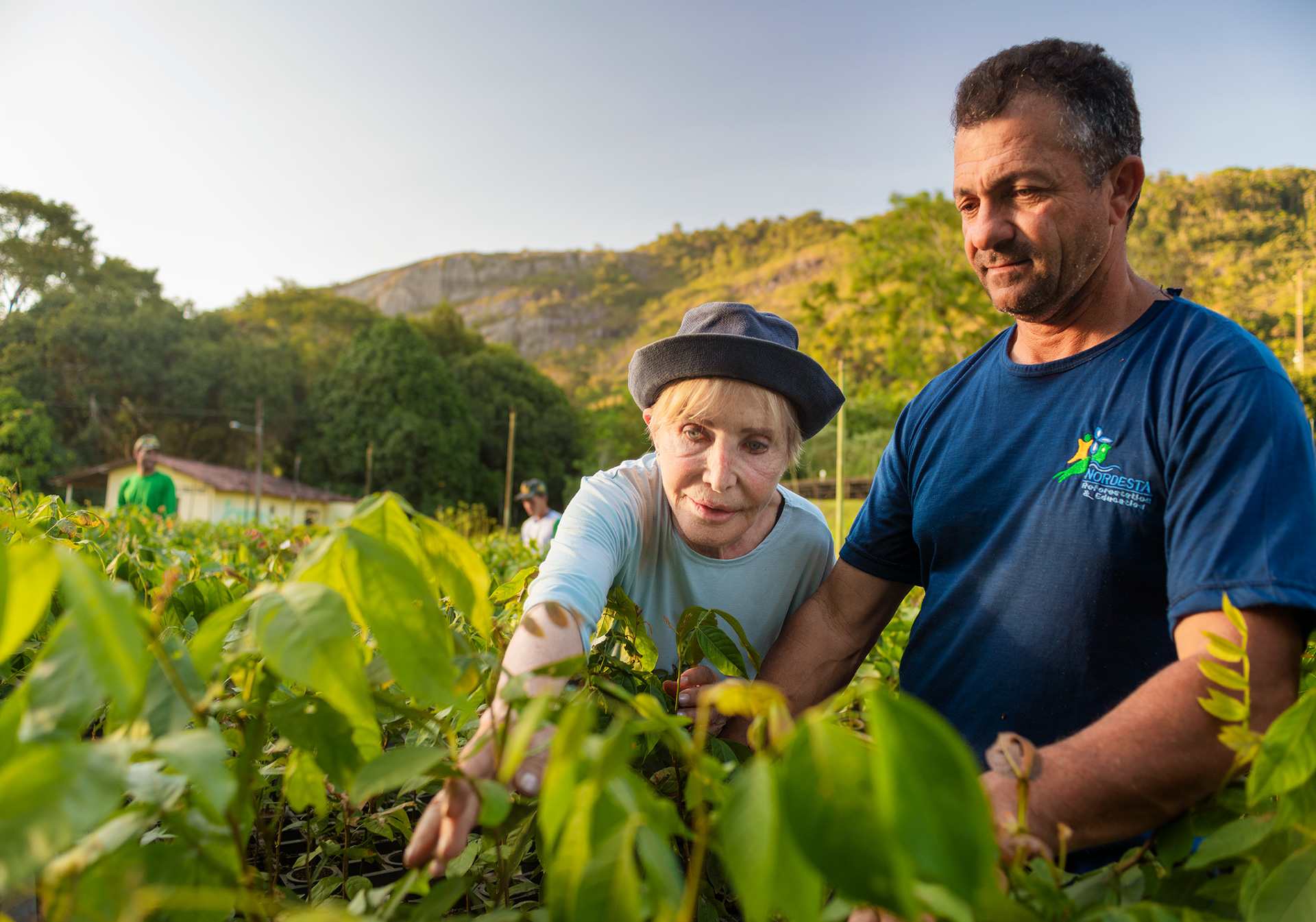
Studer’s work chimes in perfectly with Rolex’s Perpetual Planet initiative, protecting human well-being and the environment. Safeguarding both is her life’s ambition. “All of man’s food comes from nature,” she says. “And if we only take care of the forest and not the population, we won’t succeed. And if we only take care of the population and not the forest, we won’t succeed either, because we’ll have no more water, so they’ll be even poorer because water is life. So that’s why I think Rolex saw that I was a pioneer and why I won the Award.”