Shortcuts

The biologist championing bats
Published in
Mexican biologist Rodrigo Medellín has devoted his life to demonstrating how bats, one of the most universally feared and hated mammals, are, in fact, a boon to humanity and agriculture.
Rodrigo Medellín describes bats as “the most unfairly treated animals on Earth. There are many animals that have a very negative image, from snakes to spiders to scorpions to sharks, people hate them. None of those do more for our everyday well-being than bats. We need to focus on the benefits we get from them.”
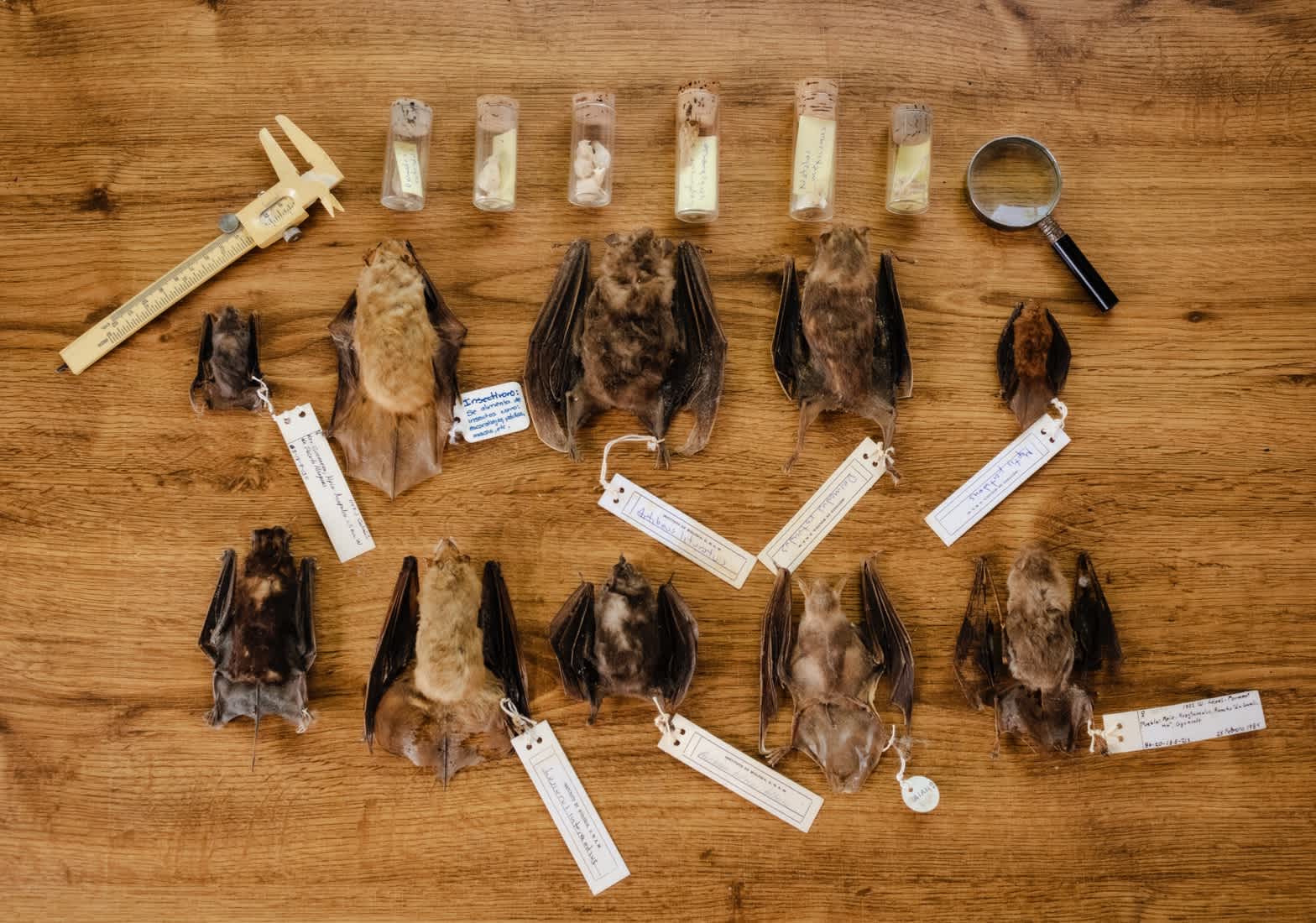
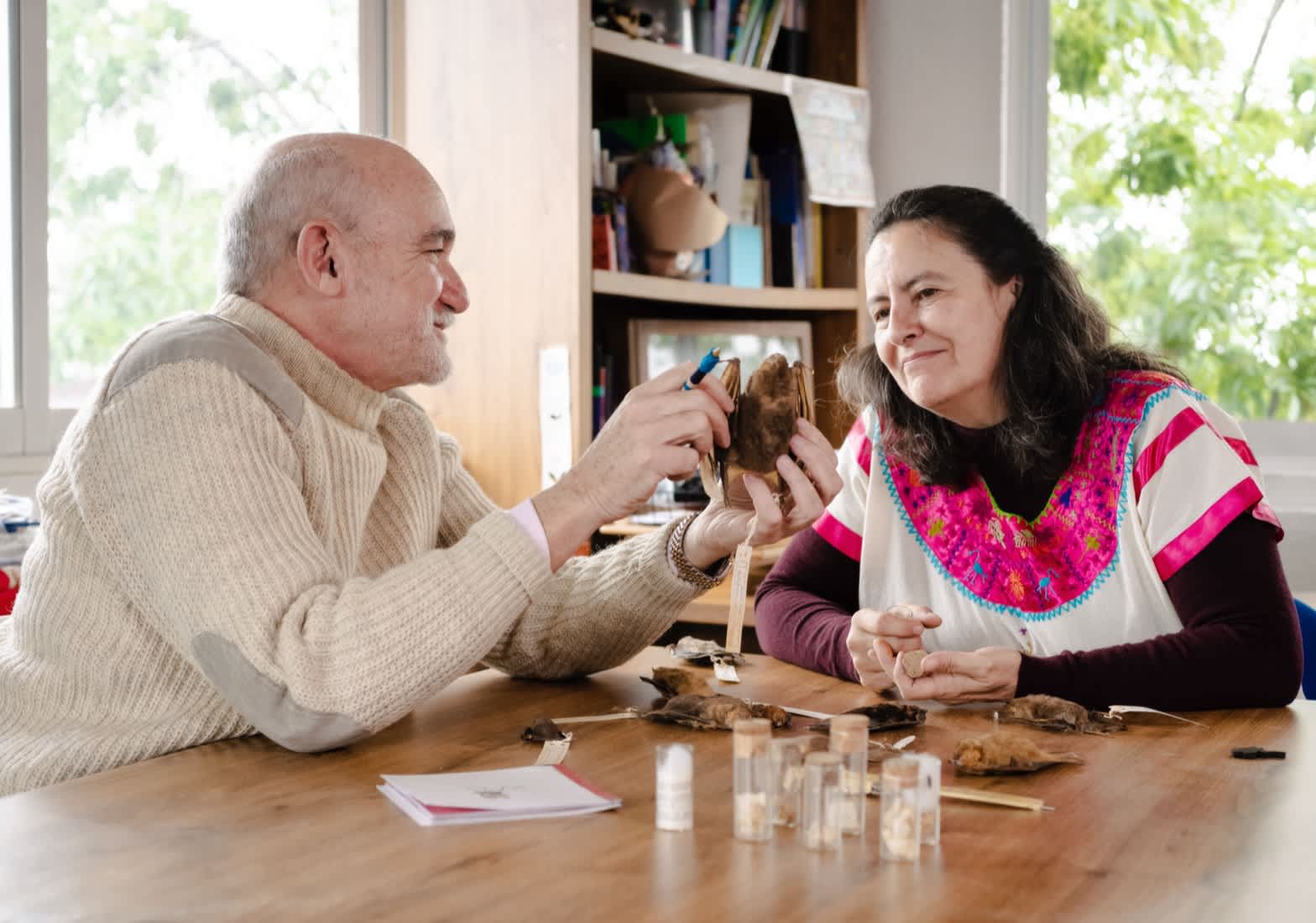
Head of the Programa para la Conservación de los Murciélagos de México (Programme for the Conservation of Bats of Mexico), Medellín has spent the last 40 years researching, teaching and campaigning to protect bats, the only mammals able to fly, and other species in his home country and abroad.
He visited his first cave, the traditional roost for bats, at age 12. A few months beforehand, he had appeared several times on a national TV quiz show, El gran premio de los 64,000 pesos (The 64,000 Peso Contest), with his specialist subject, African mammals. His knowledge was so impressive that Dr Bernardo Villa, Dean of Mexican Mammalogy at the National Autonomous University of Mexico, invited him to take part in a cave expedition. When “one of the professors put my first bat in my hand, that sealed my fate, I never looked back.”

After all this time, Medellín still has a childlike love of bats that, he says, perform many substantial roles without which Earth would be a poorer place. He singles out three: “The first is pest control. Every colony that has a million bats or more destroys at least 10 tonnes of insects a night.” The second function is seed dispersal. Mentioning fruits such as guavas, mangoes, figs and sineguelas (Spanish plum), he says: “We have them because bats have been dispersing the seeds for millions of years. And they’re also promoting the regeneration of the forest by dispersing the seeds over vast areas.

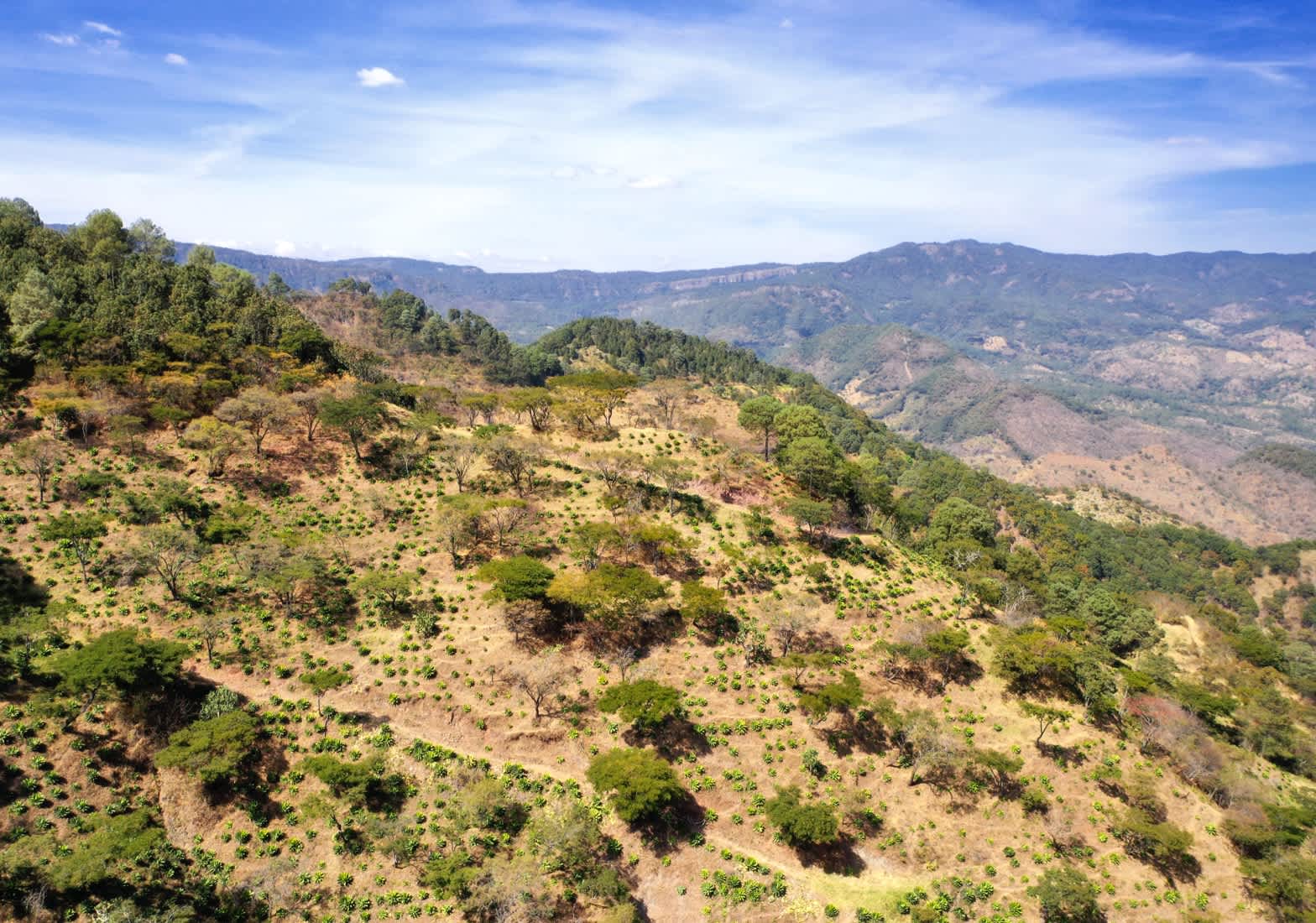
“The third benefit is pollination. Bats pollinate a lot of ecologically or economically important species of plants.” The most famous example of this in Mexico is the agave plant, used to make mezcal and the related alcoholic drinks tequila and bacanora. Tequila earns Mexico about $US3 billion a year, giving work to 50,000 families.
Bats [are] the most unfairly treated animals on Earth. There are many animals that have a very negative image, from snakes to spiders, to scorpions to sharks. None of those do more for our everyday well-being than bats.
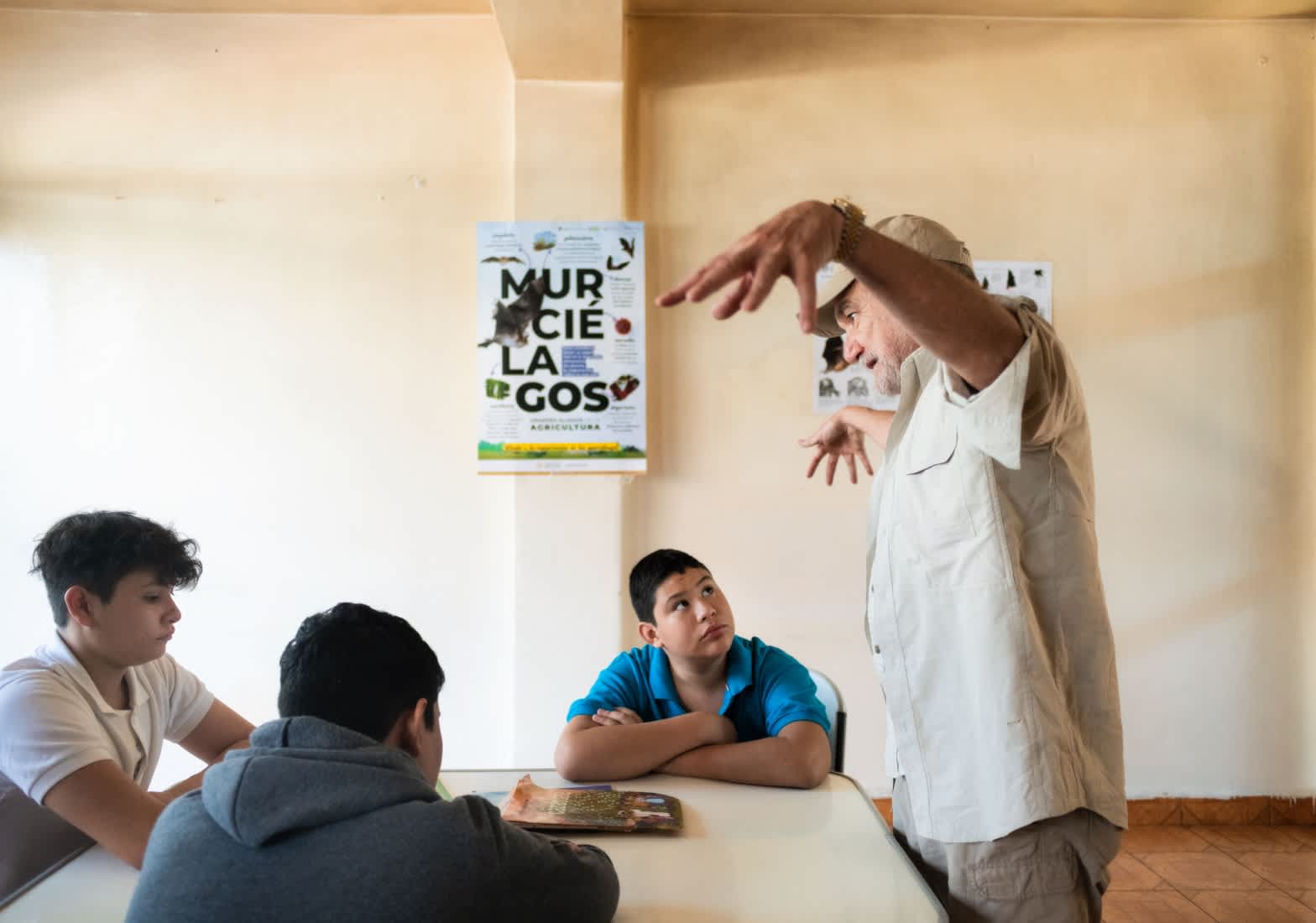
Medellín, often called the “Bat Man”, is involved in the conservation of several species. He adopts a complex mix of activities − research, education and conservation. “By connecting the three, we have achieved success in many places, with many different species – not only bats – [but] jaguars and bears and other species too.”

His 2008 Rolex Award for Enterprise “marked me for life. Having the Award gave me the platform to multiply my ability to continue changing things,” he says. And what he describes as the job of the conservation professional – “to replicate the efforts of conserving nature and protecting biodiversity” – aligns precisely with the goals of Rolex’s Perpetual Planet initiative.
Before winning his Rolex Award, Medellín’s bat conservation programme was operating in six or so of Mexico’s 32 states. The Award allowed him to expand the work. “We are now in 28 states and we continue to grow.”

Now in his mid-60s, he has countless stories to tell about successful bat conservation. For example, in 1996 the International Union for Conservation of Nature (IUCN) declared that the flat-headed myotis, a tiny, thumb-sized bat native to Mexico, was extinct. In 2004, Medellín’s team found the bat in north-eastern Mexico. “It’s there,” he says. “So we launched our recovery programme. In 2021, we found 23 new roosts for this supposedly extinct species.”
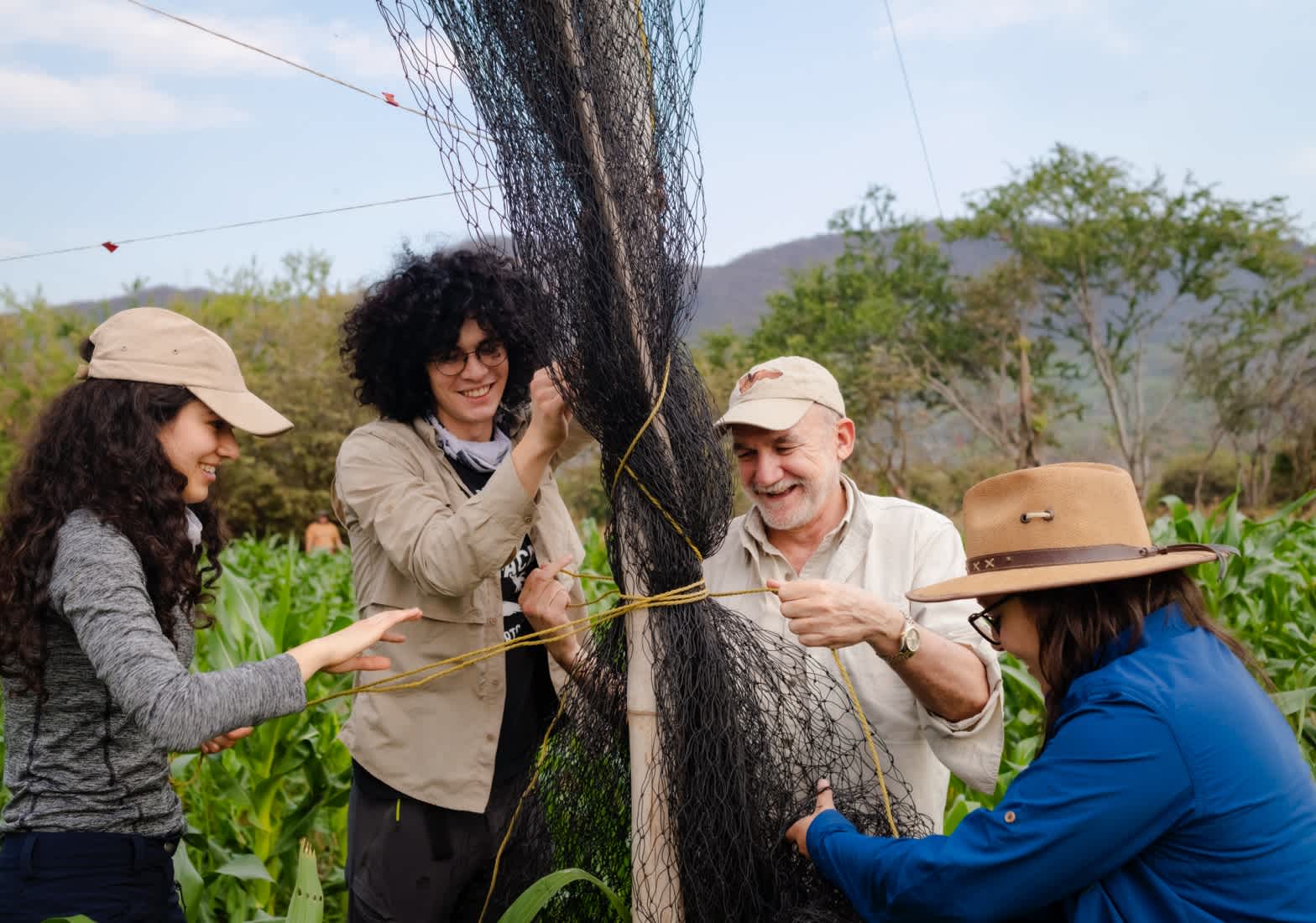
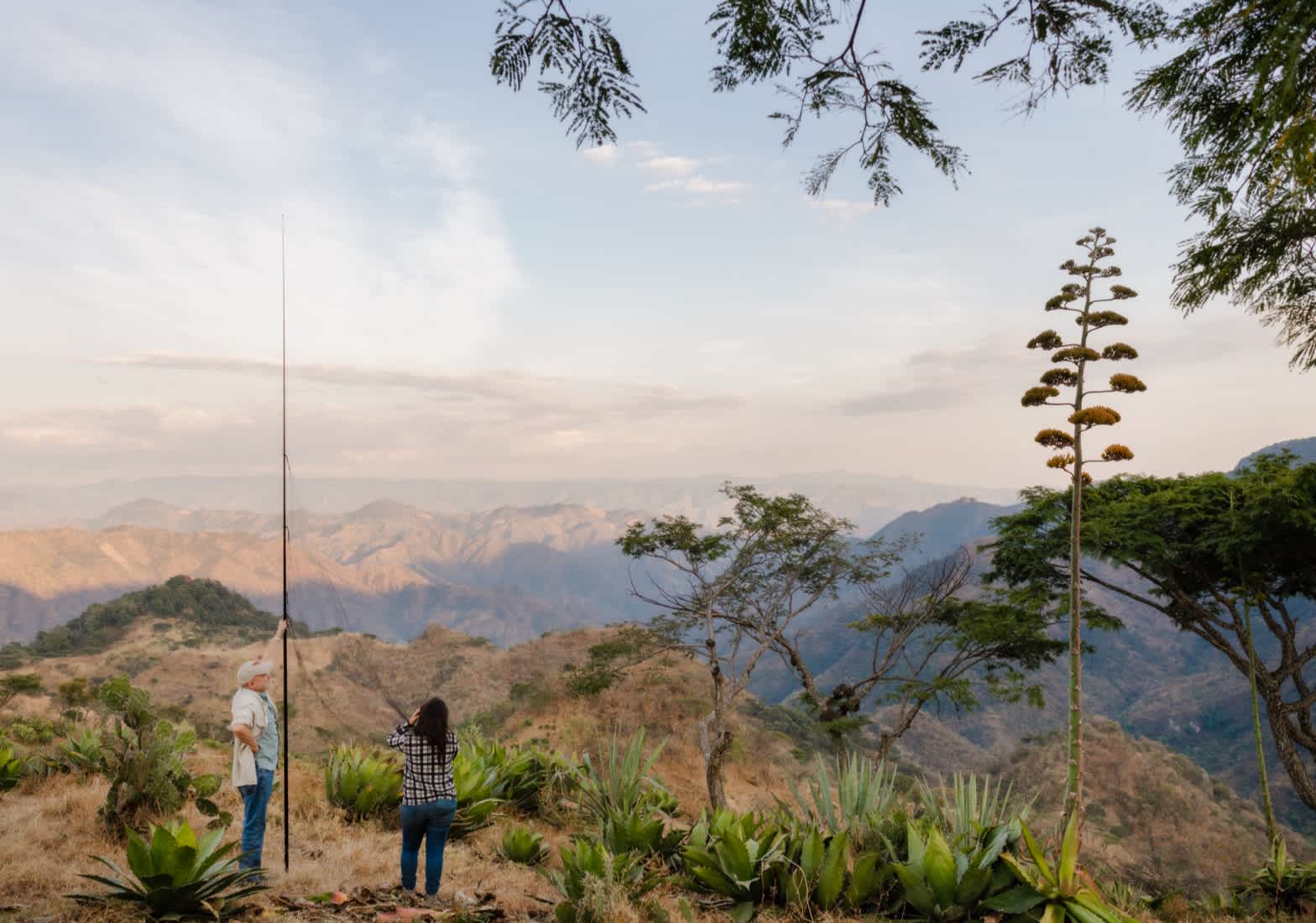
Medellín is also highly active in bat conservation outside Mexico. In 2007, he and other conservationists created the Latin American Network for Bat Conservationists, with members in five countries. “Today, we have 22 countries from continental Latin America and the Caribbean.”
More recently, he and others launched an initiative, Global South Bats, in which people from Africa, Asia and Latin America are joining forces.

I am working with a Laureate in Rwanda and also others in Africa and Latin America. We can fix problems by connecting with other people who may have part of the answer. That’s real conservation.
Medellín is grateful to be a member of the international network of the Rolex Awards Laureates. “When I won the Rolex Award, I was blown away by the other winners. Rolex has seen the potential of the network and they have put us in touch. I am working with a Laureate in Rwanda and also others in Africa and Latin America. We can fix problems by connecting with other people who may have part of the answer. That’s real conservation.”