Shortcuts

The call of the cloud forest
Published in
Sri Lankan conservationist Rohan Pethiyagoda has devoted more than two decades to a campaign to engage his fellow citizens in the regeneration of his island nation’s unique highland ecosystem, once defined by rich tropical forests shrouded by mist.
Childhood fishing ventures with his father into the majestic beauty of Sri Lanka’s high-altitude forests, known as tropical montane cloud forests, bred in Rohan Pethiyagoda an abiding love of his homeland’s fragile wilderness – and a lifelong spirit of urgency to do all he could to restore and share it.
Though his first love was biology and identifying the small fishes of the island’s mountain streams, the need for a firm career path took him into engineering, where he rose to become a youthful director in the country’s Ministry of Health and Chairman of the national Water Resources Board. Then, in 1987, Pethiyagoda simply quit – heeding the call of his heart and fired with a vision of helping to reverse the spreading ruin of rainforest and farmlands alike as economic development swept the land.
“As I got more and more into this field of inquiry, it became increasingly apparent that there were huge gaps in knowledge of Sri Lanka’s biodiversity,” he recalls. This fed a yearning to know more about this biodiversity at the minutest level, to study and to share its secrets with his fellows.

His first project as a self-trained biologist, a book entitled Freshwater Fishes of Sri Lanka, received wide acclaim and opened the door to the next step in his crusade to protect his island’s heritage. In 1989, he founded the Wildlife Heritage Trust of Sri Lanka to purchase and restore to nature realms of degraded farmland, tea and rubber plantations and forest. It came just in the nick of time: the island, once a jewel among the world’s tropical forests, had lost nearly half its arboreal cover in barely 30 years, and with it innumerable plants, birds, frogs, mammals, insects and other wildlife.

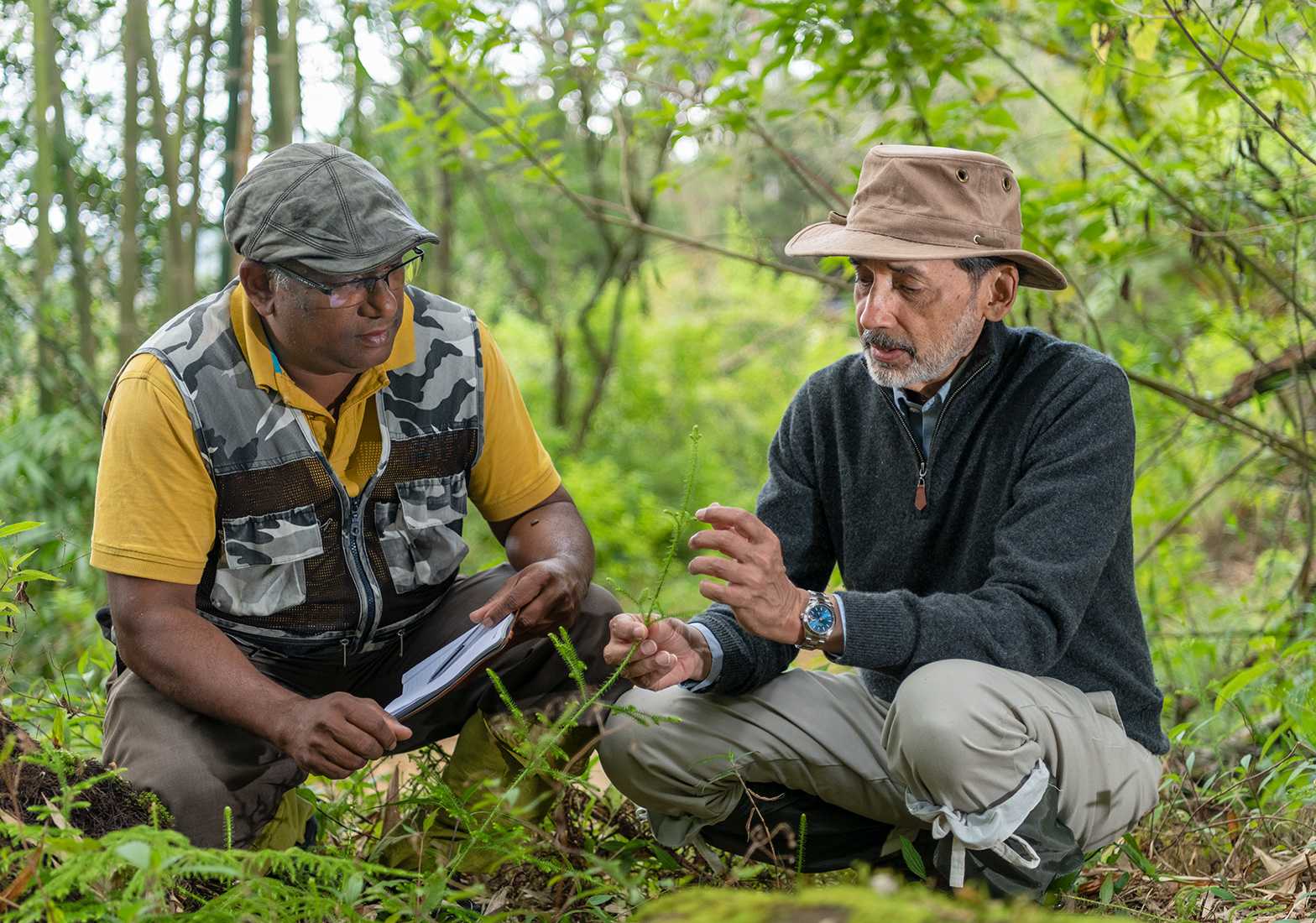
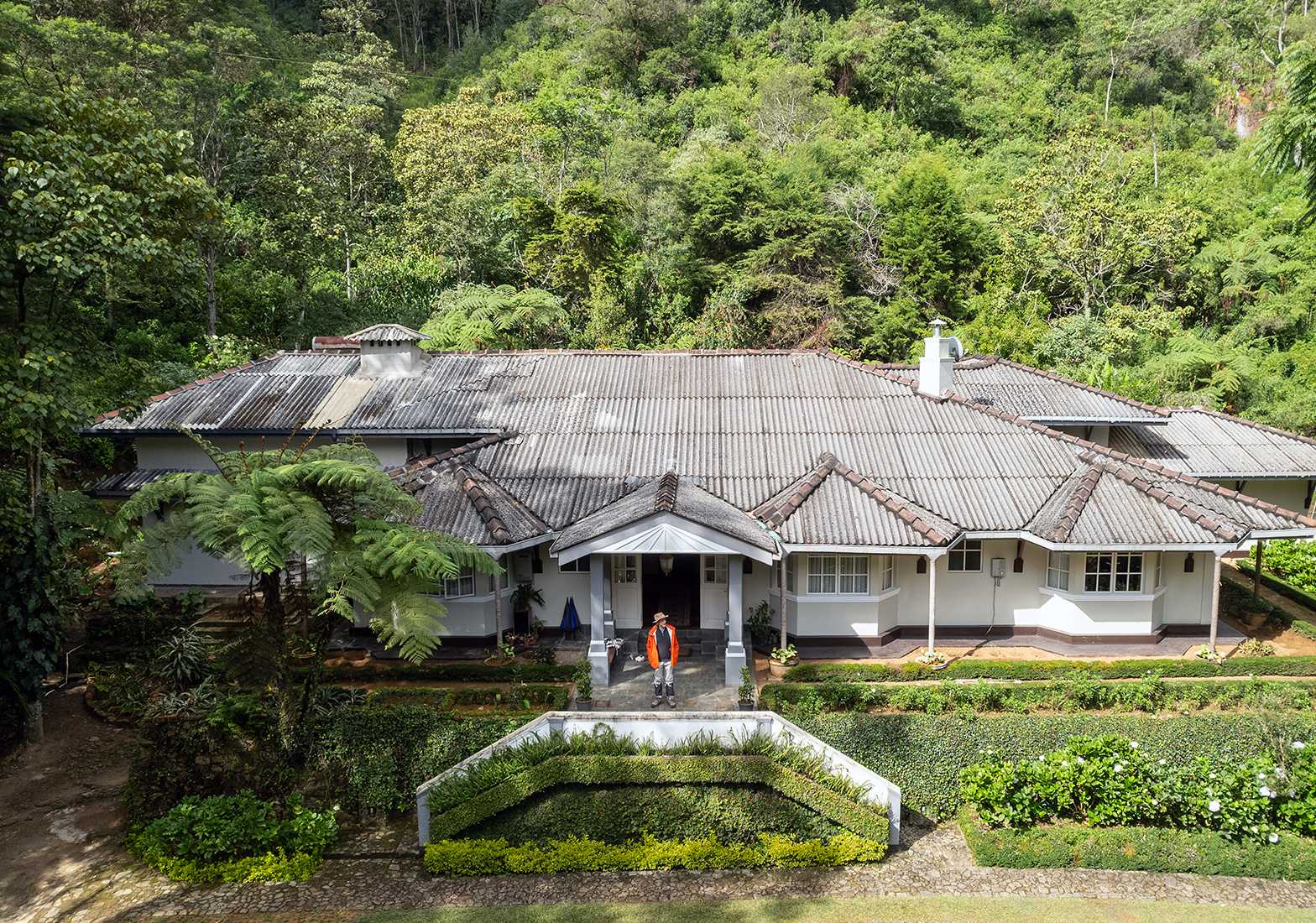
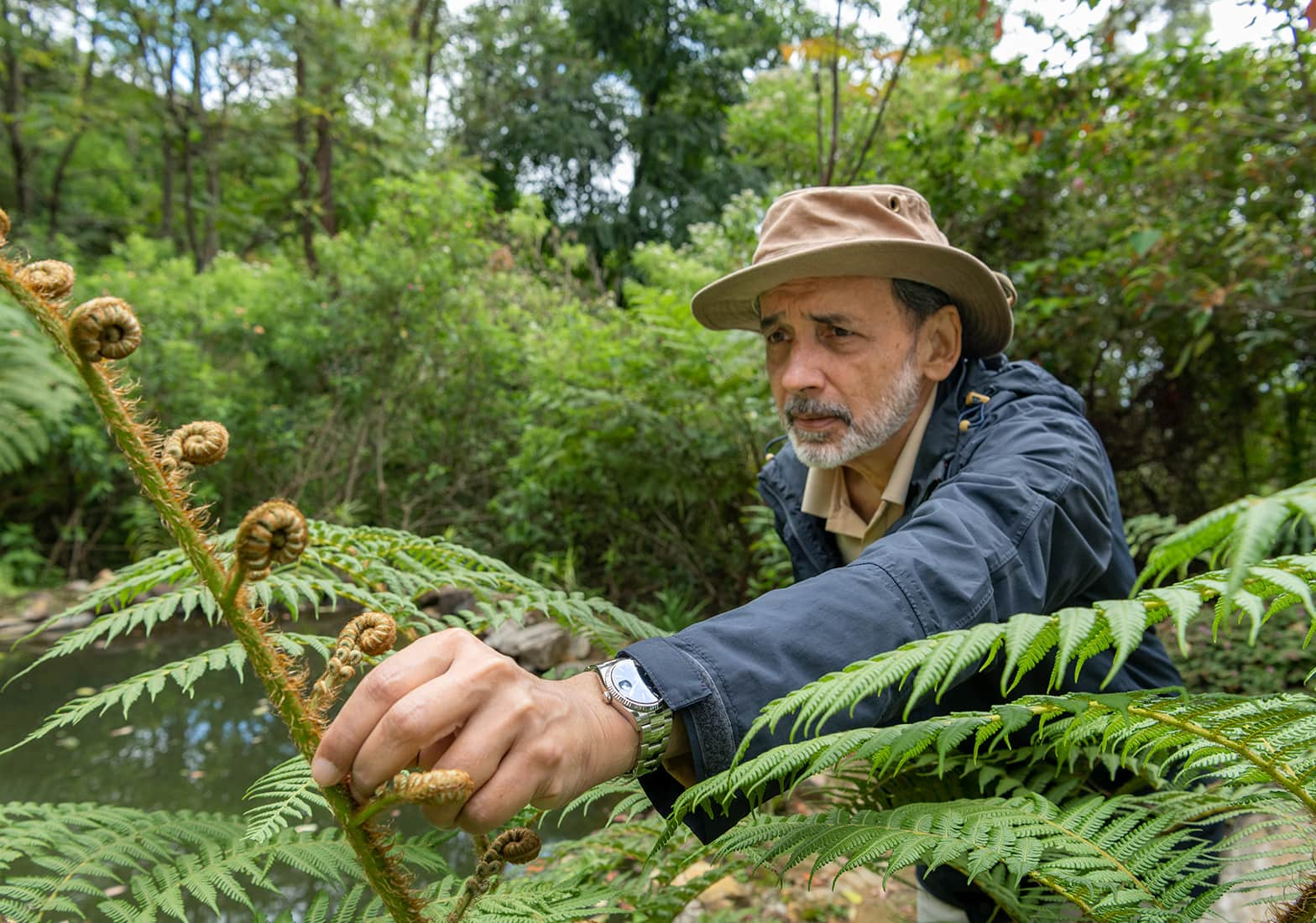
The trust acquired dozens of hectares of run-down farmland and tea plantations close to the now world-famous Horton Plains National Park, scene of Pethiyagoda’s childhood explorations. There, where the waters of three cloud-forest rivers mingle, began the challenging task of returning this unique tropical ecosystem, defined by its persistent cover of mist, to nature. He soon found it wasn’t just a matter of planting trees: that was far too slow, did not curb fires, drought or weeds and did not restore the natural diversity of the original forest. Instead, he evolved a more natural system of regeneration, shading out the alien weeds by growing shade trees that allow the other trees to flourish beneath them and helping the native forest to recolonize the landscape at its own pace.

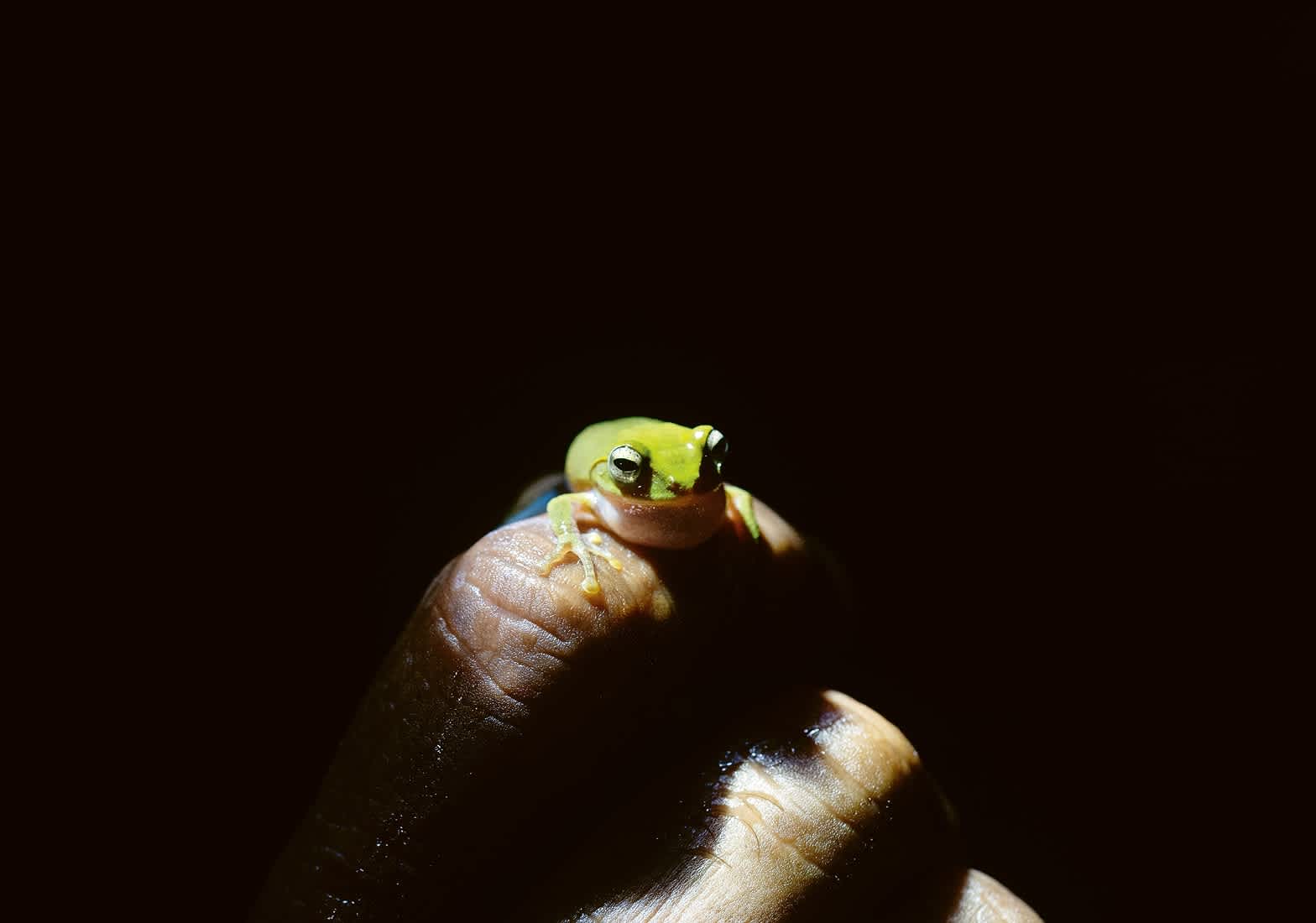
His 25-hectare Agrapatana Montane Forest Restoration Initiative caught the eye of the Rolex Awards for Enterprise in 2000 when he was named a Laureate. Besides the restoration work, the forest was home to a conservation-breeding centre for rare species of lizards, mice, shrews and frogs. As the forest’s tendrils regrew, hundreds of long-absent wild creatures began to appear – leading to the discovery of over 200 species new to science.
There is a massive increase in public demand for appreciating nature.
Enlightening fellow Sri Lankans about the wonders of their island is a cornerstone of Pethiyagoda’s mission. He established a nature publishing house, donating books to over 5,000 schools. As awareness spread, visitors from around the world flocked to the lingering marvels of the cloud forest: visits to Horton Plains swelled from 1,000 people a year to 2.7 million by 2018. “There is a massive increase in public demand for appreciating nature,” he observes. The students he first encouraged to work on his reserves have since become professors and now bring their own students to advance the work of recovery.
The Rolex Award set his personal campaign to restore Sri Lanka’s wilderness on a soaring trajectory. A truly transformative experience, it raised his profile and provided the platform for him to garner national and international attention. This led to appointments such as Deputy Chair of the International Union for the Conservation of Nature (IUCN) Species Survival Commission, adviser on conservation to the Sri Lankan government, member of Sri Lanka’s National Academy of Sciences and Chairman of the Sri Lanka Tea Board. He was also appointed a consultant to numerous conservation projects around the world.
It came to a point when I thought, ‘No, I’m being sidetracked from my core mission. I’m going to focus on my work in Sri Lanka’.
In fact, Pethiyagoda says, “It came to a point when I thought, ‘No, I’m being sidetracked from my core mission, which is educating the people I care about.’ So one day, I sat and wrote all my letters of resignation and I thought, ‘I’m just going to focus on my work in Sri Lanka’.”

Again, he had listened to the silent call of the montane cloud forest. Since that day in 2007, he has redoubled his efforts to help nature regenerate, teach his fellow citizens about the marvels of their homeland and emphasize the urgency of conserving them. Key to his success has been establishing a commercial model that offered a more reliable stream of revenue than most non-government organizations experience.
The journey to ecosystem renewal has begun. Thanks to Pethiyagoda, heartening progress has been made and he has become a shining exemplar of Rolex’s Perpetual Planet ethos – proof that the enterprising individual can make a huge difference in restoring our world.

Reflecting a lifelong love of fish, Pethiyagoda nowadays works half the year as a fish taxonomist at the Australian Museum in Sydney and spends the rest of his time in Sri Lanka. A dozen new species have been named after him by other biologists. Of his success in achieving his goals, he says: “One of the things I feel pleased about what I’ve done, has been to make the transformation [to greater environmental consciousness] happen, or happen more quickly.”