Shortcuts

Cathedral in the sea
Mission Blue
Published in
Through its Perpetual Planet initiative, Rolex is supporting ocean conservation non-profit Mission Blue in its goal to create a global network of Hope Spots, areas that deserve protection as they are home to vital marine ecosystems.
Sanctuary for the ocean’s migrating giants
Emerald rainforests, turquoise waters lapping on to secluded beaches, blissful snorkelling and scuba diving. It is easy to sell the allure of Costa Rica’s Osa Peninsula to tourists in search of an adventure holiday: National Geographic once described the area as “the most biologically intense place on Earth”.
But past the breathy promises of tourist brochures, there is another story – one of a marine environment under siege from a host of human pressures. Carlos Mallo Molina is the founder and CEO of Innoceana, an ocean conservation NGO in Costa Rica. He hopes these pressures, which range from industrial fishing and plastic pollution to the discharge of raw agricultural effluent, will eventually be mitigated through the designation of the Biological Marine Corridor of Osa as a Mission Blue Hope Spot and the eventual creation of greater marine protection for the area.

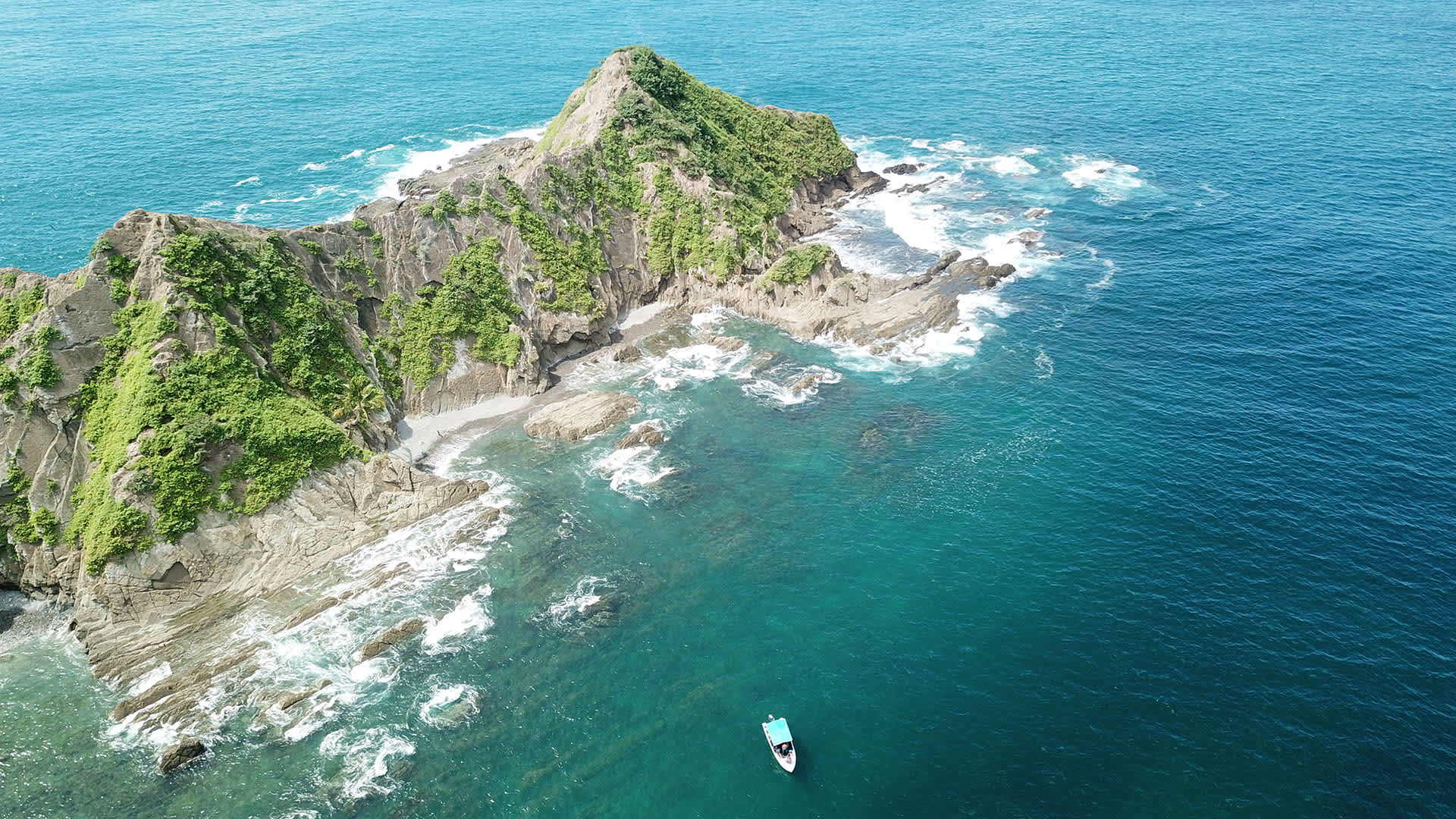
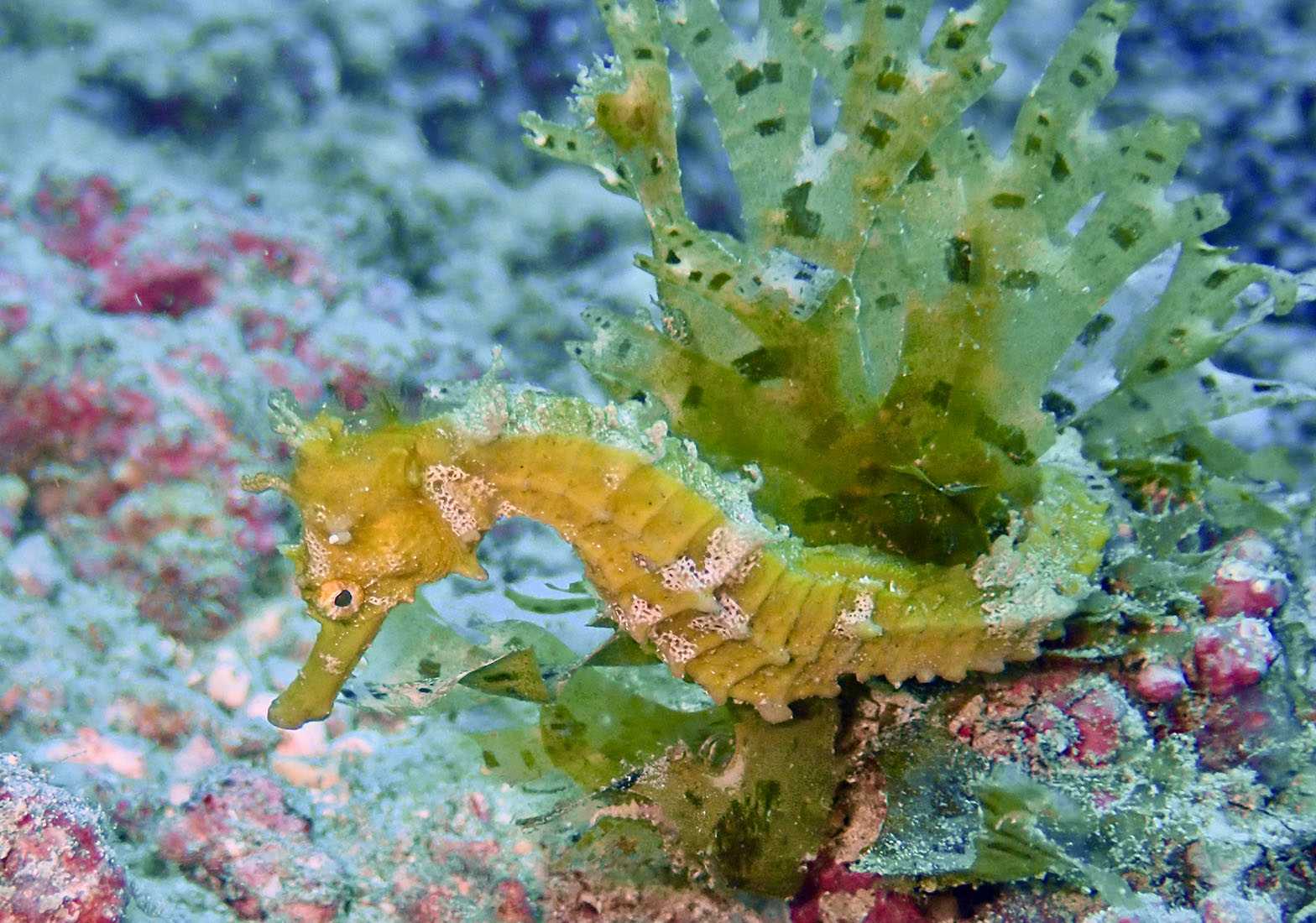
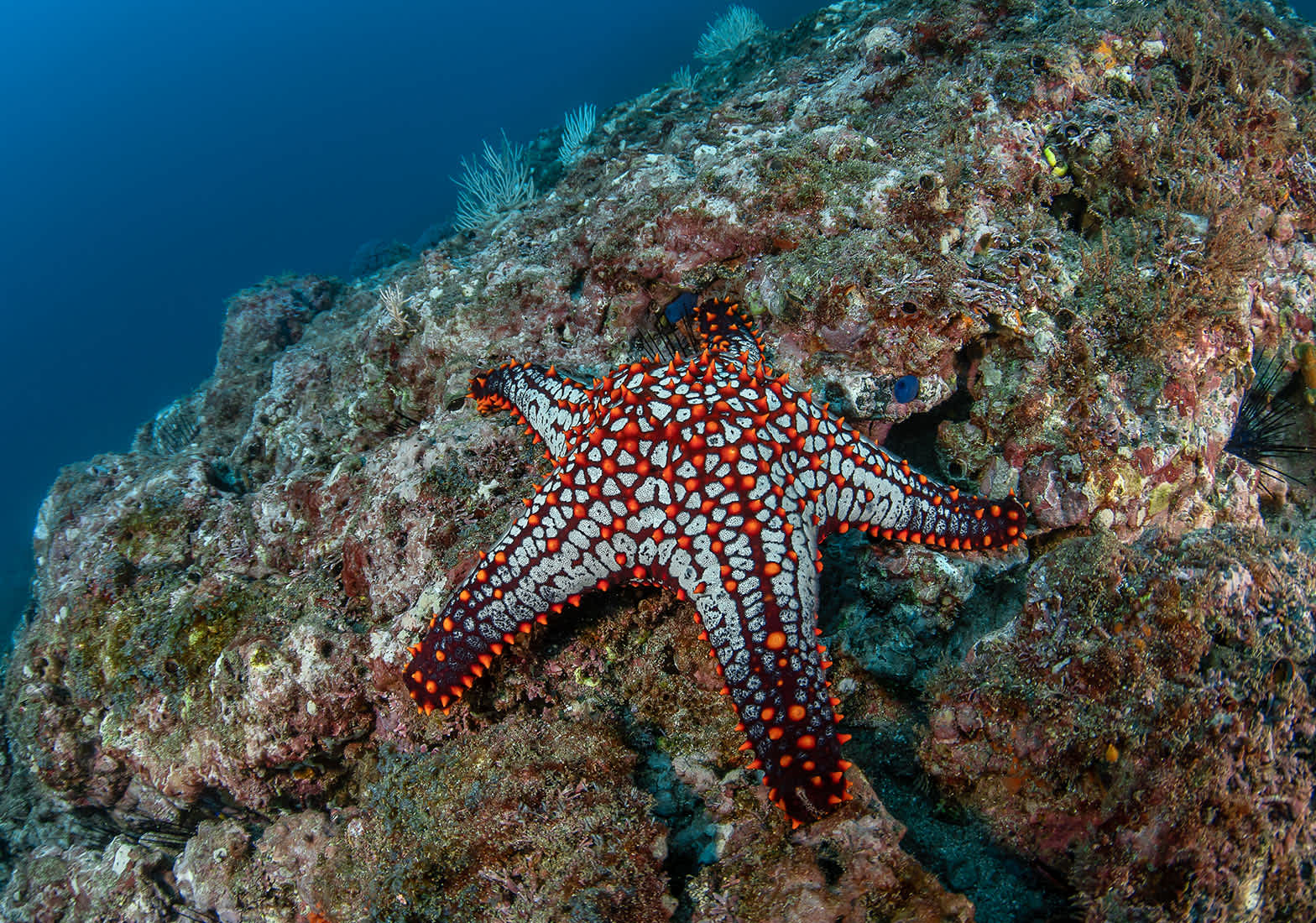
Mallo Molina, is a local “Champion” who represents Mission Blue in the Osa Peninsula along with two others from Innoceana. He is captivated by the diversity of the environment: “In these areas you can find literally everything… wetlands, coral reefs, rocky reefs, rhodolith seabeds, pelagic waters full of cetaceans – deep unexplored sea waters. I call Caño Island, the cathedral of the sea. It is a powerful place that gives you energy from nature.”

A marine nursery
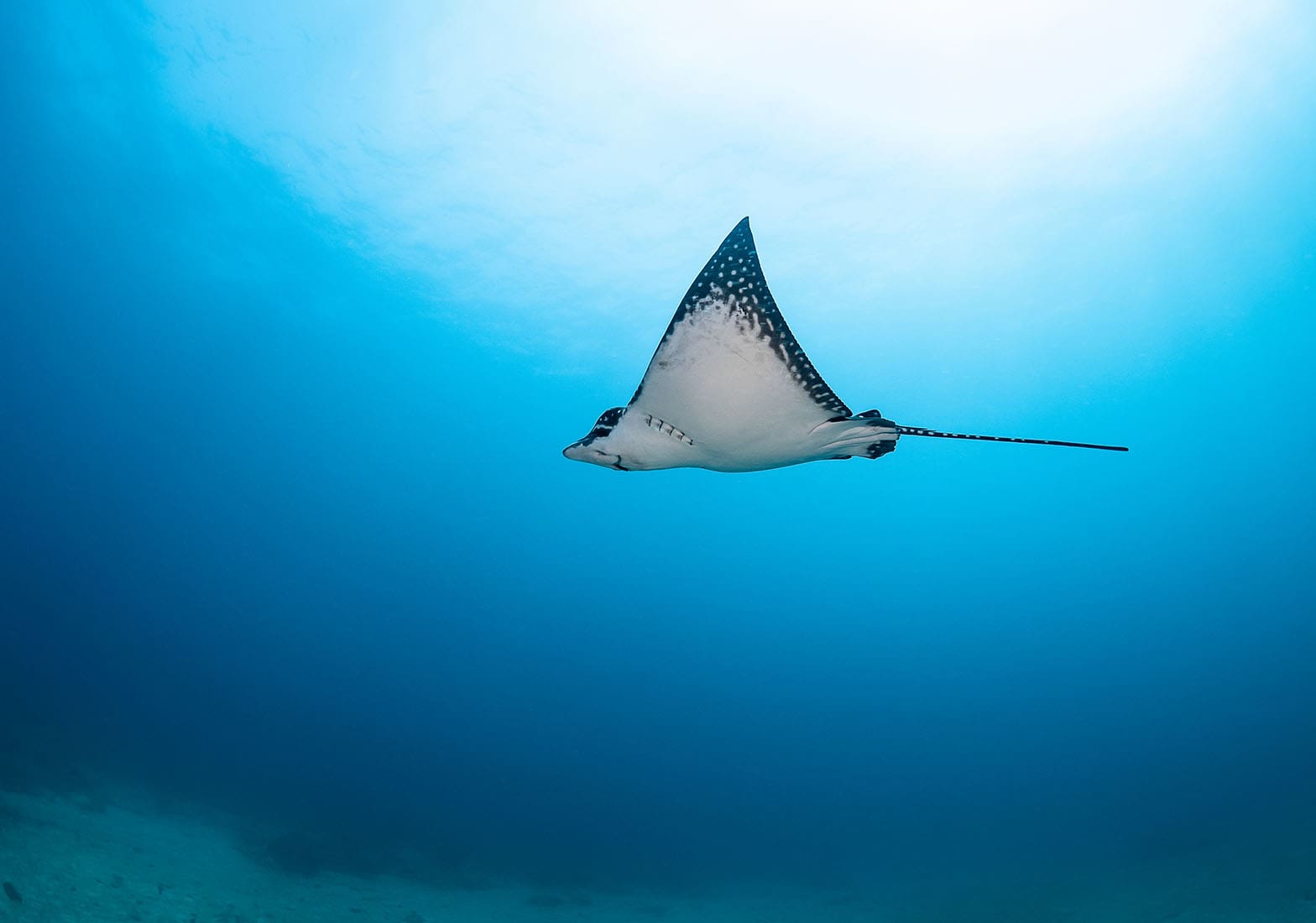
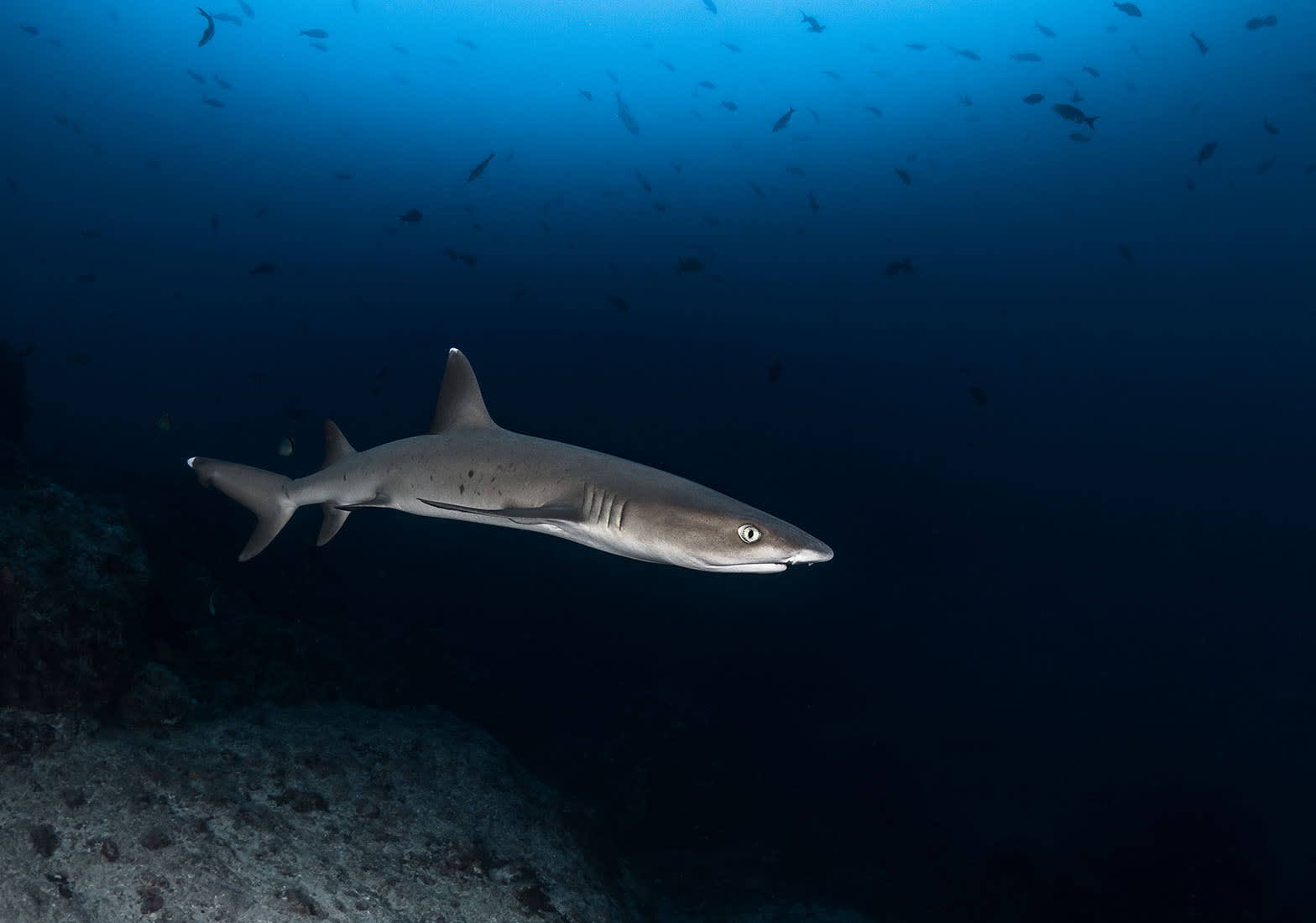
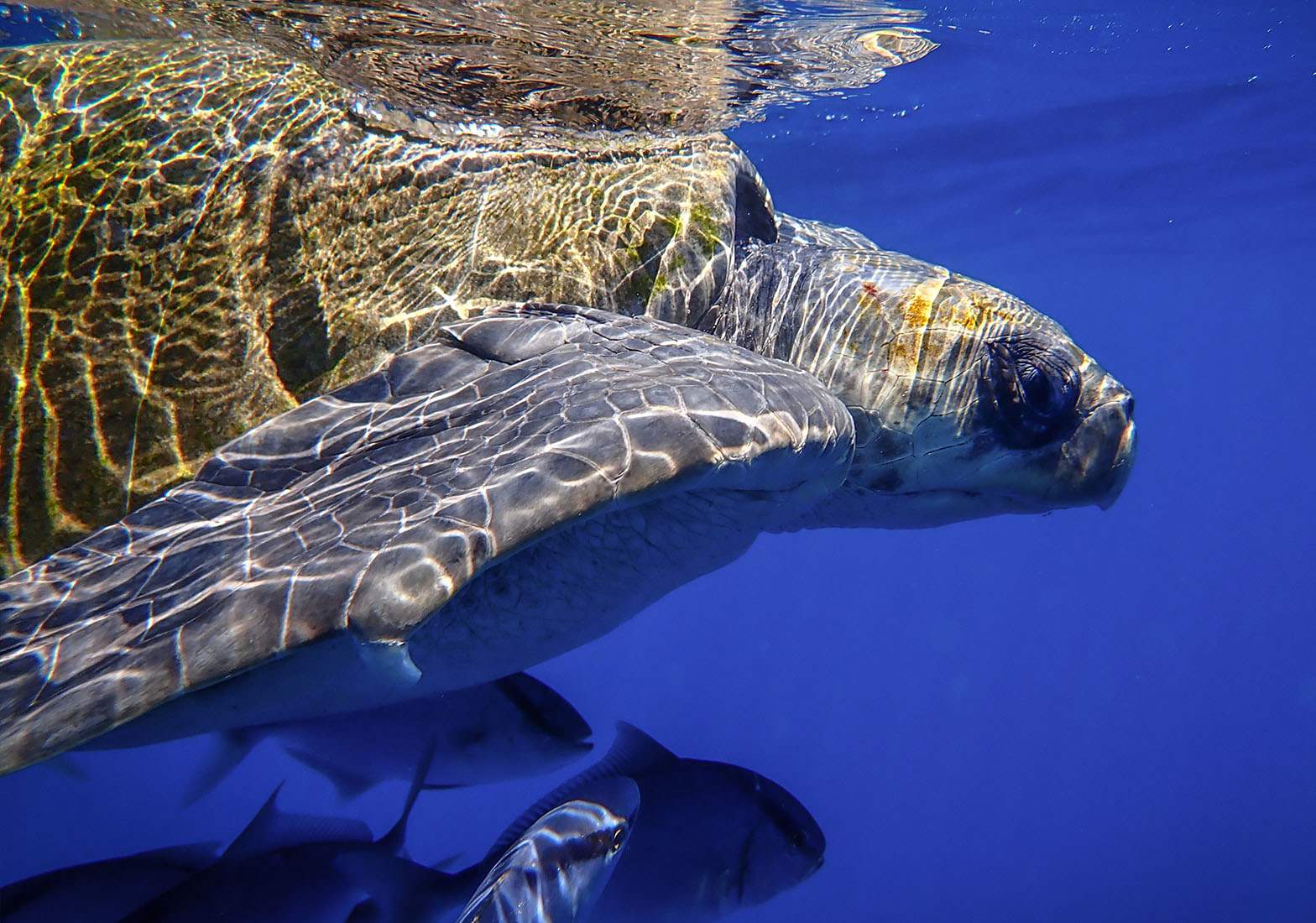
Large animals such as hammerhead sharks, turtles, manta rays and several species of cetaceans, including dolphins, use Costa Rica’s south Pacific coast to breed. For humpback whales, which travel an extraordinary 10,000 km from Antarctica, it provides a sanctuary for five months of the year, while the mangroves in the wetlands serve as a nursery for juvenile sharks and sea turtles among other marine animals.
The waters already have some protection. There are four marine-protected areas (MPAs): the Marino Ballena National Park, Terraba-Sierpe National Wetlands, Caño Island Biological Reserve and Corcovado National Park. But Mallo Molina says the current MPAs need to be expanded to cover a corridor between them. “These MPAs don’t currently touch, leaving migrating marine life vulnerable between the gaps. If we want to establish effective protection for the marine life that migrate through Costa Rica’s waters, we need to apply thorough protection across the entire area.”

Ghost fishing
The seas off Osa Peninsula form part of a migratory route for ocean giants such as humpback whales, whale sharks, manta rays and hammerhead sharks that breed in its warm waters. At migration time, the visitors follow an underwater mountain chain to the Galápagos or Cocos islands.
While bottom trawling, which gouges the seabed, has recently been deemed illegal in Costa Rica, industrial tuna fishing and long-line fishing currently take place in the unprotected corridor. Furthermore, “ghost fishing, whereby nets and hooked fishing lines as long as 15 km get lost, causes a huge problem because animals become entangled,” says Mallo Molina. Innoceana recently produced a documentary, Entangled in Costa Rica, which highlights the dangers of ghost nets through a daring ocean rescue of two whales caught in lost long lines.
In 2016, local organizations tried to protect the corridor but the proposed 4,800 km² reserve, Reserva Marina Álvaro Ugalde Víquez, was rejected due to lack of involvement of the local fishing community. This was addressed in the nomination of the Hope Spot and the collaboration of local conservation organizations, community associations, authorities and businesses will hopefully accelerate the creation of the MPA, according to Mallo Molina.
There is much at stake. Restoring the ecosystem would produce abundant phytoplankton, healthy mangroves and coral reefs. Renowned marine explorer and Mission Blue founder Sylvia Earle says the ecosystem “hosts breeding and feeding areas for a number of species of whales and thousands of other organisms like sharks, tunas and the little creatures upon which all the rest are based… By supporting the full protection of this corridor of life along the Osa peninsula, life itself will be enhanced.”
A significant economic spill-over can also be anticipated with an MPA. A healthy reef will increase fish numbers for artisanal fishers and act as a greater drawcard for divers and ecotourists. MPAs are also known to increase fish numbers in unprotected areas.

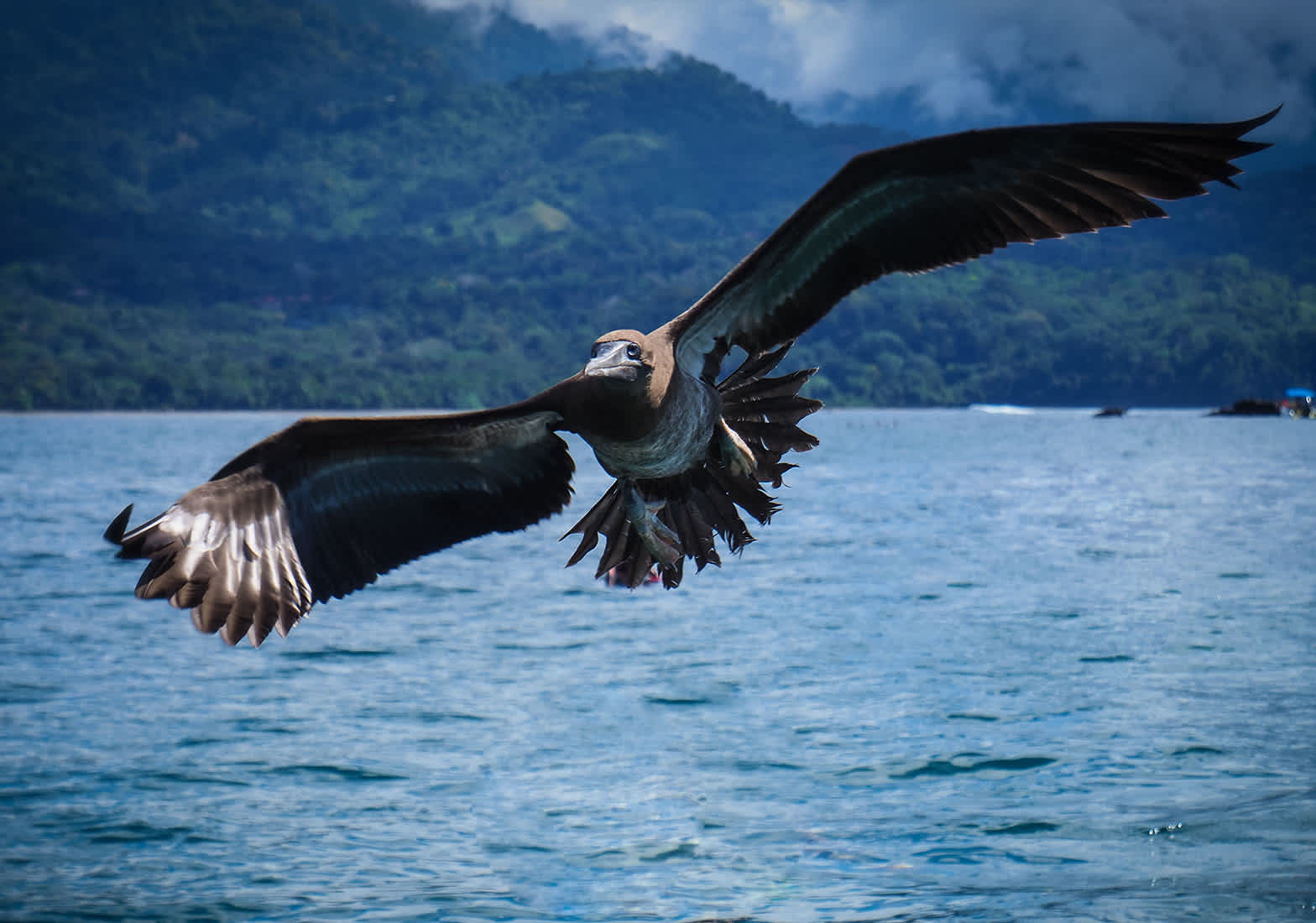
Mission Blue hopes to aid local conservationists by increasing visibility of issues that affect the health of the ecosystem. Innoceana is working on creating a Marine Conservation and Education Center that will act as a hub for NGOs, and government and community activities related to the Osa Hope Spot. The prospects for 212 species of fish, 14 species of sharks, four species of sea turtles and 38 species of seabirds will keep them focused.
Launched in 2009, Mission Blue’s aim is to create a global network of Hope Spots, which are ecologically important areas of the oceans considered vital to the preservation of species, or places where communities rely on a healthy marine environment to survive. So far, Mission Blue has created more than 160 Hope Spots around the world. Key to the programme is the empowerment of local people to make change.