Shortcuts

Saving lives on India’s roads
Published in
Following a distress call informing him that his cousin had died in a road accident where no bystanders came forward to support the victim, Piyush Tewari was propelled into finding solutions to this problem in India and has since dedicated himself to saving thousands of lives across the country and beyond.
All videos
2022
Saving lives on India’s roads
2010
Roadside rescue


Spurred on by the unnecessary death in a road accident of a young cousin in April 2007, successful financier Piyush Tewari discovered that half of all people injured in Indian road accidents perish despite their injuries being treatable. He describes the resulting daily death toll of 400 people nationwide as equivalent to fatalities in the crash of a wide-bodied passenger aircraft.
Tewari decided to take action. He set up the SaveLIFE Foundation to find ways of reducing the death toll. His work with the organization grew more demanding every year. Eventually he gave up his equity fund job to work full-time for the foundation and in 2010 won a Rolex Award for Enterprise, which he now describes as the “seed or angel investment” at a critical time, putting SaveLIFE on the path to international recognition.

Today, the foundation is working in 15 of India’s 28 states, with ambitions to expand across the country and eventually abroad. The latest figures indicate that 90 per cent of the world’s fatal road accidents – which kill an estimated 1.35 million people annually – take place in low- and middle-income countries.
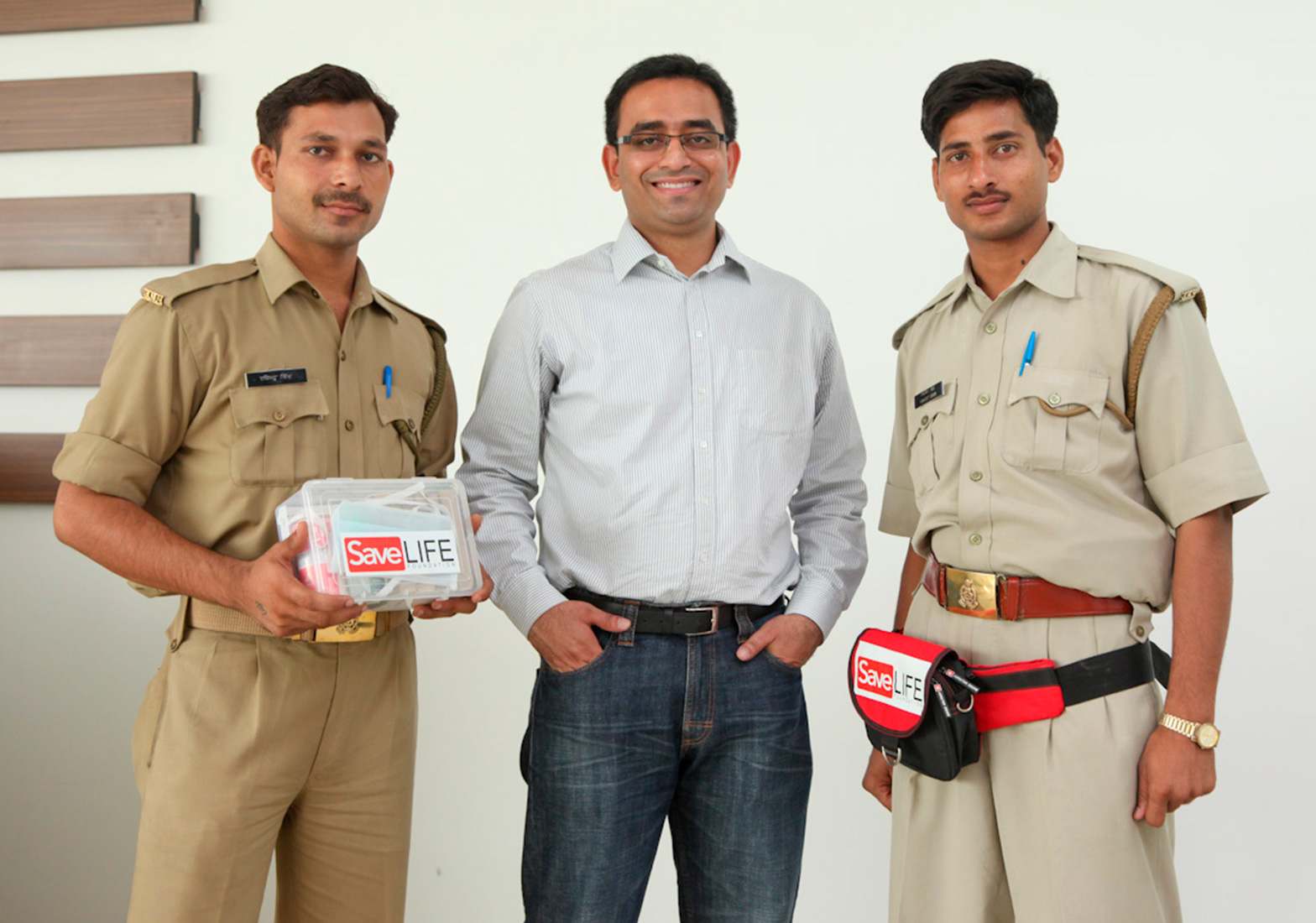
One of SaveLIFE’s key strategies has been providing training to equip people with first-aid skills to save lives post-accidents. About 20,000 police officers have been trained in the past decade, along with 10,000 volunteers. Tewari calculates that this training has saved the lives of more than 350,000 people in India during that time. In 2012, the organization approached India’s Supreme Court and this proved pivotal in the introduction of the Good Samaritan Law. Prior to the law being passed four years later, bystanders had been reluctant to help victims because this often involved them in legal and administrative problems with the police. Nowadays, they are protected by the Good Samaritan Law.

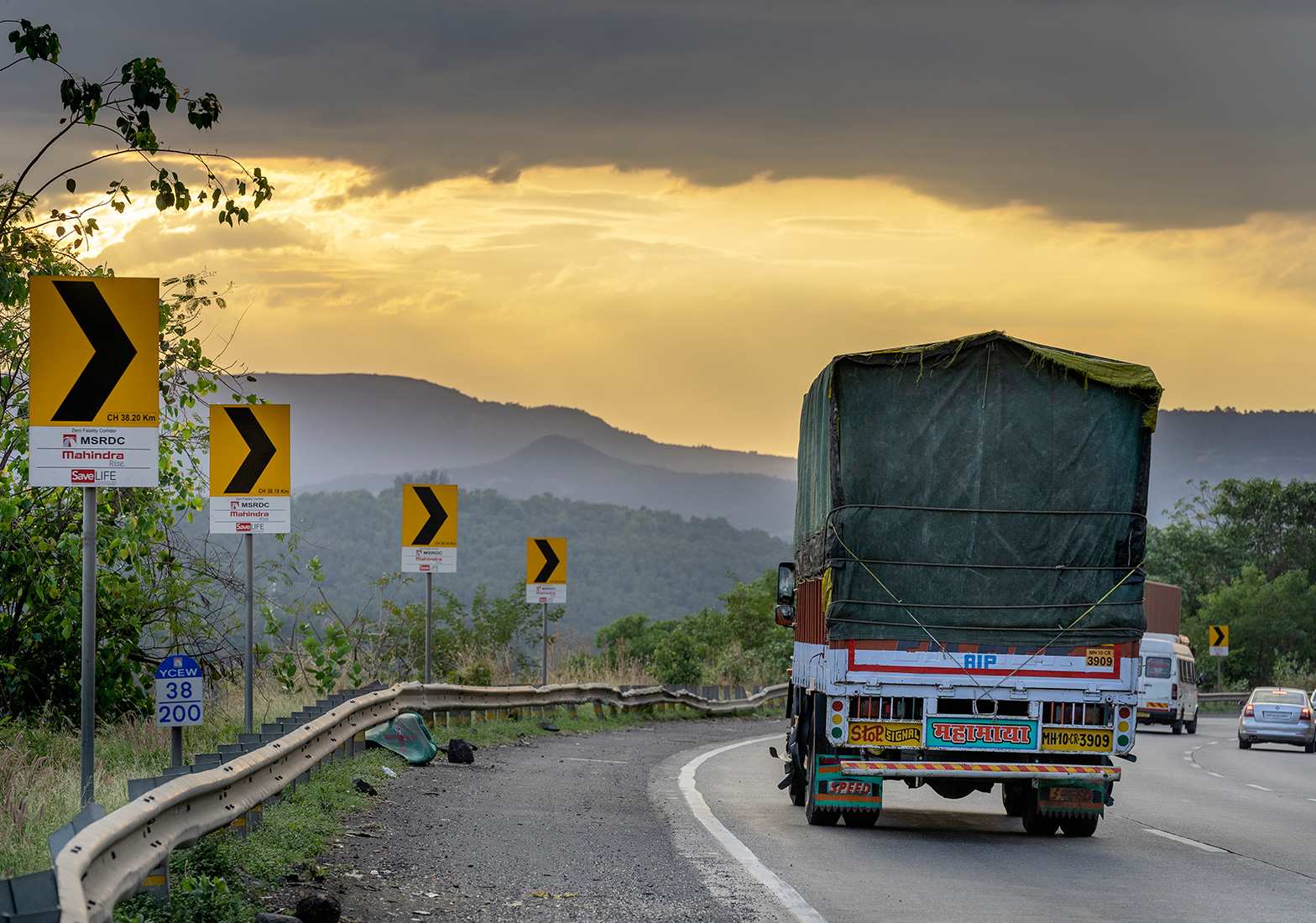
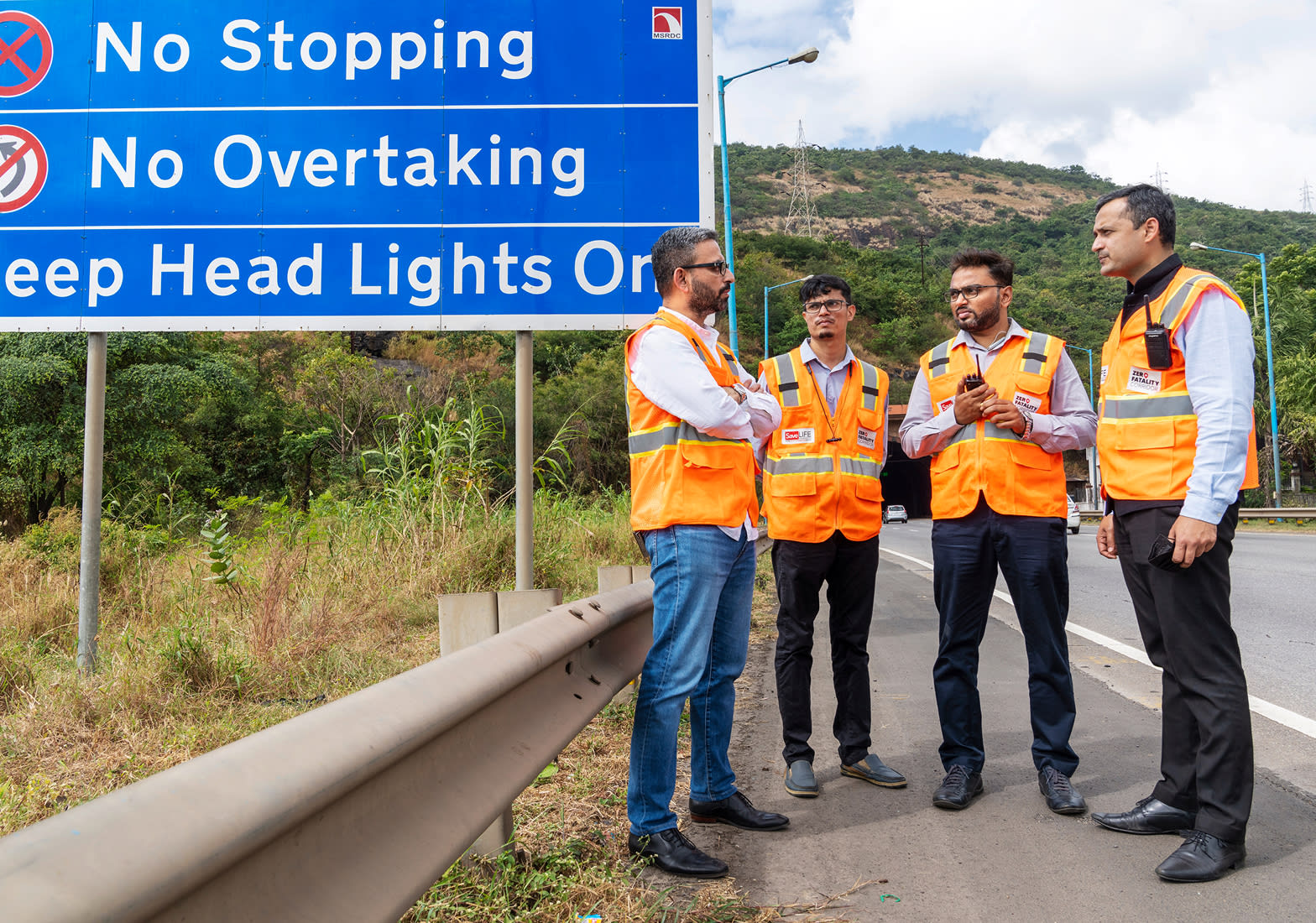
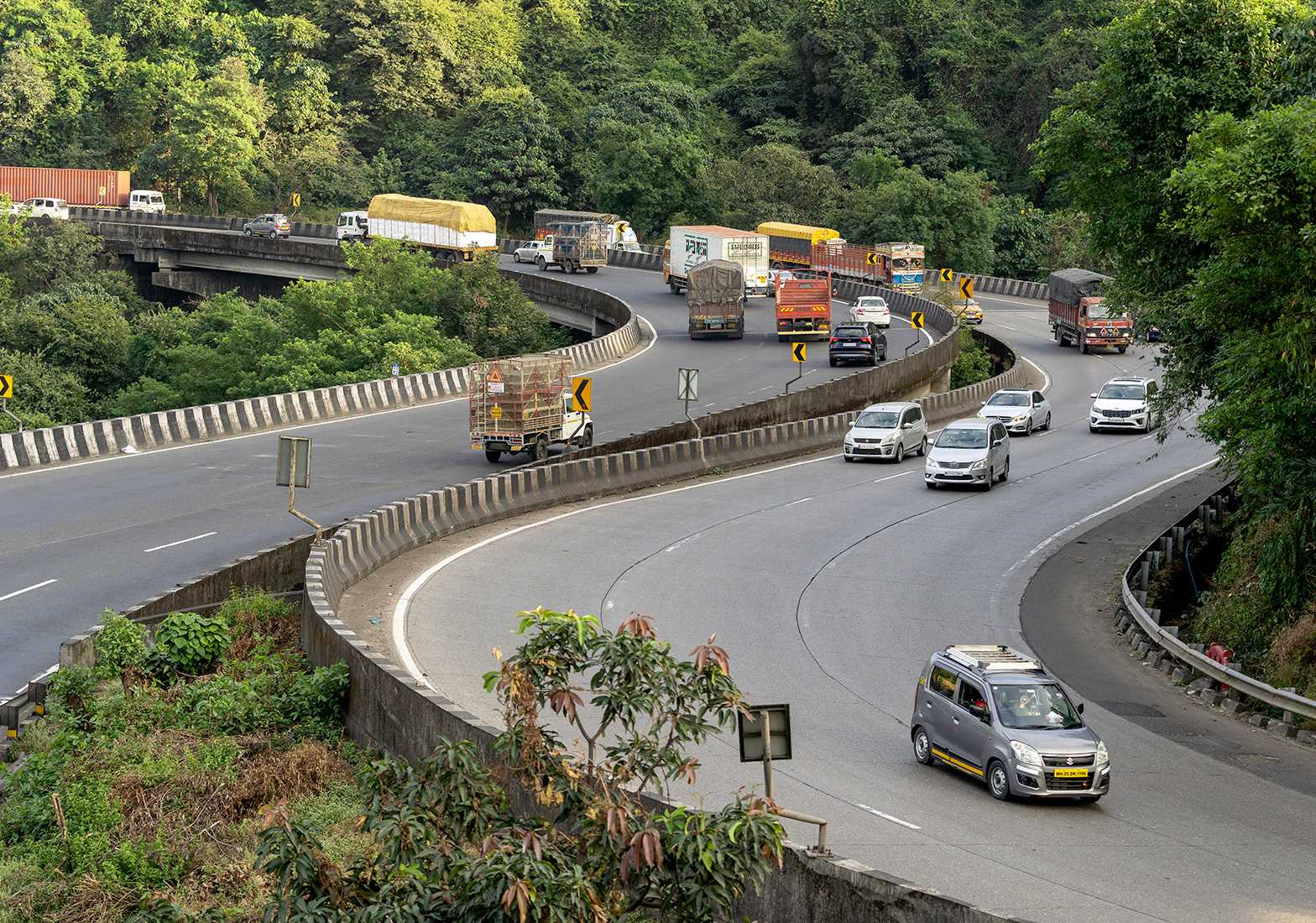
Another innovation from the foundation is the Zero Fatality Corridor, by which it adopts some of the highest-fatality stretches of road and works to make them fatality-free. The first one adopted was the Mumbai-Pune Expressway (MPEW), India’s first six-lane expressway. The project fixed over 3,500 engineering issues on the 100-kilometre stretch. “We also enabled police to carry out more tactical enforcement, we strengthened trauma care on that road and we carried out education campaigns for road users,” Tewari explains. This resulted in a 52 per cent reduction in road accident mortality over a four-year period. Next, the foundation took over the National Highway 48, where a 54 per cent reduction of road accident mortality was achieved.
[Through the SaveLIFE Foundation] we enabled police to carry out more tactical enforcement, we strengthened trauma care and carried out education campaigns for road users.
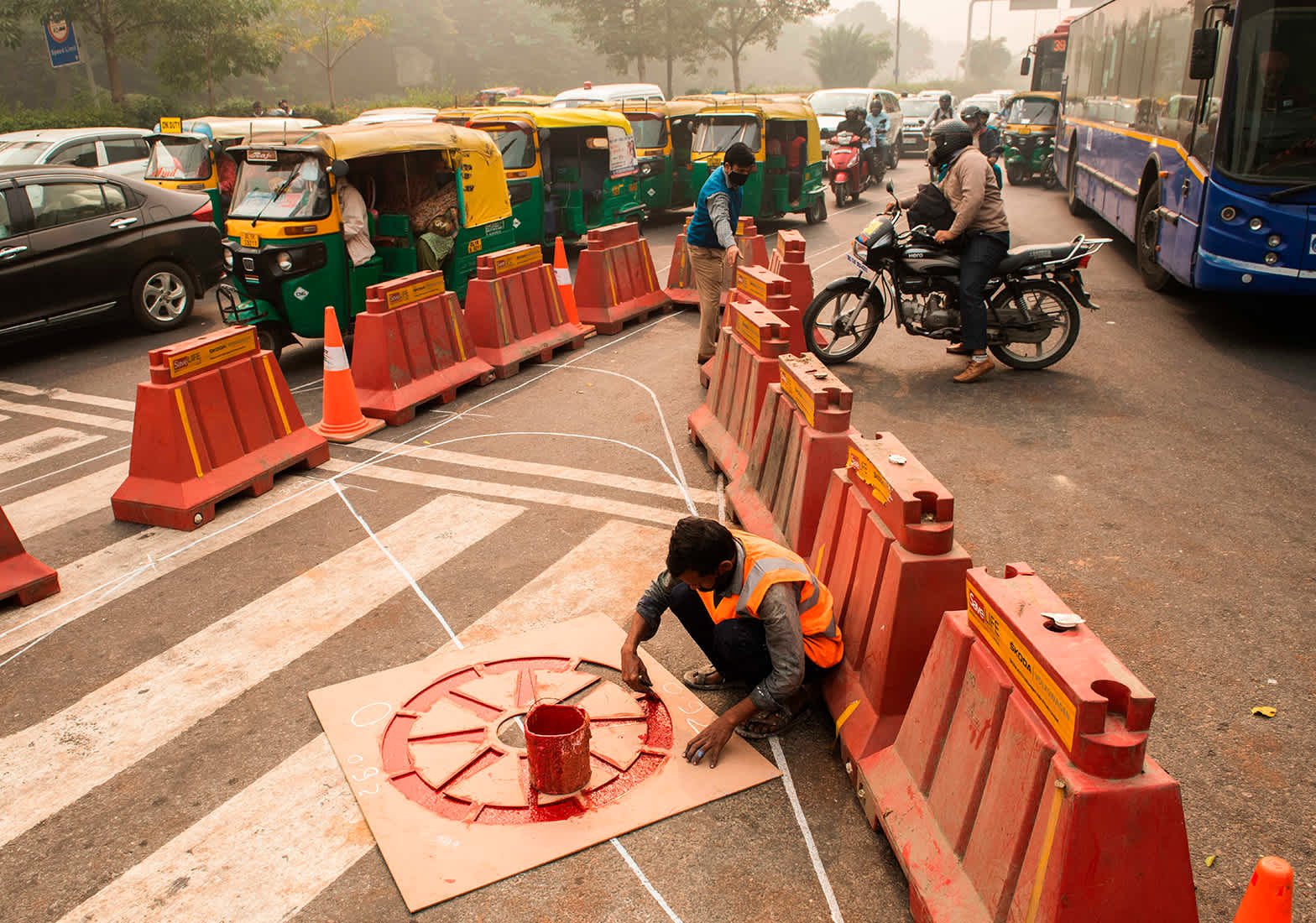
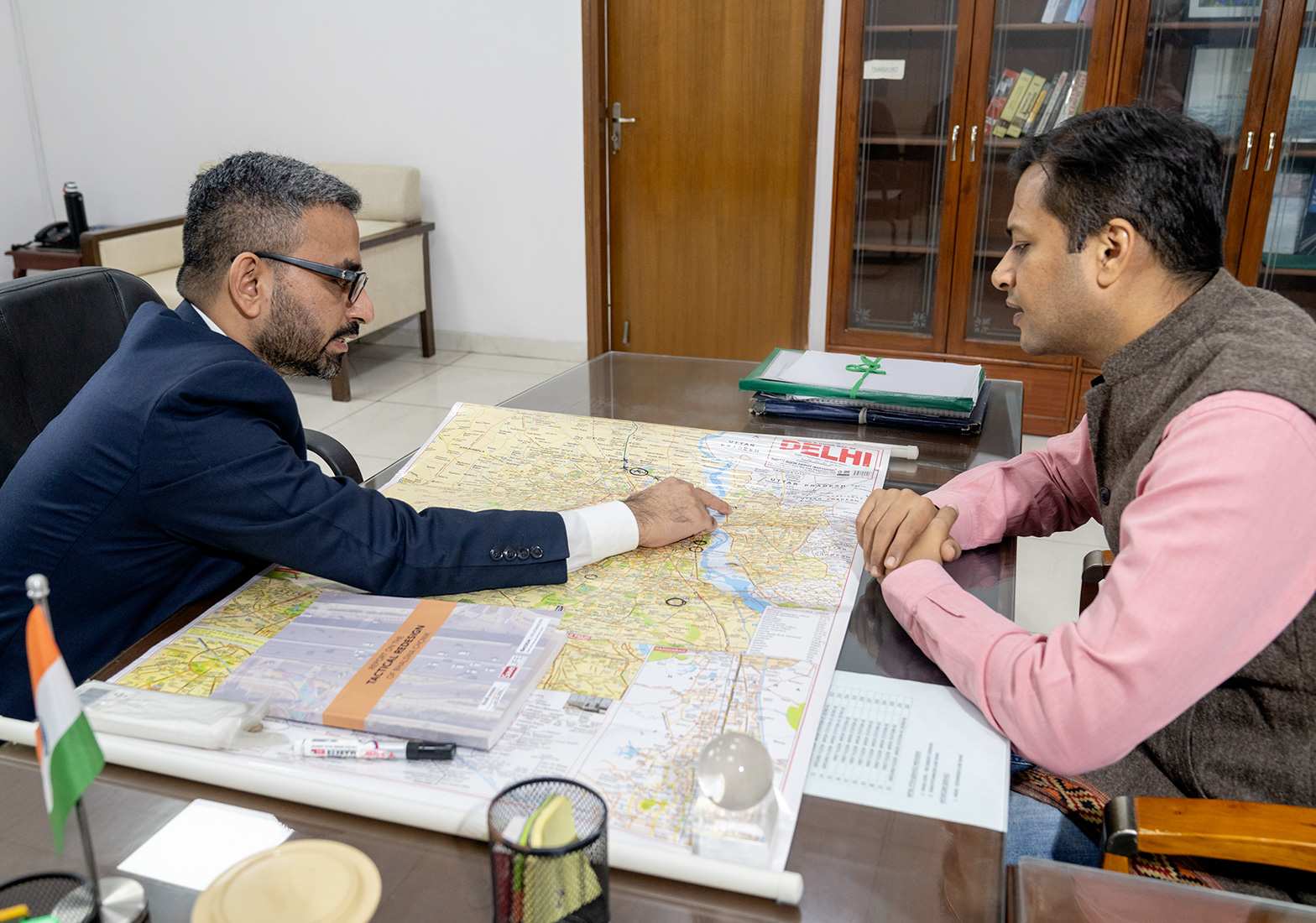
SaveLIFE is currently running a project to make some of Delhi’s most famous but dangerous intersections safe. This includes Raj Ghat, a memorial dedicated to Mahatma Gandhi, so that, according to Tewari, “[the] intersection, which is otherwise a high-fatality road, can become fatality-free”.
His overall objective is even more ambitious: “Our goal is that with the Zero Fatality Corridor model we will be able to save a million lives by 2027. It’s a global goal, not just an India-specific goal, and I’m quite hopeful that we’ll be able to achieve that.”
“I definitely see an opportunity for us to go global. We are currently in talks with some countries to see if we can expand our work more rapidly. That will probably only happen post-2024.”

In addition, Tewari can point to the fact that the foundation is now an employer of choice, with PhD holders wanting to work on safety engineering, data science and forensic crash investigation. This keeps him highly motivated, as does meeting victims. The latter helps get a sense of how what is currently being done can still be improved, and serves as a reminder that the problem isn’t solved yet.
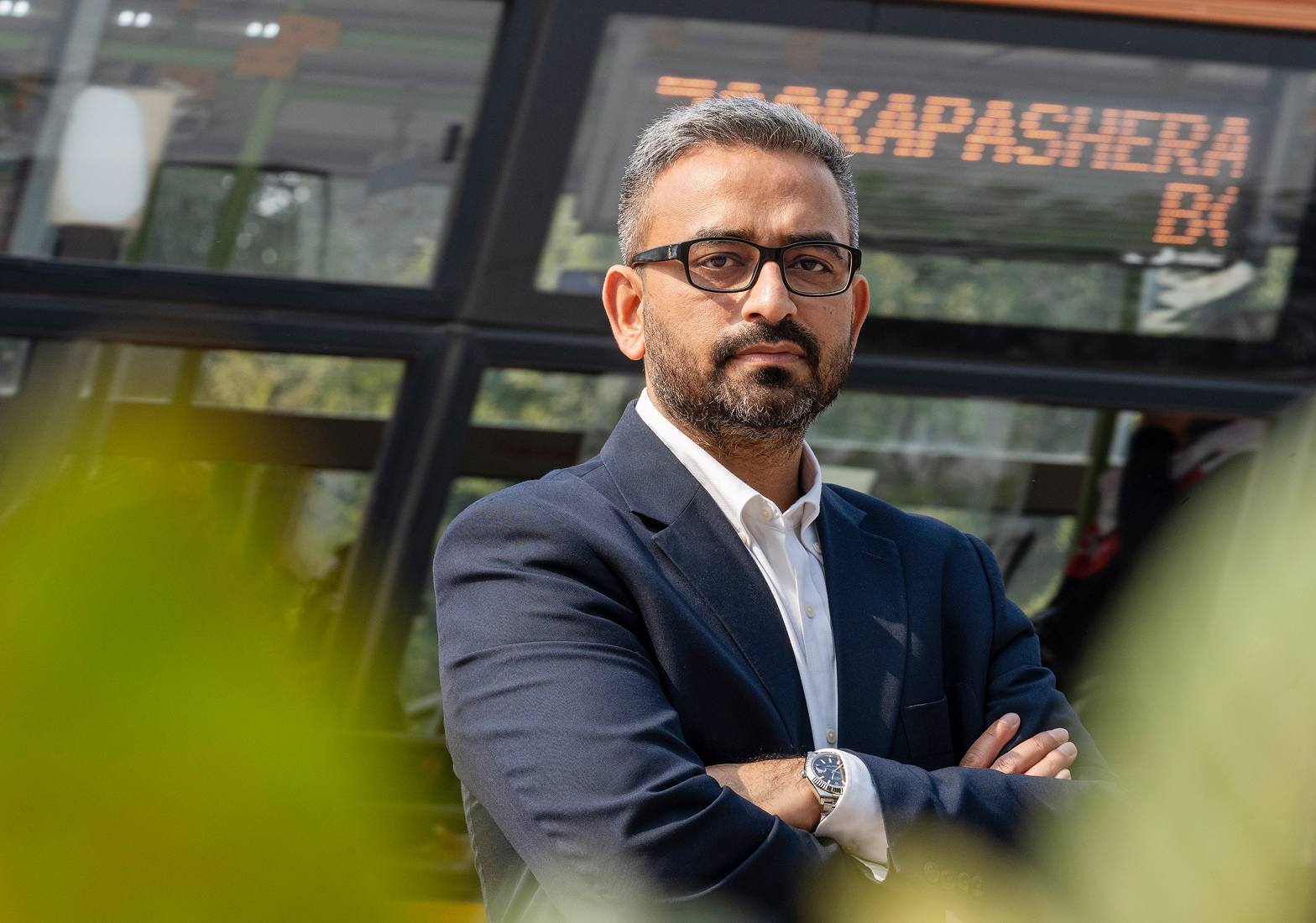
Since winning his Rolex Award, Piyush Tewari and the account of how his cousin’s death in a road accident motivated him to save many thousands of lives have been publicized worldwide, reported in such influential publications as The Times of India, The New York Times and National Geographic.

The Rolex Award was the first ever validation that we were on the right path to save many lives and it was recognized by an institution that values excellence so much. It was a big, big validation.
Tewari credits the success of the SaveLIFE Foundation to the support from his family − particularly after the life-changing decision he made to give up a lucrative job in favour of a humanitarian venture – mentors including his boss at the equity fund, and from Rolex. “The Rolex Award was the first ever validation of the fact that we were on the right path, that what I was trying to do had the potential to save many lives and it was recognized by an institution that values excellence so much. It was a big, big validation,” he says – one that fits perfectly with the brand’s Perpetual Planet initiative to ensure human well-being.