
Conservation of the Amazon is impossible without local people, without this dialogue between science and local knowledge.

Published in
Almost 30 years ago, Rolex Awards for Enterprise Laureate José Márcio Ayres established the world’s largest continuous stretch of protected rainforest. Though he passed away in 2003, his legacy lives on in the heart of the Amazon.
All videos

2024

2002
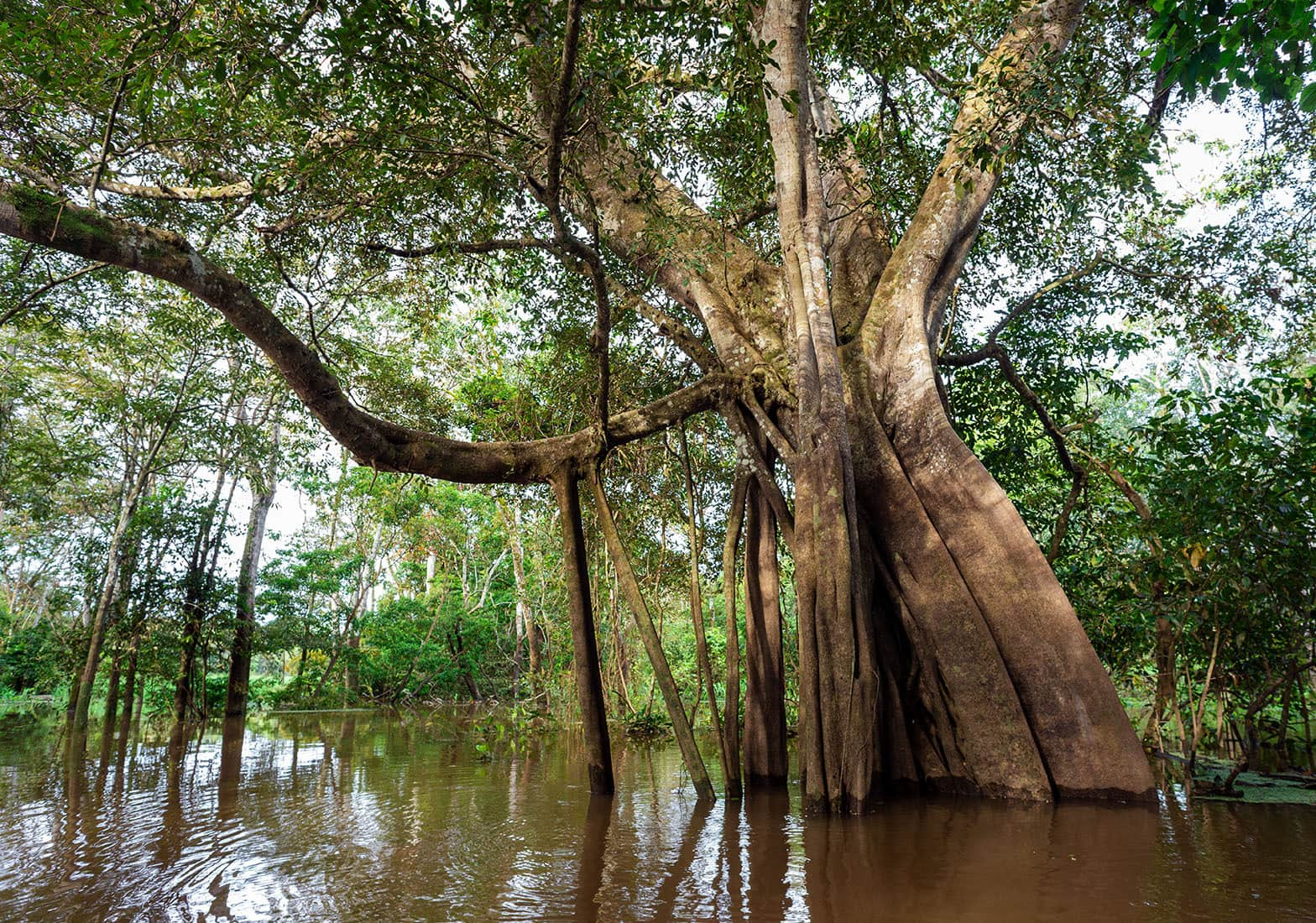
In the heart of the Brazilian Amazon lies a stretch of protected rainforest larger than Costa Rica, a vast expanse of pristine canopy bustling with life: the Mamirauá Sustainable Development Reserve. Groundbreaking not only for its size, but its novel approach to conservation, the reserve was the brainchild of Brazilian primatologist, conservationist and Rolex Awards Laureate José Márcio Ayres.

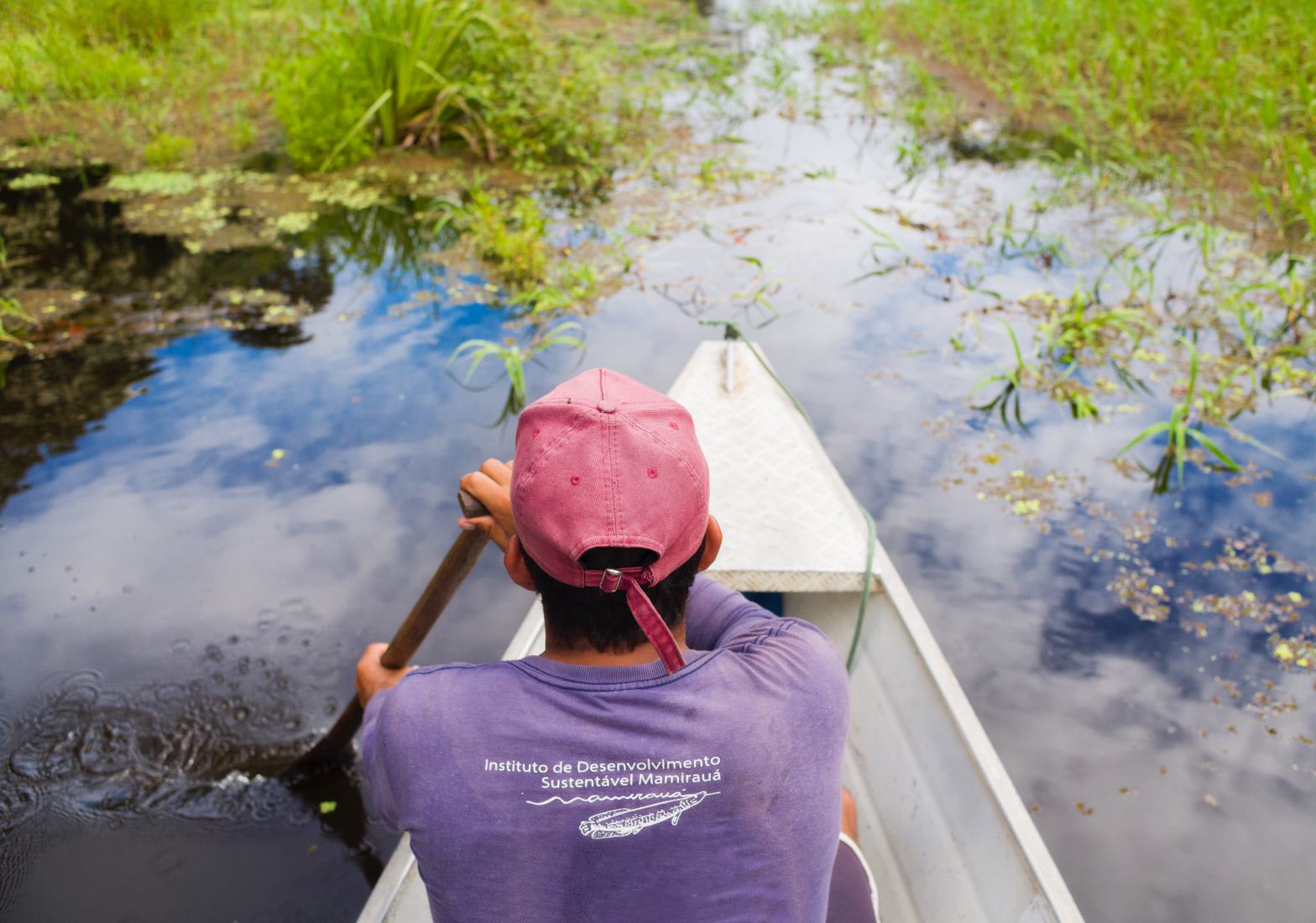
He was initially drawn to the area by the bald uakari monkey, a primate with a striking red face whose population had been declining due to deforestation and agriculture. Once there, Ayres devised a new approach to conservation that prioritized the well-being of local people just as much as that of the wildlife they lived alongside. His vision was to enable local people to be the guardians of the forest. Rather than trying to expel them from the area, he gave them access to a different way of earning an income, by becoming reserve managers.

Established in 1996, the Mamirauá Reserve has improved the livelihoods of the 12,500 people living in the area, and reserve managers incorporate community meetings into their expeditions to maintain and expand sustainability measures. “Conservation of the Amazon is impossible without local people, without this dialogue between science and local knowledge,” says Emiliano Esterci Ramalho, Scientific Director of the Mamirauá Institute. Ayres founded the institute in 1999 to support the management of the Mamirauá and Amanã reserves with research, development and education in areas such as sustainable agriculture and forestry, as well as environmental protection and monitoring.

In 2002, Ayres won a Rolex Award in recognition of his work in Mamirauá, which enabled him to expand the project into the adjacent Amanã Reserve, creating what was at the time the largest single area of protected rainforest in the world. Tragically, he passed away just a year after this momentous achievement. However, his work lives on through the people he inspired and the haven of pristine natural beauty he created.
Conservation of the Amazon is impossible without local people, without this dialogue between science and local knowledge.
Today, the Mamirauá Reserve is recognized by the international Ramsar Convention as a wetland of global importance, and part of a larger UNESCO World Heritage Site. Ayres’ model for community-based conservation was so successful that it has been replicated around the world, including in more than 30 reserves in the Amazon, and as far afield as East Africa.
Ayres has been succeeded by João Valsecchi do Amaral and Ana Rita Alves as Executive Directors of the reserve, as well as the scientific team at the Mamirauá Institute. Before becoming Scientific Director of the organization, Ramalho was an intern studying arapaima in Mamirauá’s lakes. He only met Ayres briefly, but it was the conservationist’s encouragement to return to Mamirauá to study jaguars that led to Ramalho spending the next 20 years living and working in the sustainable development reserve to understand and protect the animals he loves.

Ayres’ passion and innovation continues to draw new collaborators to Mamirauá, such as French bioacoustics scientist Michel André. The pair met in Tokyo in 2002, when they received their Rolex Awards. André was recognized for inventing an underwater device that picks up the sounds of whales and alerts nearby ships to avoid collisions.

During the course of the week they spent in the Japanese capital, André and Ayres bonded over their love of the Amazon. André was interested in dolphin communication and, having devoted his life to the preservation of the rainforest, Ayres had many stories to share. After receiving their awards, they returned to their respective pioneering work in distant corners of the globe.

Our ambition is to cover the whole Amazon rainforest across the nine countries.
A decade later, André took his daughters to see the Amazon and its iconic pink river dolphins. It was only on arrival that André realized the reserve he and his family were staying in was the one founded by Ayres. André was astounded not only by the coincidence, but by the incredible biodiversity surrounding him. Upon hearing that Ayres had passed away, he felt compelled to contribute his own expertise. Partnering with Ramalho, he began to develop ways of using sound to understand and preserve the rainforest and its inhabitants.
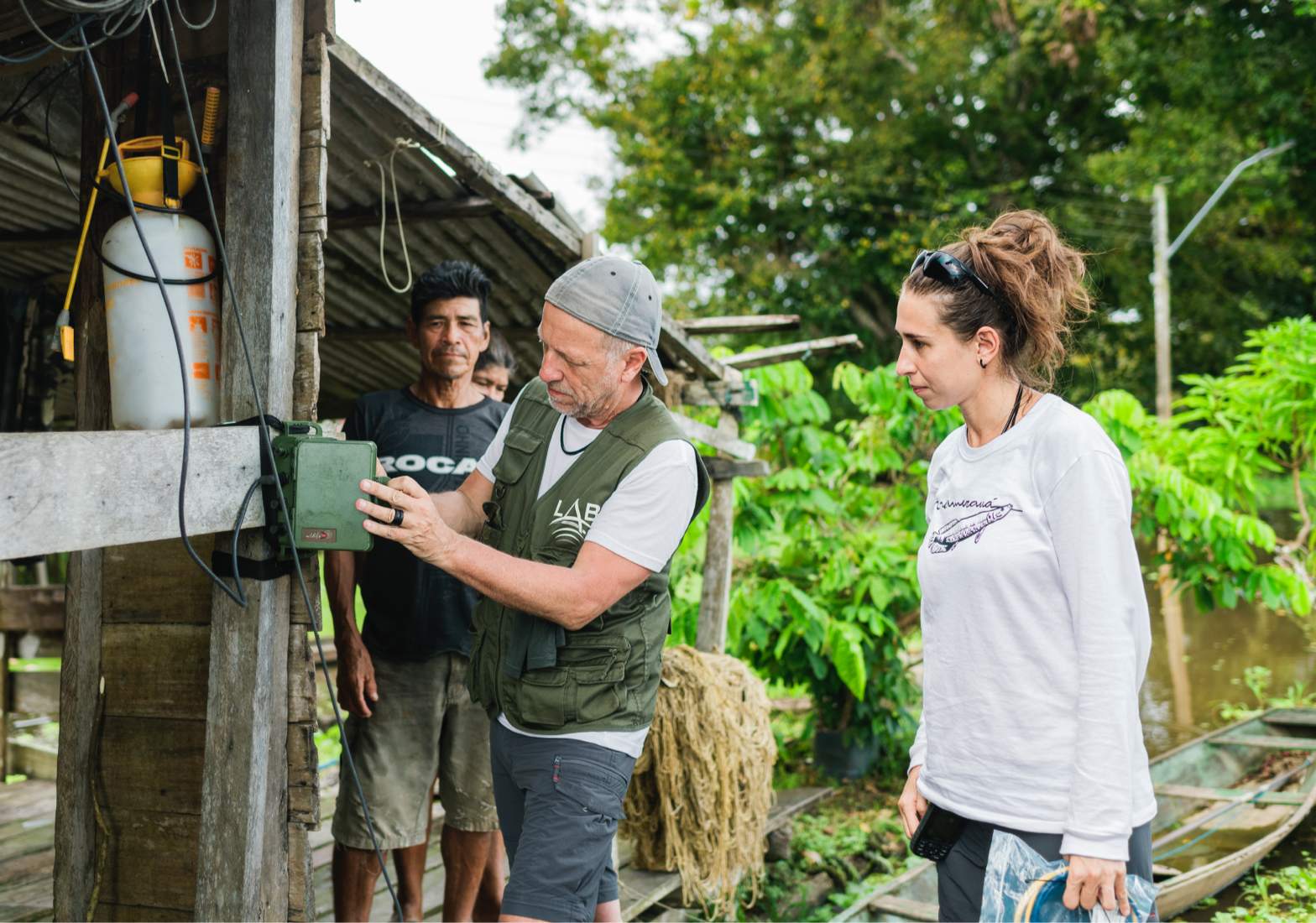
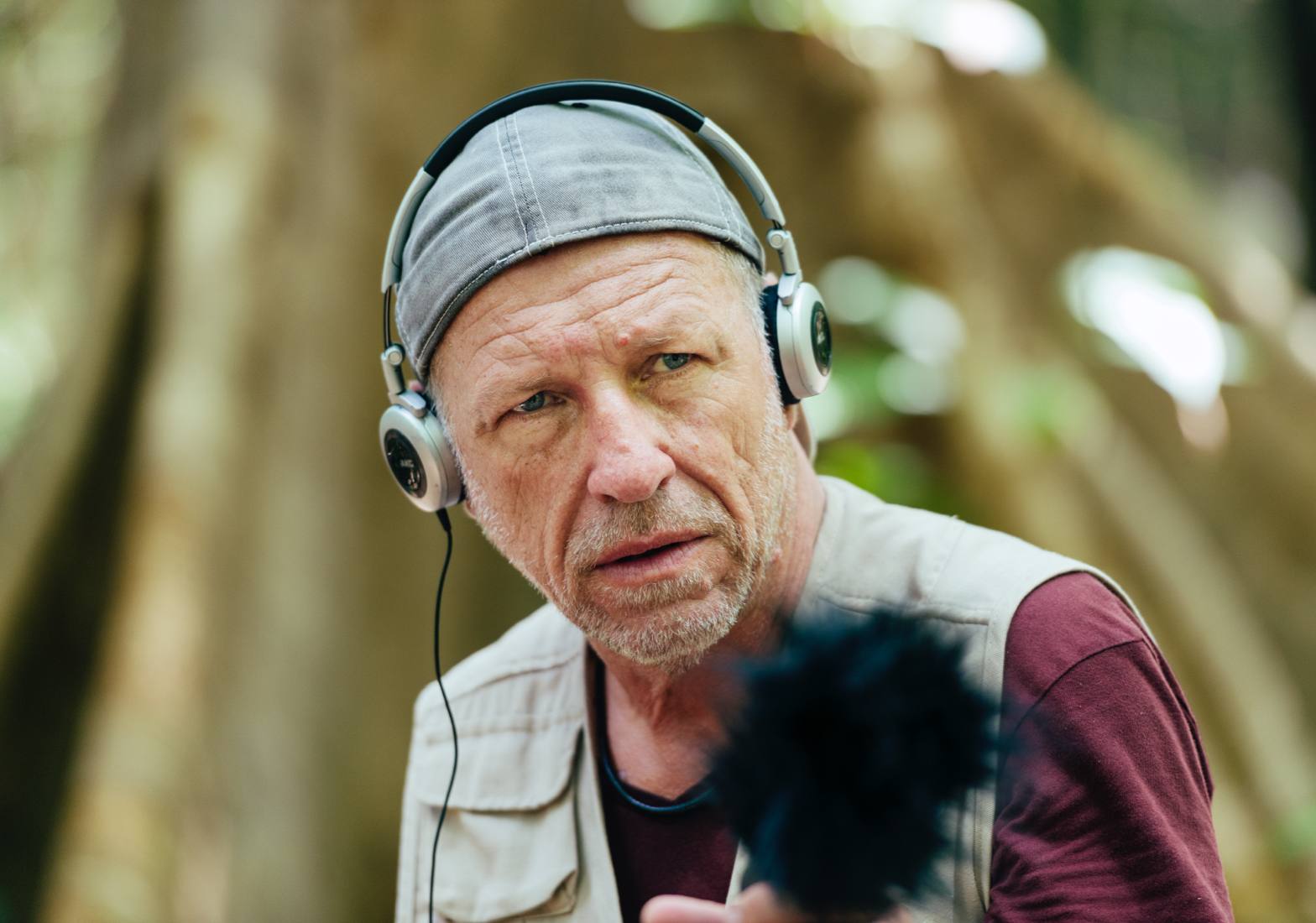
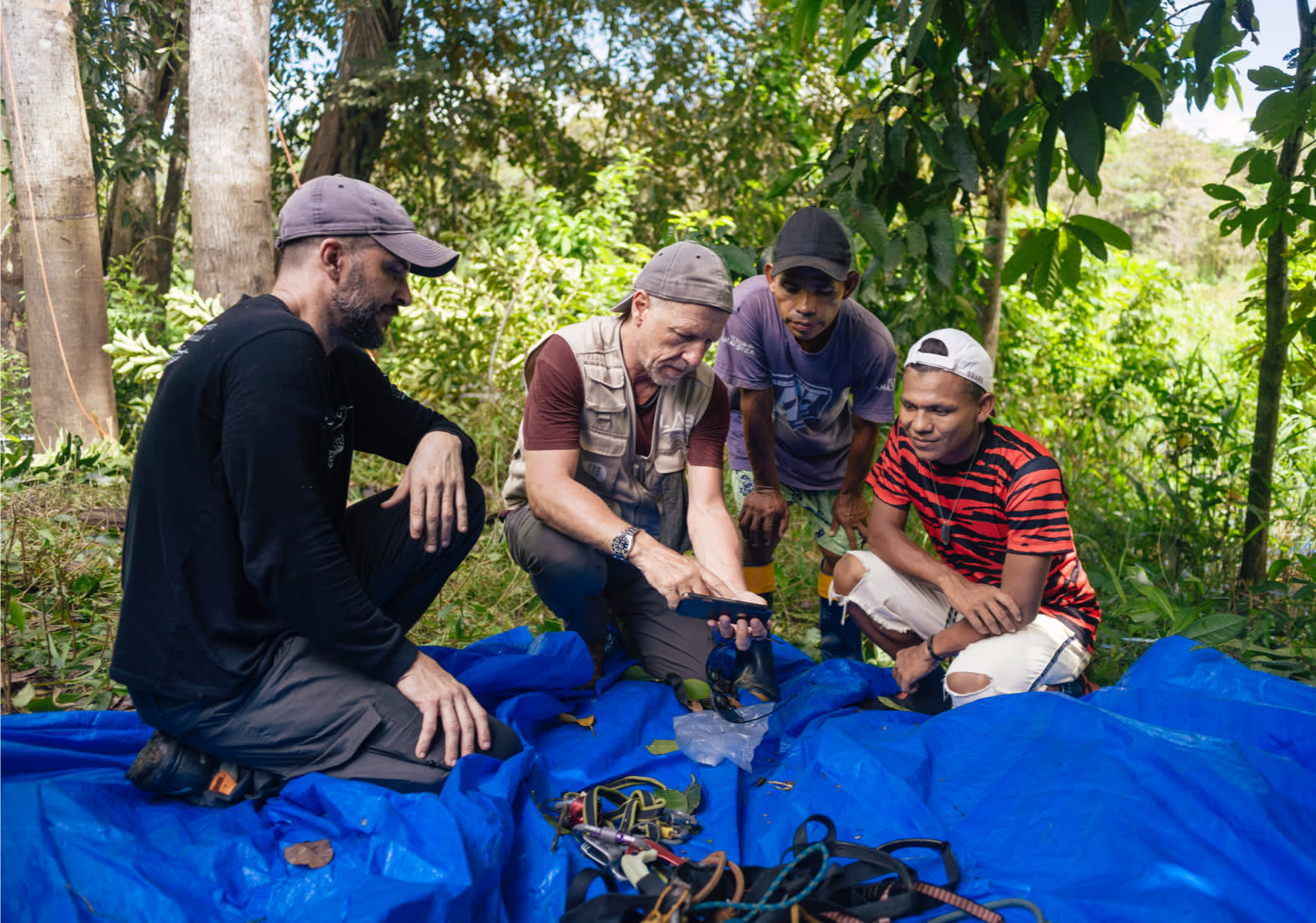
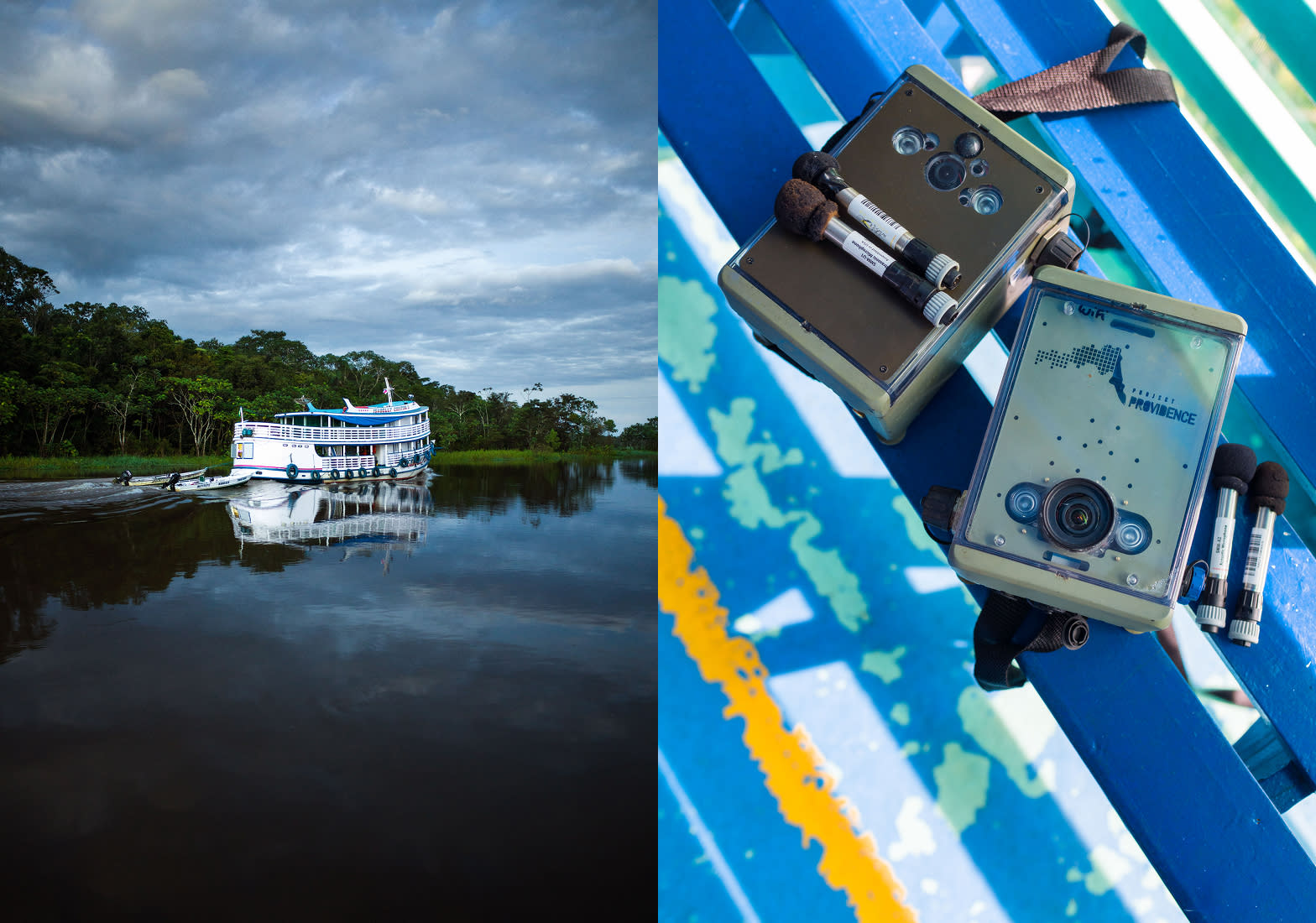
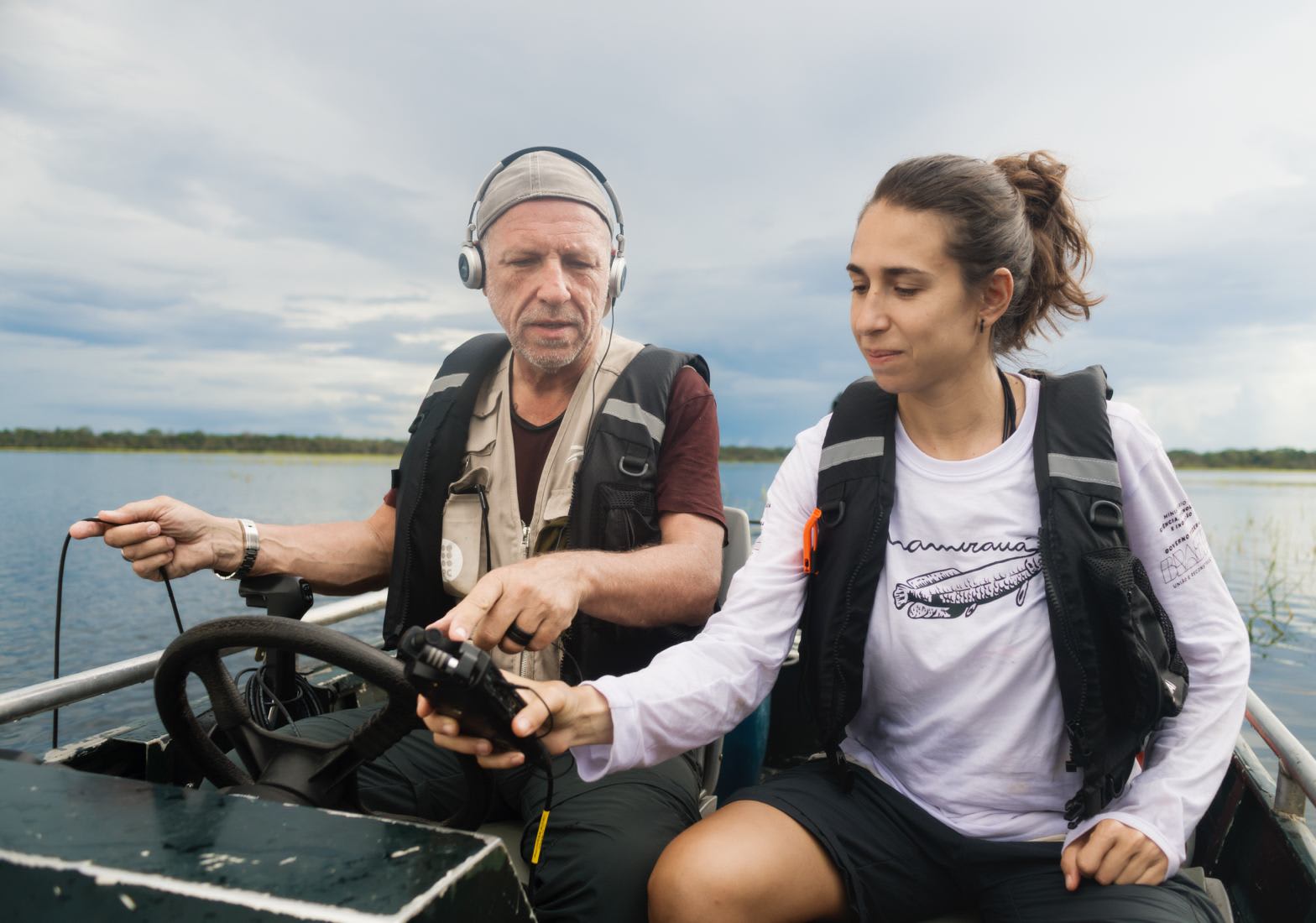
Inspired by Ayres’ unwavering commitment and vision, the pair launched the ambitious and innovative Project Providence. André, Ramalho and their team employ the latest bioacoustics technology to assess and monitor biodiversity and ecosystems through sound. The information they collect will be used to campaign for more protection by demonstrating to local people and national governments alike the vital need to preserve these resources.

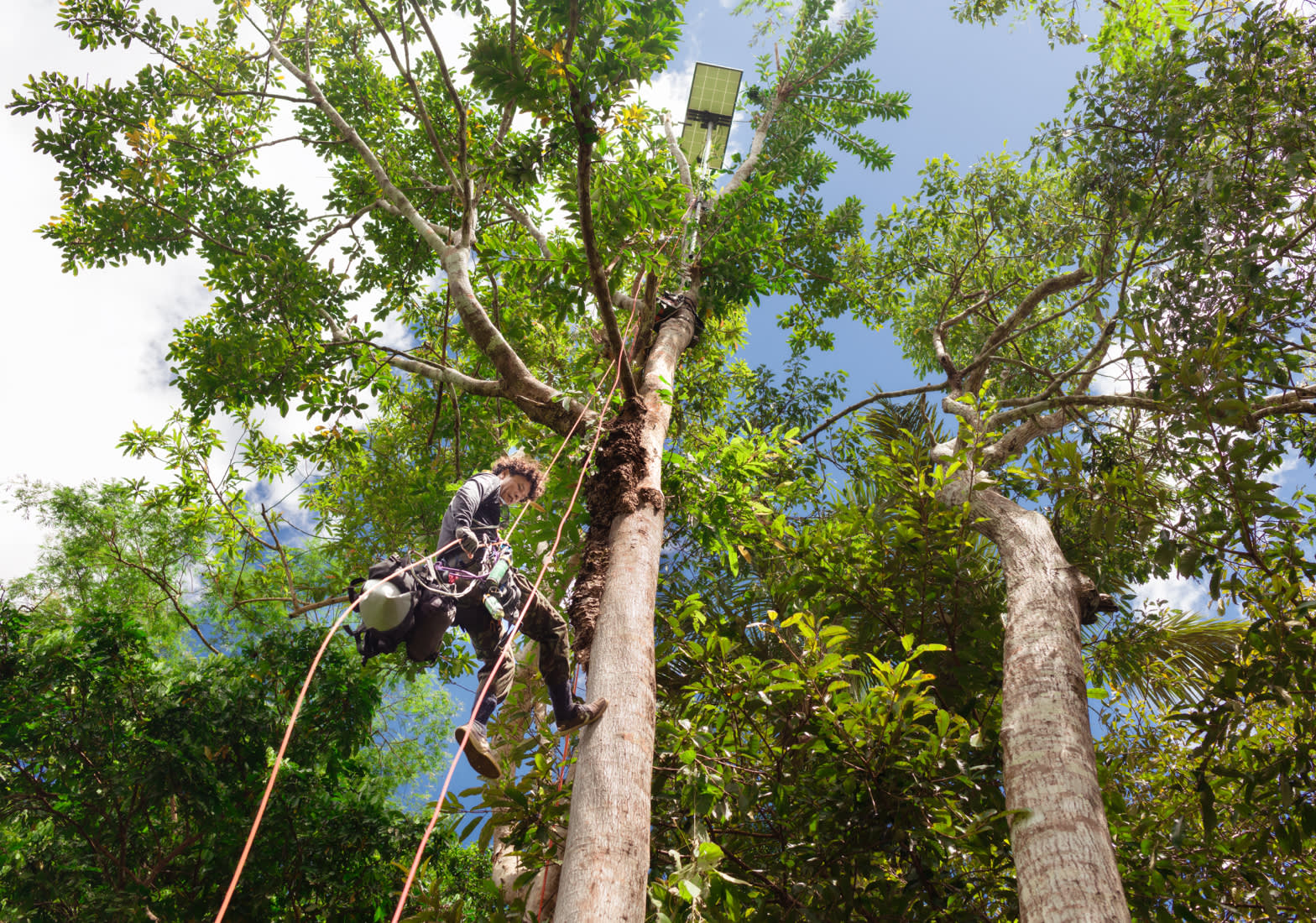
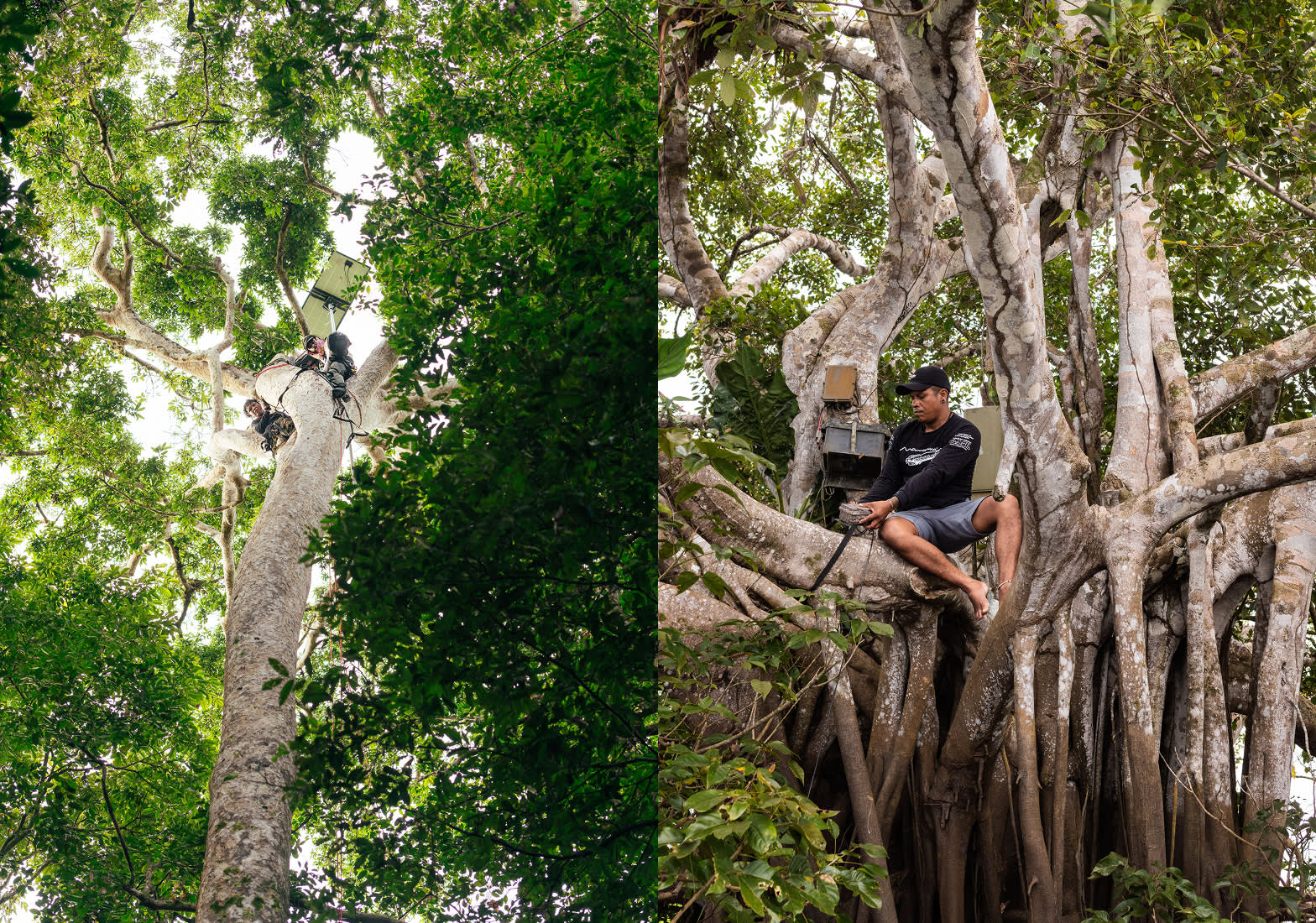
The team has installed a network of acoustic sensors, known as nodes, throughout the Mamirauá Reserve. The nodes record across a range of wavelengths and can pick up sounds across several kilometres. “The technology behind Project Providence was born in the ocean, where we developed this capacity to monitor automatically in real time,” explains André. The nodes send the sounds to servers, at which point artificial intelligence is applied to the database to identify sources and measure the abundance of different species.

By analysing the masses of data extracted, André and Ramalho are beginning to build a multi-layered picture of biodiversity and habitat in the rainforest. Eventually they plan to replicate their network of nodes as a means of biodiversity research across the entire Amazon rainforest. Almost 100 nodes have already been installed from the Andes to the Atlantic Ocean. “We are going to Bolivia, Peru, Ecuador, following the Amazon River,” explains André, “our ambition is to cover the whole Amazon rainforest across the nine countries.” If they manage this feat, built on the foundation of Ayres’ remarkable efforts, it could give new insight into the Amazon’s wildlife, and may reveal ways to improve its protection.