
You can collect some data from space, but there’s certain information you can only get from being there on the ground.

Published in
The first woman to ski solo across Antarctica, Felicity Aston has dedicated her life to polar exploration and preservation. With support from the Rolex Perpetual Planet Initiative, her latest Arctic expedition has been a challenge that has borne unexpected fruit.
In 2000, fresh out of university, a young Felicity Aston travelled to Antarctica to work with the British Antarctic Survey as a meteorologist. She stayed there for the next two-and-a-half years recording data about the region’s climate and found herself falling in love with the “wonderful perfection” of the landscape. A few months into the post, she was sent on her first solo expedition off-base and found herself awestruck by the immensity of the untouched scene. She resolved to understand and protect Earth’s polar regions.

That moment set Aston off on an astonishing, record-breaking career in polar exploration, during which she has undertaken expeditions to the Arctic and Antarctic poles, Greenland, Iceland and Canada: as Aston puts it, “All the cold places in the world.” She often leads all-female teams on these epic expeditions, and in 2012 became the first woman to cross Antarctica alone. In 2015, she was awarded an MBE for services to polar exploration.

That same year, Aston found herself aboard a massive nuclear-powered Russian icebreaker off the North Siberian coast, collecting sea ice data as part of a citizen science programme. When the project’s data was added to a database at the National Snow and Ice Data Center in Denver, Colorado, Aston found it was the only entry from the central Arctic Basin for the year. By 2018, the area was literally disappearing, estimated to have lost 85 per cent of the thickest multi-year sea ice at the time.
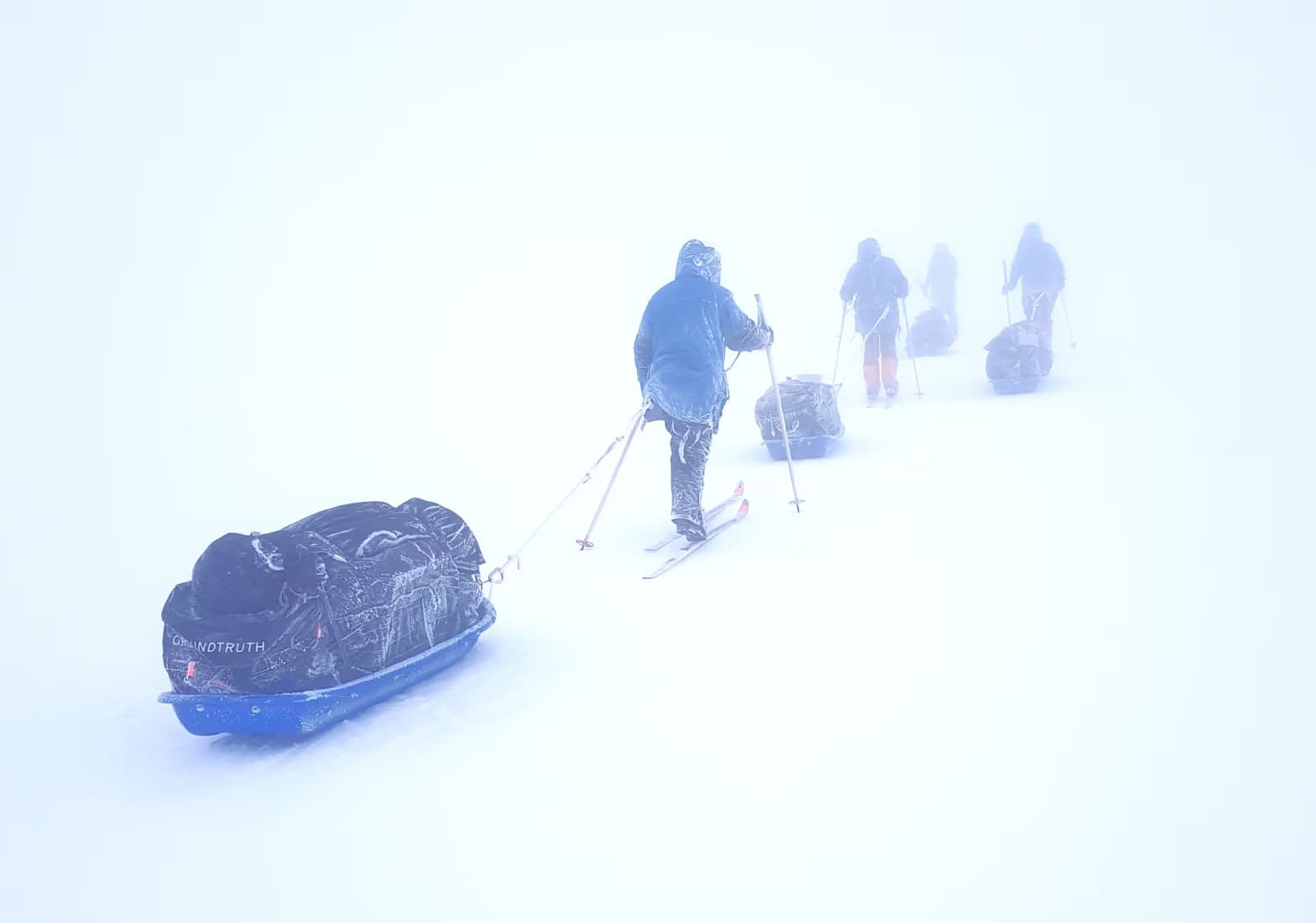
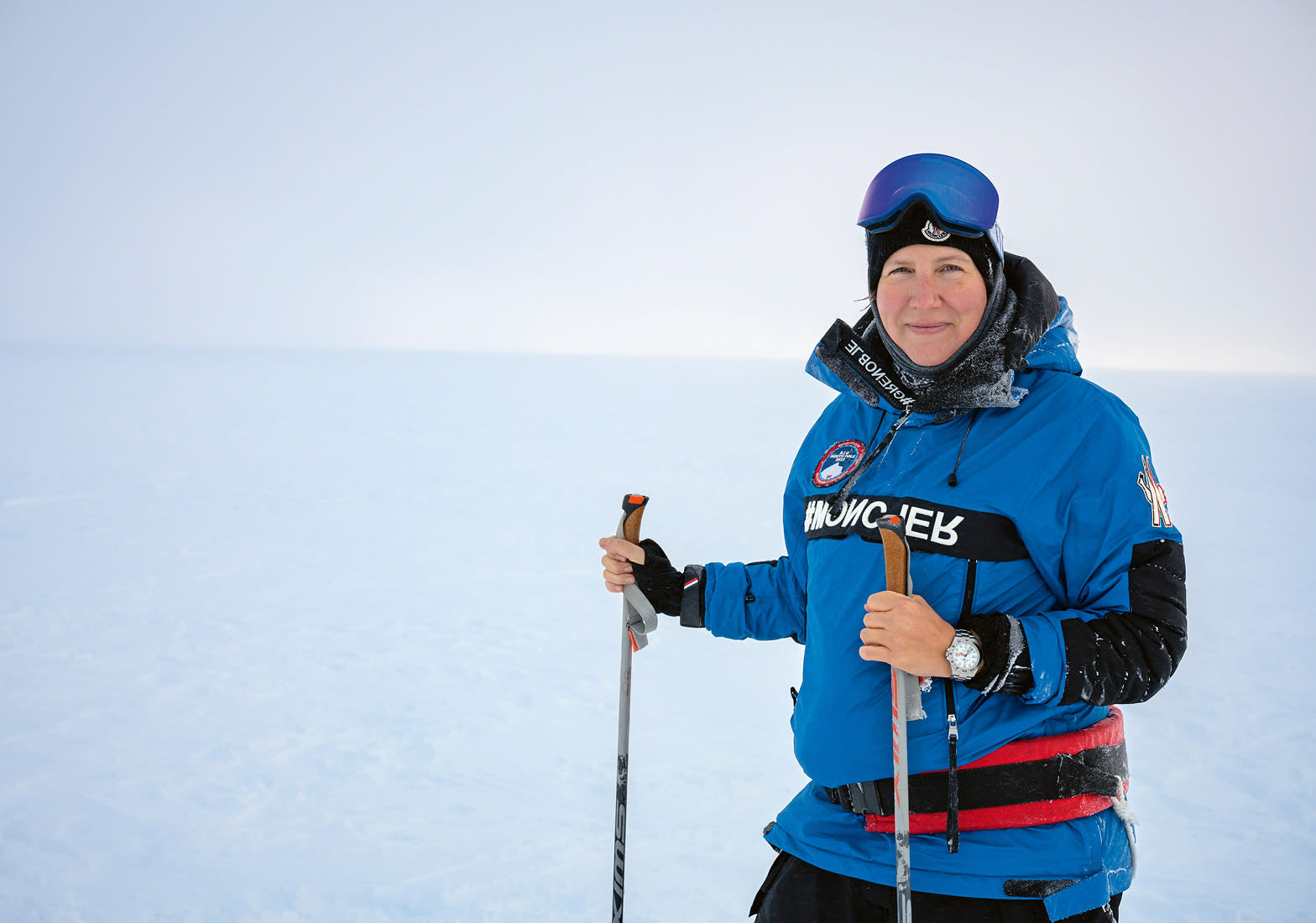
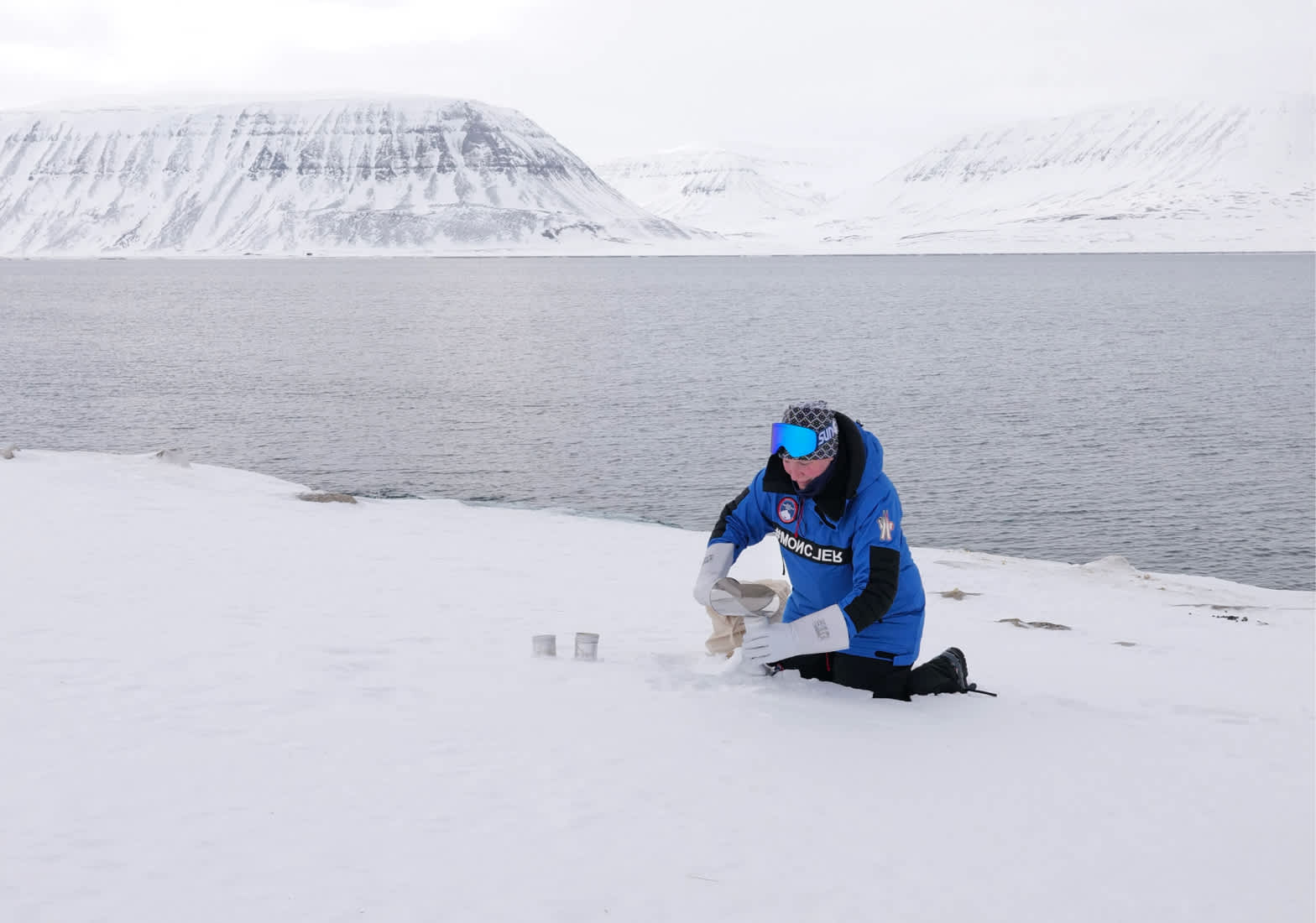
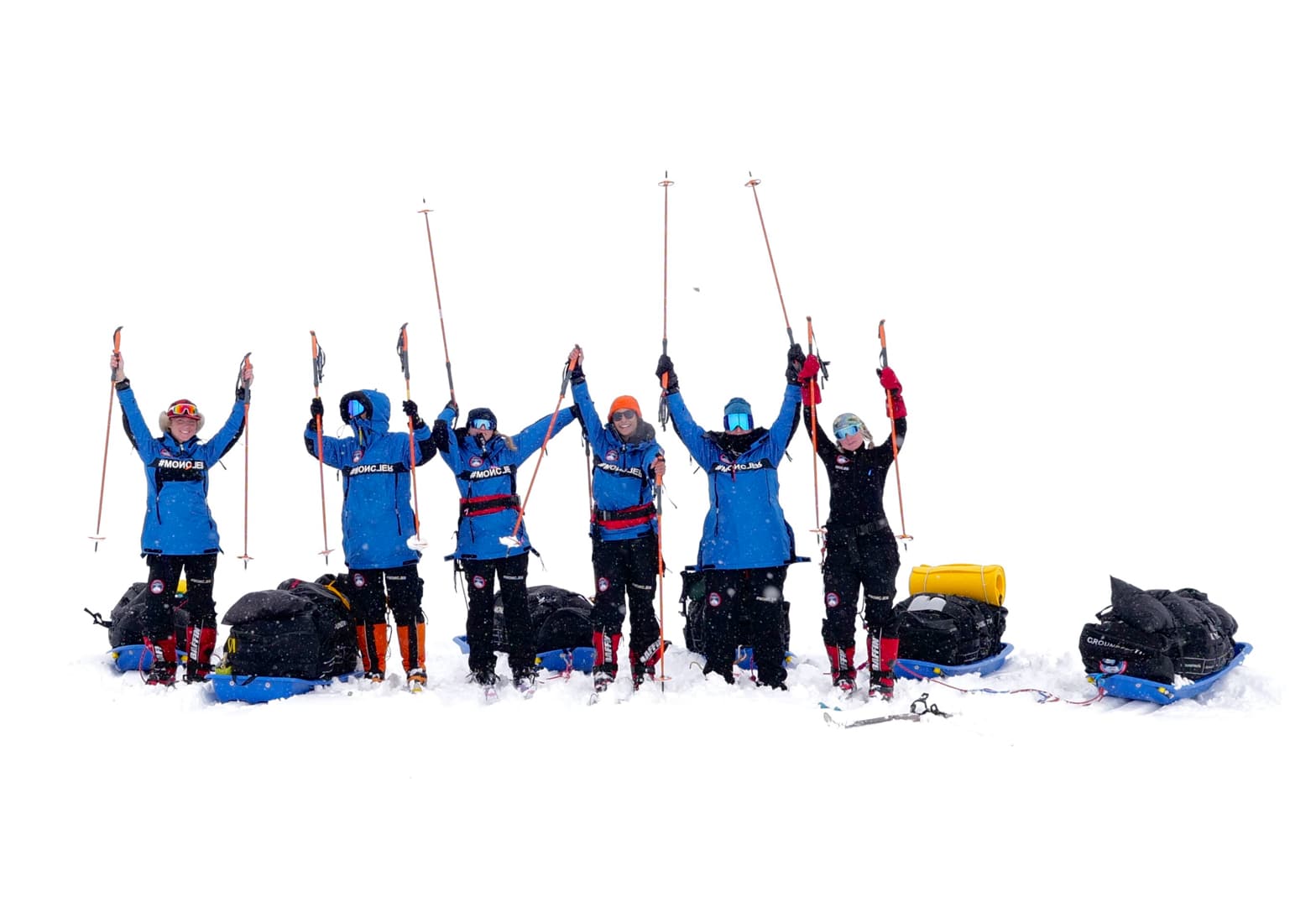
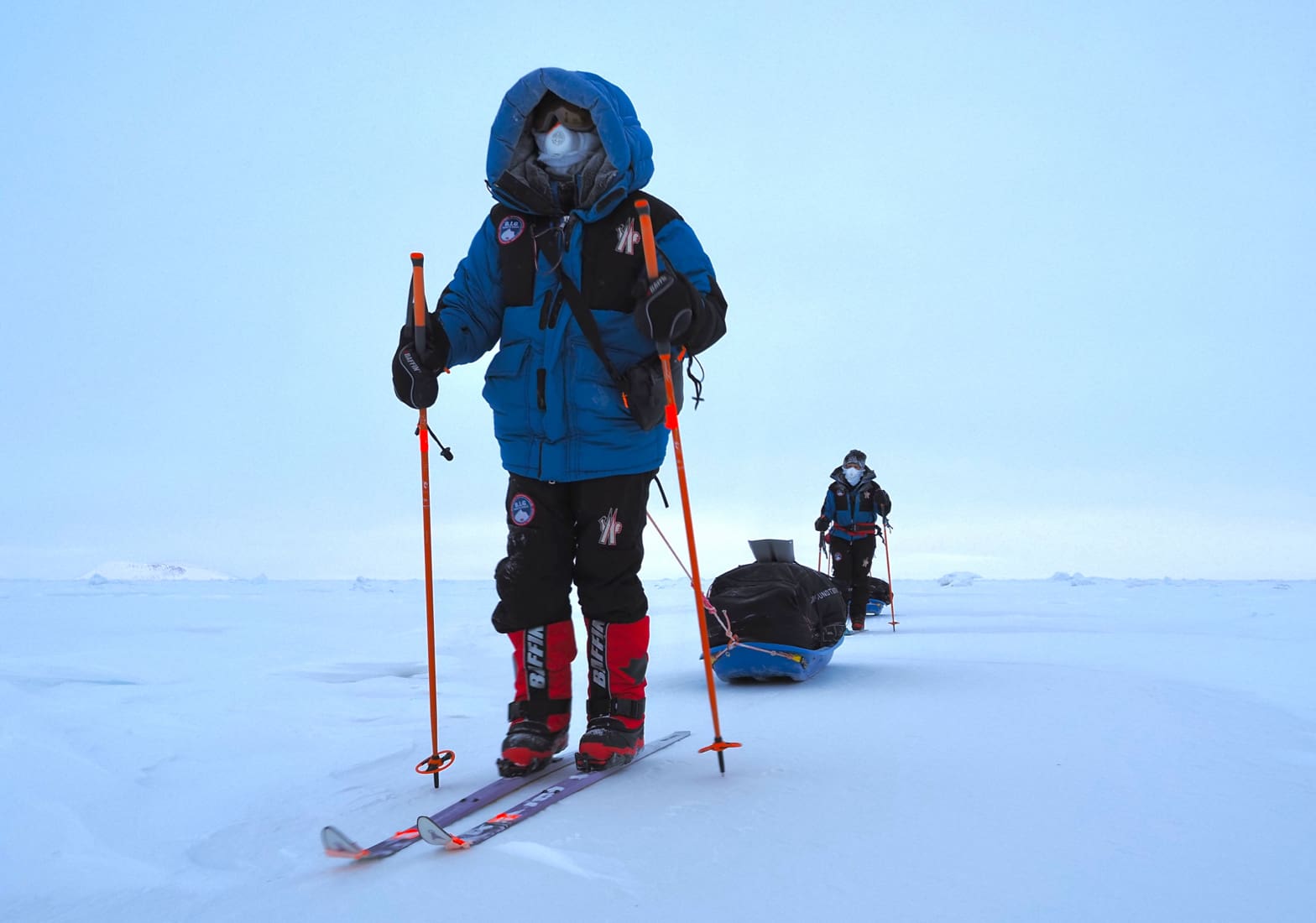
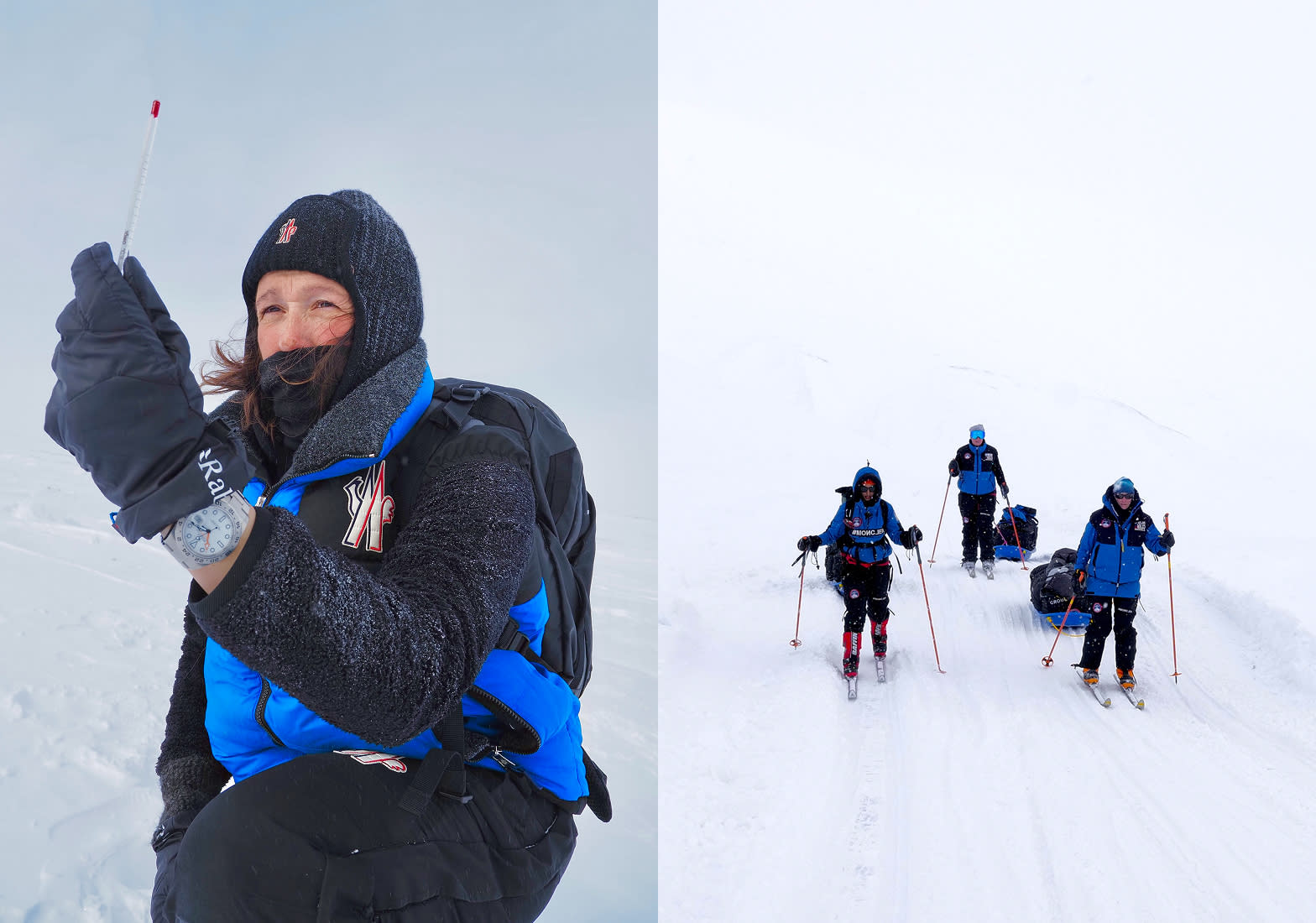
So began the genesis for her latest project, the Before It’s Gone (B.I.G.) Arctic Research Expedition. Aston put together another novice, all-female team with the aim of skiing across the sea ice of the Arctic Ocean to the geographic North Pole – while it is still possible – and collecting crucial ice and atmospheric data as they went. As Aston puts it: “You can collect some data from space, but there’s certain information you can only get from being there on the ground.” However, their expedition turned out to be a far more complex and problematic venture than she had ever imagined.
You can collect some data from space, but there’s certain information you can only get from being there on the ground.
The team’s first two attempts to reach the North Pole, in April 2022 and 2023, were redirected due to the failing integrity of the sea ice, first to Svalbard, a Norwegian archipelago in the Arctic Ocean, then to Iceland’s northernmost glacier, Drangajökull.

Svalbard being one of the world’s northernmost inhabited areas, the team was prepared for temperatures of -20˚ C. Instead, they hovered at around zero and most days it rained. The team had to contend with equipment designed for cold weather becoming waterlogged then freezing solid when temperatures dropped.
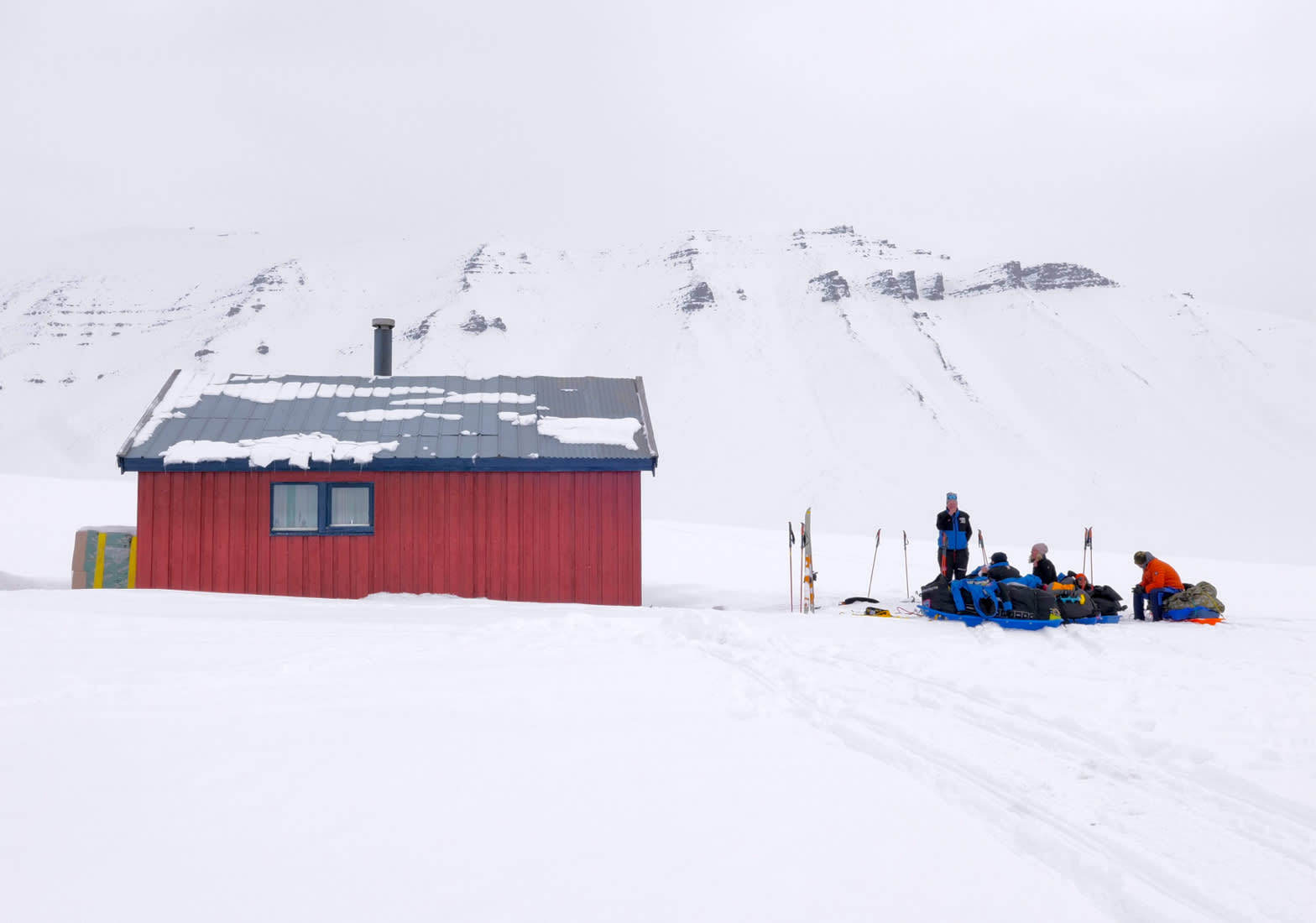
In Drangajökull, they found that where there should have been snow, the valley leading to the glacier was covered in grass. Their sledges and skis soon became a hindrance as they dragged them over across the dry terrain, “hopping from snow patch to snow patch”. According to Aston, “It was the biggest challenge of the entire trip.”

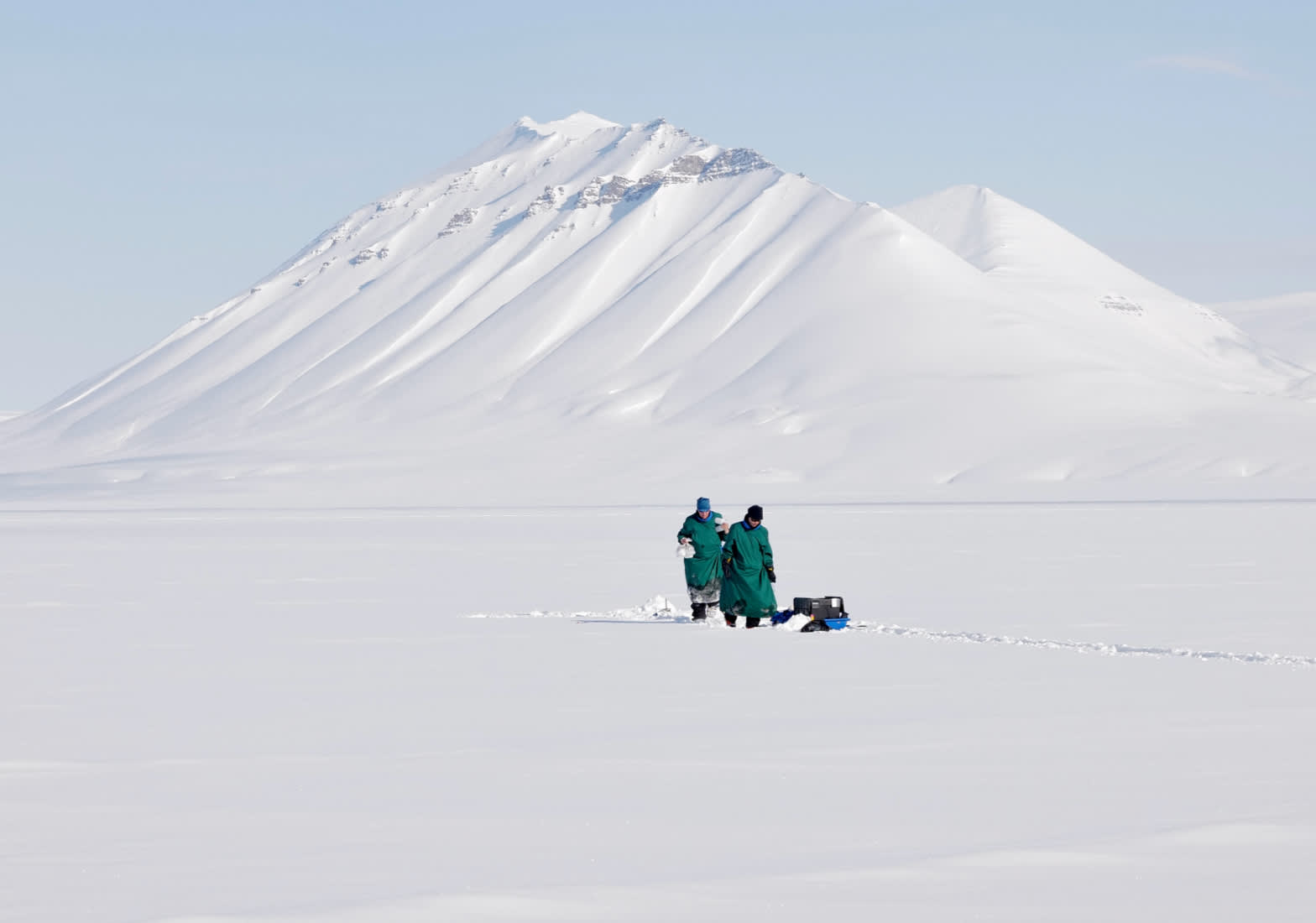
However, the team persevered, and managed to collect crucial snow and ice samples in both locations, proving the worth of their expeditions despite the obstacles they faced.

In the spring of 2024, the team was forced to cancel its third attempt to reach the North Pole, realizing that the conditions made it impossible (a decision vindicated by the fact that nobody reached the North Pole in that season). Instead, they set out on an expedition to take samples in the Canadian Arctic.
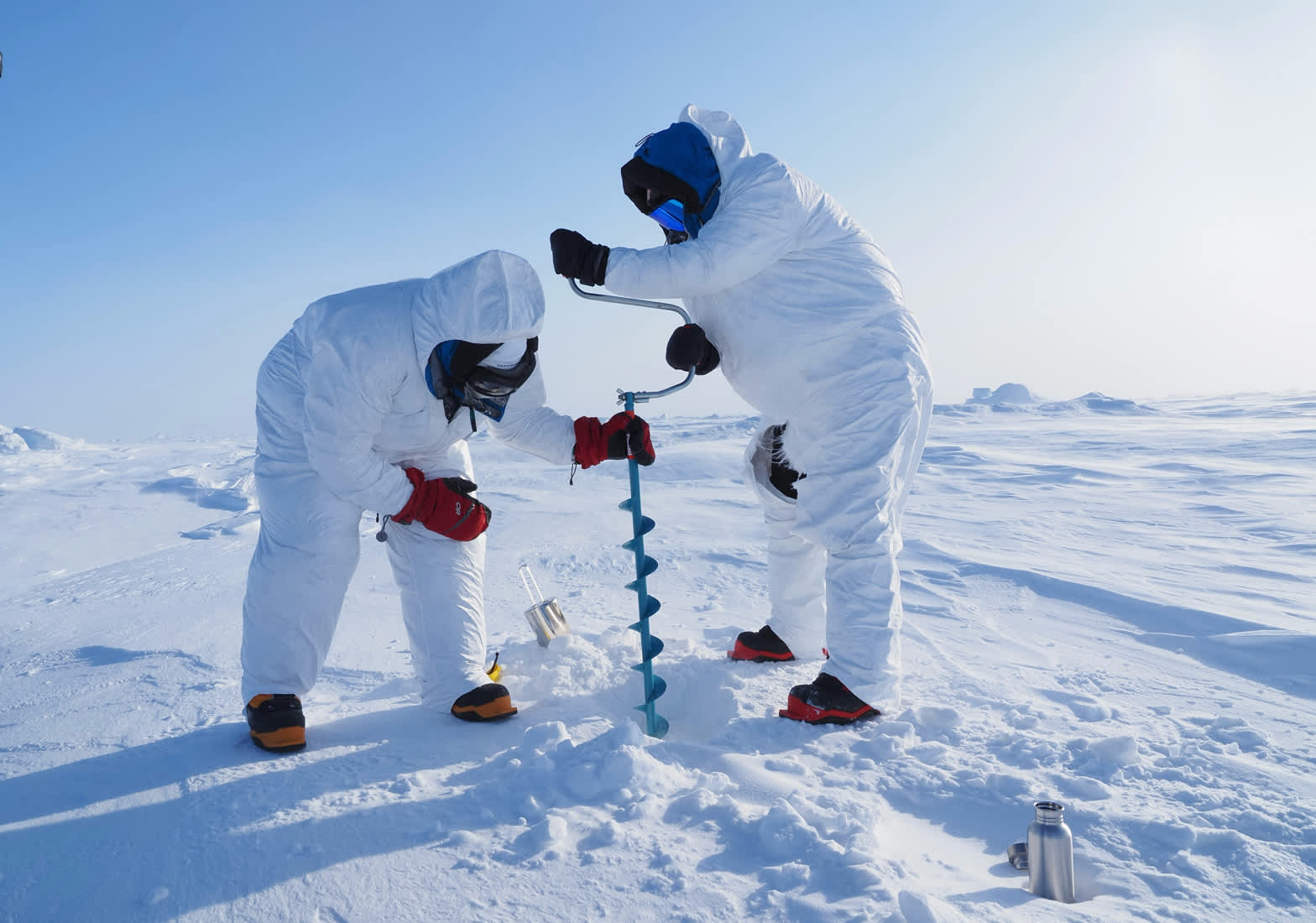
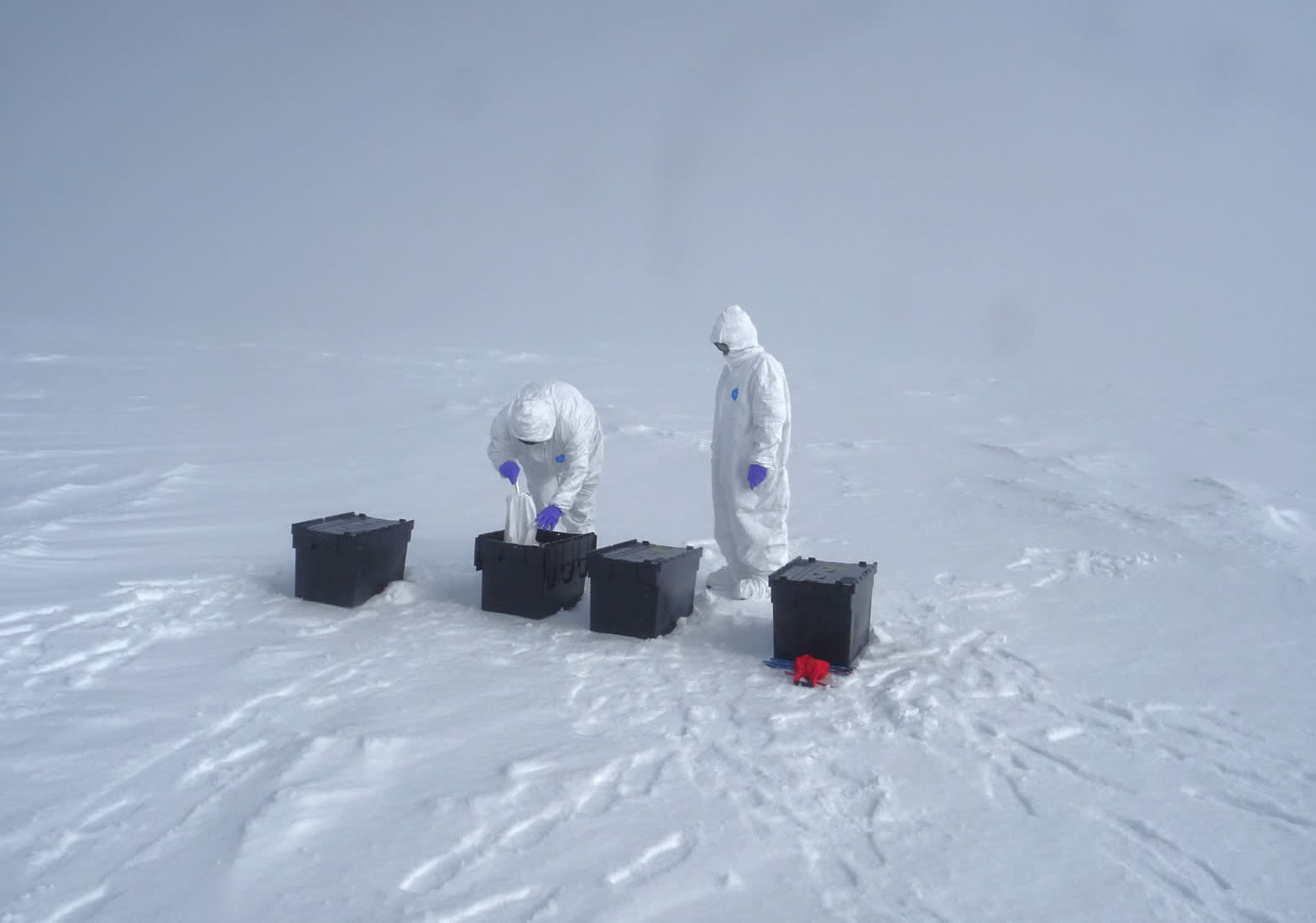
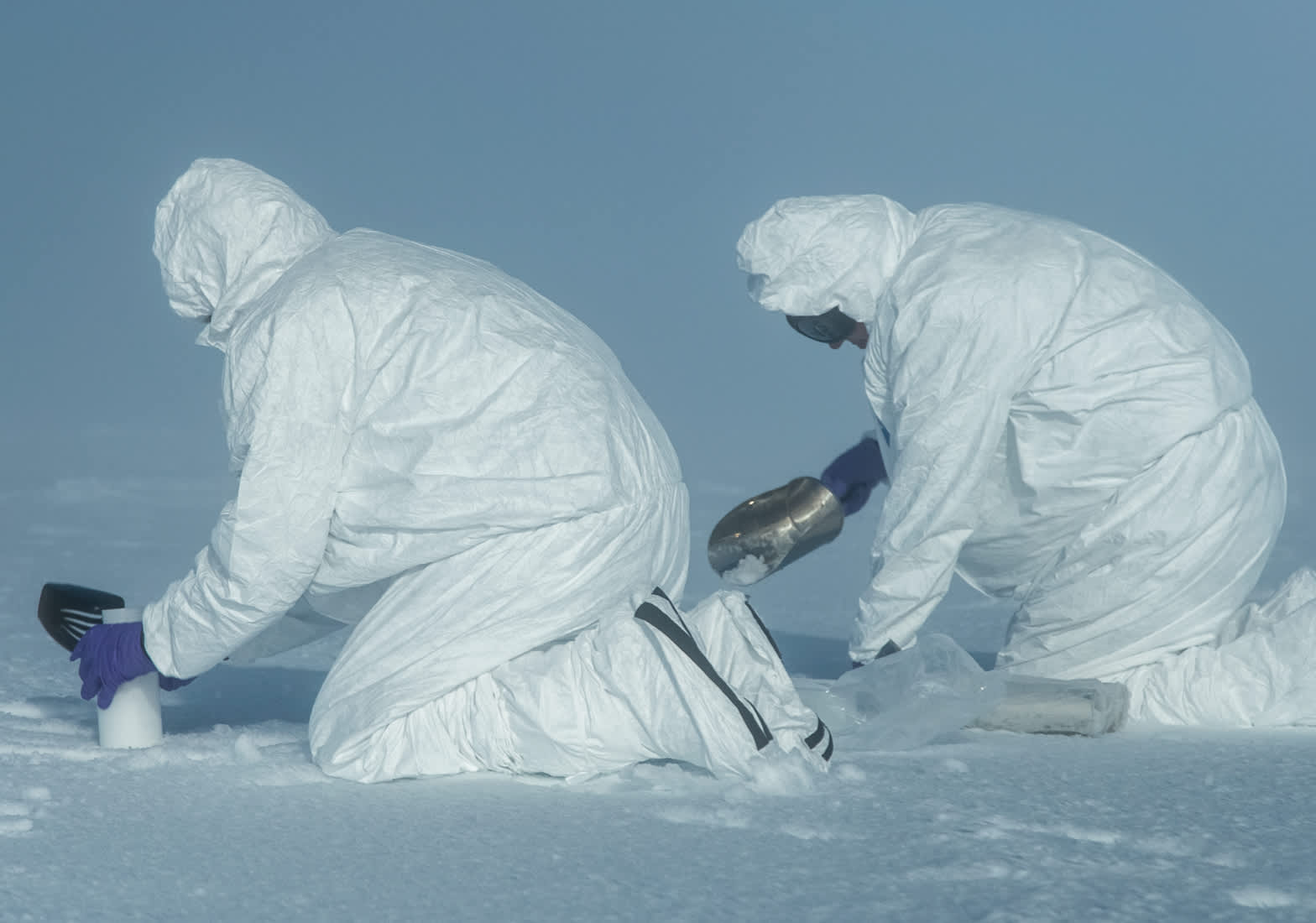
Once again however, conditions were against them. A chain of storm systems delayed them for so long that they were left with only six days on the ice. Once there, they were pinned down in their tents by further storms and unable to collect any samples. Eventually, they were informed they would be collected a day early and it appeared the mission had been a total failure. However, just 17 hours before the plane’s arrival, Aston and her team felt the wind around their camp begin to drop. In a remarkable display of resilience that characterizes the B.I.G. expedition, they then spent the entirety of their remaining time working solidly, managing to collect all of the planned samples by the time they boarded their flight home.

Time after time, the very environmental challenges Aston and her team were investigating ended up thwarting their polar ambitions. However, Aston persevered and showed how a seasoned explorer improvises in the face of adversity – what appeared to be a series of setbacks came to represent an opportunity.

The B.I.G. Expedition was conceived as a single-year journey to the geographic North Pole. Four years later, as a direct result of its many setbacks, it reaches its end as a multi-year, pan-Arctic expedition that has resulted in a wealth of samples taken from three different Arctic environments.

I hope they all feel the scientific contribution that they’ve made as they’re massaging their poor, exhausted muscles.
Among the institutions analysing these samples is the National Oceanography Centre at the University of Southampton, where Aston is carrying out research into airborne microplastics deposited on Arctic sea ice. She, more than anyone, knows what her team went through to gather these samples.
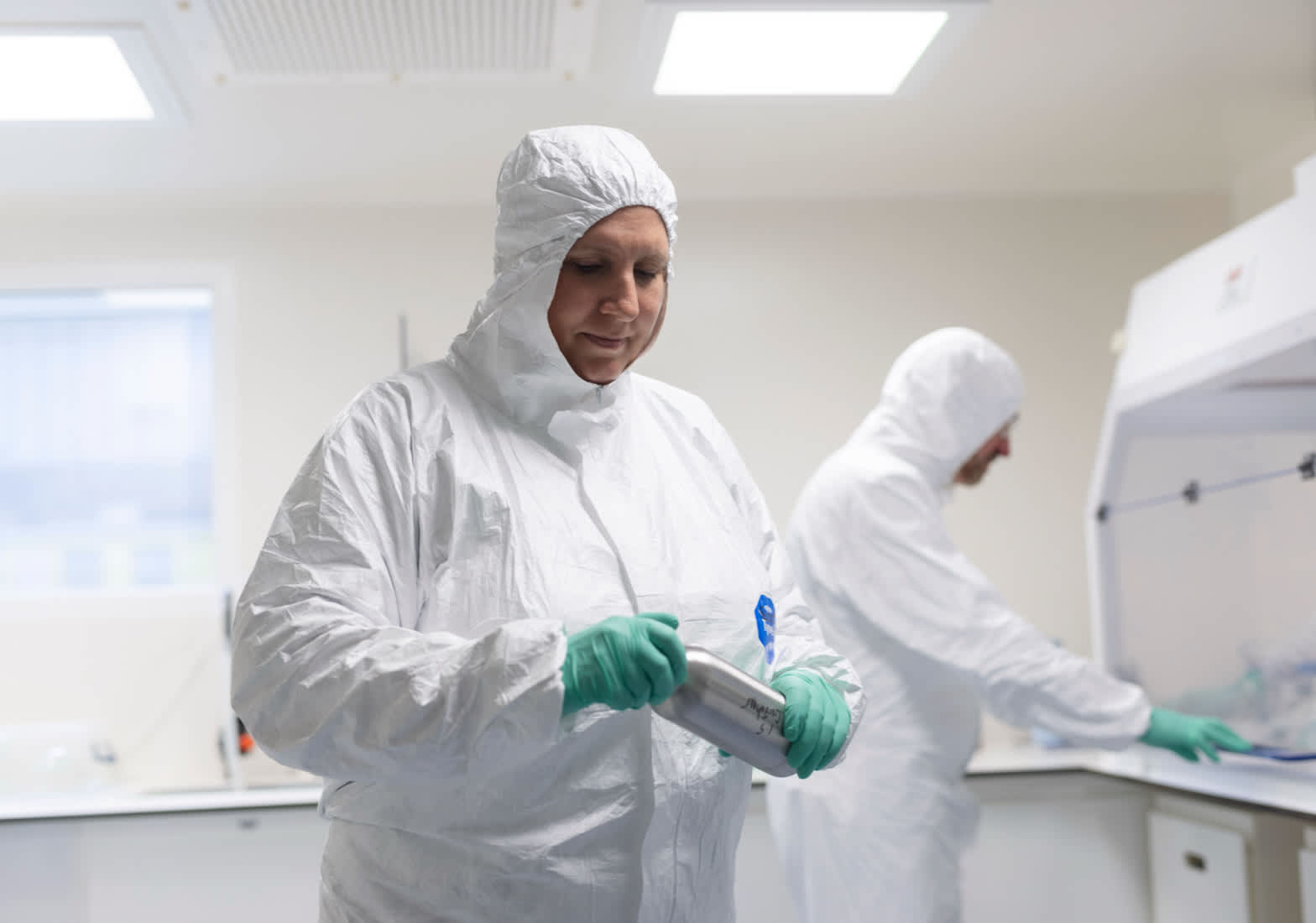
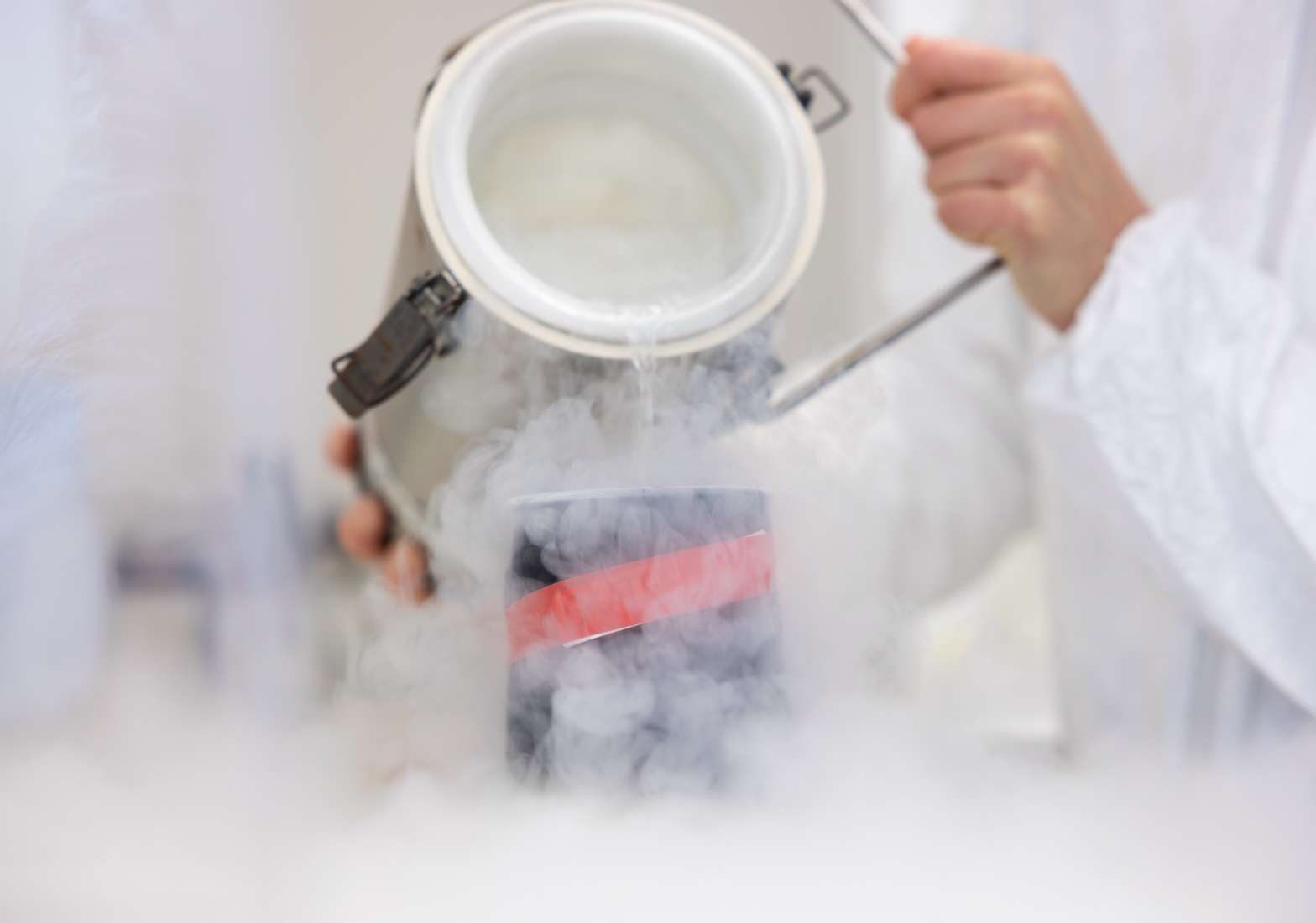
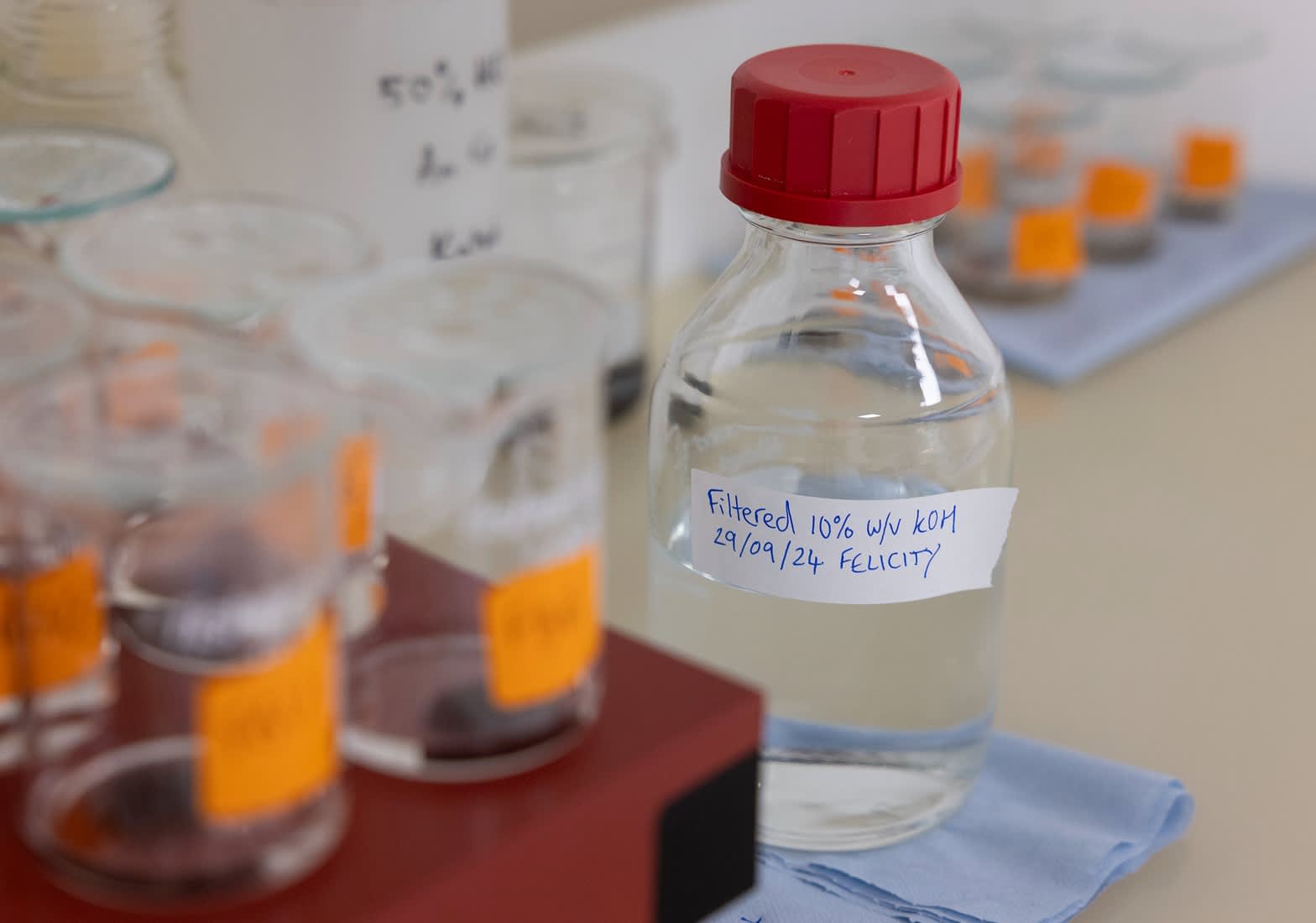
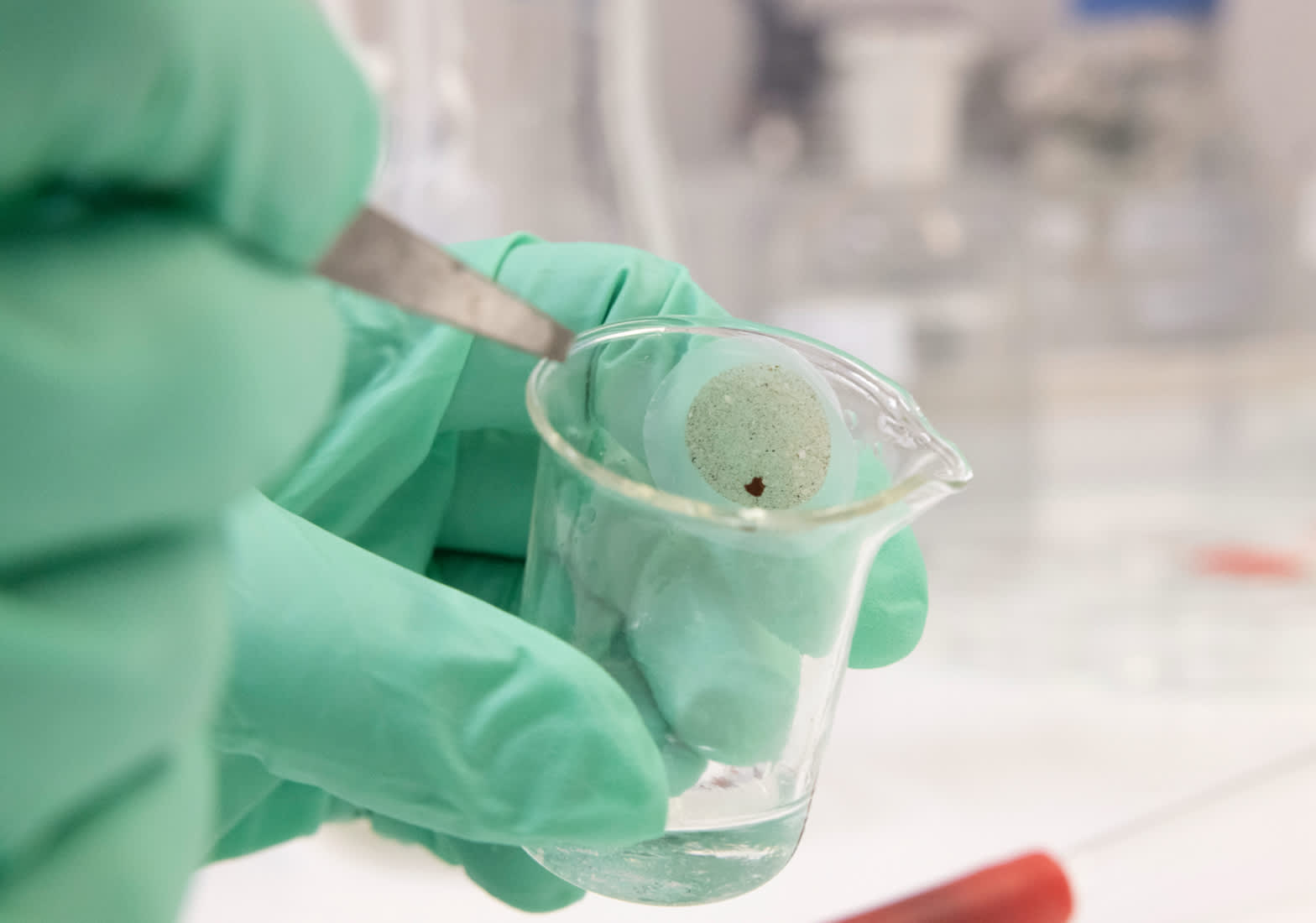
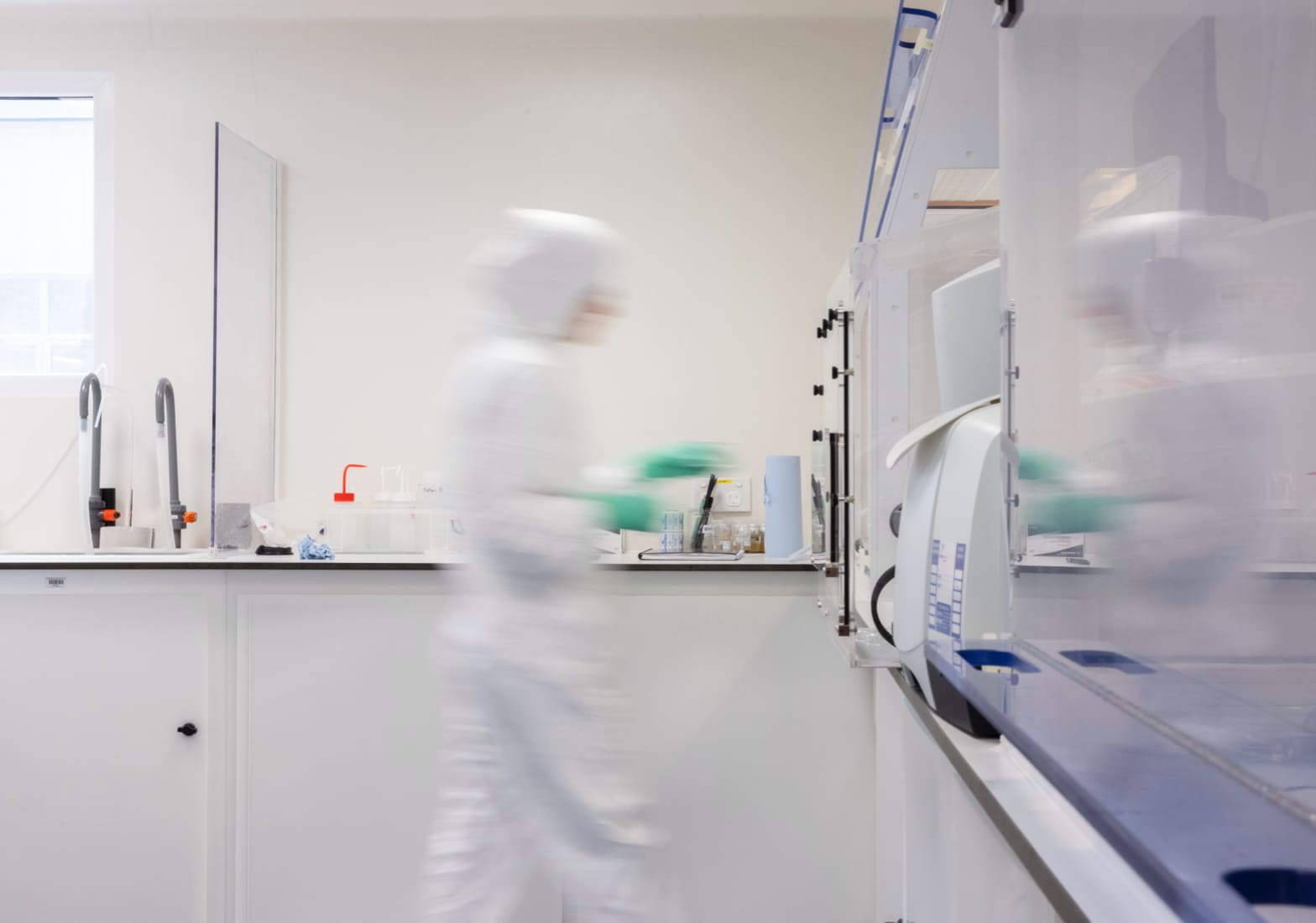
Over the three expeditions, they collected a third of a tonne of snow, ice, and water samples, all hauled on sledges. Their Herculean efforts, supported by the Rolex Perpetual Planet Initiative, secured crucial data that will help protect the polar regions. Aston has nothing but admiration for her team. “I hope they all feel the scientific contribution that they’ve made as they’re massaging their poor, exhausted muscles.”