Shortcuts

Denica Riadini-Flesch
Published in
A part of the Perpetual Planet Initiative, the Rolex Awards for Enterprise support exceptional individuals who have the courage and conviction to take on major challenges, initiating extraordinary projects that make the world a better place.
All episodes
Episode 1 – 2024
A lineage of craft
Episode 2 – 2024
The Earth’s rhythm
Episode 3 – 2024
The ripple effect


Regenerating land, lives and tradition in Indonesia
Social entrepreneur Denica Riadini-Flesch has succeeded in creating one of the world’s first regenerative farm-to-closet supply chains – SukkhaCitta, meaning happiness. Determined to empower rural artisans in Indonesia, she has created hundreds of jobs with fair pay for those who craft high-end clothing using traditional and sustainable techniques.
SukkhaCitta’s work begins with cotton, which Riadini-Flesch ensures is sourced sustainably. Farmers working with the brand are taught indigenous techniques to grow cotton while regenerating the earth. In their fields, complementary crops are planted alongside the cotton, each with its own role in revitalizing the over-worked soils. Once the cotton is harvested, spun and woven by the women, it is coloured using natural, plant-based dyes. “We have prevented over 3 million litres of toxic dyes from being dumped into our rivers by using completely natural dyes,” explains Riadini-Flesch.

SukkhaCitta has also established craft schools in villages where women learn traditional agricultural and textile production techniques alongside business skills that enable them to monetize their work. The brand’s website connects them with customers in 32 countries. Riadini-Flesch says: “This project has shown me what you can achieve when you put women and nature at the heart of your decisions.”

Her key driver is to provide people the opportunities to change their own lives. Women’s financial independence can have a dramatic influence on whole communities, and those working for SukkhaCitta have had on average a 60 per cent increase in income. Through this, Riadini-Flesch has seen education and nutrition improve – and consequently the quality of life – in villages where she works.
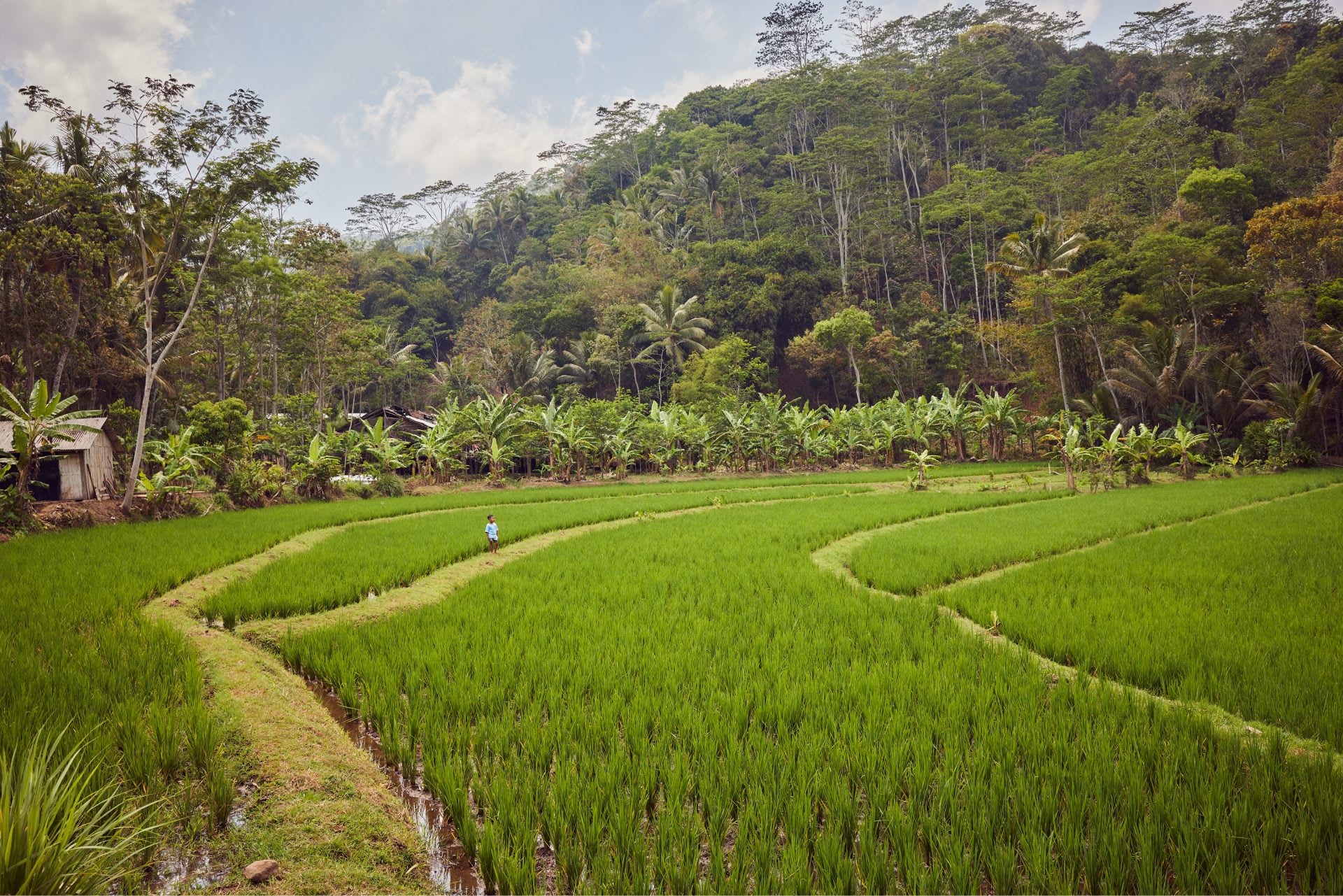
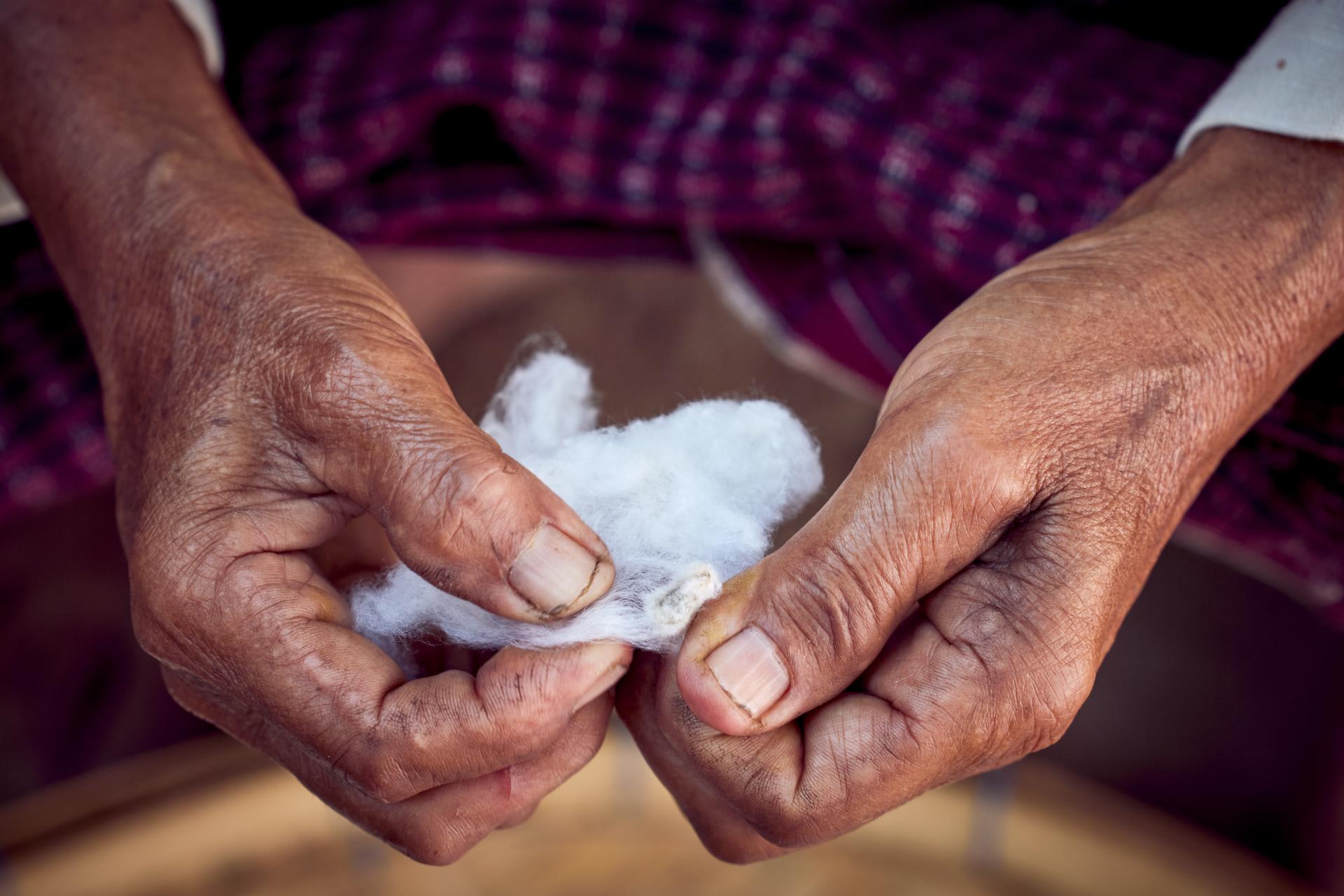
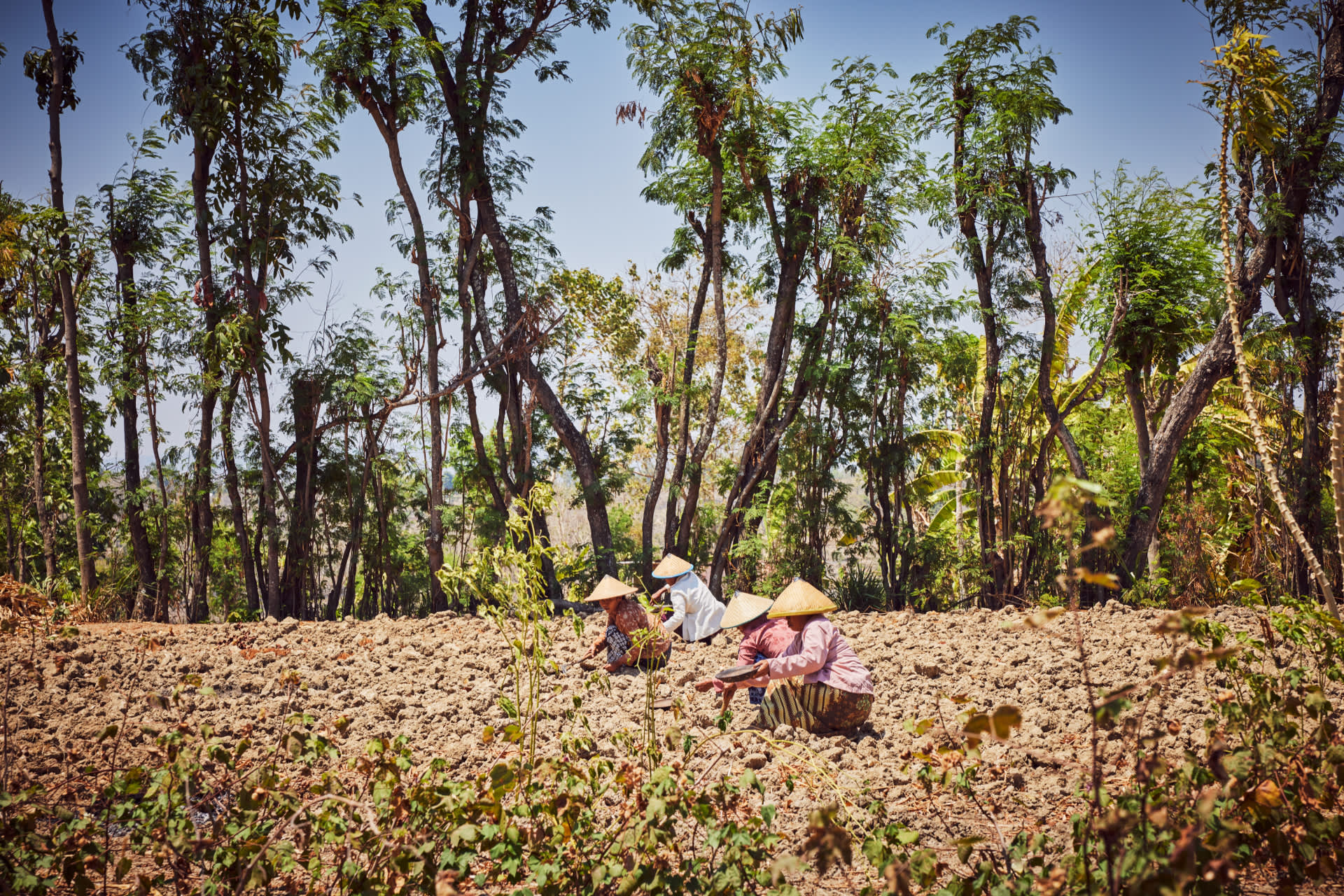
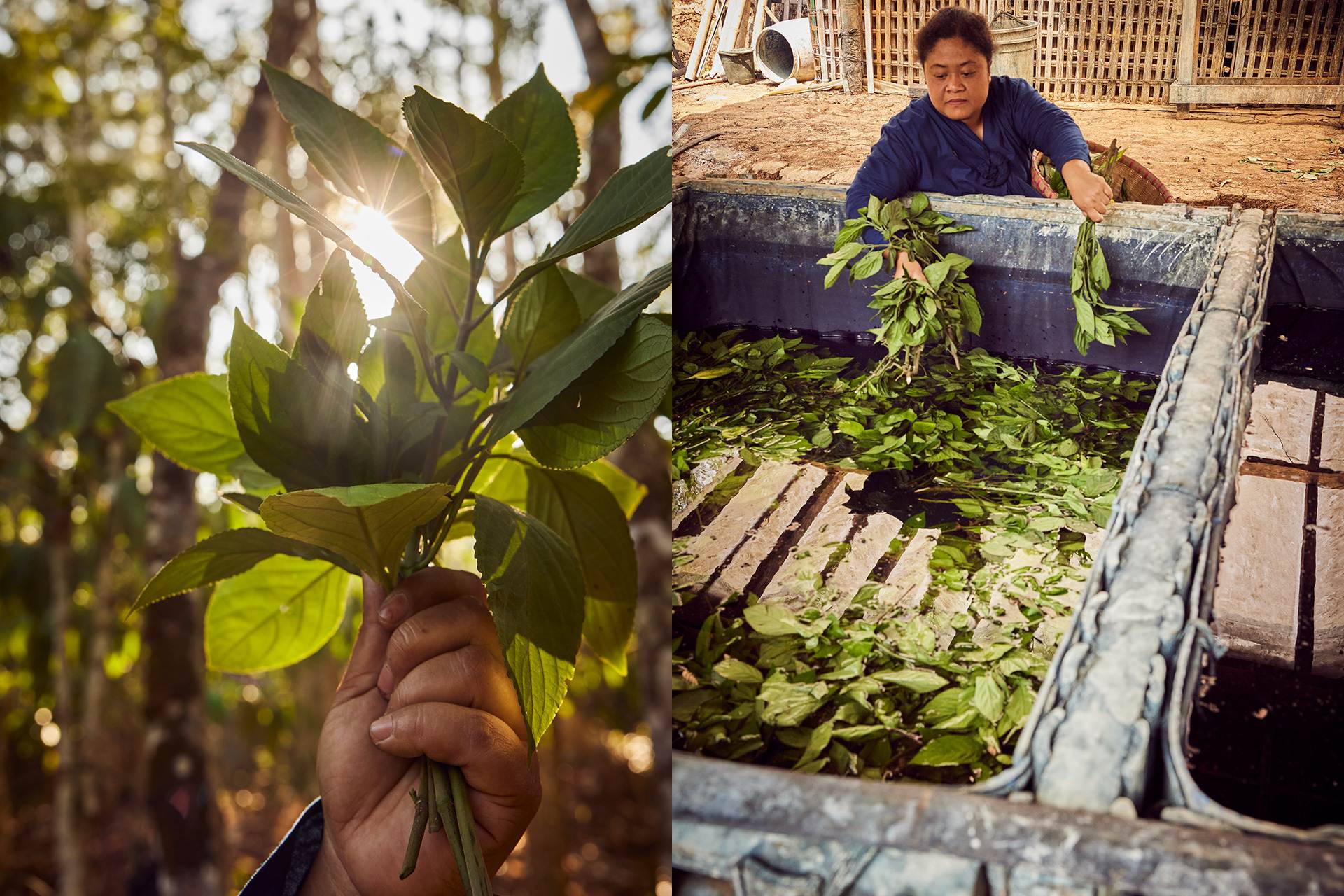
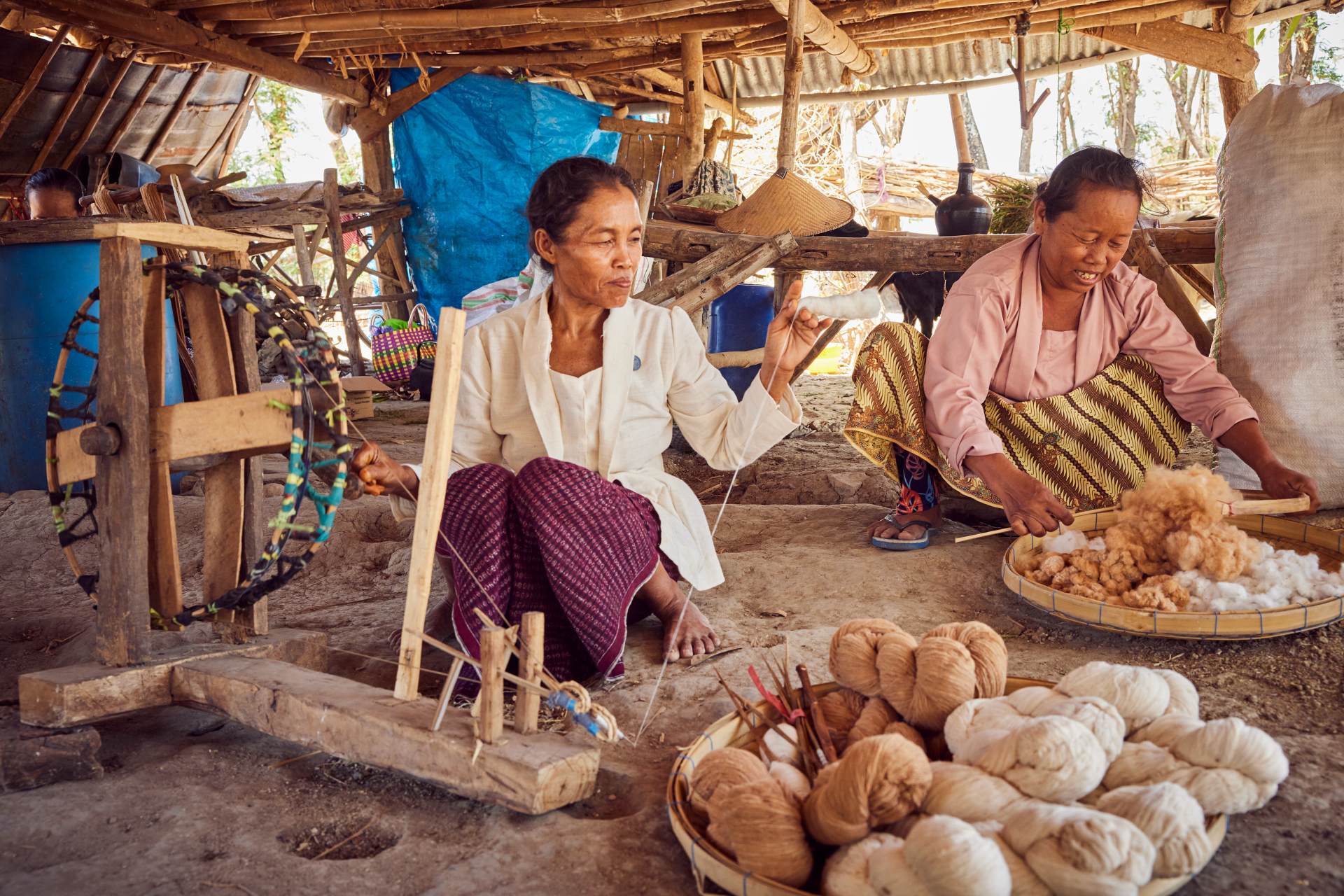
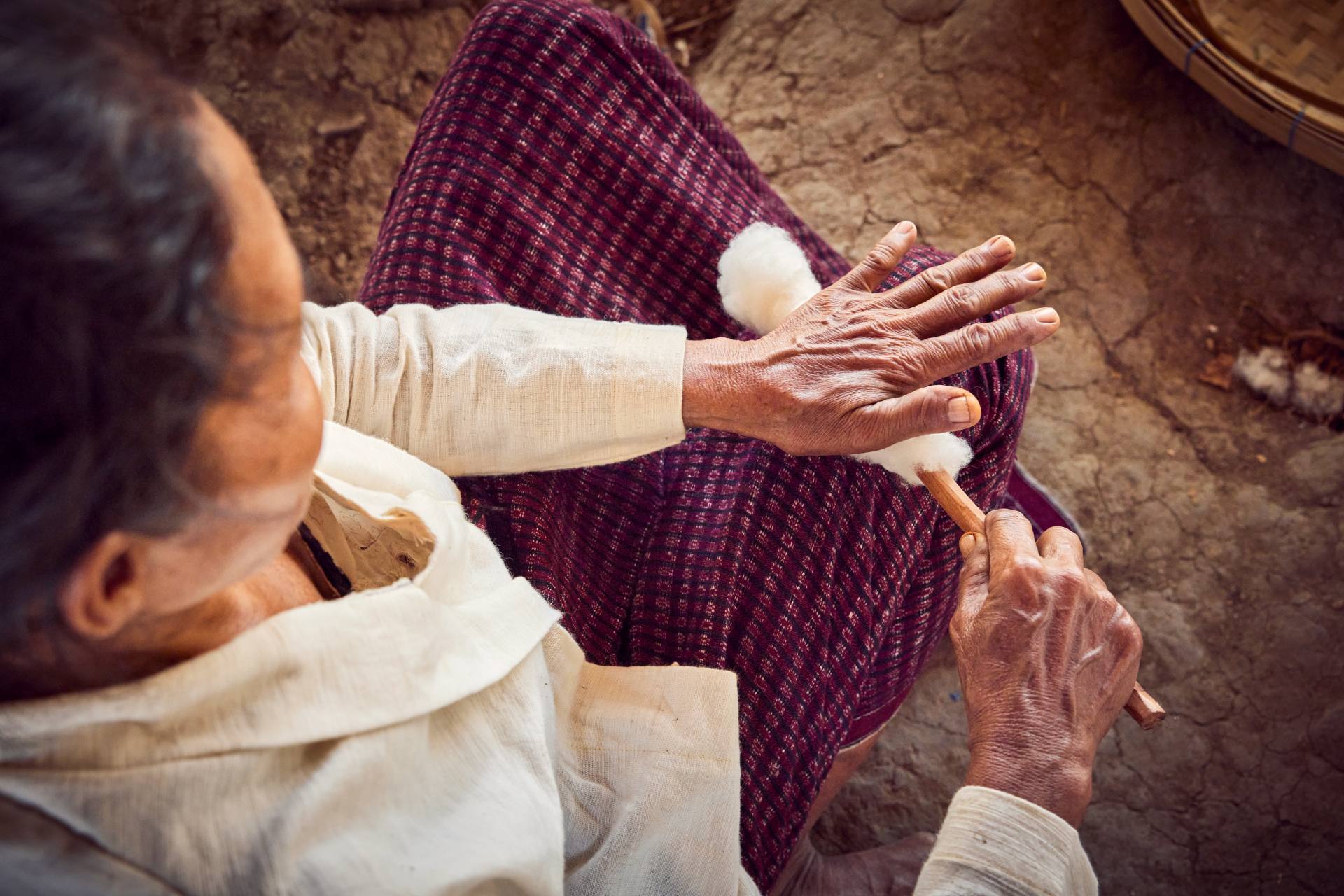
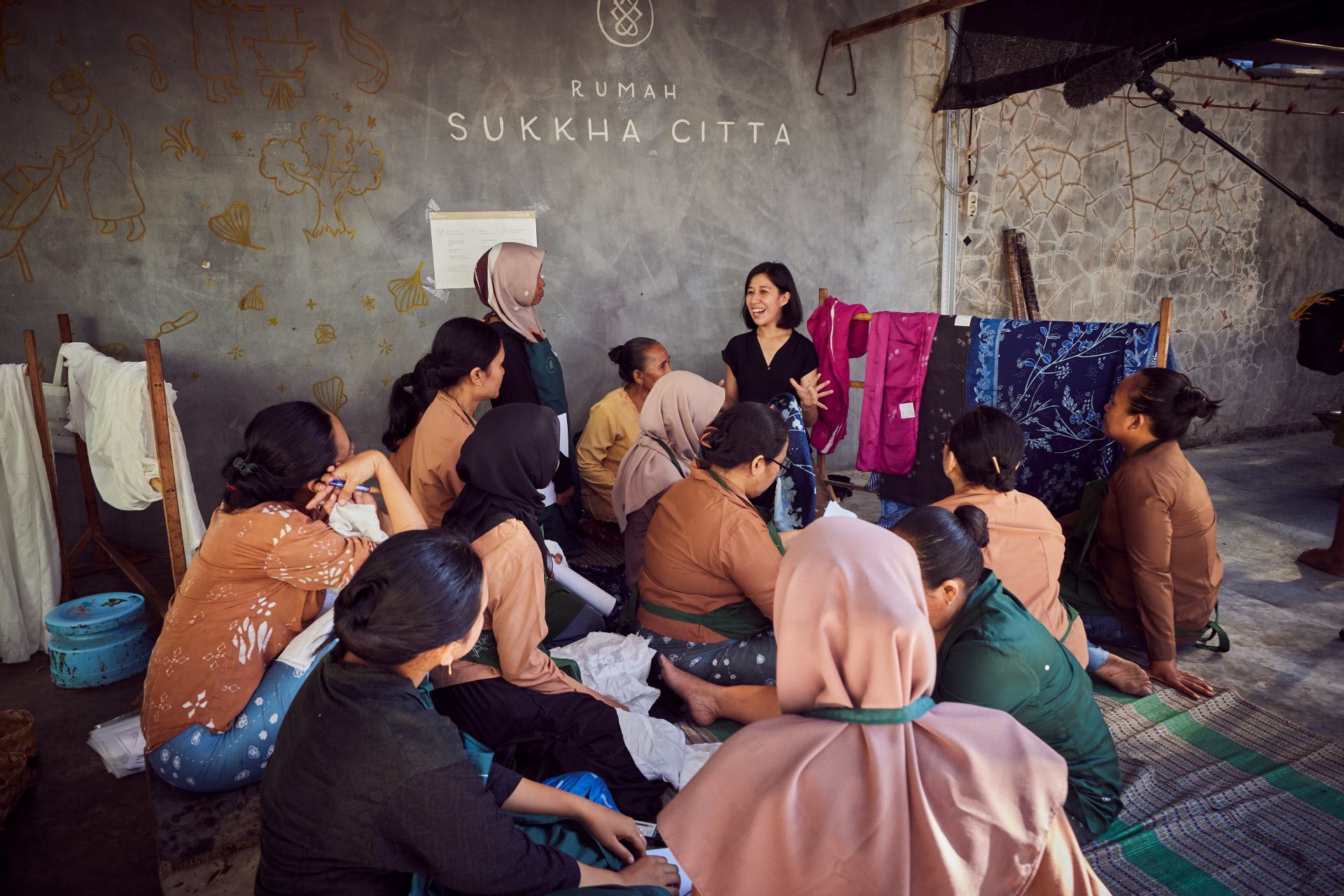
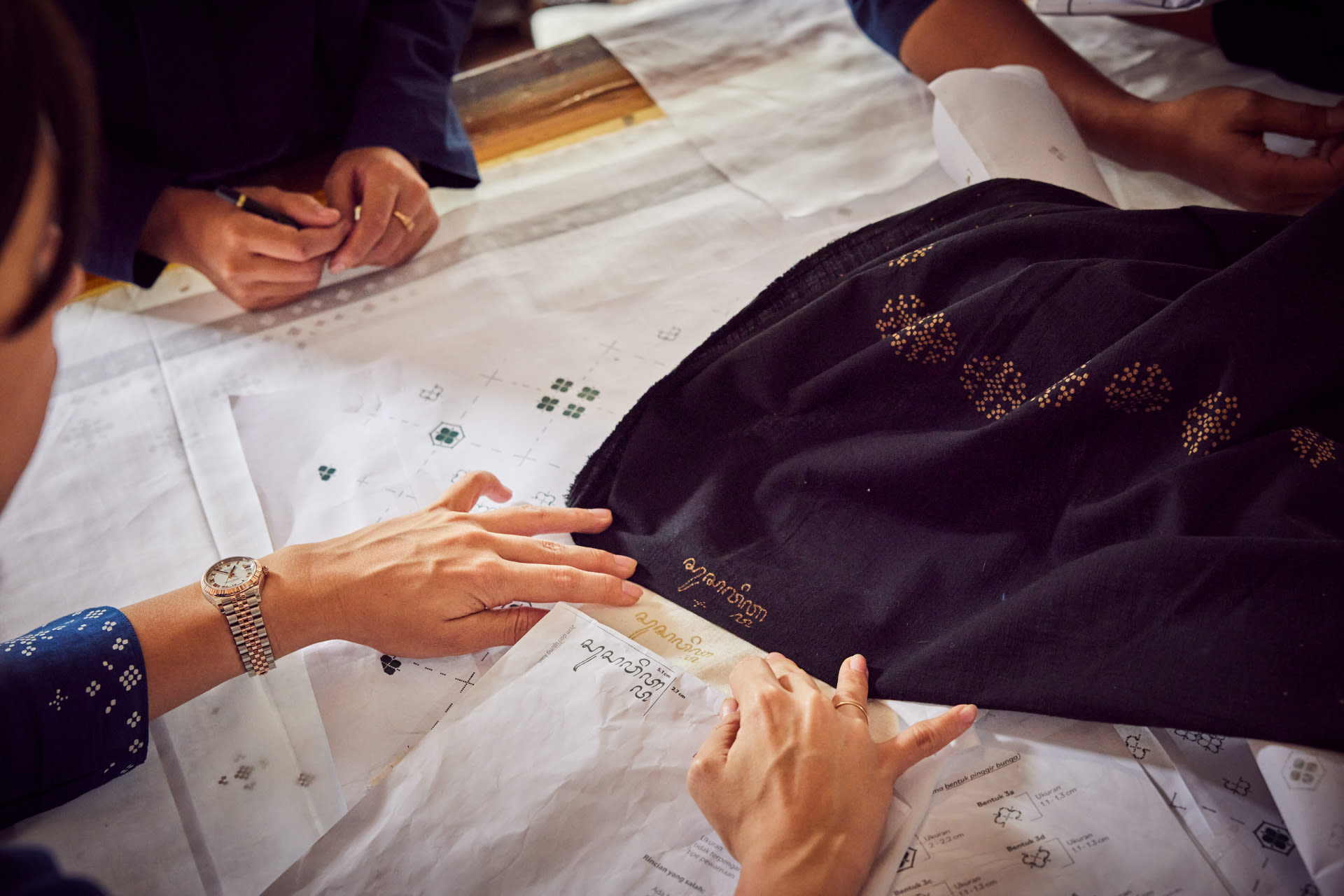
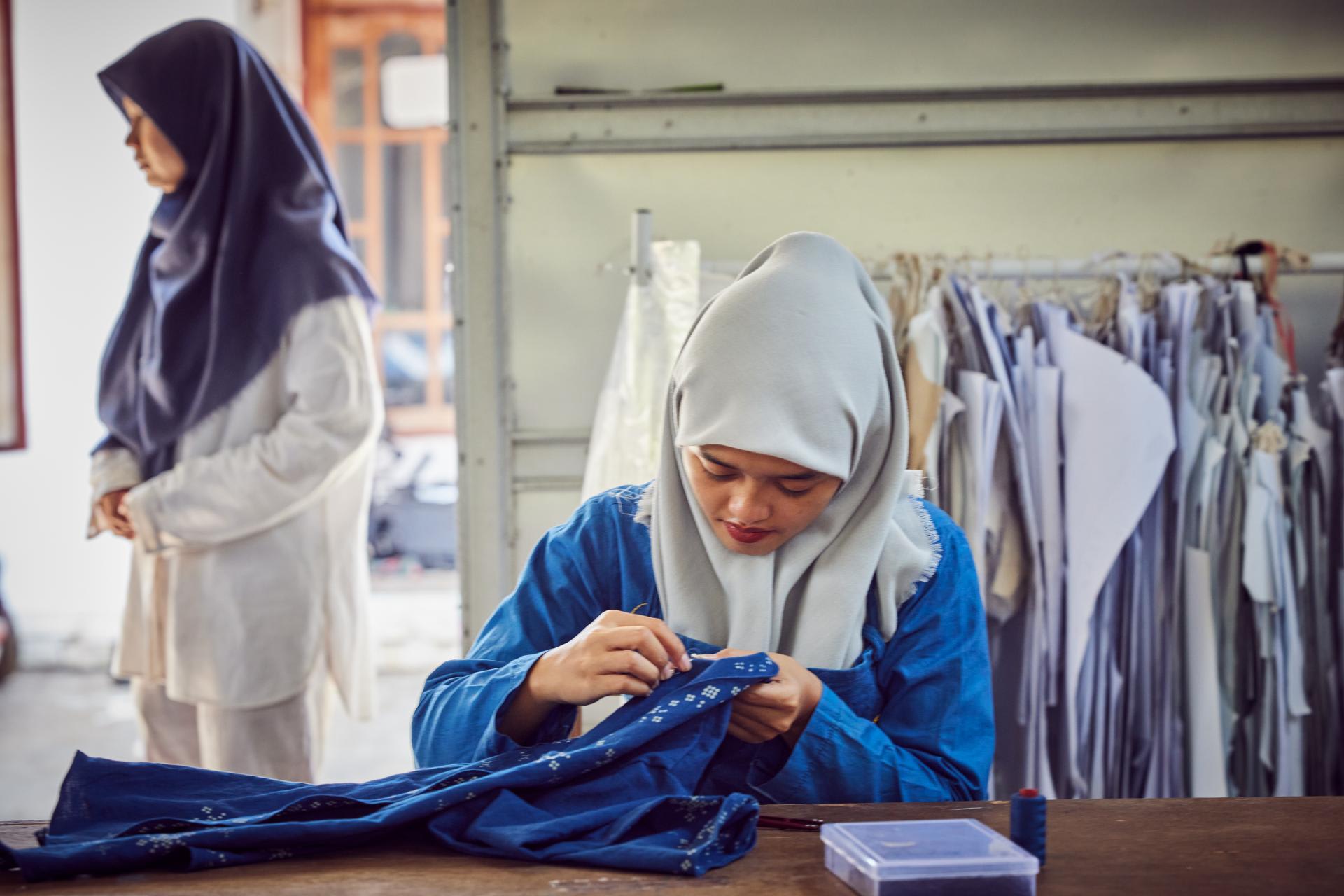
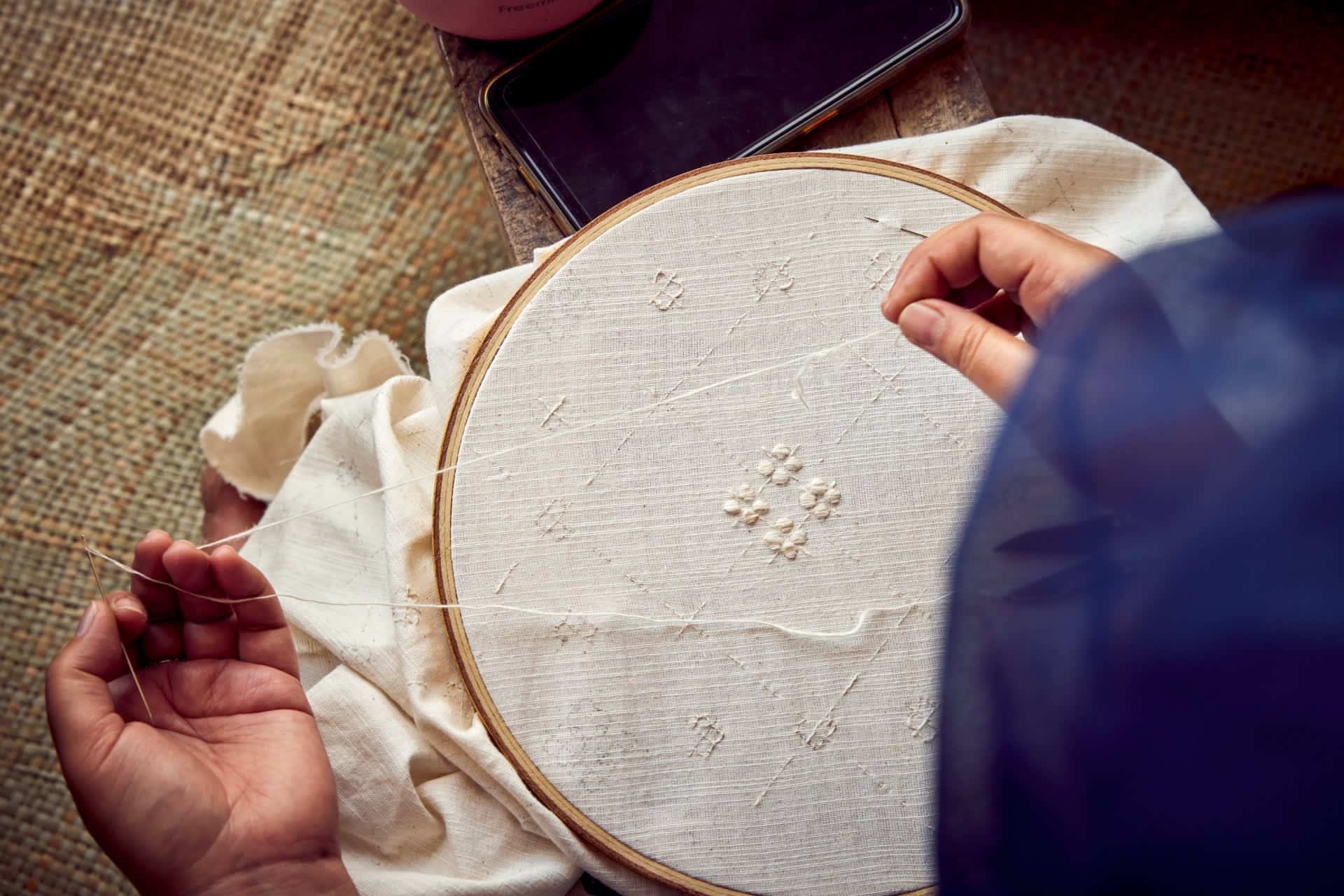
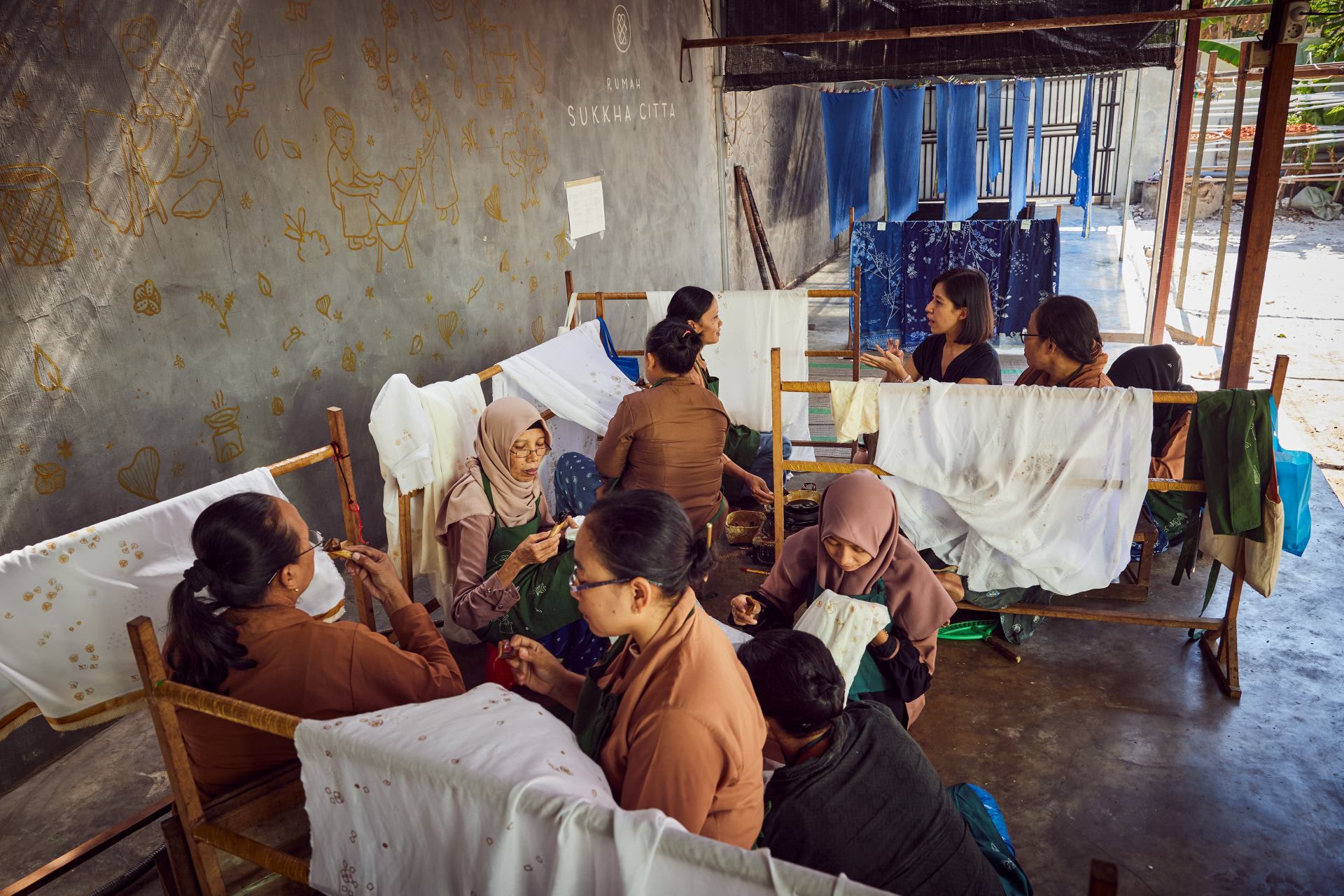
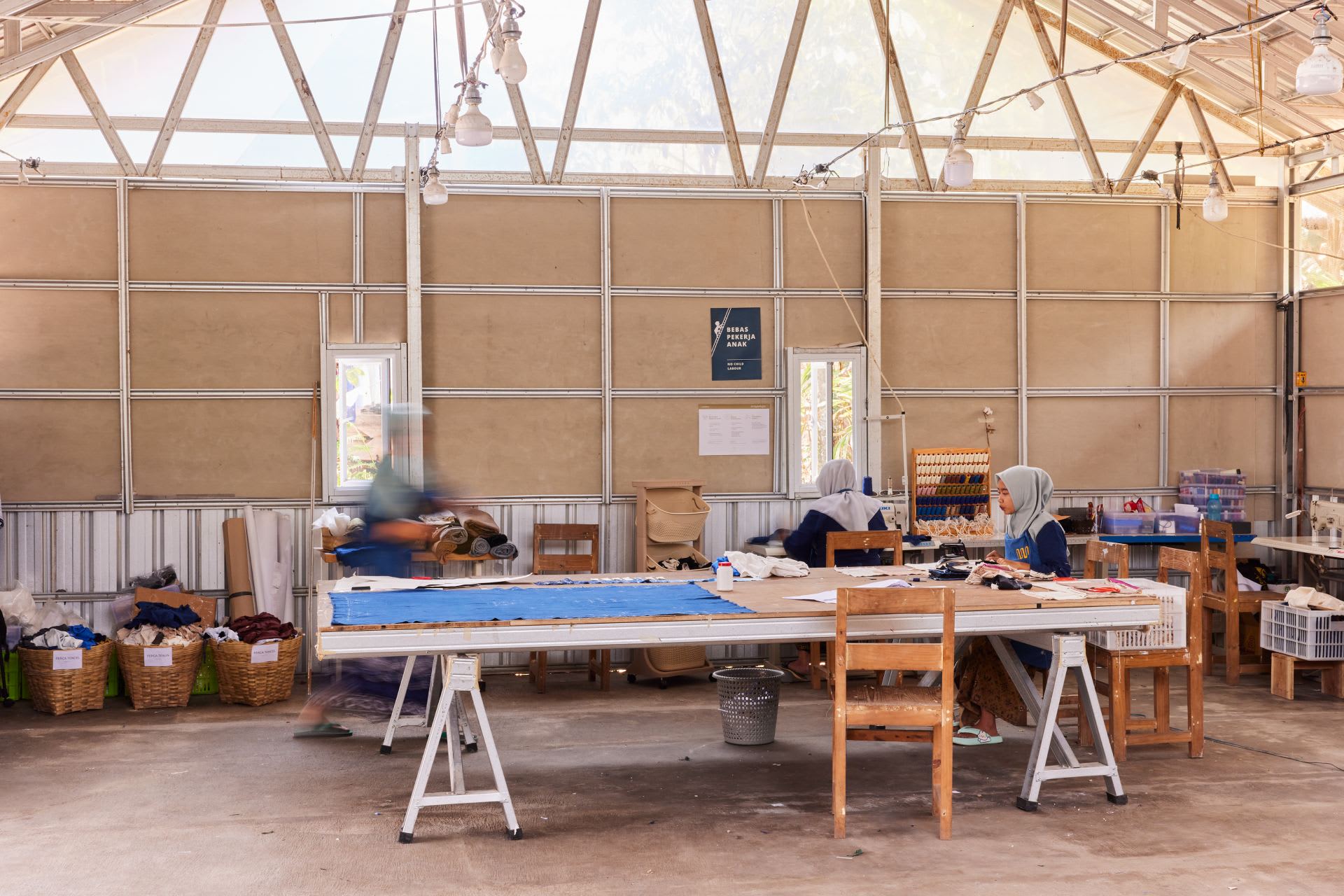
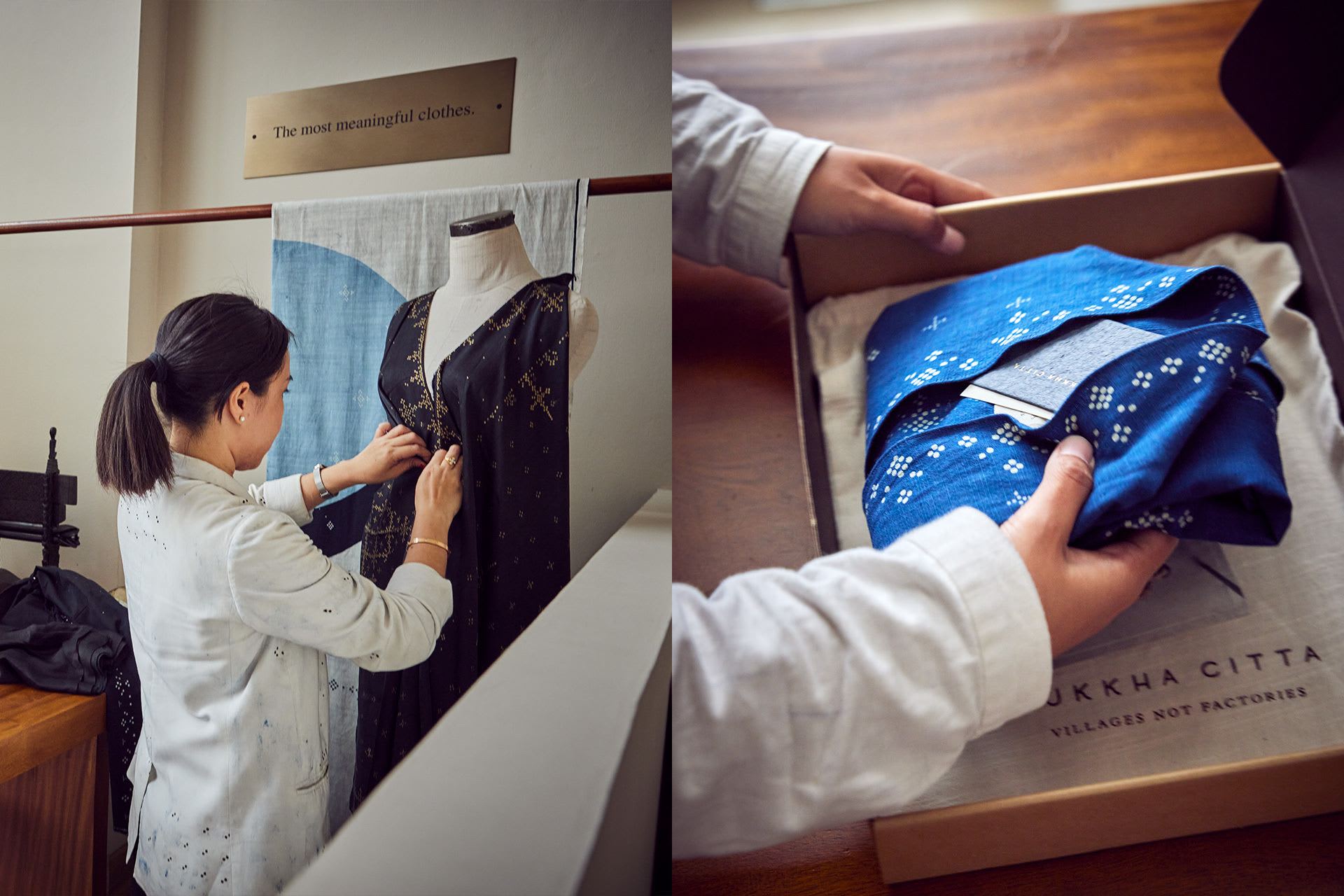
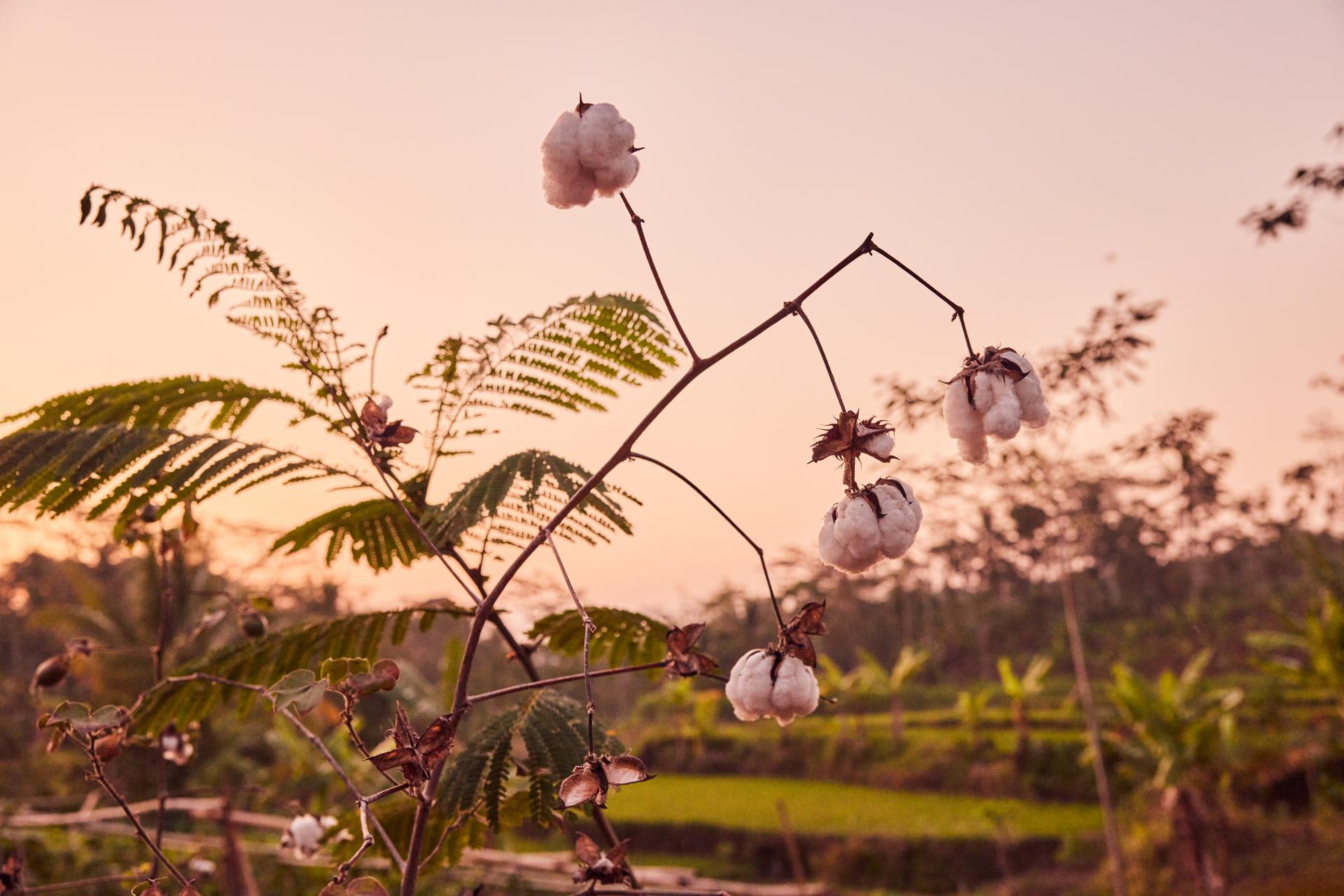
Over 1,400 people have been impacted by the project, from farmers to master weavers and seamstresses. Riadini-Flesch plans to reach 10,000 people by 2030 while regenerating 1,000 hectares of degraded soil and is developing an app to extend SukkhaCitta’s training into the most remote regions of Indonesia.

Starting out as a development economist, Riadini-Flesch worked for the World Bank in Indonesia, often travelling to rural villages where she met local women. There she realized work was what was needed, not aid. Together with three women, Riadini-Flesch founded SukkhaCitta. Today, it takes a team of 15 coordinators to manage more than 450 artisans, and the average age of the craftswomen has gone from 60 to 28 years old as younger people begin to see the value of indigenous knowledge.

This project has shown me what you can achieve when you put women and nature at the heart of your decisions.
“These are women who have been invisible for far too long, whose work is being recognized all around the world, whose wisdom is being learned from,” says Riadini-Flesch. Her project is changing the way clothes are made in ways that benefit everyone, from the farmers growing the cotton to the people wearing the finished pieces.