Shortcuts

Inza Koné
Published in
A part of the Perpetual Planet Initiative, the Rolex Awards for Enterprise support exceptional individuals who have the courage and conviction to take on major challenges, initiating extraordinary projects that make the world a better place.
All episodes
Episode 1 – 2024
West Africa’s treasure trove
Episode 2 – 2024
Poachers to protectors
Episode 3 – 2024
Back to the roots


Protecting Africa’s forests
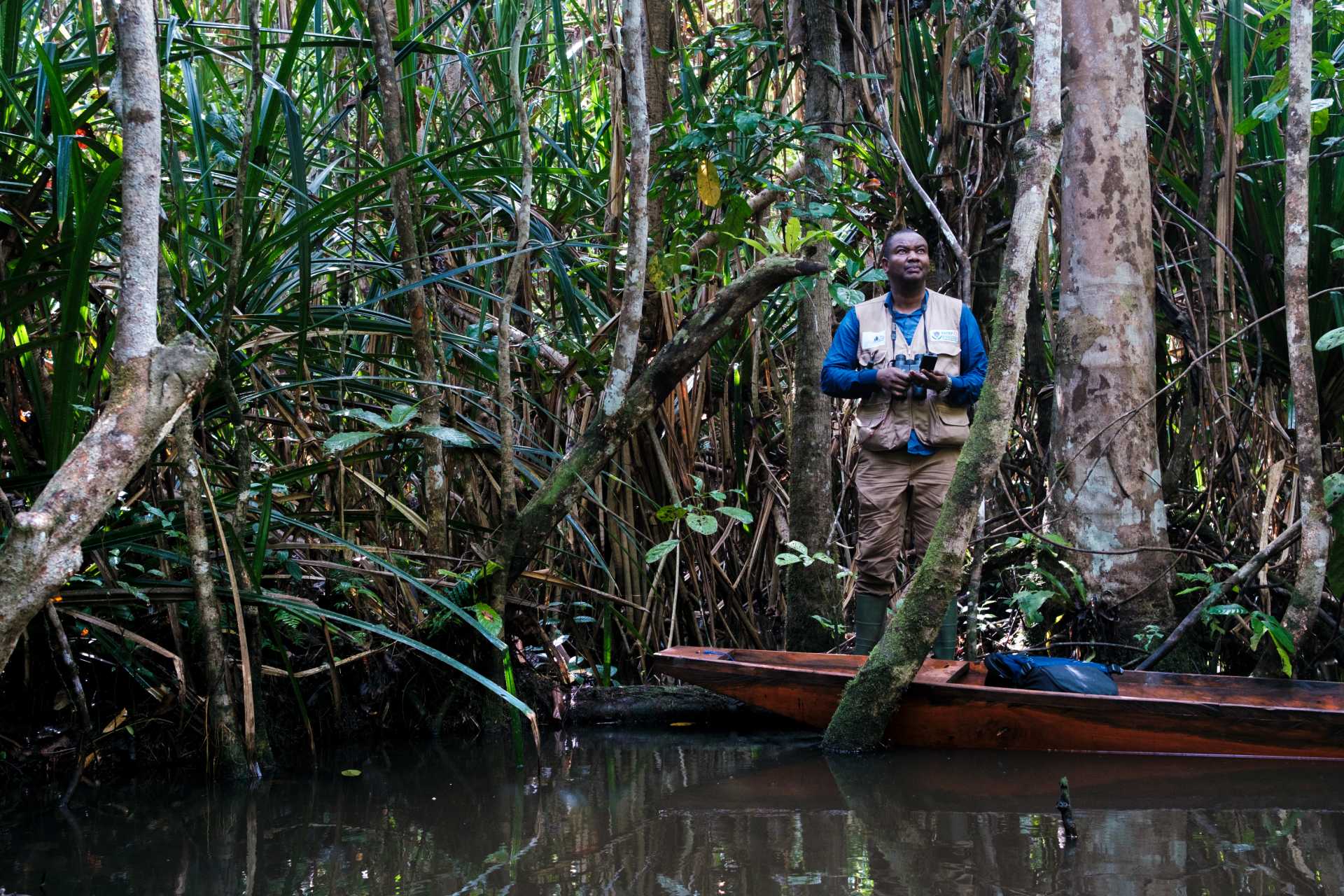
Inza Koné, Côte d’Ivoire’s first primatologist, has spent almost 20 years working in Tanoé-Ehy, one of West Africa’s last primary rainforests. The vast swampy forest, tucked away in the furthest south-eastern corner of his country, is home to animals and plants found nowhere else in the world. Koné has been researching its critically endangered species and creating a model for conservation centred on communities that live there.
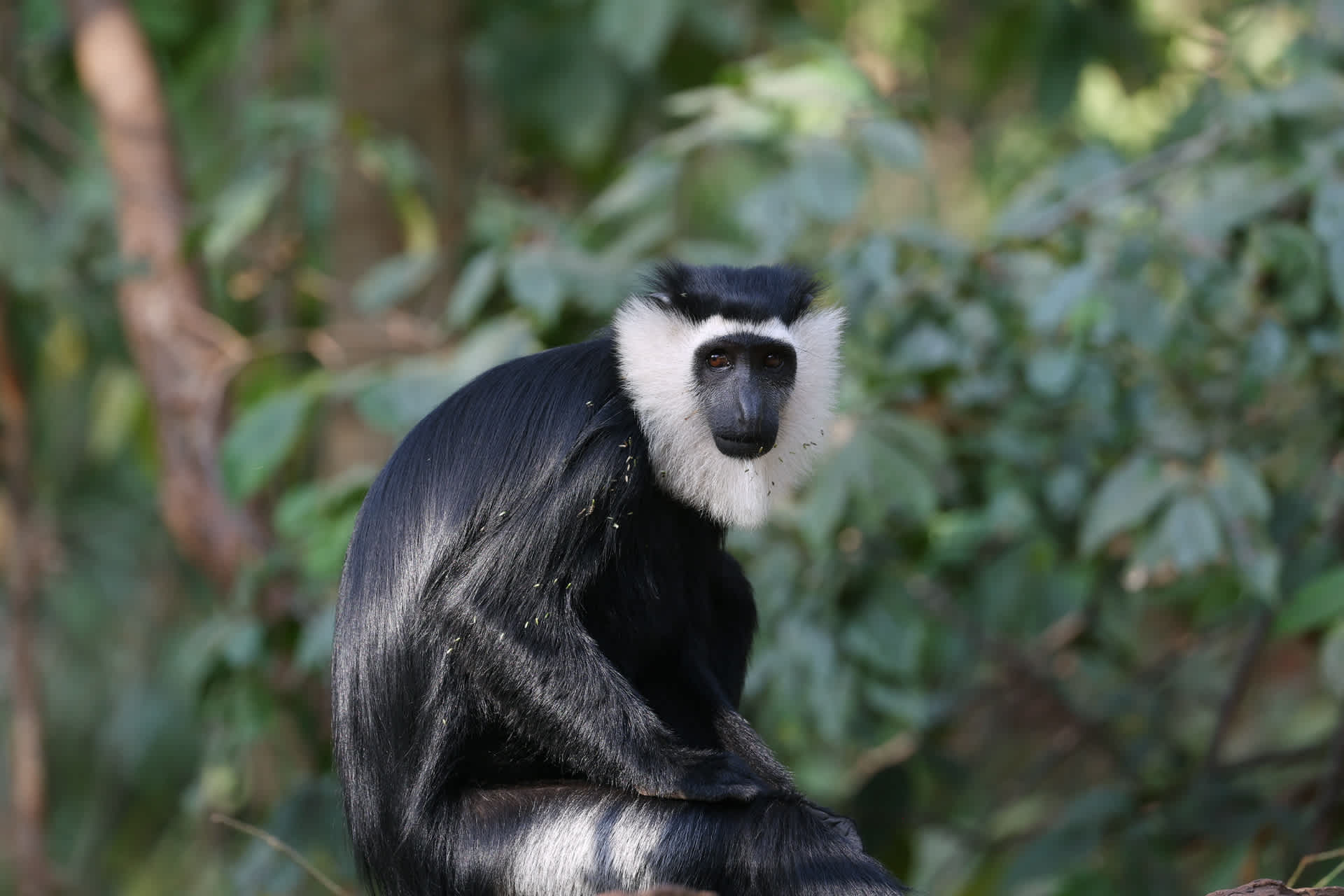
Tanoé-Ehy contains at least 45 endemic species of plants and animals. Koné is particularly interested in the forest’s primates: “In these 11,000 hectares of swampy forest, we have some of the most endangered species of monkey in West Africa.” This includes the possibly extinct Miss Waldron’s red colobus, which has not been scientifically documented since the 1970s. However, locals continue to report sightings within the forest and Koné himself has heard its distinctive cries, hence the search continues.

Despite Côte d’Ivoire having the highest level of biodiversity in West Africa, human activity has left only two per cent of its primary forests intact. In 2006, this led Koné to establish a conservation programme involving 11 communities living in Tanoé-Ehy. They successfully protected it from an oil palm development plan and, in 2021, the forest was officially declared a community-managed nature reserve. It is now collectively managed and owned by the communities. For Koné, the success of the campaign comes down to their involvement: “Eleven villages have joined forces to preserve their common heritage.”

Eleven villages have joined forces to preserve their common heritage.
The dense vegetation and swampy conditions of Tanoé-Ehy have helped to protect it from significant hunting and farming, but also make it harder to explore and study. However, with the expertise of locals who once were poachers, the team is able to carry out monthly expeditions into the forest. “These former hunters have knowledge that the most advanced scientists don’t have,” Koné says.
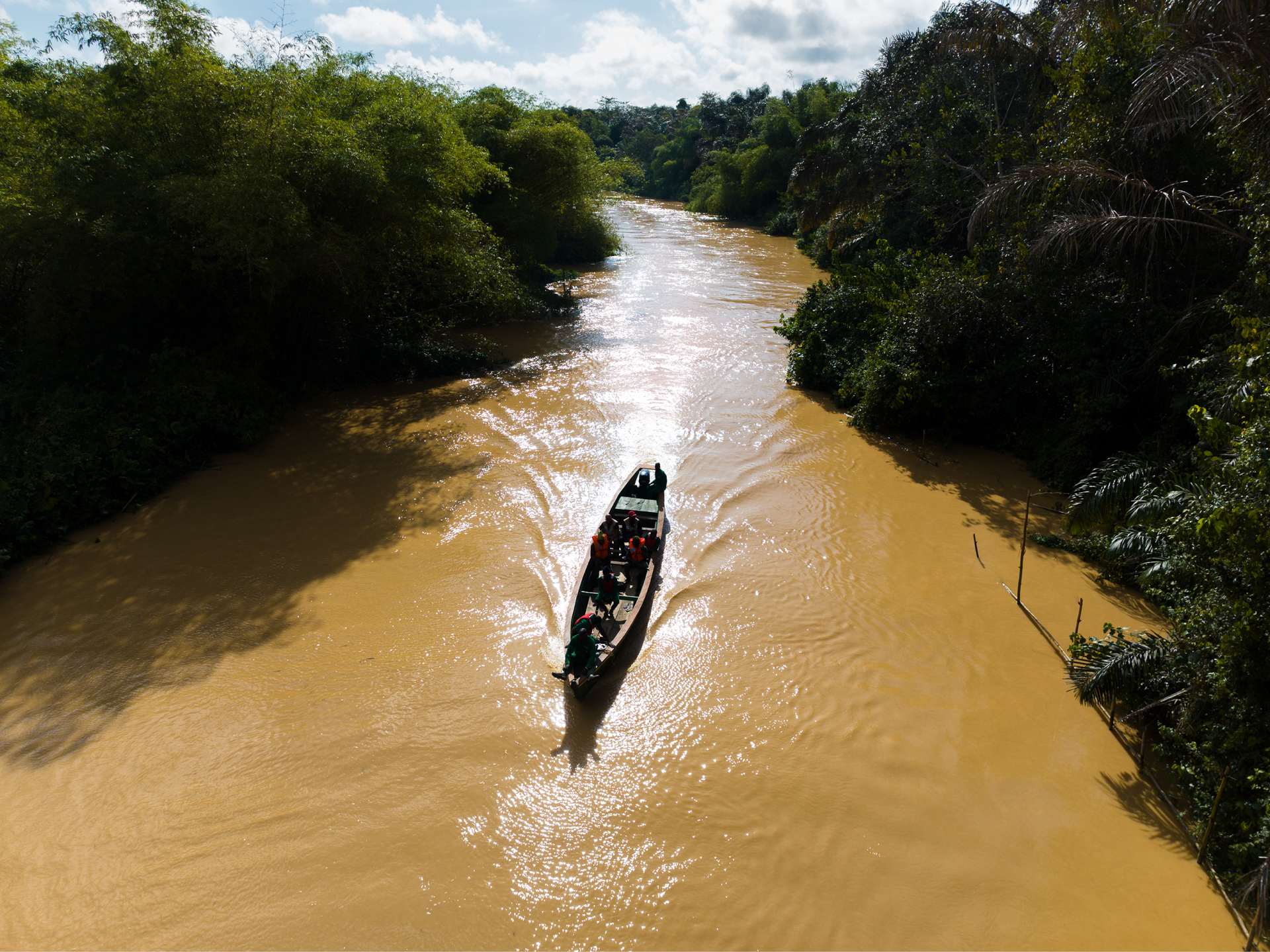
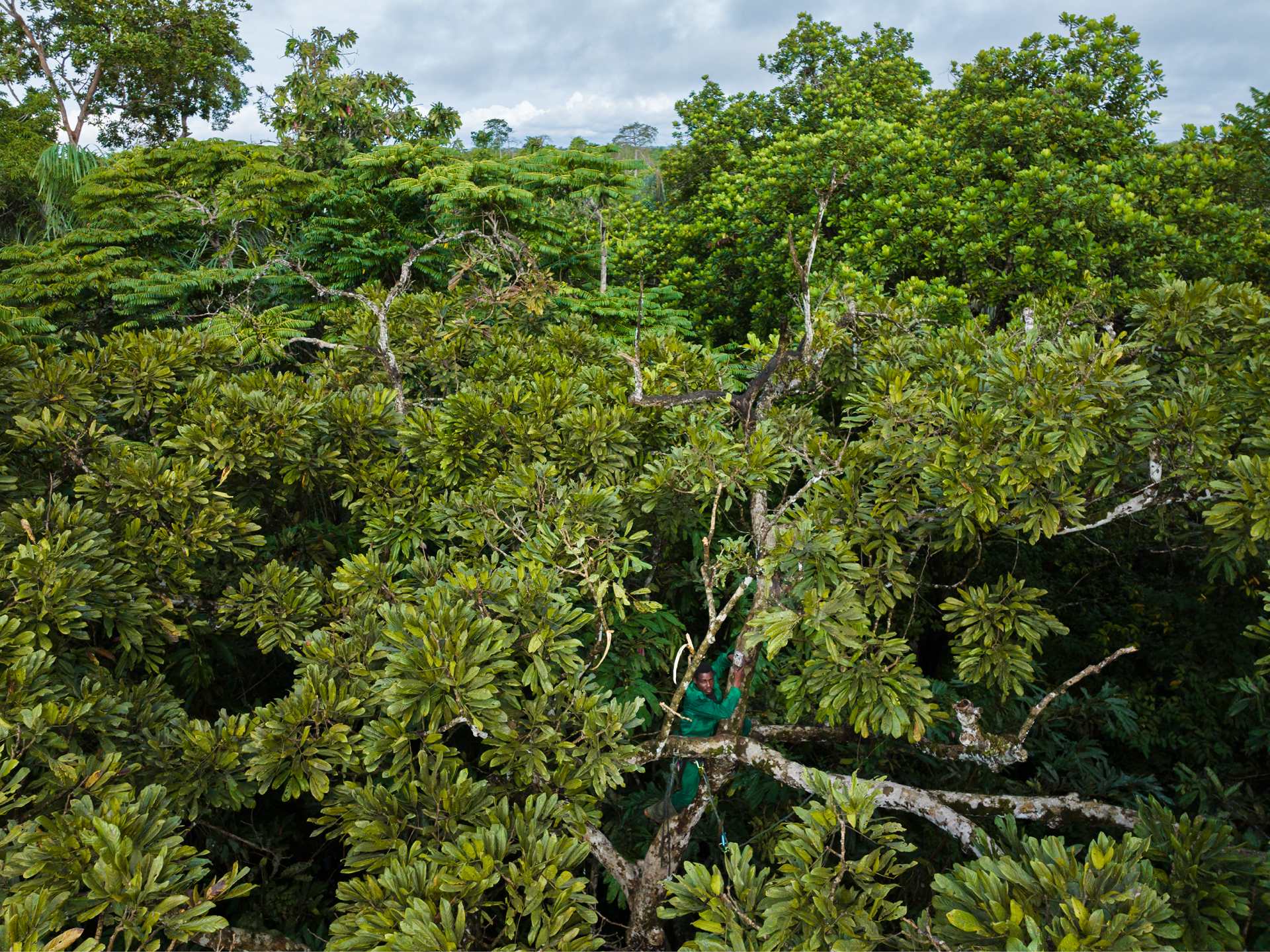
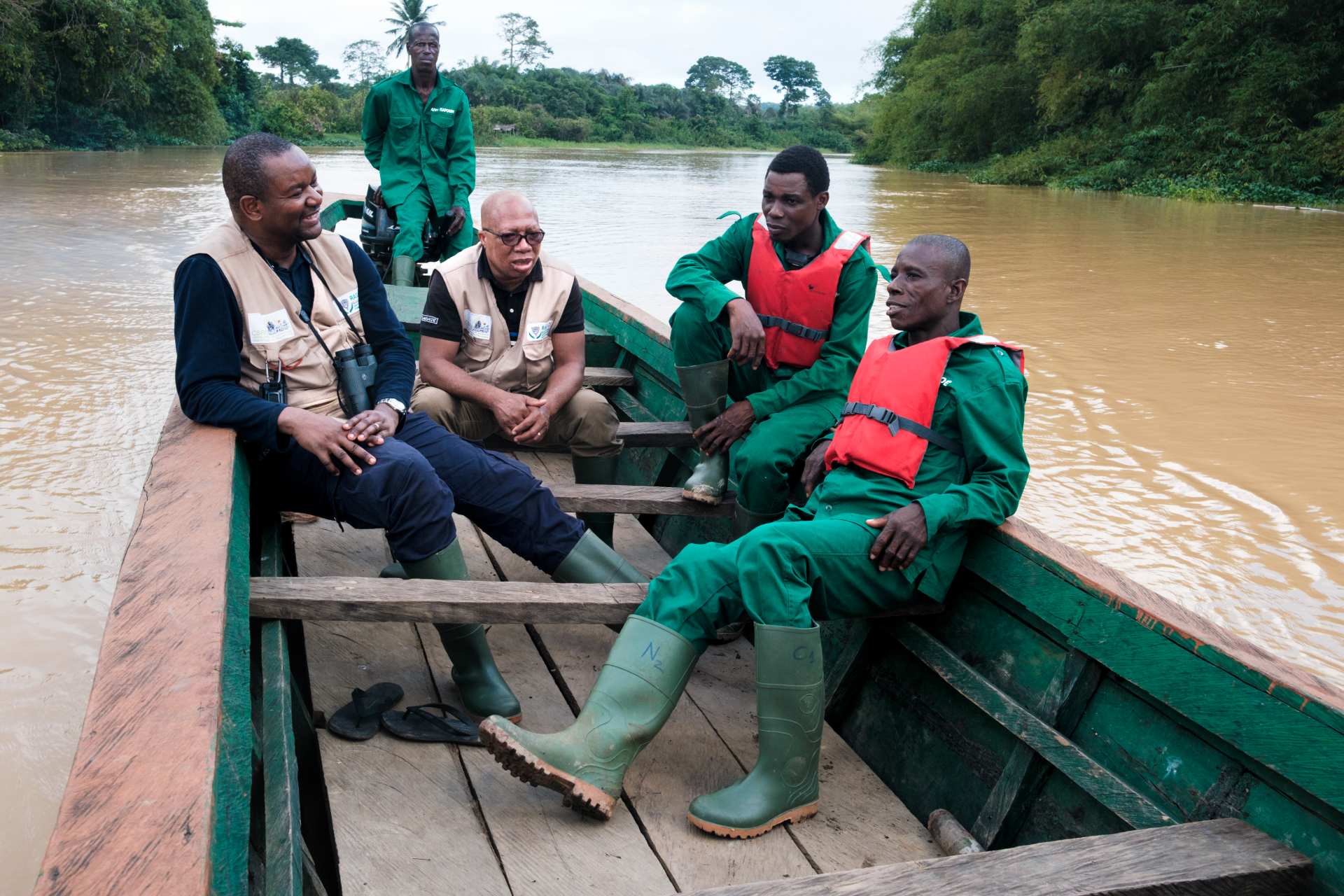
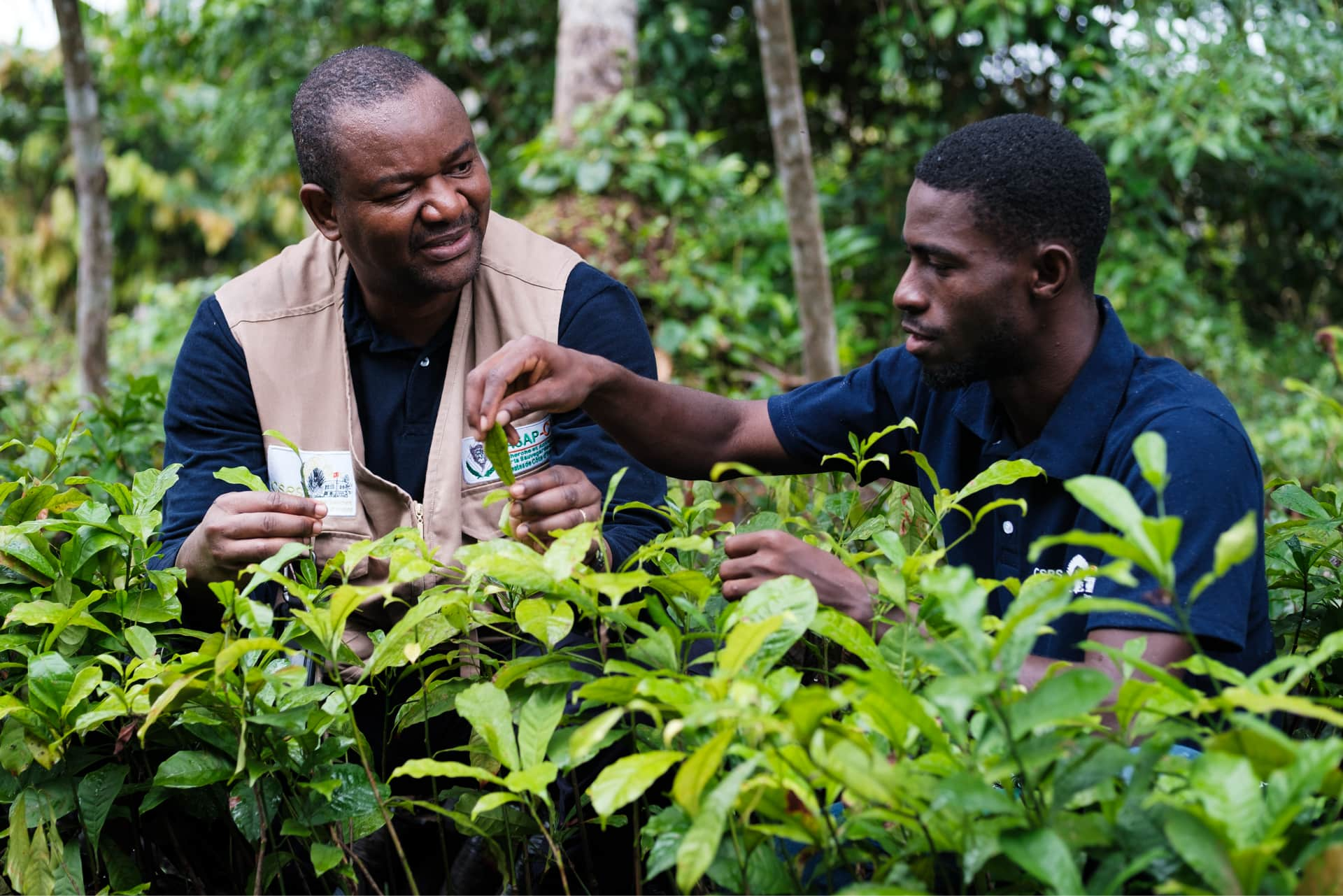
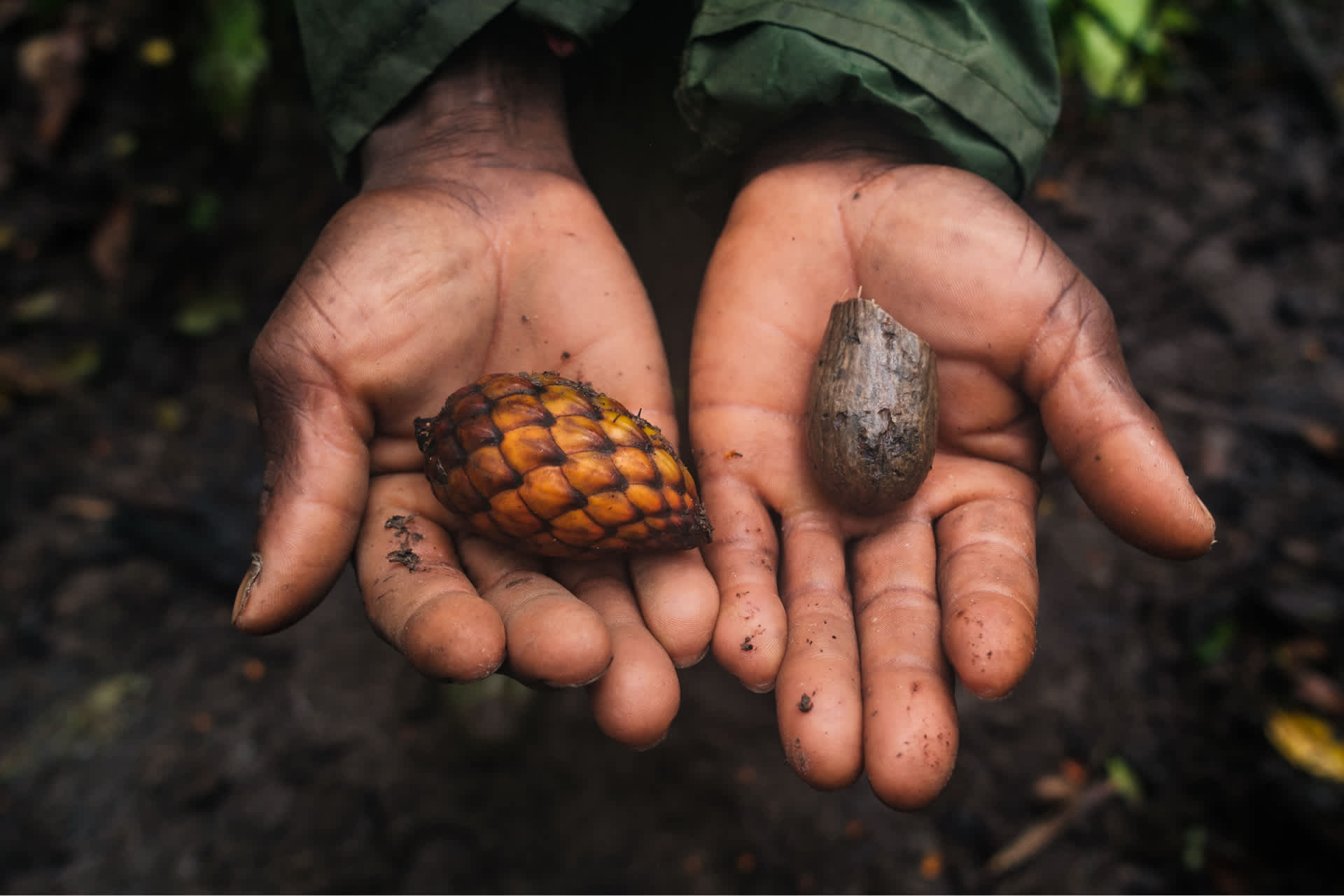
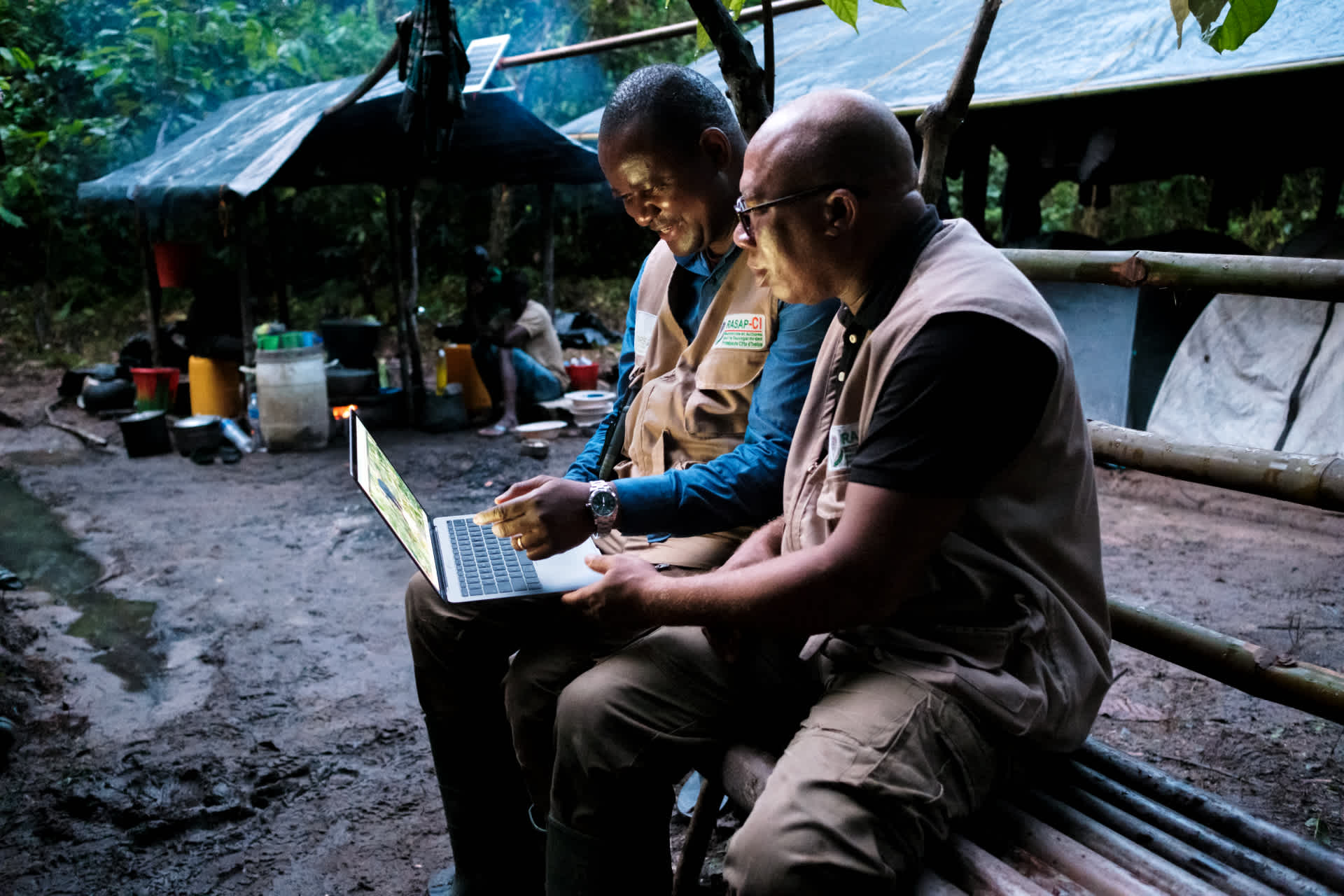
He provides locals with technical support and training in environmental monitoring techniques such as drone surveys, eDNA sampling and camera trap monitoring. He hopes the communities will eventually be able to manage the forest autonomously. To encourage this, the team works with the 11 communities to find alternative, sustainable livelihoods such as cassava farming. Thanks to the provision of modern equipment in a small processing plant, the income of cassava farmers has already improved fivefold. The team has also created an educational botanical garden in each village, planted natural fences separating farmland from forest and planted more than 10,000 native trees to reforest the land around the villages.

Koné hopes to expand the protection of the Tanoé-Ehy forest across the border into neighbouring Ghana. By working with authorities and communities in both countries, he wants to create a sustainable future for local communities in one of the world’s most biodiverse forests.