Shortcuts

Living legacy of iconic mountaineers
Published in
Seventy years ago, Sir Edmund Hillary and Tenzing Norgay summited the world’s highest peak. Now, with the support of the Rolex Perpetual Planet Initiative, the foundations that bear their names continue to have a profound impact on the region.
Into the unknown
Standing on top of Mount Everest, the first time anyone had done so in recorded history, Edmund Hillary and Tenzing Norgay had achieved something epochal. But it was not the end of their story. At the time the two men barely knew each other, but over the coming decades they would form a close bond and a partnership that would change the Everest region forever.
The ascent of Everest on 29 May 1953 was one of the greatest achievements in the history of exploration and the culmination of decades of work. In the early 20th century, multiple expeditions attempted to climb Everest but none succeeded. Then, in 1933, the Houston-Everest expedition succeeded in flying over the mountain and taking aerial photographs that offered guidance to mountaineers.
Nevertheless, it took another 20 years for people to reach the top. Rolex equipped the historic 1953 expedition, which established a series of camps at increasing elevations before an attempt on the summit. Only two of the climbers, Hillary and Norgay, made it all the way.

One of the wonderful things is you had these two men from very different backgrounds, one from the Himalayas, one from far-off New Zealand, but coming together to form this incredible team going up into the unknown.
The pair only spent 15 minutes on the top of the world because of the limited supply of oxygen they had in their tanks to take them back down the mountain. They used the time to look across the vast landscape, and, in the decades that followed, both men established charitable foundations with a focus on the region.
The work of their organizations continues to this day, with the support of the Rolex Perpetual Planet Initiative, which was launched in 2019. For nearly a century, the brand has supported pioneering explorers pushing back the boundaries of human endeavour – including expeditions in the Himalayas dating back to the 1930s. The company has moved from championing exploration for the sake of discovery to that which seeks to protect and preserve the planet.

A lasting impact
In 1960, seven years after the famous ascent, Hillary established the Himalayan Trust, its mission “to bring education, safe water and better healthcare” to the Sherpa people of Nepal. The Sherpa are an ethnic group that lives in the mountainous regions of Nepal and neighbouring countries.
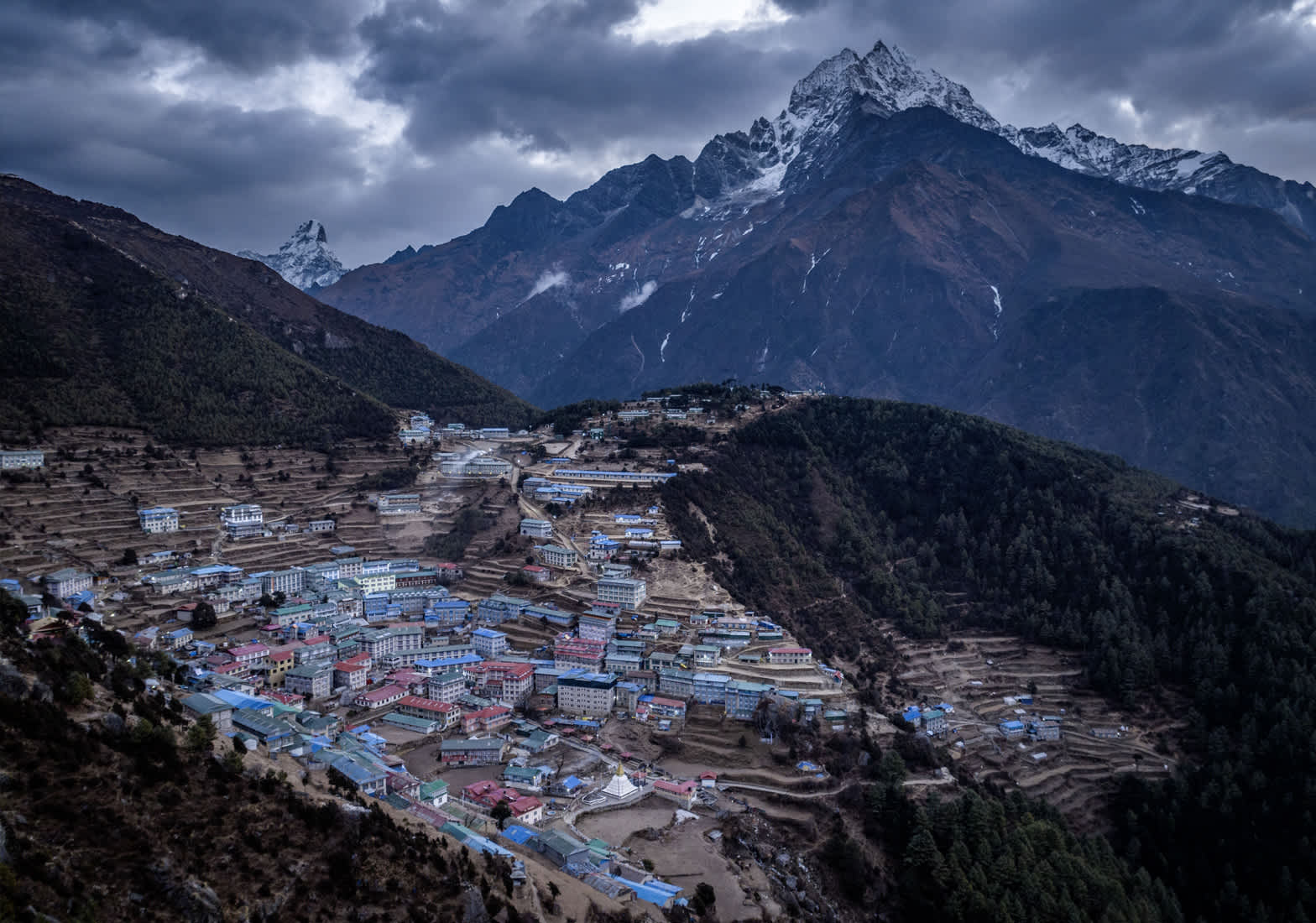
The Himalayan Trust focuses on three areas in the Solukhumbu region, which is home to Everest: health, the environment and education. It has built hospitals and schools, and helped establish Sagarmatha National Park. Dr Mingma Sherpa was born in Khunde Hospital, one of the two set up by the trust, and today works there thanks to the education she received at a school founded by Hillary’s foundation. “He built the school here, so I was able to get a good education,” she says. “If Hillary hadn’t done that, I wouldn’t be here.”

The Tenzing Norgay Sherpa Foundation (TNSF), run by the legendary mountaineer’s children, focuses on the welfare and culture of the Sherpa living in the Khumbu region around Everest. “That is where our roots are,” says Norbu Tenzing, son of Tenzing Norgay. “Our lives are indelibly linked to the Everest region.”
One of the greatest challenges facing the Sherpa, which TNSF seeks to address, is the danger associated with mountaineering. “Part of our lives has always been seeing our uncles going into the mountains, and this narrative of loss, of not seeing them come back,” says Norbu Tenzing. TNSF works to improve access to healthcare in the community and help the widows of mountaineers gain financial independence. The organization also provides scholarships for young Sherpas to attend courses at the Himalayan Mountaineering Institute in Darjeeling, India, which was founded by Norgay. The courses focus on mountain safety, giving the Sherpas a better chance of surviving their dangerous work.
That is where our roots are, our lives are indelibly linked to the Everest region.

Perhaps the deepest commonality between the Himalayan Trust and the Tenzing Norgay Sherpa Foundation is their focus on education. For Hillary, it was one of the first things he became involved in. As his son recalls, “One of the local Sherpas told him if there’s one thing my father could do for them, it would be to build a school for their children. He thought it would just be one, but the petitions kept coming.” While the Himalayan Trust has worked in many fields, “education, I think, is really the most important”.
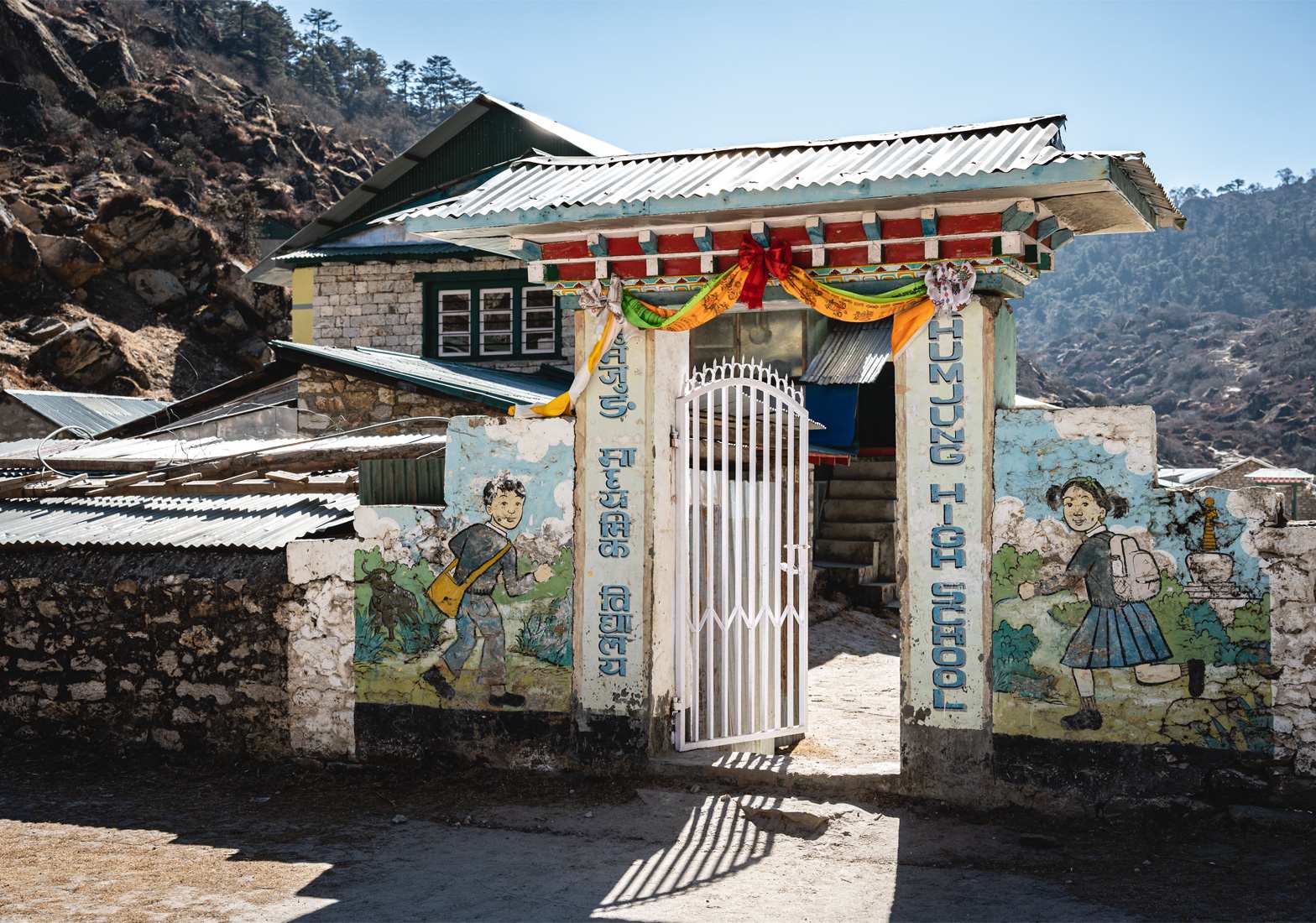
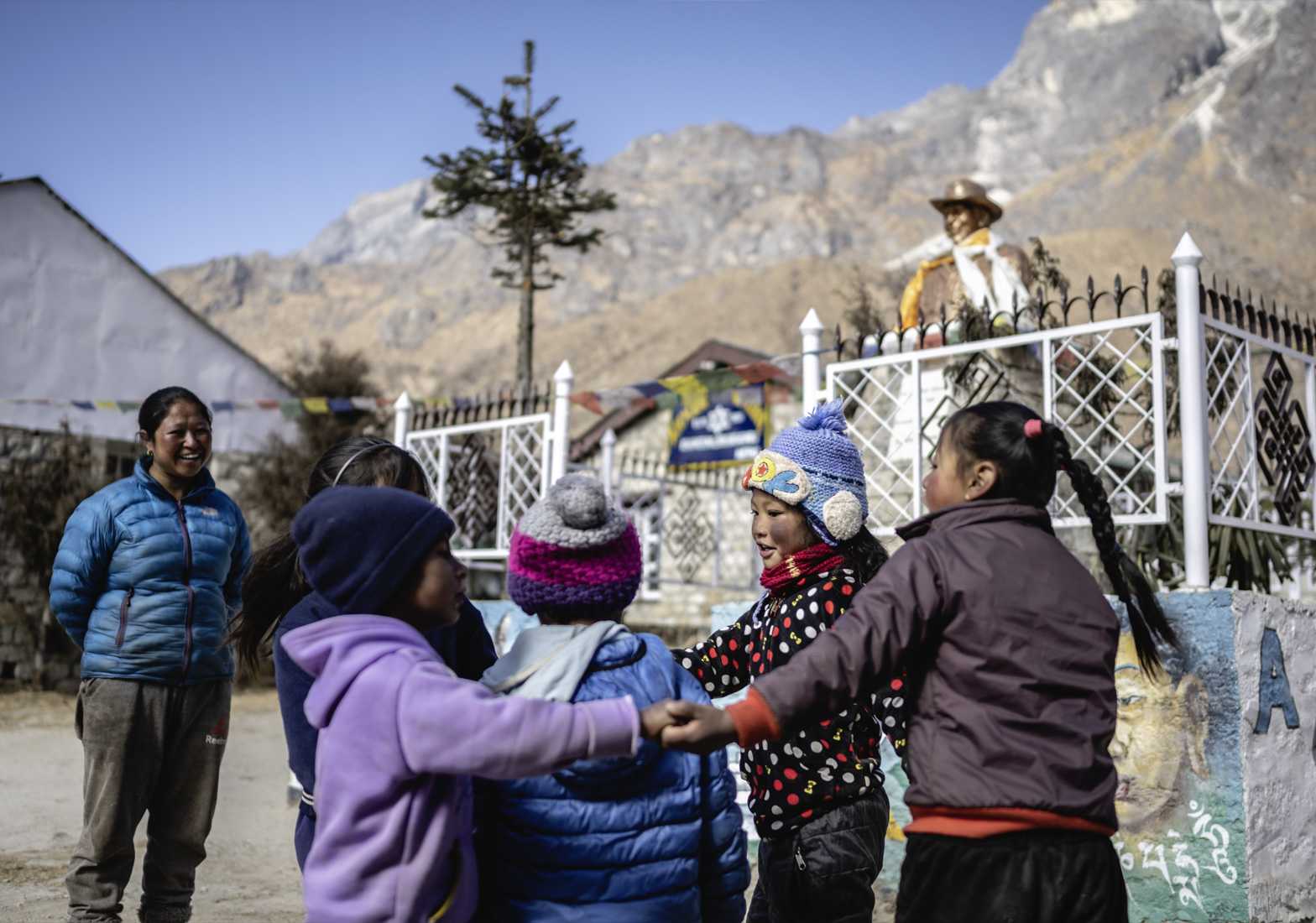
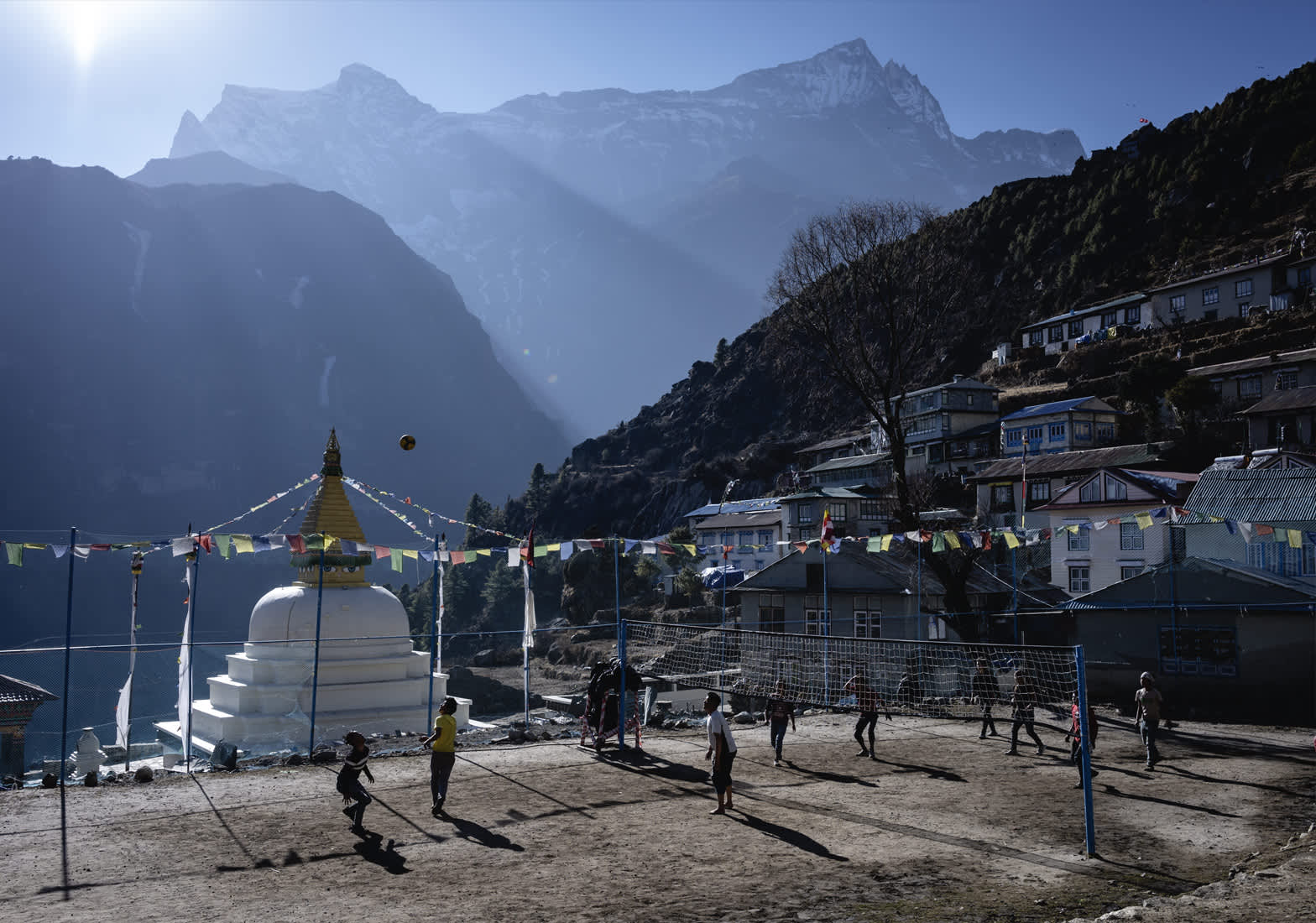
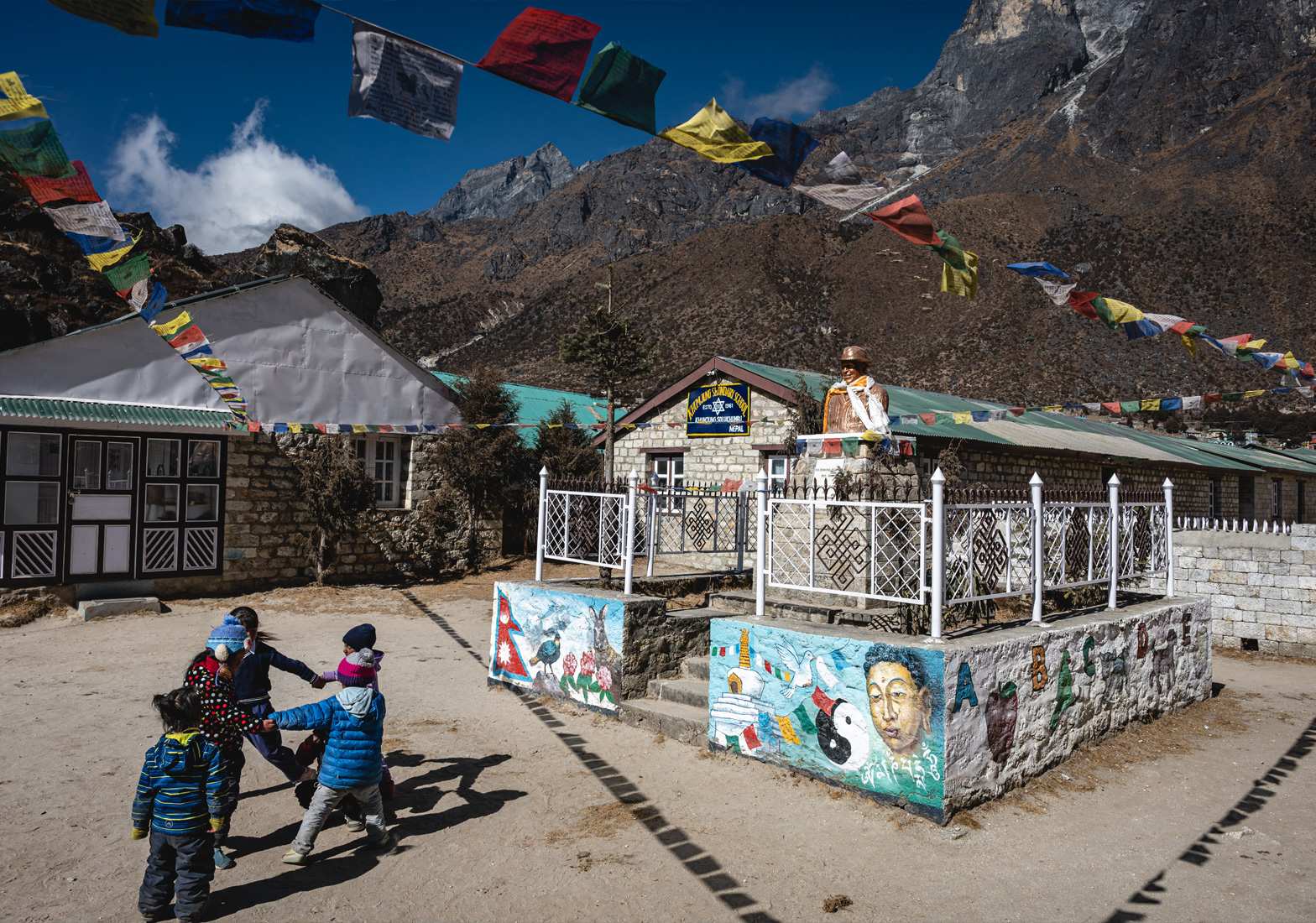
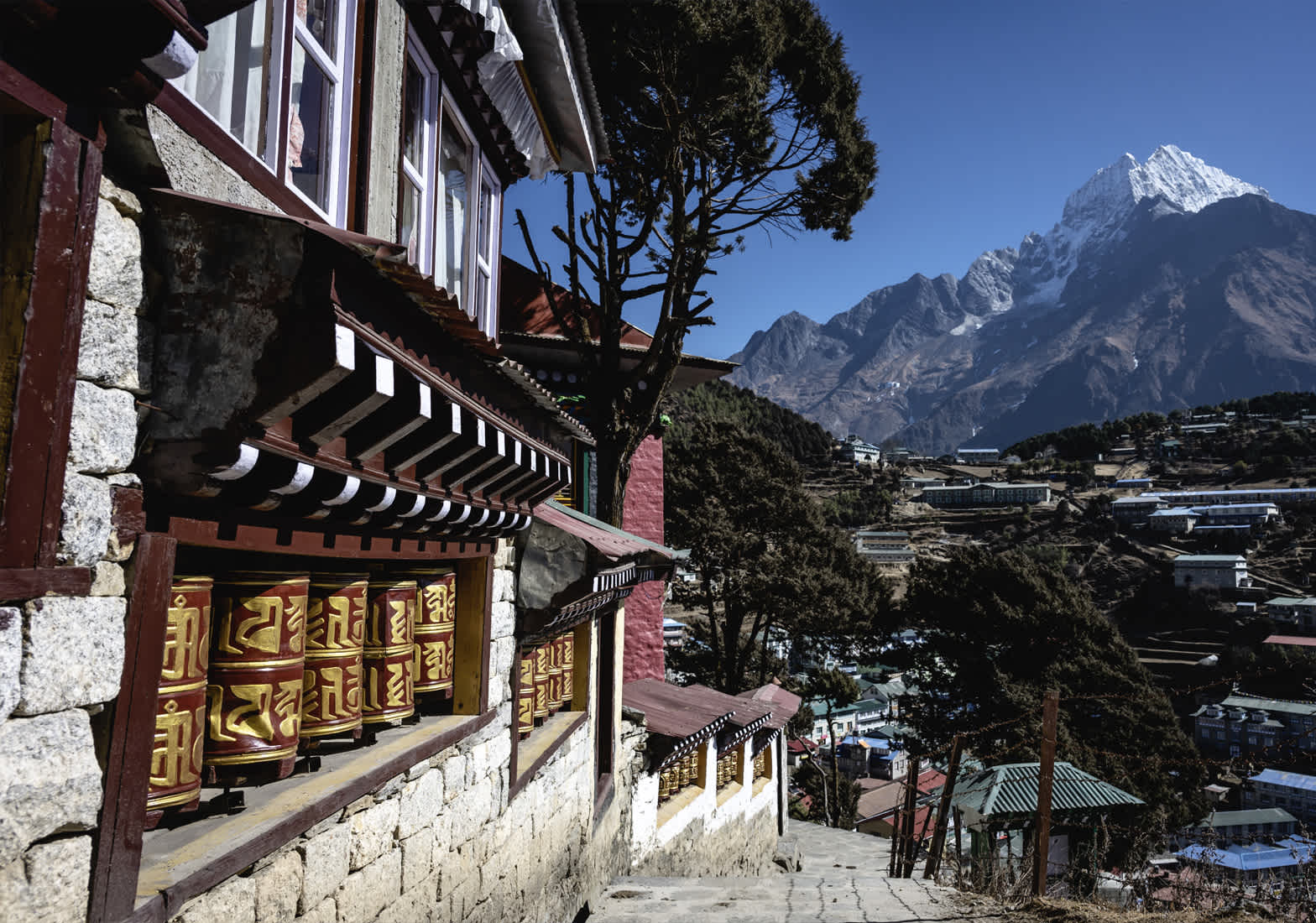

The educational mission of TNSF is even more personal: Tenzing Norgay never had a formal education and was determined that his children and other Sherpas would. As Norbu Tenzing says, “One thing about education is, once you educate somebody, nobody can take that from them.” Now, thanks to scholarships from the organization, “Sherpas have gone on to become doctors and lawyers”.

Today the two foundations work together, just as Hillary and Norgay did 70 years ago. They refurbished two cultural centres in the Everest region, with support from the Rolex Perpetual Planet Initiative. The Sir Edmund Hillary Visitor Centre and the Tenzing Norgay – Sherpa Heritage Center will help raise awareness of the Sherpa people’s achievements and needs, as well as bring in additional income. Seven decades since the ascent of Everest, the legacies of the mountaineers remain vital forces in the region.