Shortcuts

Looking under the surface
Published in
Francesco Sauro received a Rolex Award for Enterprise in 2014 for his daring expeditions to unexplored caves beneath South America’s tepuis (table-top mountains). Through its Perpetual Planet Initiative, Rolex continues to support his exploration of caverns across the globe.
Europe’s Alps are known as the ideal skiing playground. But beneath the surface lies another, disturbing reality. As alpine glaciers melt and disappear due to global warming, Rolex is supporting pioneering explorers embarking on ground-breaking expeditions that will advance our understanding of how this environment will change in the future.
Venturing inside a glacier
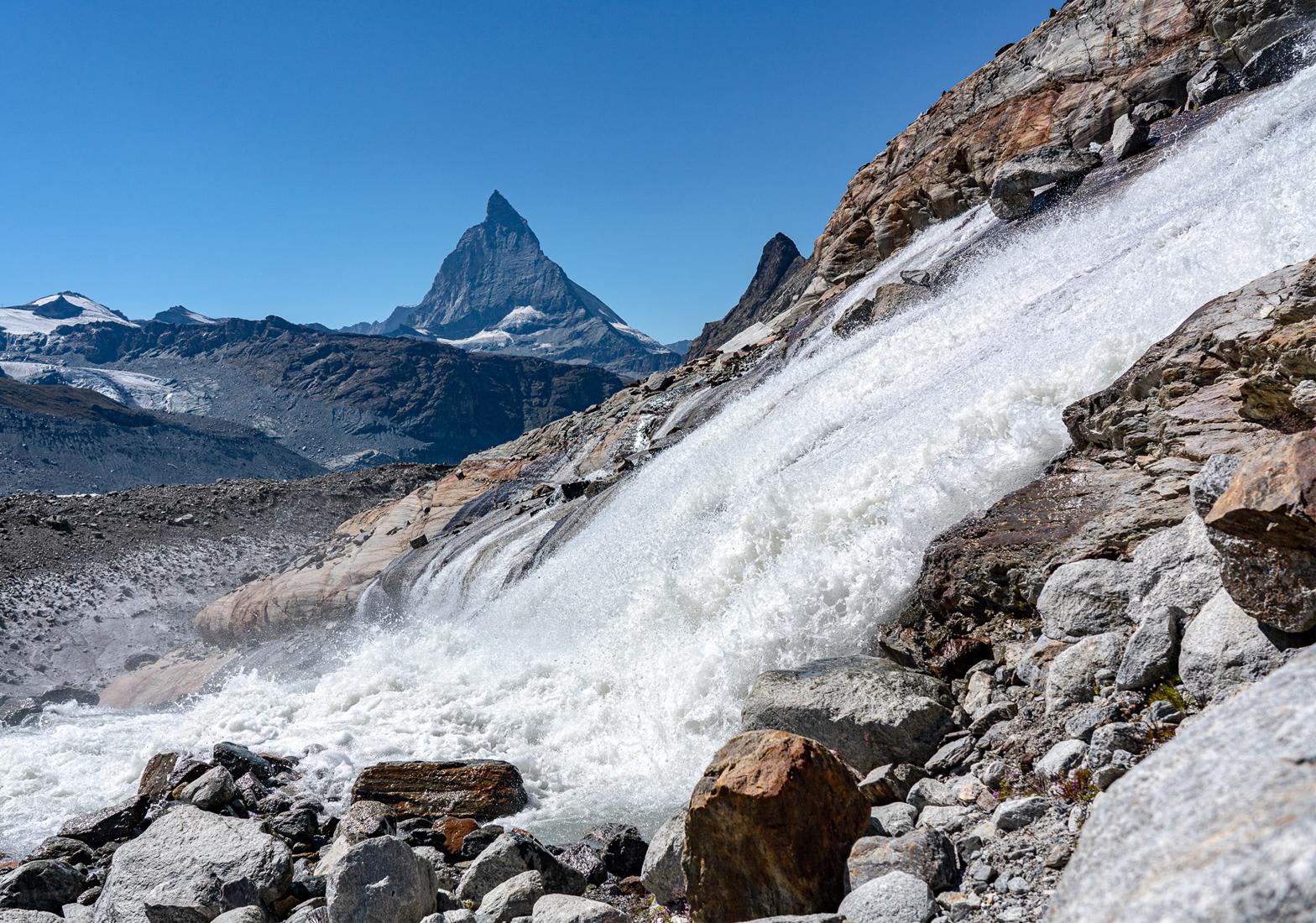
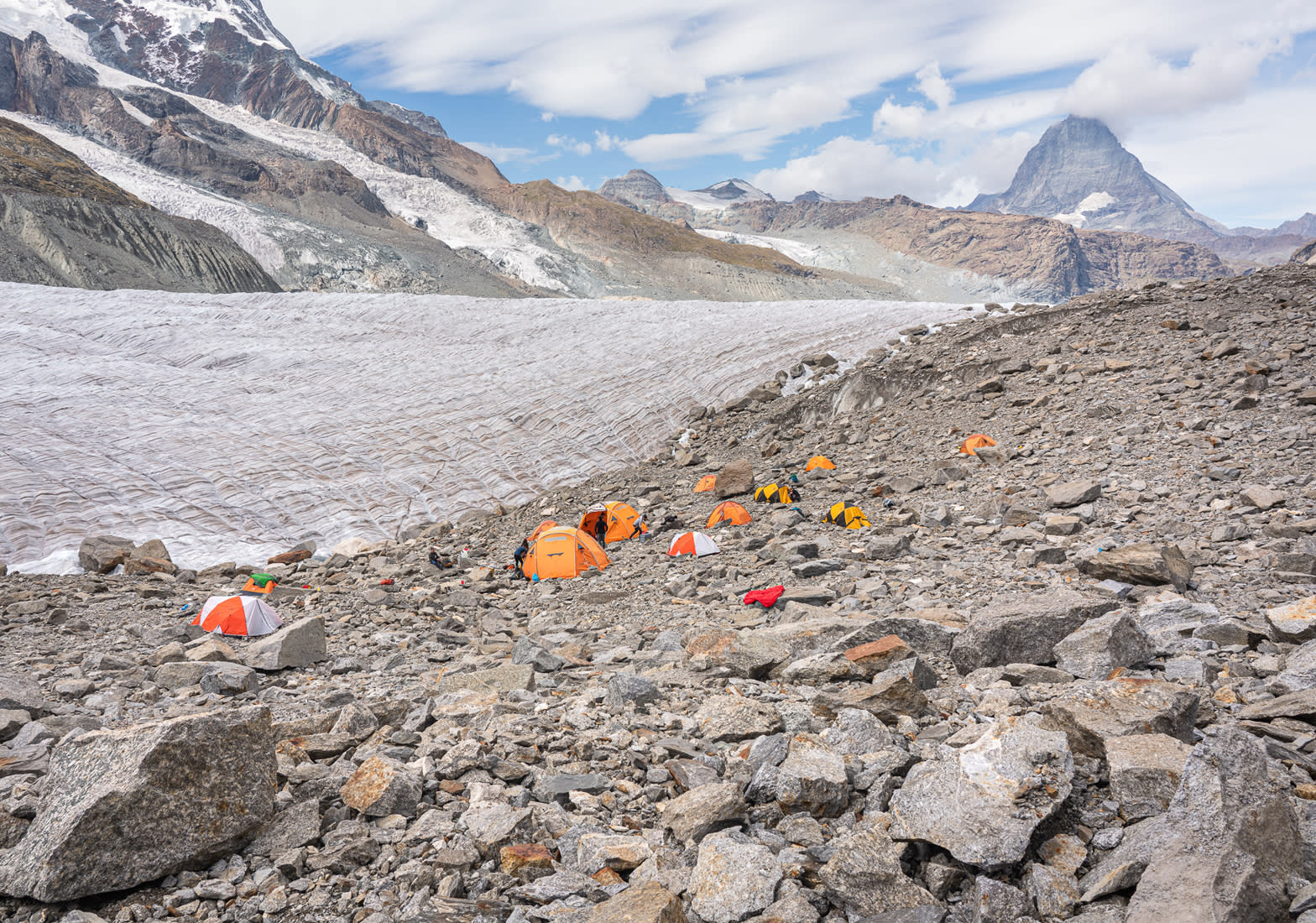
Francesco Sauro, an Italian geologist and Laureate of the Rolex Awards for Enterprise, is investigating how melt water is permeating into the Gorner Glacier in Switzerland, the second biggest in the Alps. He is a speleologist, or, as he puts it, “an explorer of the underground, what lies below the surface”. His current mission is to learn what is going on inside the Gorner Glacier and how the melt water is contributing to further thawing from within – a dangerous feedback loop with serious risks for the glacier and communities in neighbouring valleys. So far, models have only been able to take account of ice melting on the surface. With Sauro’s work, deeper insight will be gained into the melting process as a whole so that models will be better able to predict the fate of the glacier.

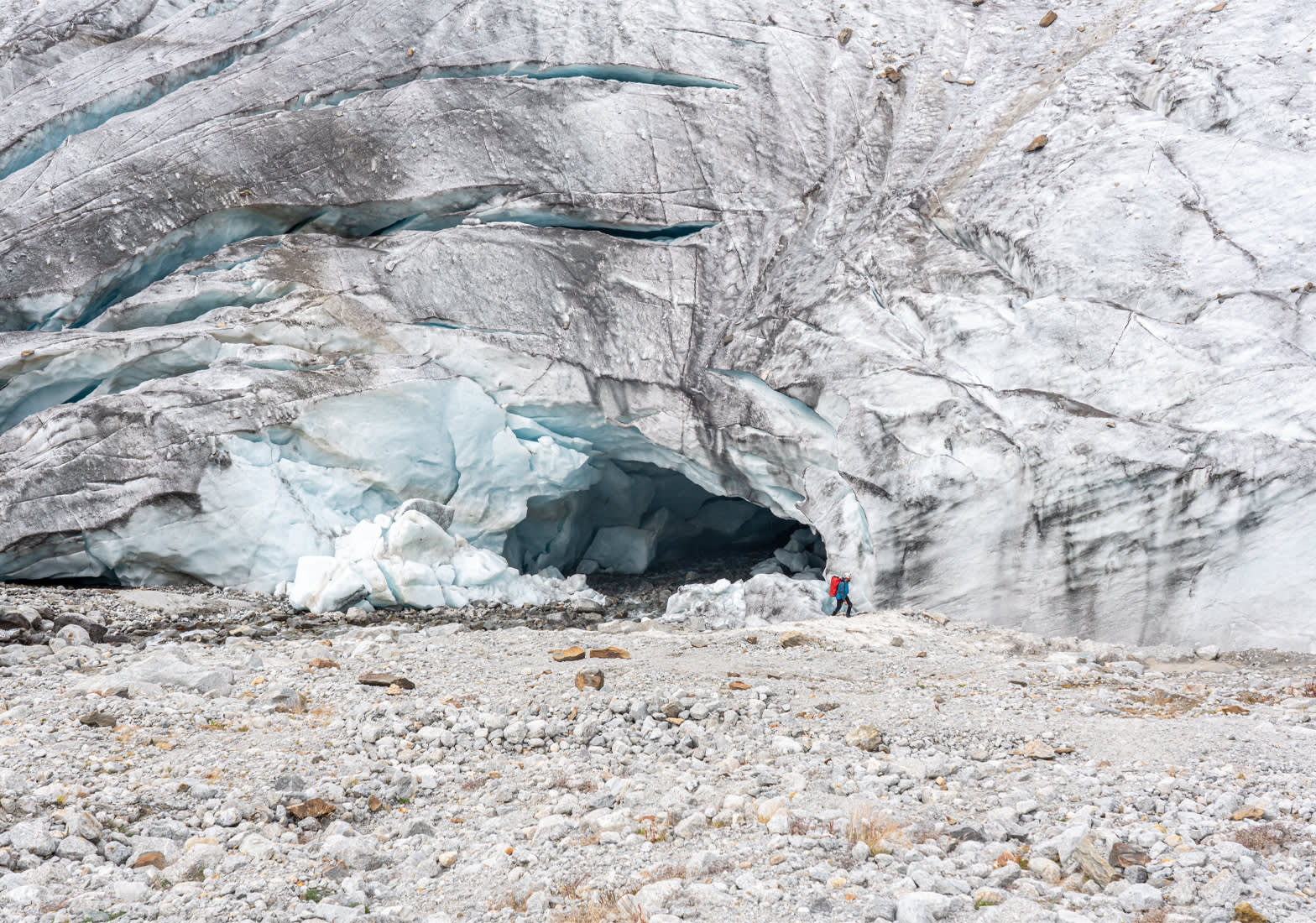
Sauro has studied the depths of caves around the world, from caverns beneath the Amazon rainforest to hidden realms in remote islands of the Atlantic Ocean. His endeavours soon led him into glacial ice caves, and, since 2014, he has been monitoring the Gorner Glacier alongside team members of La Venta, an association of explorers that has surveyed the site for more than 20 years, observing significant transformations in the ice and geology. “It’s a really fast-evolving situation and the places we are studying today will probably be completely gone next year,” he explains. “The caves where we are working now in the darkness will be open to the surface and the rocks will see the sunlight.”
It’s a really fast-evolving situation and the places we are studying today will probably be completely gone next year.

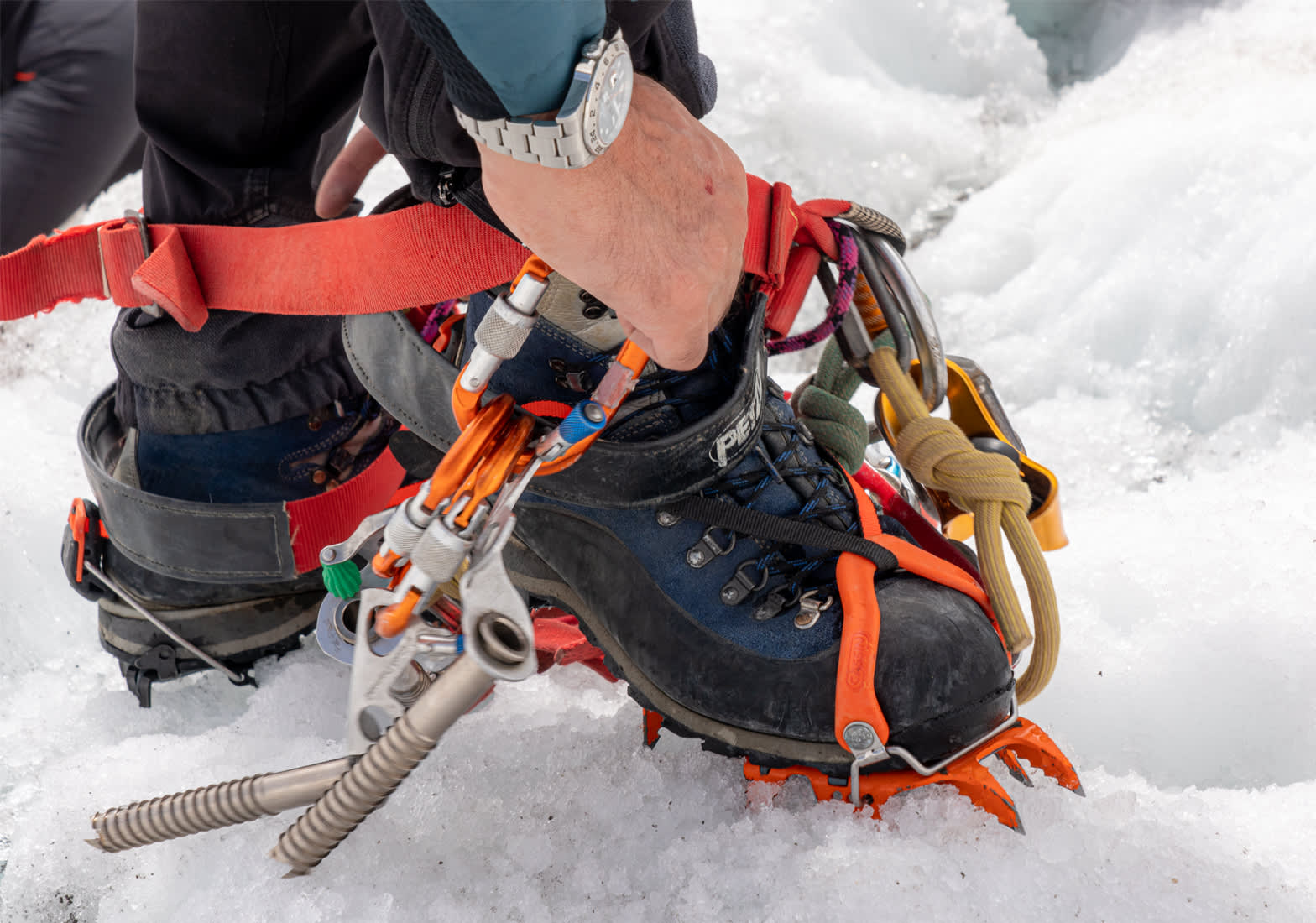
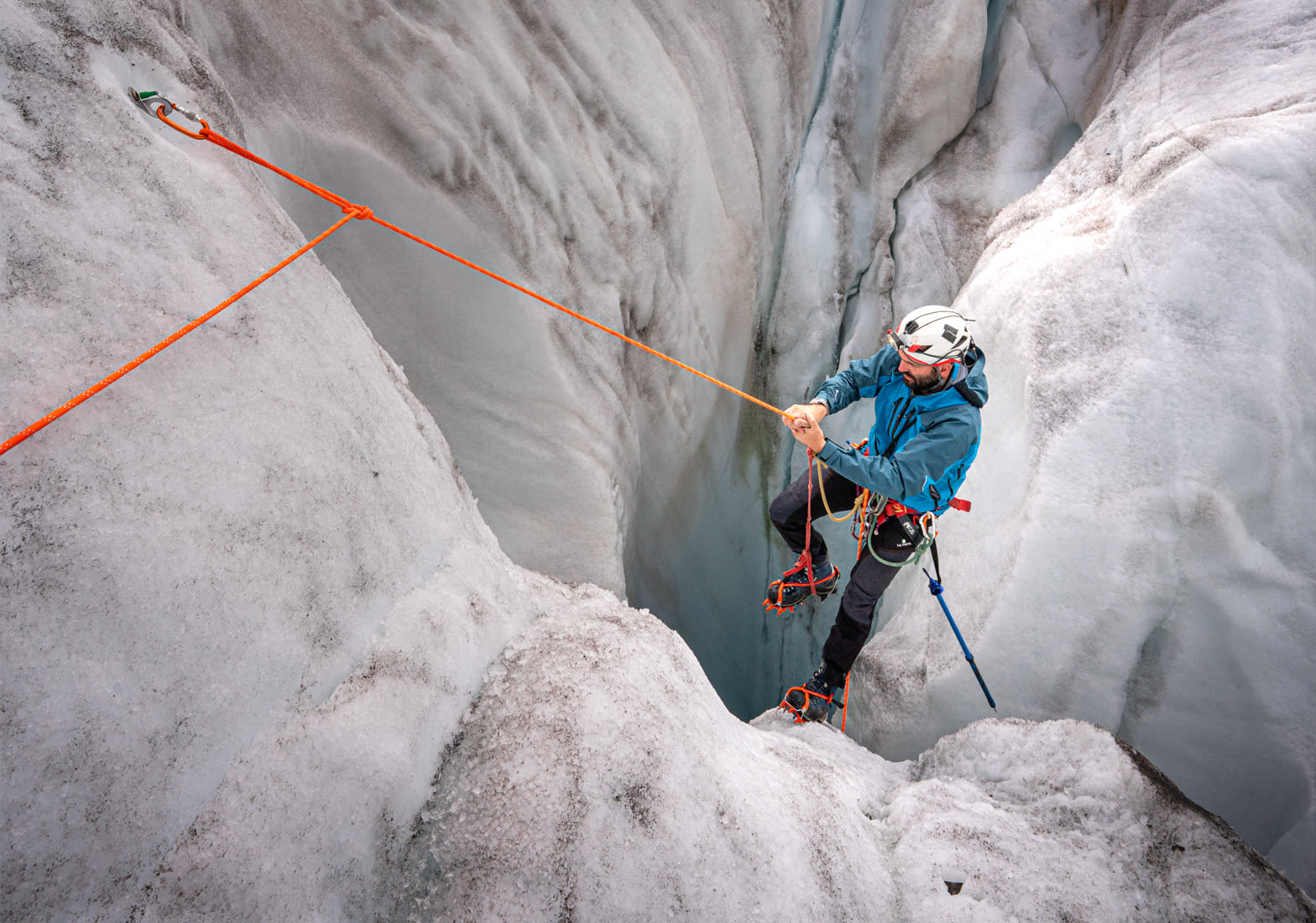
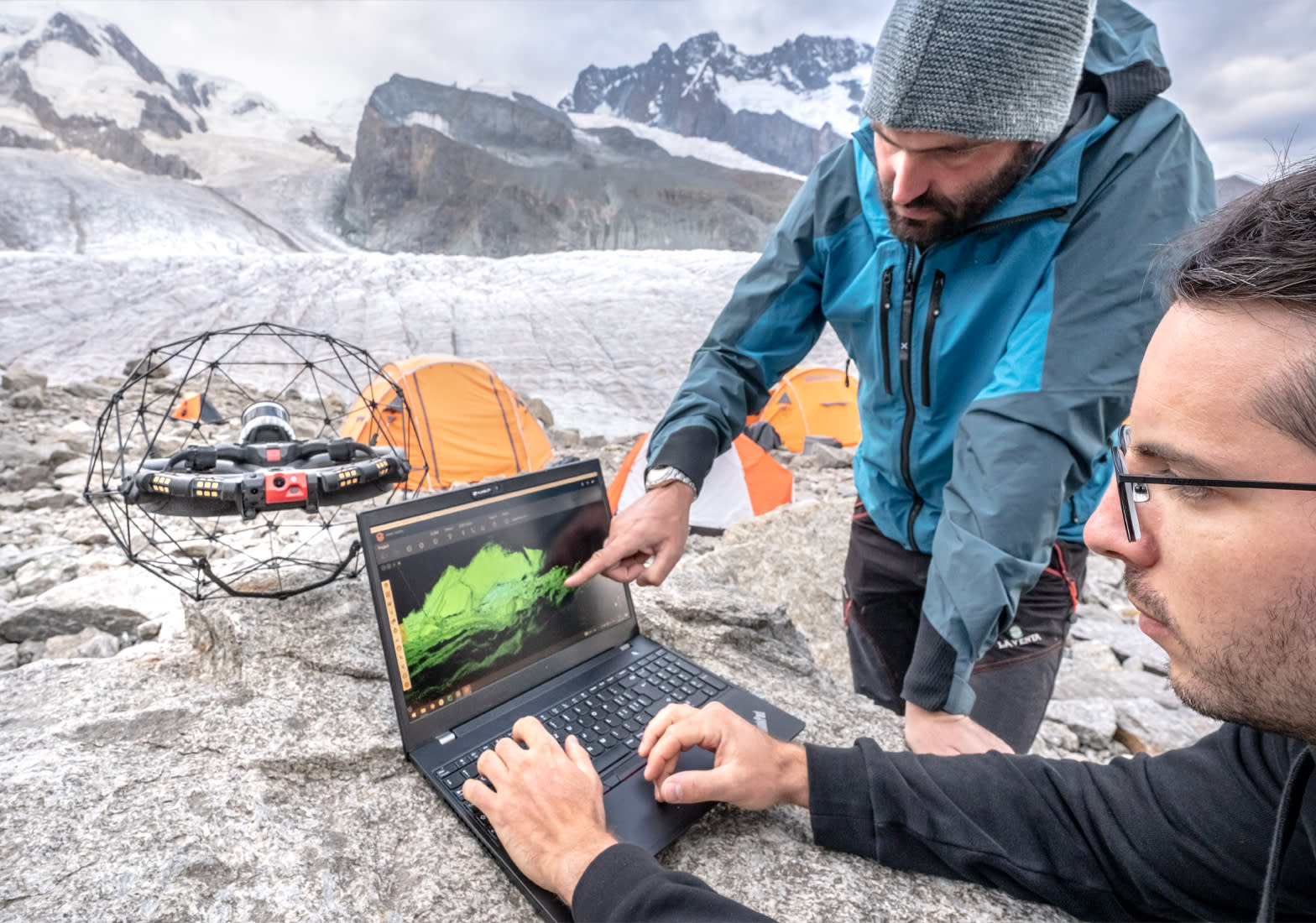
This rapidly shifting landscape means Sauro’s work is urgent as well as dangerous. His most recent expedition to the Gorner Glacier was undertaken in the northern hemisphere’s 2022 summer during peak melt season, when the highest volume of water flows through the caves. It is also the point at which the ice is most unstable and there is a real possibility of collapse. Sauro and his team were the first explorers to attempt this. Pioneering drones that could withstand the harsh, wet conditions were used to delve into areas the team could not reach inside the caverns and tunnels below the surface. “We have to be really careful and find a balance where we can go to take our data and instead where we have to send technologies like drones to take the data for us,” Sauro says.
Measuring the melt
The team focused on caves that form between the glacier’s rocky bed and the ice. This is where water can enter and carve gigantic caverns, hundreds of metres long and almost as deep. Surveying the biggest cave, which sits at the intersection between the Gorner and Grenz Glaciers, the team monitored different parameters of the flowing water entering the glacier in order to estimate the heat transfer.

Laser scanners were used to digitally reconstruct the environment. When it became too dangerous to venture any further, the team navigated specialized drones carrying laser image detection technology deep into the caves and through small gaps in the tunnels. A 3-D picture of the cavernous underground world began to form, providing an otherwise impossible view of how the glacier is changing from within.
As the water runs over rocks that have been warmed by the sun, it absorbs heat – increasing its temperature by several degrees. This water enters the cave, warming the ice it comes into contact with, causing additional retreat and exposing more of the rocky substrate below. “This kind of positive feedback [loop], where the more sides retreat, the warmer the waters will become during the day, and then the more ice melts, is a bit scary,” Sauro admits. But he recognizes how privileged he is to study this incredible landscape and to use cutting-edge science as means to better understand the most fragile parts of our planet.

Into perpetuity
Glaciers have evolved across thousands or even tens of thousands of years. Although tracking this change requires an extraordinary level of patience and perseverance, returning year after year to repeat measurements, scientists like Sauro are now in a race against time. This way of seeing the glacier, in both long geological timescales and with an urgency for action, has become increasingly valuable. “The support from Rolex has fostered this thinking about time, and the past and the future, and all of these aspects which have been really inspiring and important.” For Sauro, pursuing aims which match the vision of Rolex’s Perpetual Planet Initiative means reflecting on what we are leaving here now and the impact it will have into the distant future of our world.
The support from Rolex has fostered this thinking about time, and the past and the future, and all of these aspects which have been really inspiring and important.