Shortcuts

Along the Juruá River
National Geographic Society
Published in
For years, João Campos-Silva and Andressa Scabin have worked with local communities to safeguard the Juruá River’s wildlife. Now, with support from the Rolex Perpetual Planet Initiative and the National Geographic Society, they are helping transform our understanding of the Amazon.

A flourishing tributary
Over the last year, seven teams of Explorers and multidisciplinary scientists have been studying the Amazon River basin as part of the Rolex and National Geographic Perpetual Planet Amazon Expedition. One of these teams of National Geographic Explorers is comprised of 2019 Rolex Awards for Enterprise Laureate João Campos-Silva and fellow National Geographic Explorer Andressa Scabin. They have been collaborating with local communities and grassroots organizations to investigate the habitats and migration patterns of aquatic megafauna along the Juruá River and build conservation models that allow both the river and its people to thrive.

From the Andes mountains in the west, the Amazon River basin stretches across a vast expanse, travelling through eight countries before reaching the Atlantic Ocean in the east. It provides an astonishing amount of the planet’s freshwater, is home to thousands of species of fish and acts as a critical natural resource for millions of people. Yet, like the rainforest it hosts, this incredible biome is under threat. Overfishing, climate change and deforestation are all taking a toll. However, one tributary is flourishing – the Juruá River. At over 2,000 kilometres long, the Juruá River is one of the longest tributaries of the Amazon River, sustaining the lives, cultures and livelihoods of thousands of people. There, strong grassroots organizations led by local communities have been acting as guardians of the river, working to recover and conserve wild populations of important species.

Campos-Silva has been partnering with these communities for over a decade, earning his Rolex Award for work demonstrating that this community conservation model could help save the endangered arapaima. Since then, the community-led model has been expanded to many other rural communities, bringing the world’s largest scaled freshwater fish back from the brink of extinction. As a result of these conservation efforts, the arapaima population in the Juruá River has increased more than 600 per cent in the last 15 years. This has not only fortified aquatic ecosystems but also brought social and economic benefits to the local communities who can now fish the arapaima sustainably and sell it legally at a fair price. Historically, fishing was managed by men, however, the abundance of arapaima created a demand for more professional fishers and fishery managers, enabling women to now fill those roles and generate independent income. “We say the arapaima is the ‘fish of change’ because it has been inducing a huge social transformation in the Juruá River,” Campos-Silva explains.
We say the arapaima is the ‘fish of change’ because it has been inducing a huge social transformation in the Juruá River.

Aquatic megafauna
As part of the Perpetual Planet Amazon Expedition, Campos-Silva and Scabin are investigating the populations, habitats and movement of the arapaima between protected areas to understand the minimal protection required to ensure they can survive and flourish. This important information can then be used to inform future conservation efforts in other parts of the river and beyond.
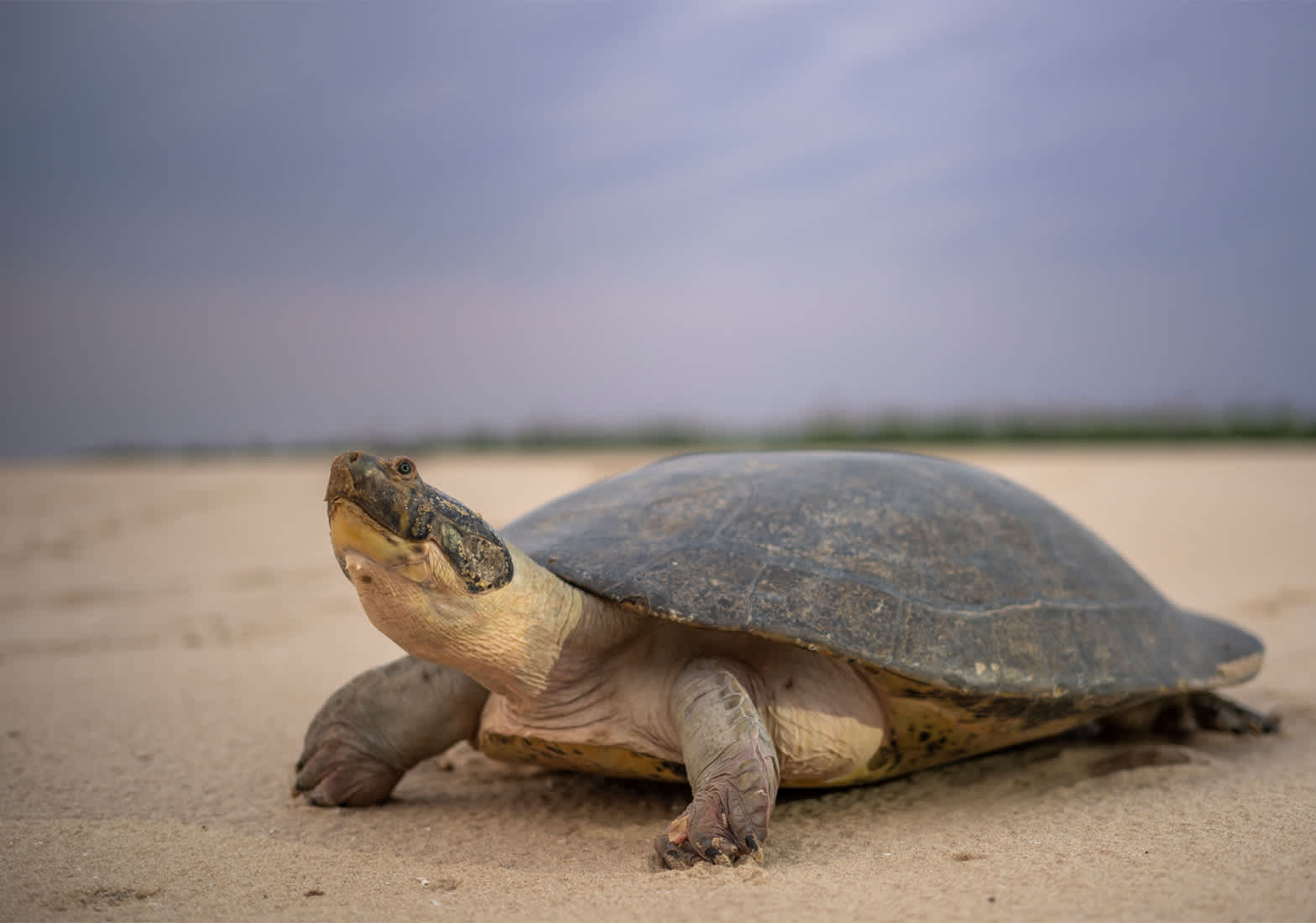
The arapaima will not be the only megafauna tracked by Campos-Silva and Scabin. They will also be monitoring black caiman – a crocodilian reptile – giant otters, giant Amazon turtles, pink river dolphins and manatees. Manatees and arapaimas both pose a particular challenge: the arapaimas are tricky to fit a tracking device to, while the manatees are notoriously elusive animals. “This is the most difficult animal to capture,” says Scabin, “I've been working in the Amazon for about 14 years and I’ve never seen one manatee.” However, by working with local people, including a former manatee hunter turned conservationist, they have come closer than ever to the elusive animals, and even became the first people to ever place a GPS (Global Positioning System) tag on an arapaima.

On their most recent expedition, Campos-Silva and Scabin joined a team of local fishers to search for the six key species. They performed visual surveys and tagged the animals to begin estimating their numbers and activities, which will in turn give them an idea about the river’s health in general. “All these animals are really important for the aquatic ecosystems,” Scabin explains. “Some of them are the predators, top of the trophic chains, like the black caiman, giant otter and river dolphin. Then we have animals that are important for the nutrient cycle, like manatees. We also have giant turtles and arapaimas that have huge cultural and economic importance for the local communities.”
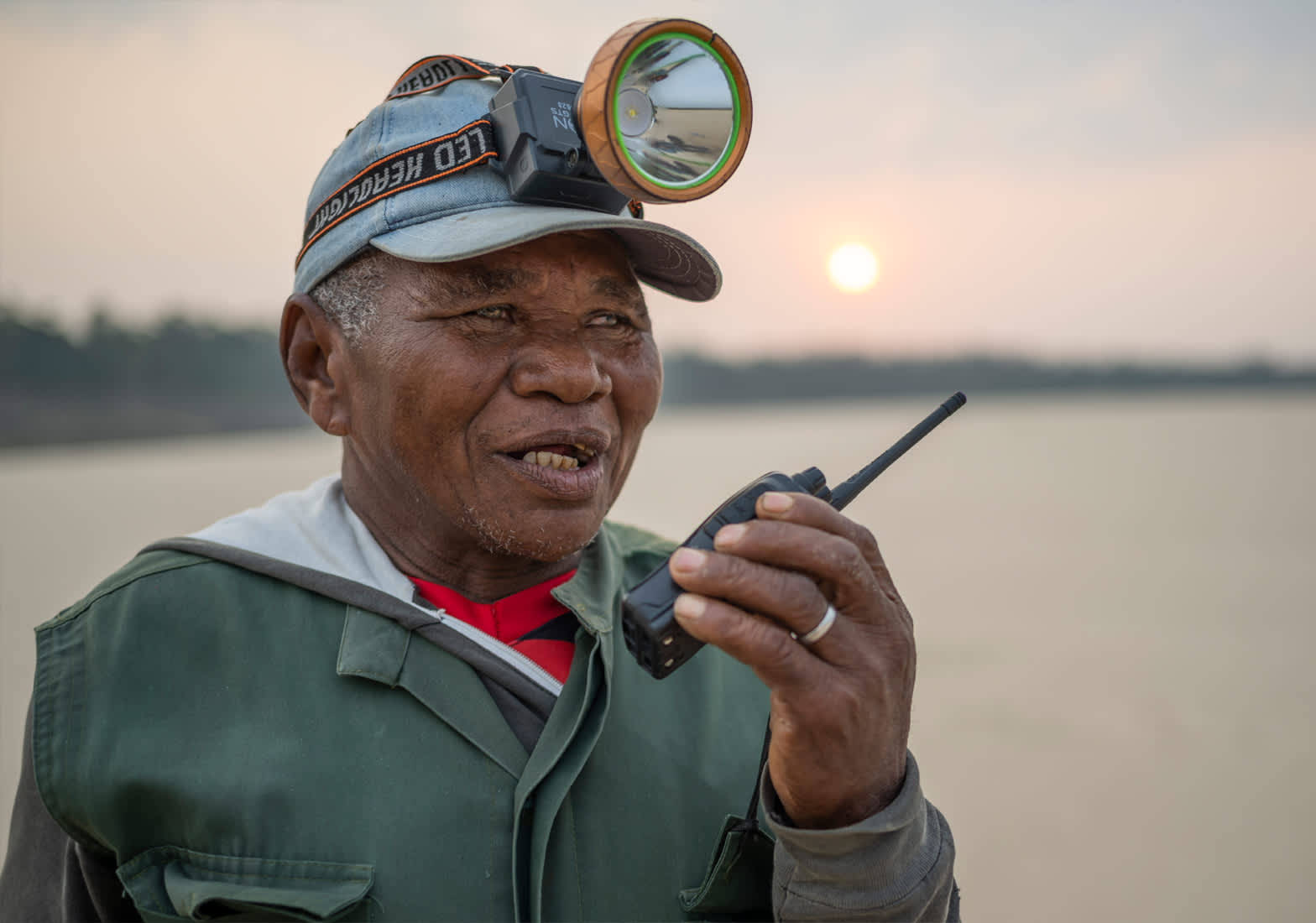
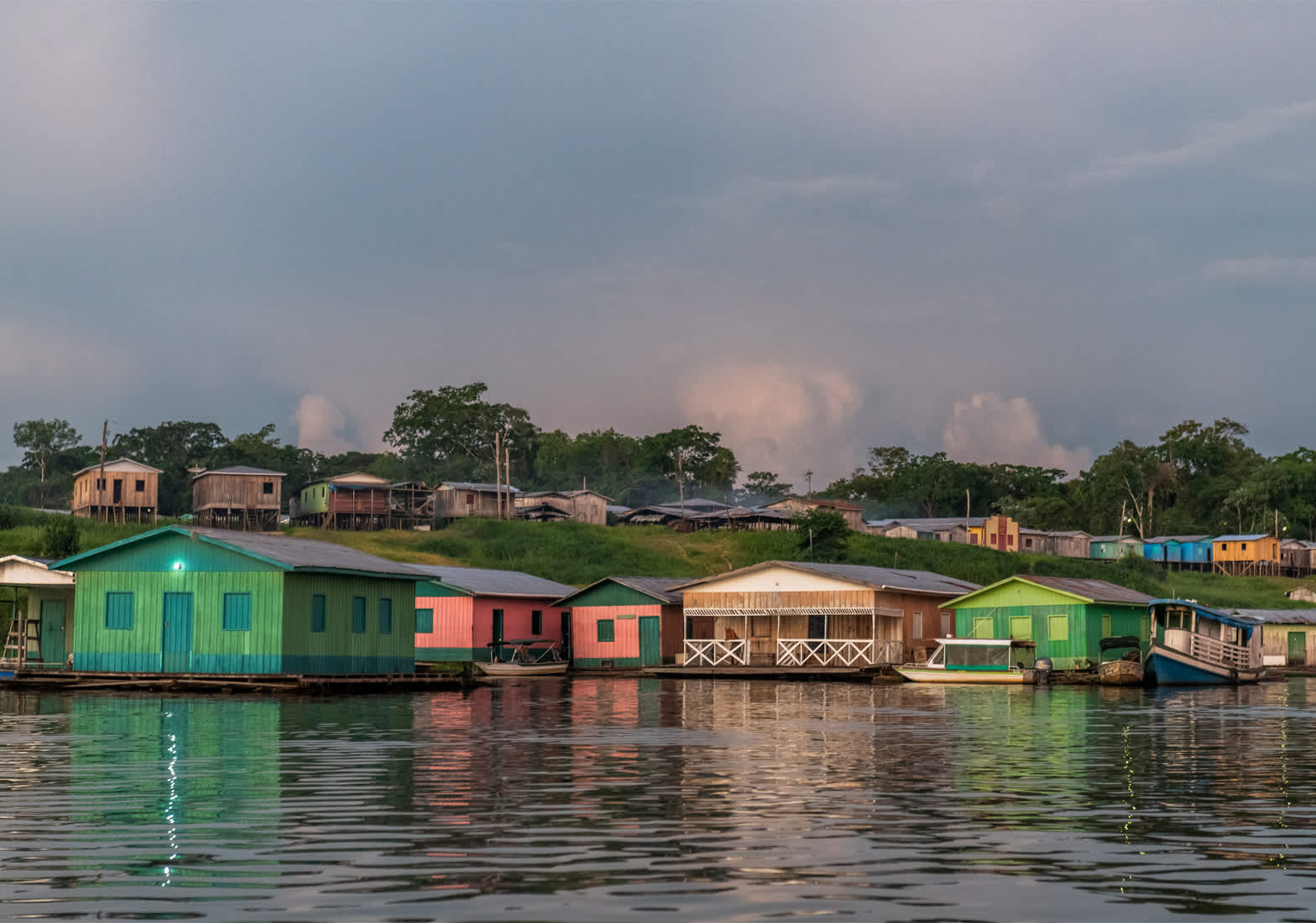
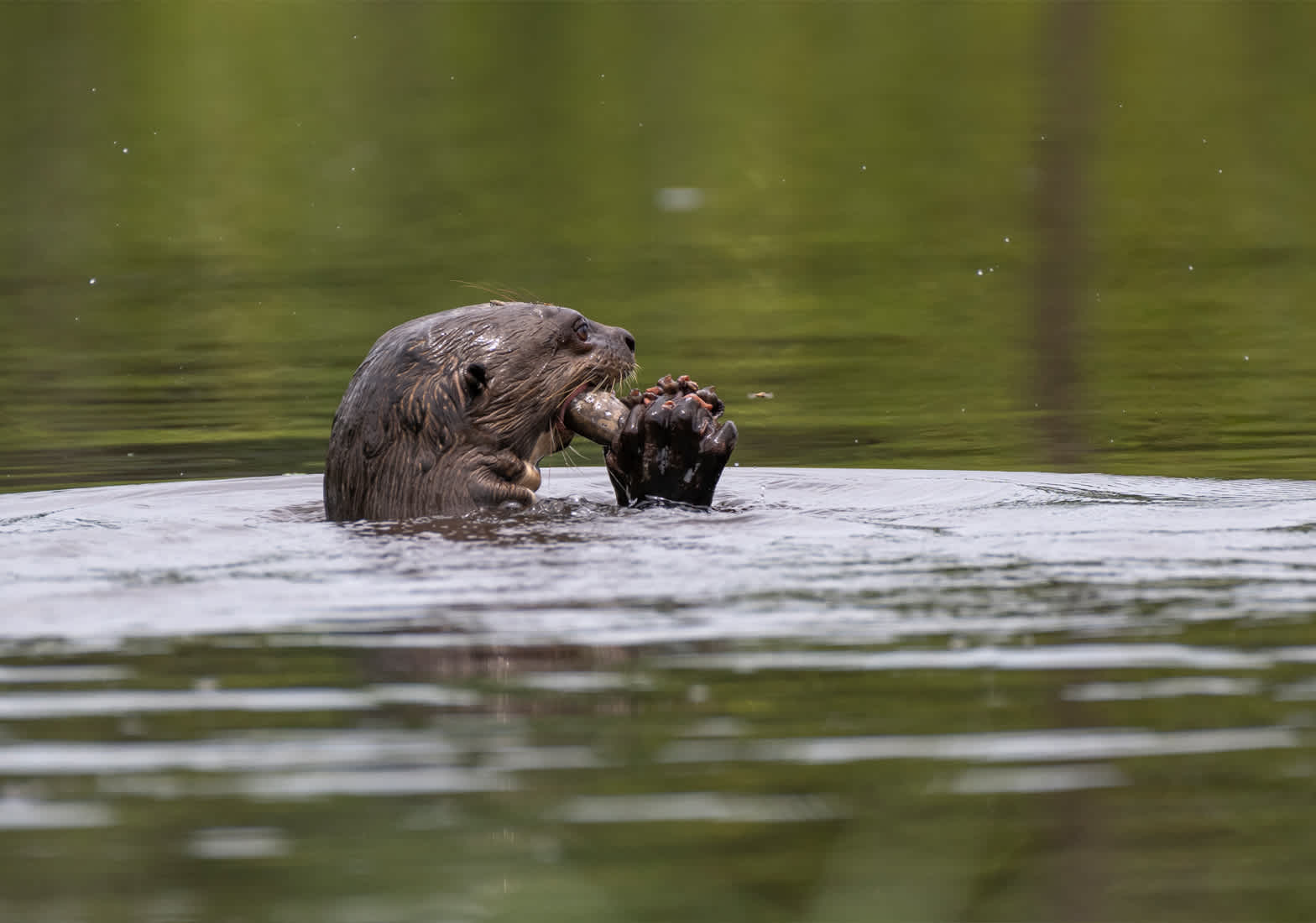
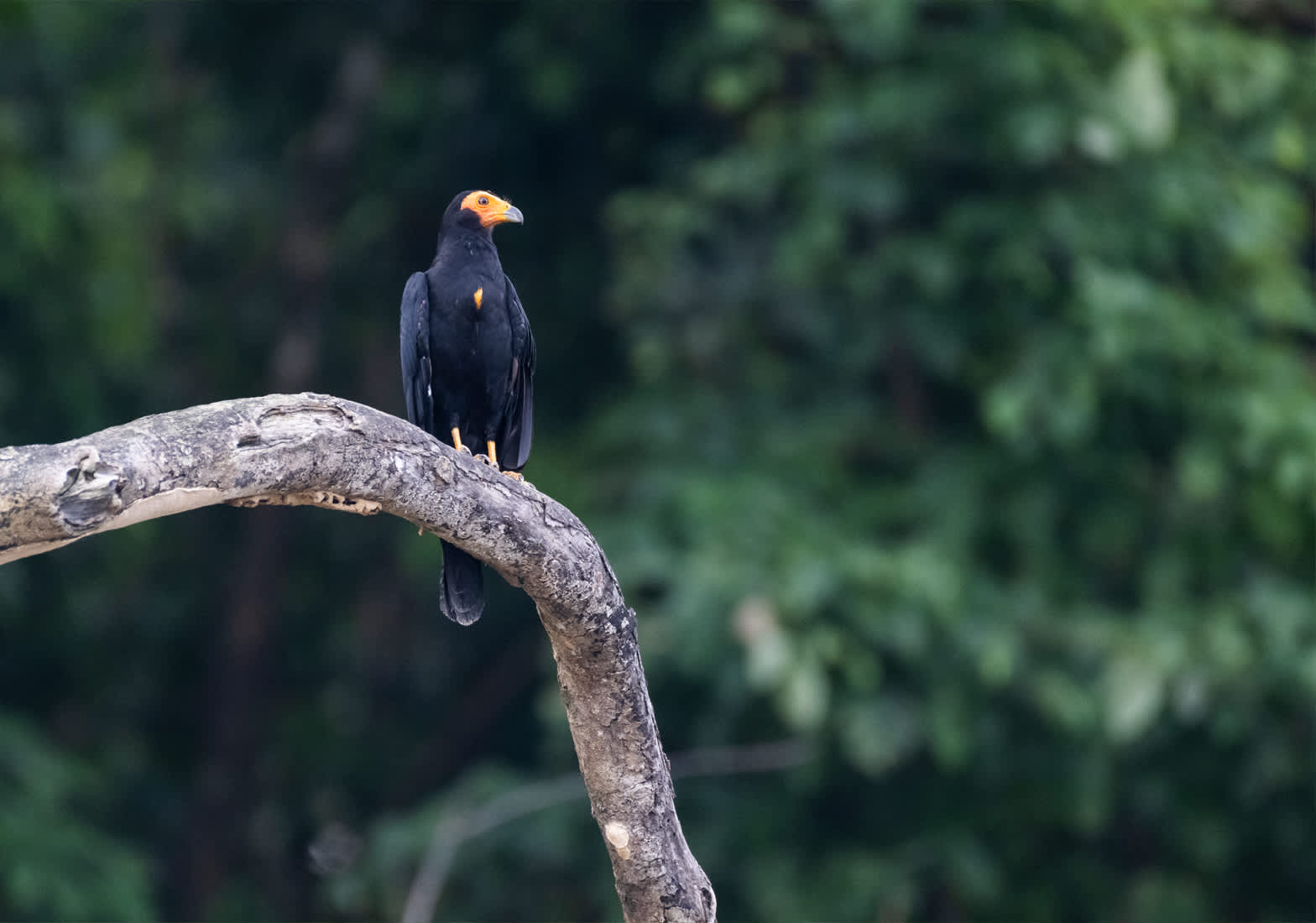
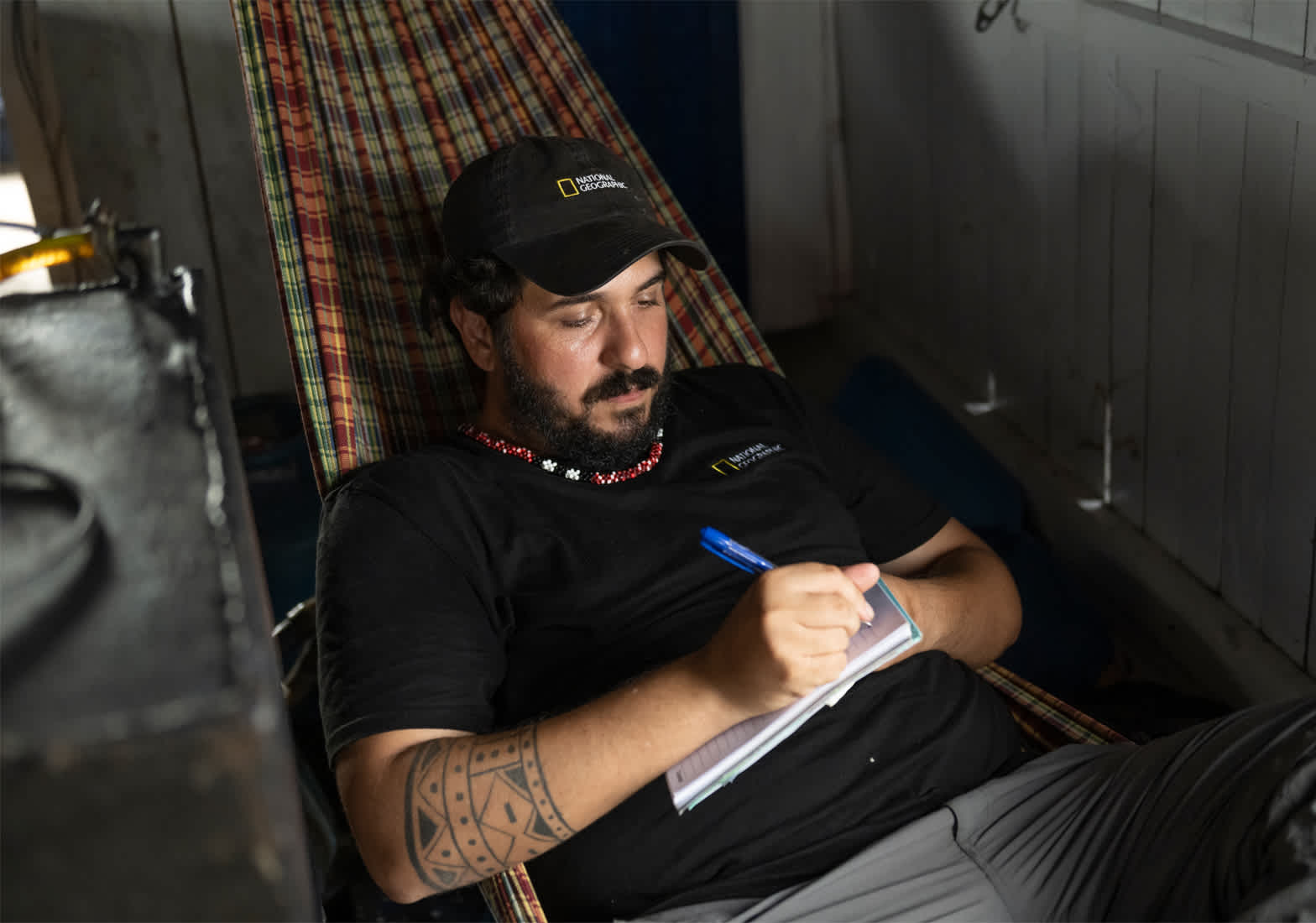
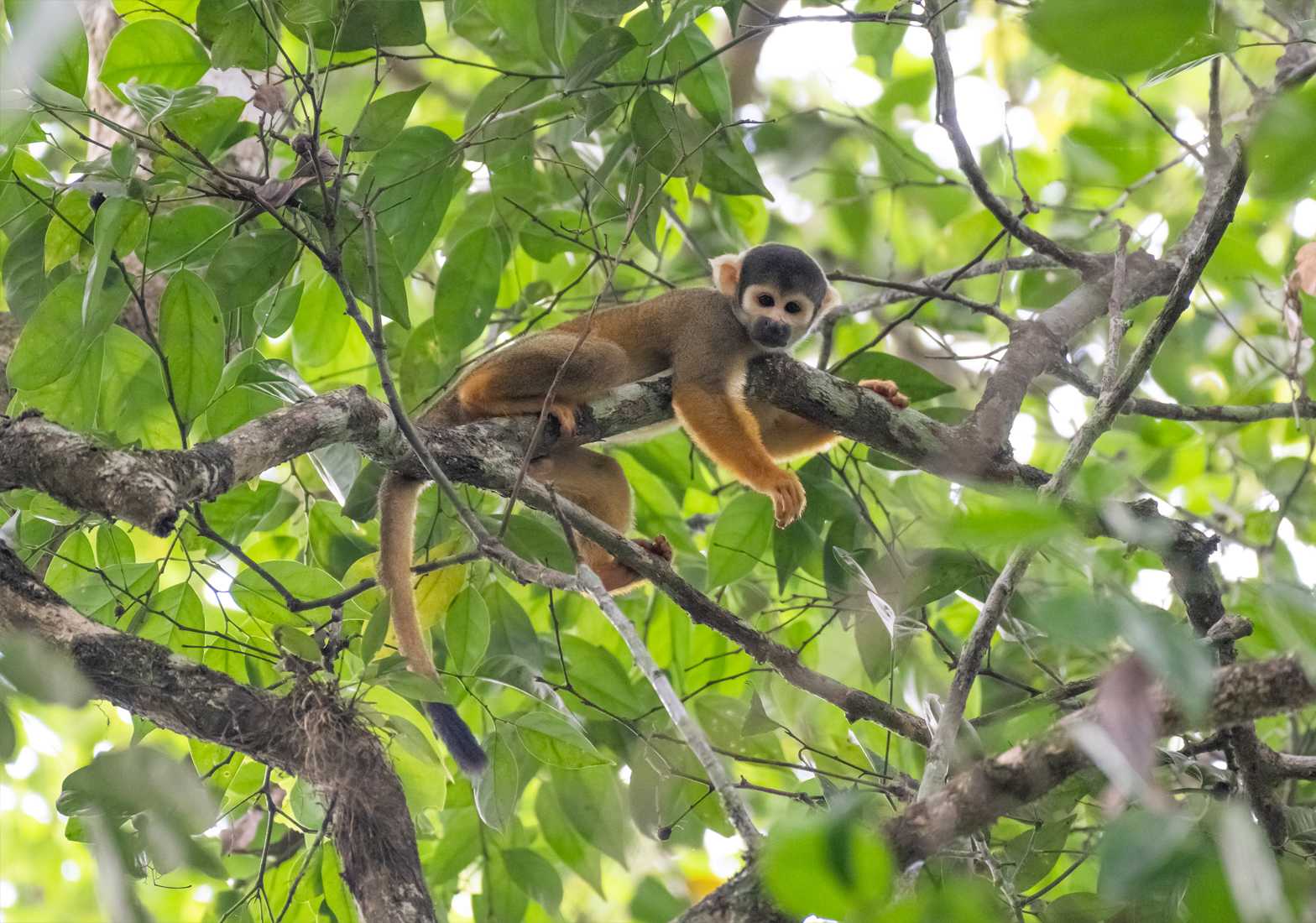
Campos-Silva and Scabin meet regularly with rural community leaders and conservation groups along the Juruá River to build strategies together for sustainable hunting, fishing and resource use, as well as to learn from one another. Local knowledge and needs are essential to the conservation model. Protecting nature must provide people with new opportunities and an improved quality of life so that communities are empowered to keep caring for ecosystems and wildlife. By doing this, Campos-Silva and the grassroots organizations from the Juruá River plan on creating a scalable model that can be expanded and used across the Amazon River basin. As they are keen to emphasize, people are the most important part of the solution. Campos-Silva says: “It’s a very equal partnership between science and traditional knowledge. We believe that a sustainable future, and a fair future for the Amazon, will only be possible if local people are the protagonists of these models.”
We believe that a sustainable future, and a fair future for the Amazon, will only be possible if local people are the protagonists of these models.

Through the Rolex and National Geographic Perpetual Planet Amazon Expedition, Campos-Silva and Scabin are sharing a story of conservation in the Amazon that puts local community organization and action at its heart. They are showing that it is possible to create a brighter future for all who call the basin home. This groundbreaking work, along with that of the other National Geographic Explorers on the expedition, is helping to understand the Amazon’s waterways and the crucial roles they play on a global scale.