
There are so many more things to discover in that area. We could probably spend 20 more years there and still have questions to answer.

National Geographic Society
Published in
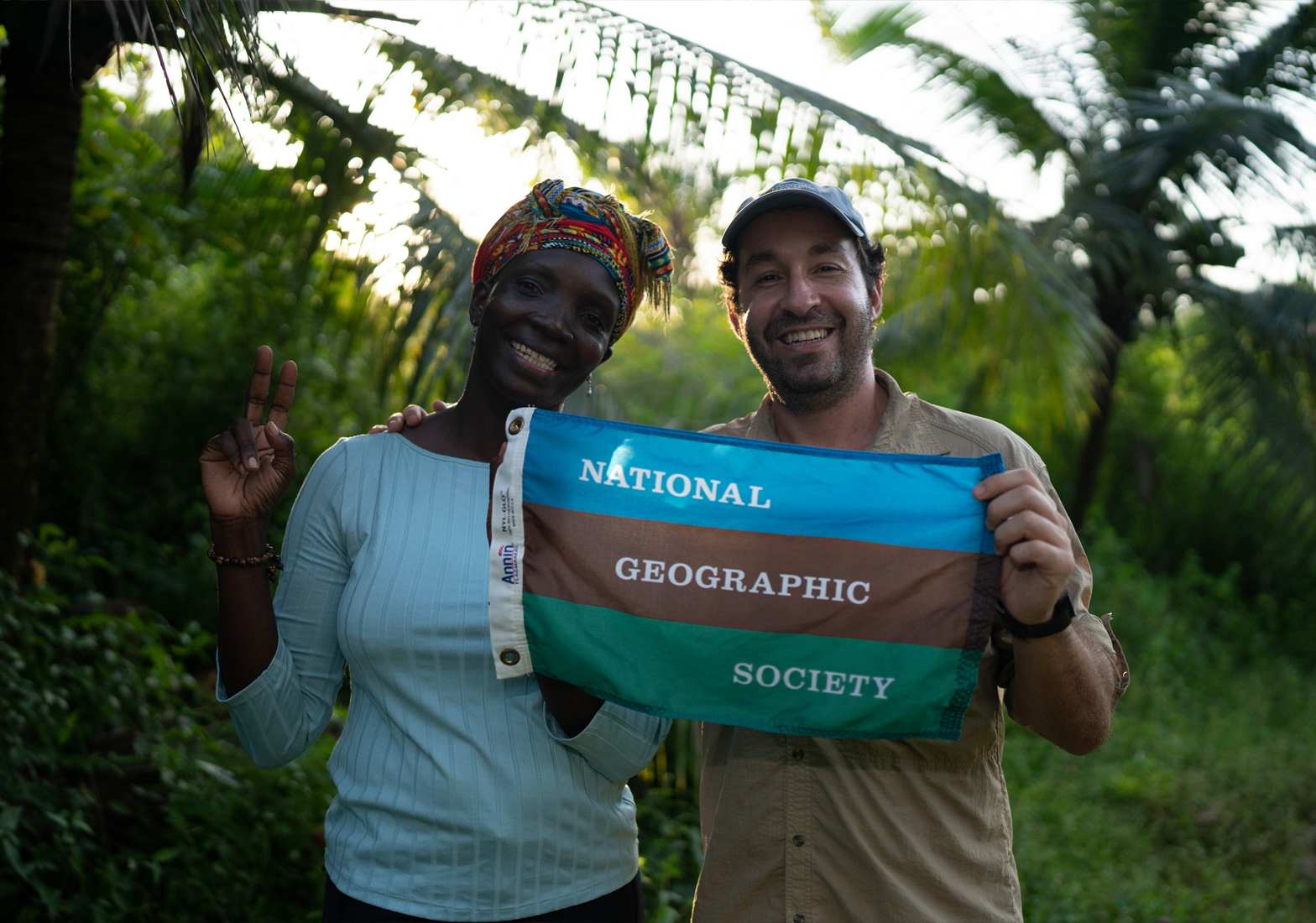
With support from the Rolex Perpetual Planet Initiative and National Geographic Society, Angelo Bernardino and Margaret Owuor have been uncovering the mysteries of Brazil’s mangroves at the mouth of the Amazon River, one of the least-understood ecosystems on the planet.

Knee-deep in sticky mud, eyes squinting against the driving rain, marine ecologist and National Geographic Explorer Angelo Bernardino works quickly to extract core samples from the soil. He is deep inside a mangrove forest at the mouth of the Amazon River and the tide is coming in fast. In a few hours, this patch of dry land could be under several metres of water.
The Rolex and National Geographic Perpetual Planet Amazon Expedition is enabling seven teams of National Geographic Explorers to access some of the farthest reaches of the massive Amazon River basin, from the glacial peaks of the Andes to the labyrinthine delta where the river meets the Atlantic Ocean.

The Amazon basin is a place of superlatives. It is home to the world’s largest river by discharge volume, and the most extensive rainforest on Earth, which is home to the greatest biodiversity on Earth, stores massive amounts of carbon and sustains the lives of millions of people. In recent years, there has been growing awareness of the urgent need to protect the rainforests from the threats of climate change and deforestation. Yet until now, the vast mangrove forests at the river mouth have remained unexplored and barely studied.
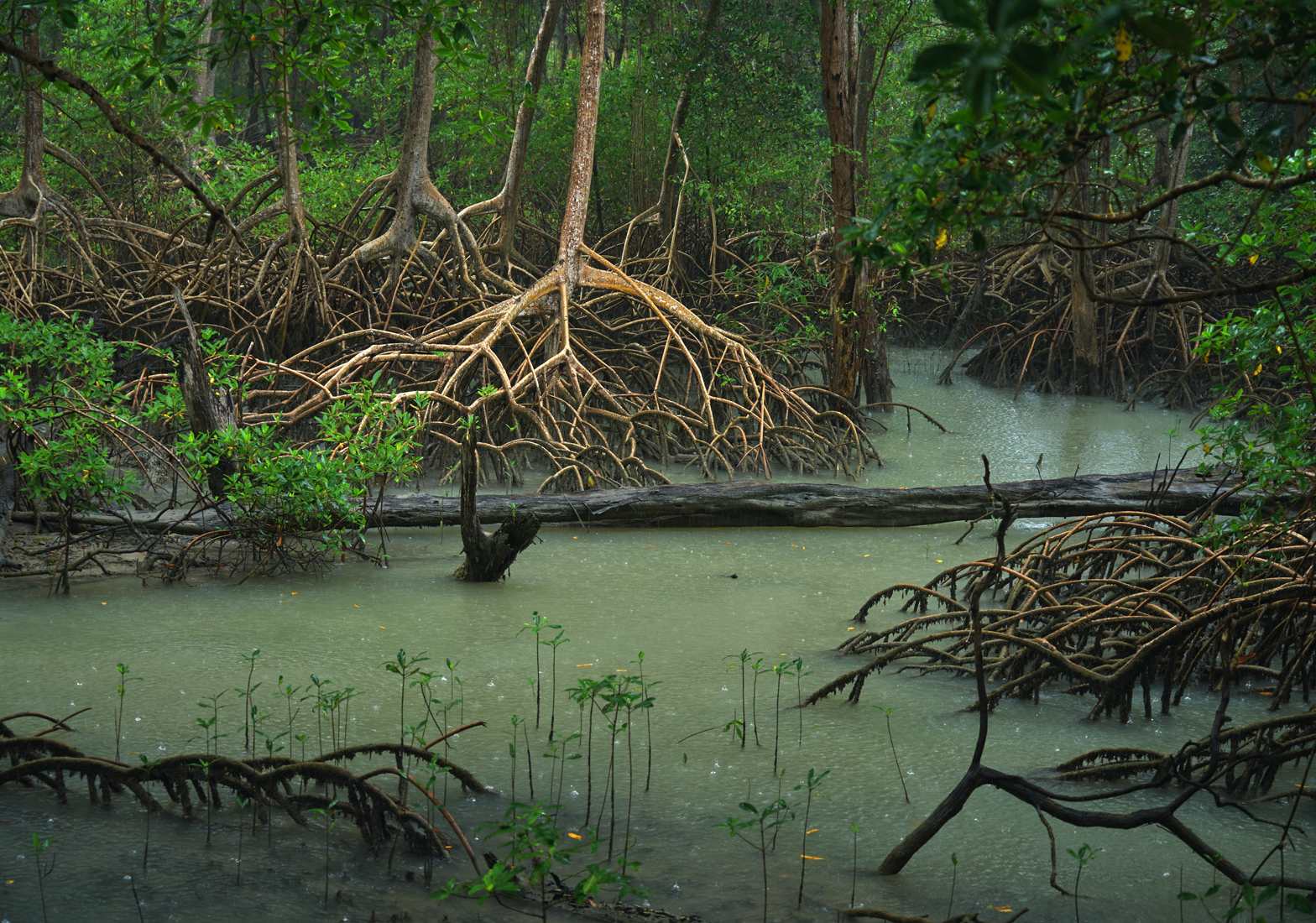
Bernardino and fellow National Geographic Explorer Margaret Owuor are hoping to change that. Found throughout the tropics, mangroves are among the few tree species that thrive in salty or brackish water. Easily identifiable by their tangles of exposed, spider-like roots, they provide a crucial sanctuary for juvenile fish and are also exceptionally efficient at storing carbon, with a recent study revealing that Amazon mangroves store over twice as much carbon per square metre than the Amazon rainforest.

The importance of mangroves is clear, not only to the local communities that rely on them for essentials such as food and timber, but in the global fight against climate change. Bernardino and Owuor are hoping that what they find will spark interest in Brazil’s mangroves and lead to greater protection for this often-overlooked but critical ecosystem.
“With time, I think we’re going to appreciate just how important mangroves are to all our lives,” says Bernardino, who first fell in love with the ocean and its varied ecosystems as a teenager during a scuba diving trip with his family.

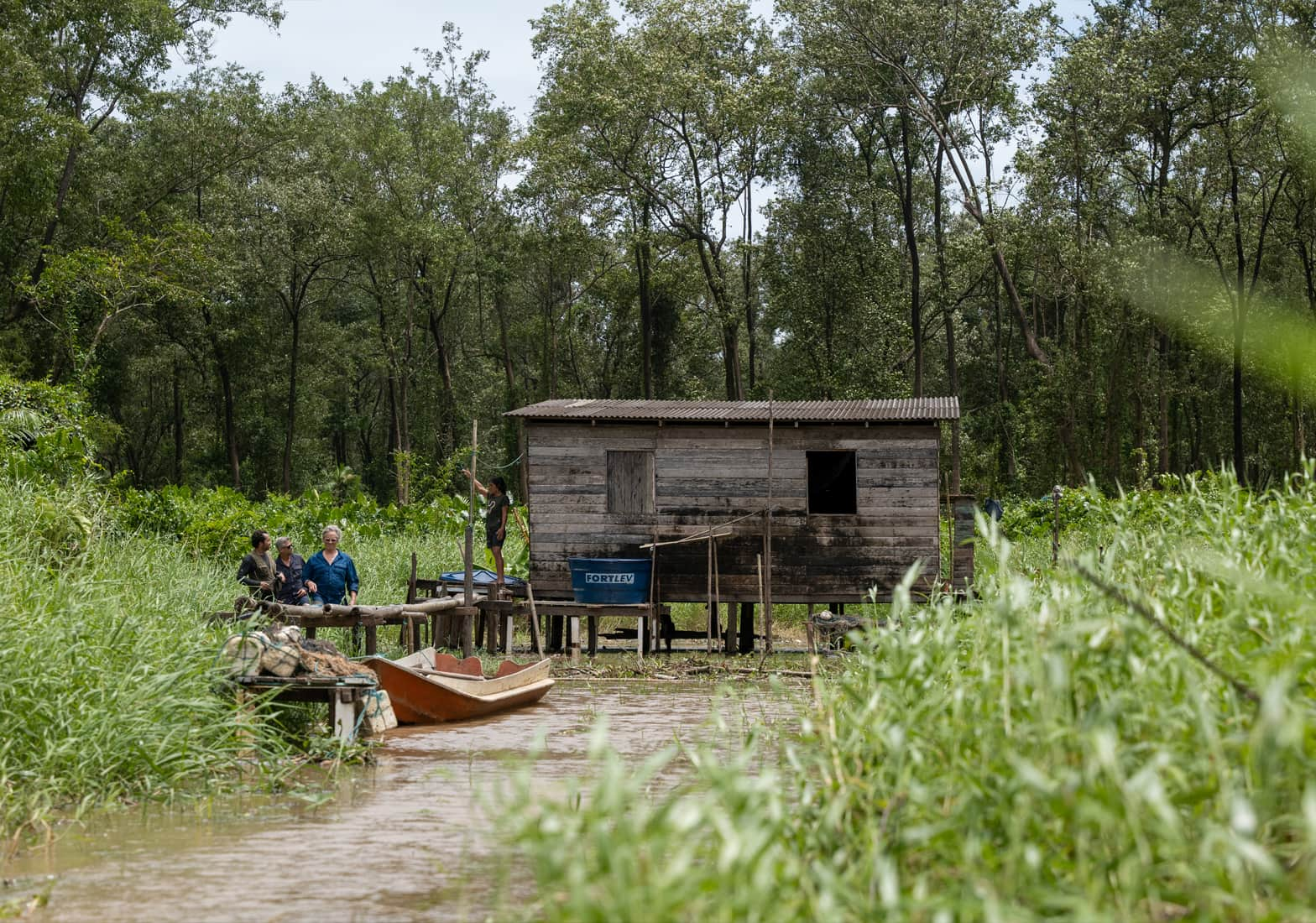
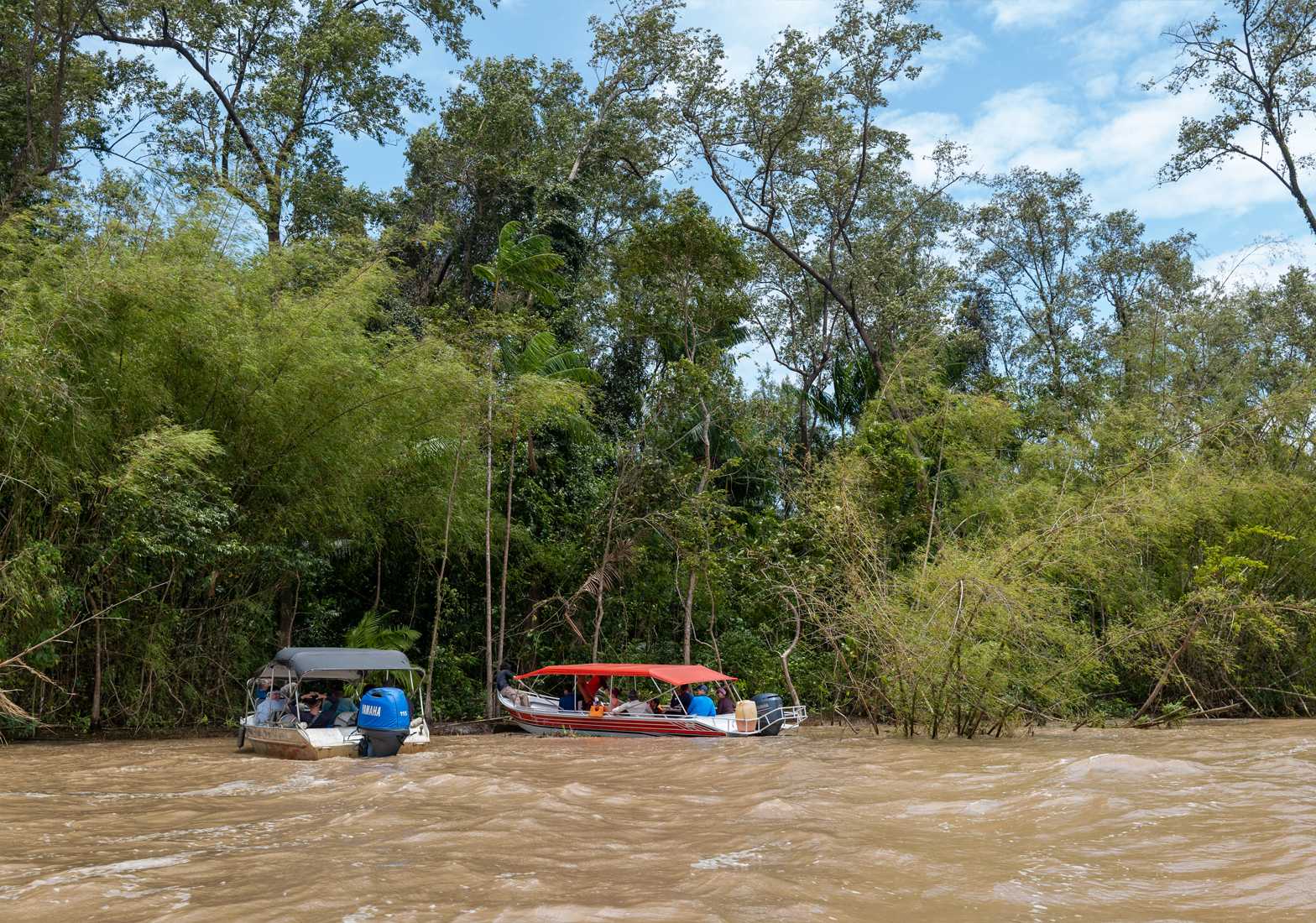
For Bernardino and Owuor, the mangrove forests were also extremely challenging places to conduct research. With a massive tidal range of as much as eight metres, the time available for work is limited. Once a day, a tidal bore known as the Pororoca, which can be up to four metres high, sweeps through the forests, threatening to swamp any vessel caught unawares. The rain is relentless. There are no roads, and in places, the nearest market or hospital is several days away.
In April 2022, the team piled into a hired fishing vessel and set off northwards from the mouth of the Amazon, following the so-called “plume” of fresh water that flows up along the coast toward the Caribbean. At night, they slept in hammocks, using bed nets to protect themselves from swarms of voracious mosquitoes.
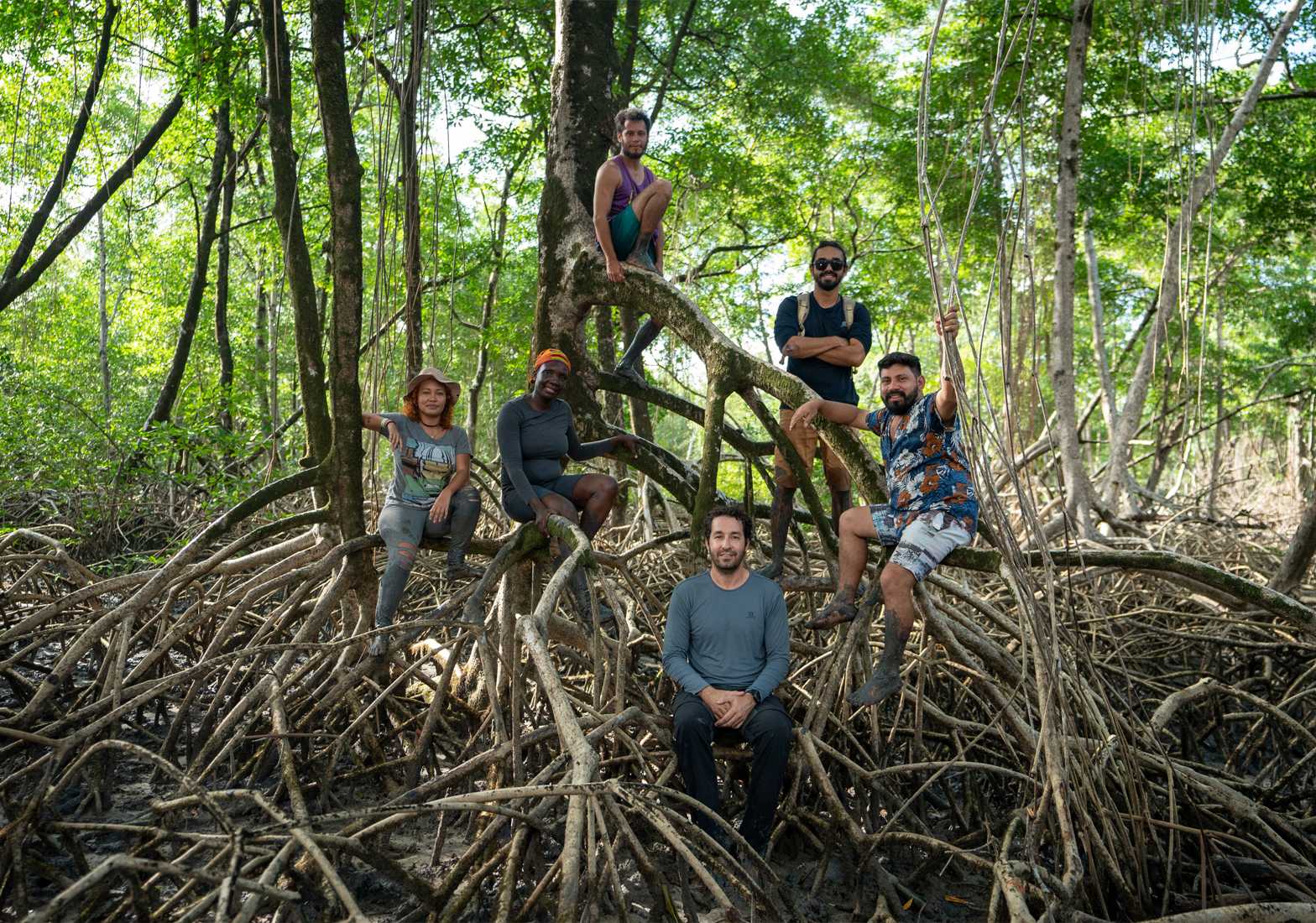
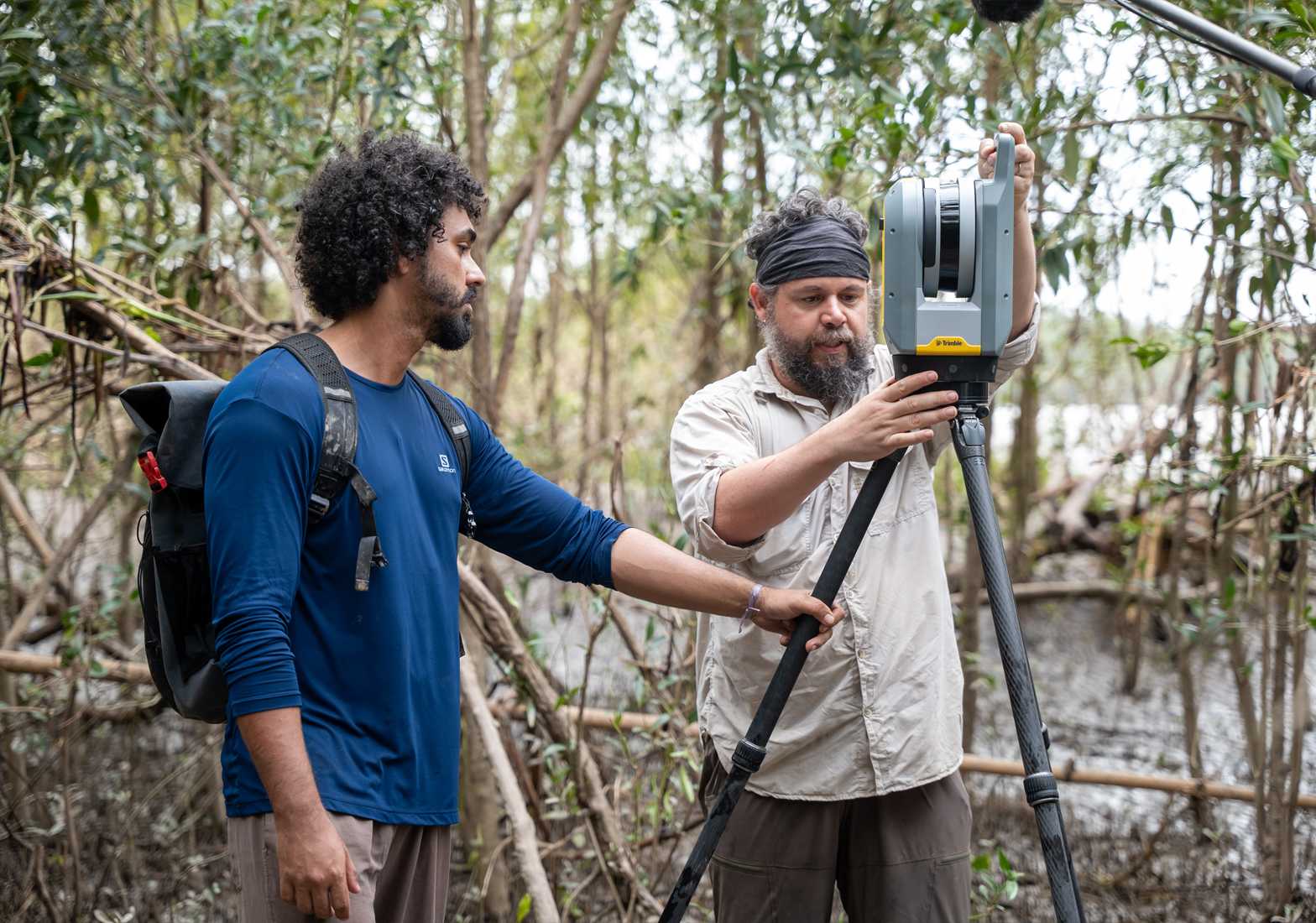
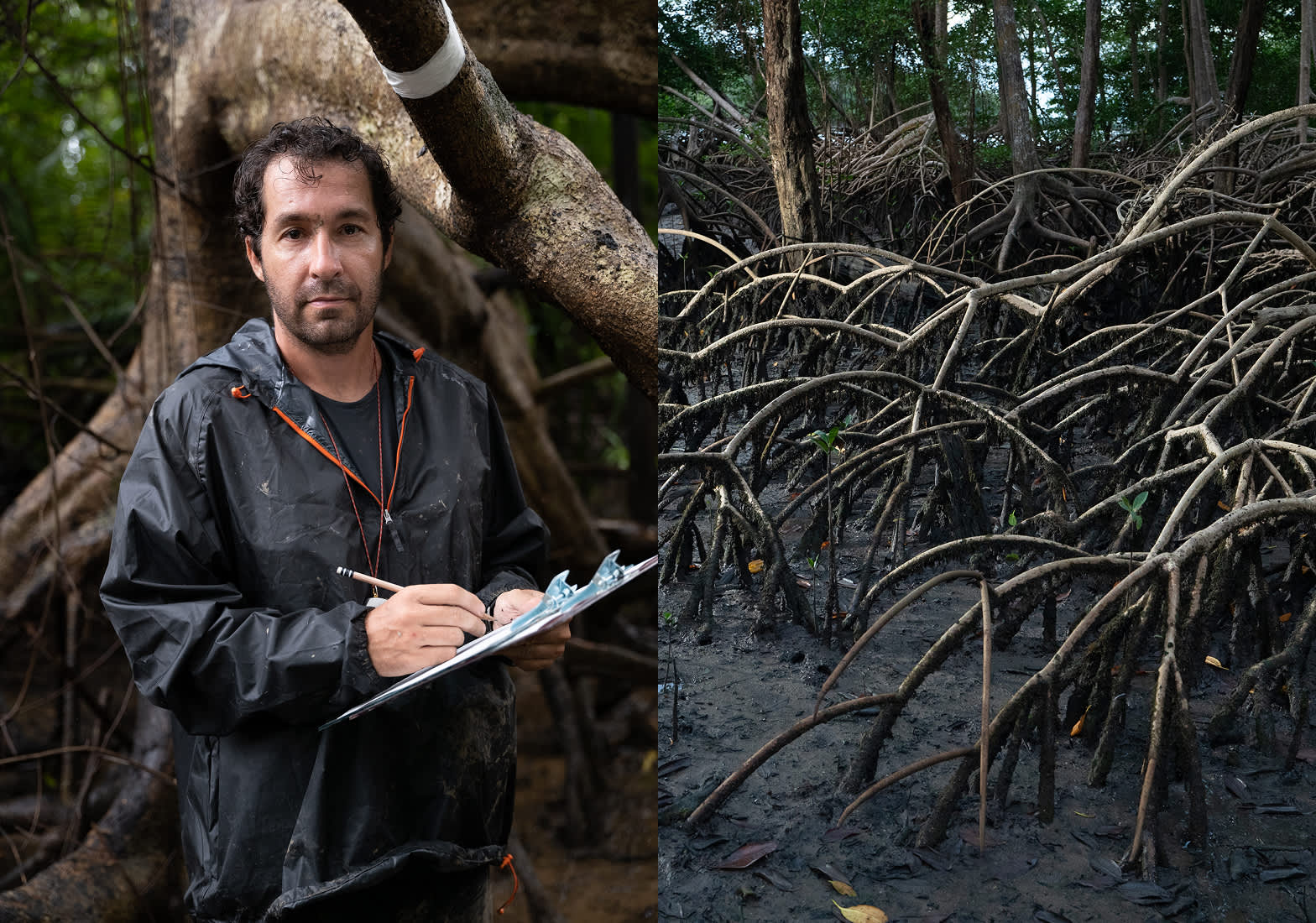
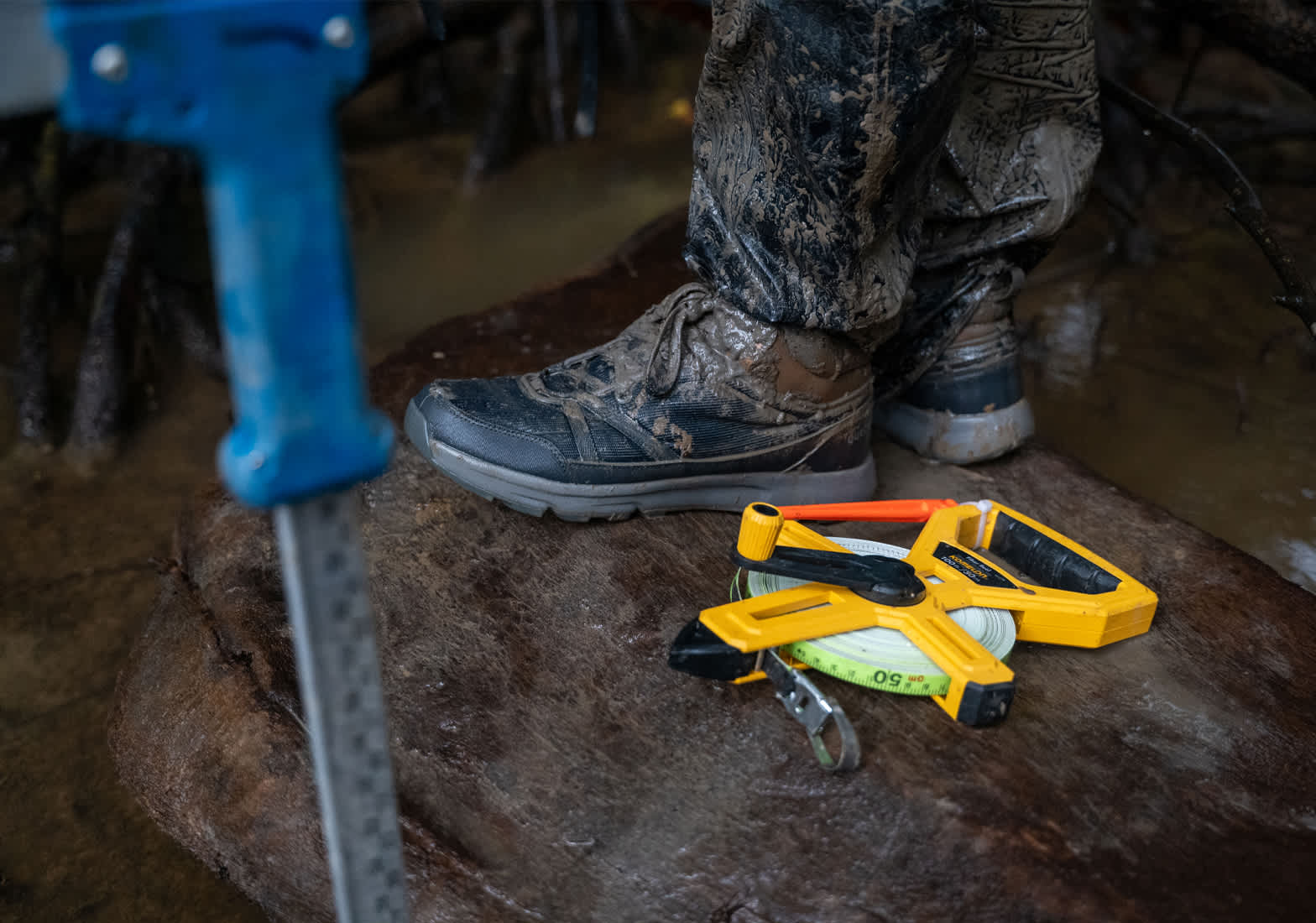
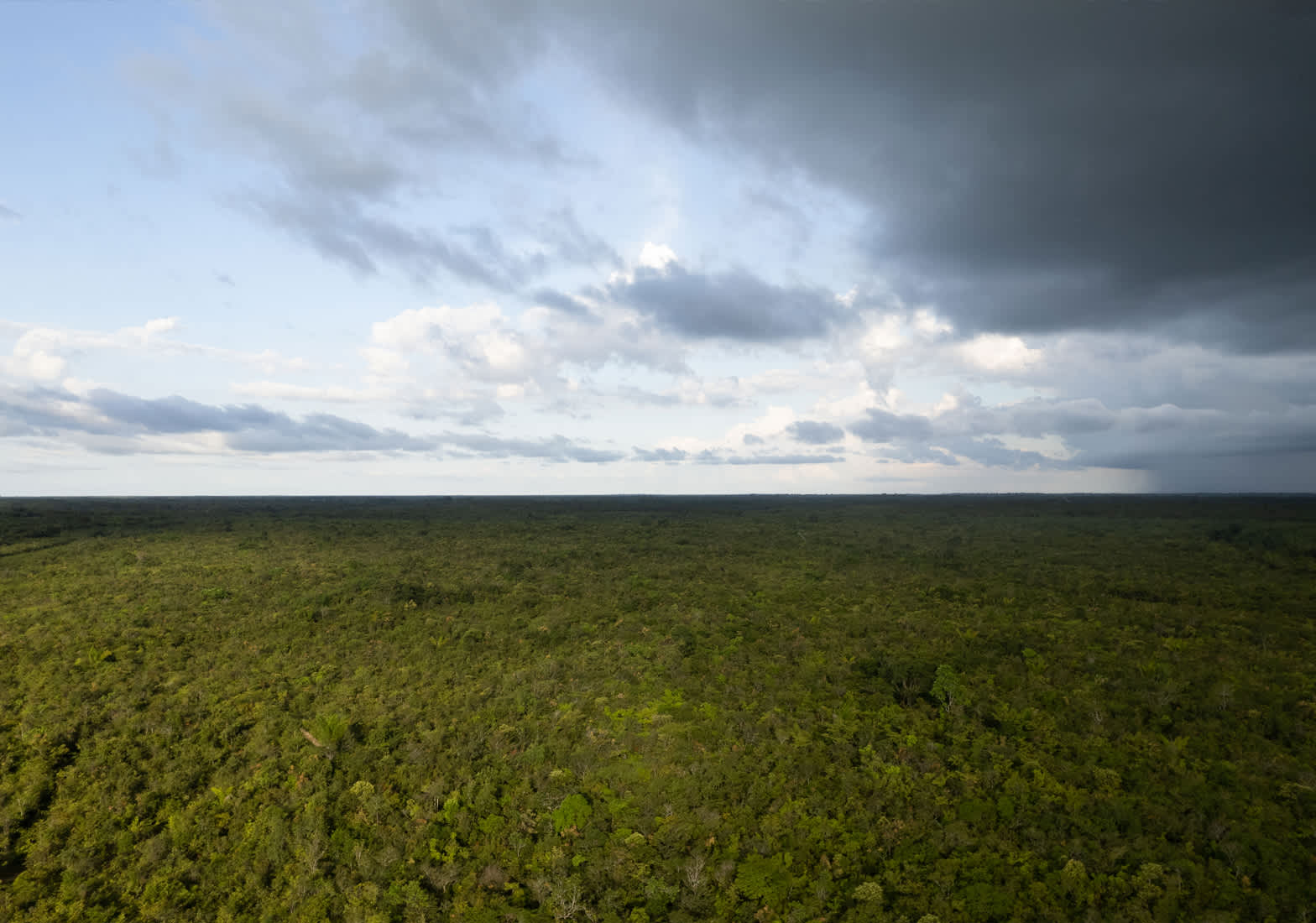
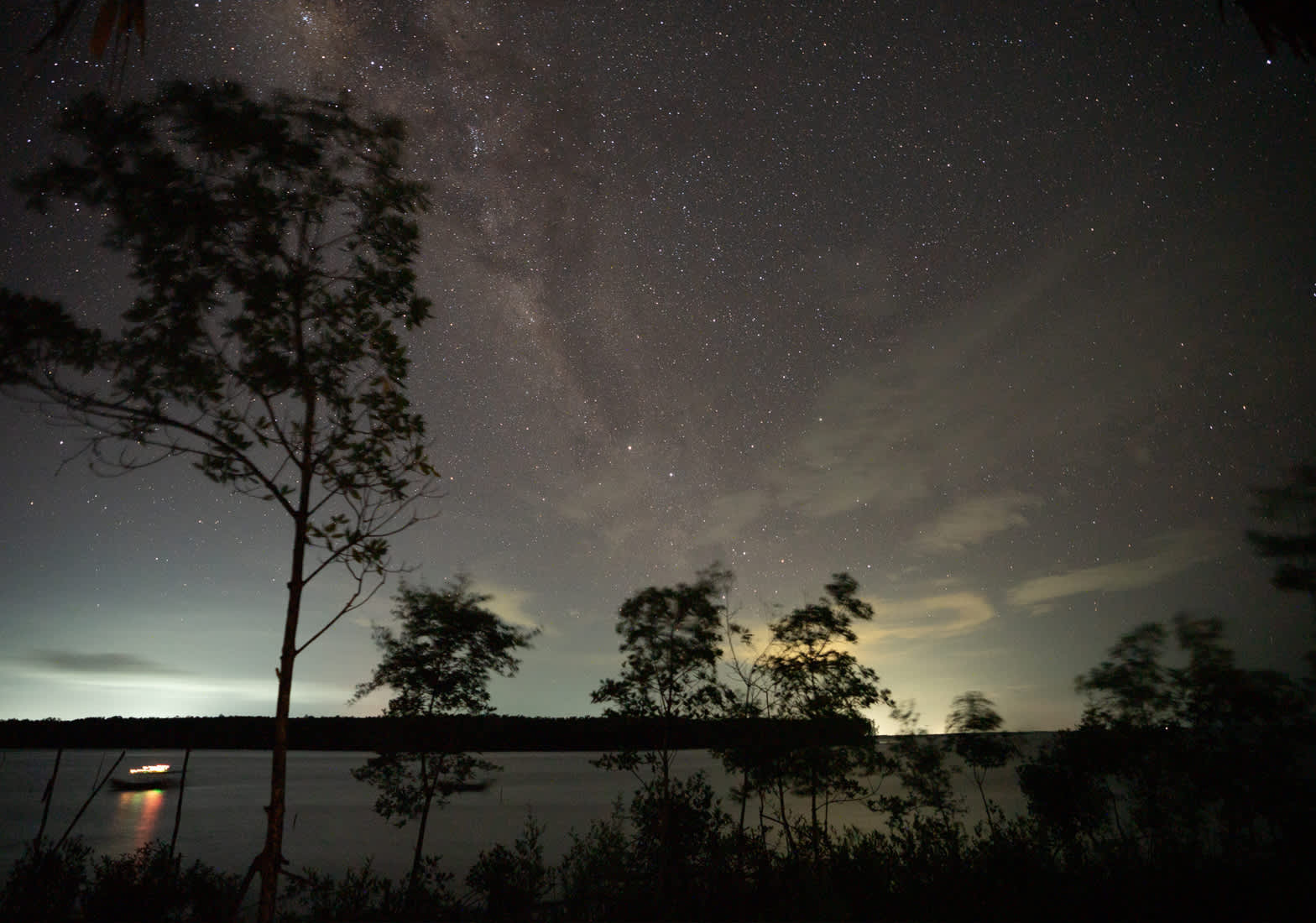
Over the course of two weeks, the team carried out comprehensive scientific surveys designed to answer a series of questions. How much carbon were these mangrove forests storing? What kind of “ecosystem services” were they providing to local people? And how would the forests cope with the challenges ahead, from rising sea levels and changes in ocean salinity and acidity, to increasing urbanization and unsustainable fishing practices?
To answer these questions, the expedition brought together a diverse group of researchers, including National Geographic Explorer Thiago Silva. He helped them use laser technology to construct detailed 3D maps of the forests, calculating tree size to discover the extent of carbon storage, as well as carrying out tests on soil and water samples and interviewing local villagers.
There are so many more things to discover in that area. We could probably spend 20 more years there and still have questions to answer.
Some of their findings were startling, including the scientific discovery of a mangrove forest growing entirely in fresh water, its trees mingling with species often found far upstream in the rainforest. This phenomenon had never been scientifically documented before: mangroves were previously thought to grow exclusively in salt water. The discovery has fuelled speculation about what other secrets the remote environment might hold.
“That was a big surprise,” says Bernardino. “There are so many more things to discover in that area. We could probably spend 20 more years there and still have questions to answer.”

The team also conducted detailed surveys with local communities to better understand the relationships between the people and the mangrove forests. For generations, locals have depended on the trees for fishing and crabbing and, more recently, as a crucial natural barrier against rising and increasingly turbulent seas. Proving the importance of the ecosystem services provided by the mangroves could be vital in Bernardino and Owuor’s push for increased protection of the coastal forests.
“Every time I walked into a mangrove forest, I imagined what it would be like if this was all cleared,” says Owuor, who led the community side of the work. “What would it look like for those communities? They would be so exposed. This ecosystem is important not only for the fisheries and all the food that they’re getting from it, but also just for their survival.”

My dream is that one day we will all realize that this world is for all of us, and we really need to work together to protect it, not only for ourselves, but for future generations.
The team found that while many local residents had an acute appreciation of the inherent value of the mangrove forests, some, frustrated by basic living conditions and lack of services, hoped to see them cleared in favour of urban development and infrastructure projects. Yet Owuor remains hopeful.
“My dream is that one day we will all realize that this world is for all of us, and we really need to work together to protect it,” she says, “not only for ourselves, but for future generations.”