
This is an aquatic wilderness the size of Australia, but we rarely get to experience the Amazon through an aquatic lens. It was critical to show how amazing these ecosystems are.

National Geographic Society
Published in
After two years of the Rolex and National Geographic Perpetual Planet Amazon Expedition, the seven teams are drawing their studies to a close, hoping that their findings, combined with powerful photojournalism, can reframe how we look at the Amazon.

Beneath the water’s surface, taking careful, steady breaths, is National Geographic Explorer and Photographer Thomas Peschak. He is in the black waters of the Amazon’s Rio Negro in Brazil, home to pink dolphins. It is high water season, when the forest is transformed into an underwater garden. Dolphins are waiting for shoals of fish to move into the river’s main channels. Peschak adjusts his position and fires the shutter on his camera, just as a pod of dolphins begins to surge through the underwater forest.

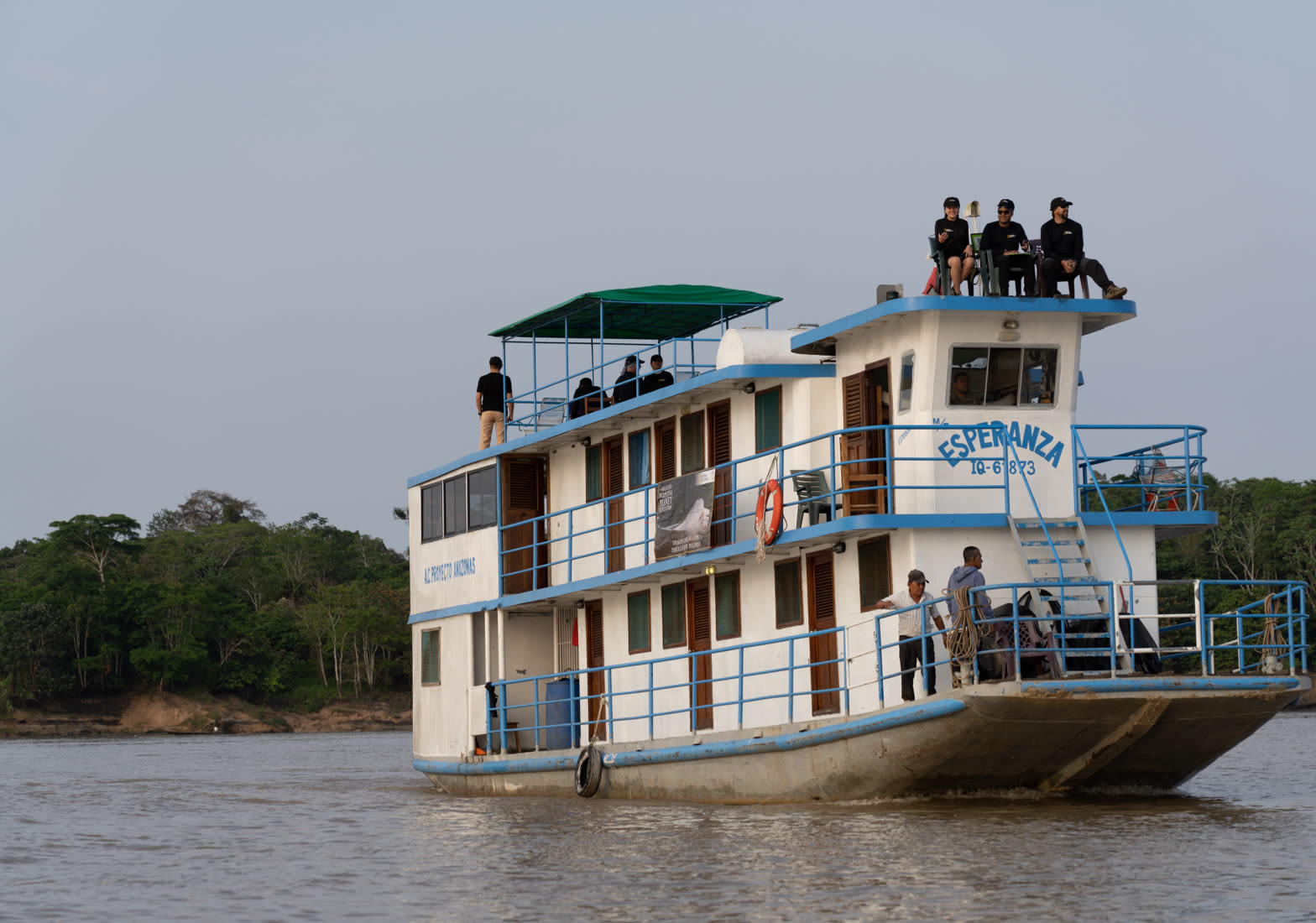
Although the Amazon rainforest is frequently in the spotlight, the vast water cycle that supports it is often overlooked. To change that, the Rolex Perpetual Planet Initiative and National Geographic Society have joined forces. With the launch of the Rolex and National Geographic Perpetual Planet Amazon Expedition in 2022, seven teams of National Geographic Explorers journeyed to the furthest corners of the Amazon River Basin, from the glacial peaks of the Andes to the raging river mouth.
Home to some three million species of plants and animals, the Amazon River Basin channels the largest volume of rainfall on Earth. Through its hydrological cycle, the river and its tributaries not only feed the landscape, but affect the entire planet. The seven teams have been working with local communities to understand the complex aquatic ecosystems, studying their vulnerability to climate change. Peschak and his camera have been following the teams, capturing images that share their incredible findings with the world.
“This is an aquatic wilderness the size of Australia, but we rarely get to experience the Amazon through an aquatic lens,” explains Peschak. “It was critical to show how amazing these ecosystems are.”
This is an aquatic wilderness the size of Australia, but we rarely get to experience the Amazon through an aquatic lens. It was critical to show how amazing these ecosystems are.
The seven teams of National Geographic Explorers carried out research in seven wildly different landscapes. High in the mountains, Ruthmery Pillco Huarcaya, Baker Perry and Tom Matthews investigated two of the Amazon’s most important water sources.
Pillco Huarcaya and her team used cutting-edge technology to track and assess the health of the Andean bear population and its role in maintaining the rain-generating cloud forests of the Andes.

Perry and Matthews scaled Nevado Ausangate mountain to install the highest weather station in the tropical Andes at 6,349 metres (20,830 feet). As climate change intensifies, the fate of mountain weather systems looks uncertain, so predicting how they will be affected is critical. Peschak tried for days to capture an image that he said “celebrated the majesty of Nevado Ausangate, and showed its critical ecosystem role”. Eventually, he managed to capture the magnificent mountain at night, as it peeked out from behind its heavy cover of clouds.

The majority of the expedition teams worked at lower altitudes, investigating the network of waterways weaving through the forest.
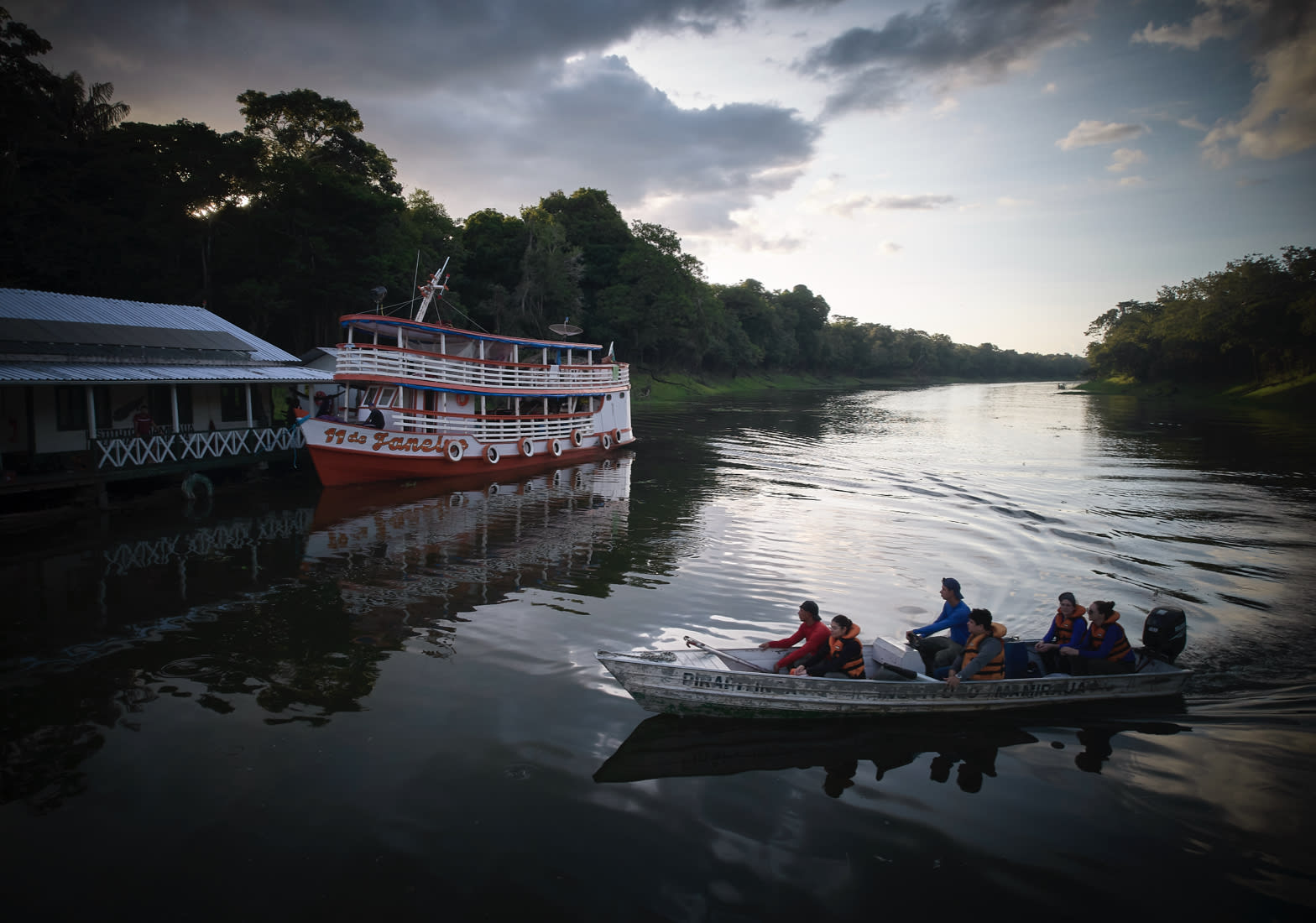
Andressa Scabin and Rolex Awards for Enterprise Laureate João Campos-Silva worked with local communities along the Juruá River to study and protect six of the Amazon’s key riverine megafauna. They became the first people in the world to attach a GPS tag to an arapaima, the world’s largest scaled freshwater fish. They implemented fisheries agreements to recover imperilled populations of arapaima, which helped increase its population by 130 percent over the course of the two-year expedition.

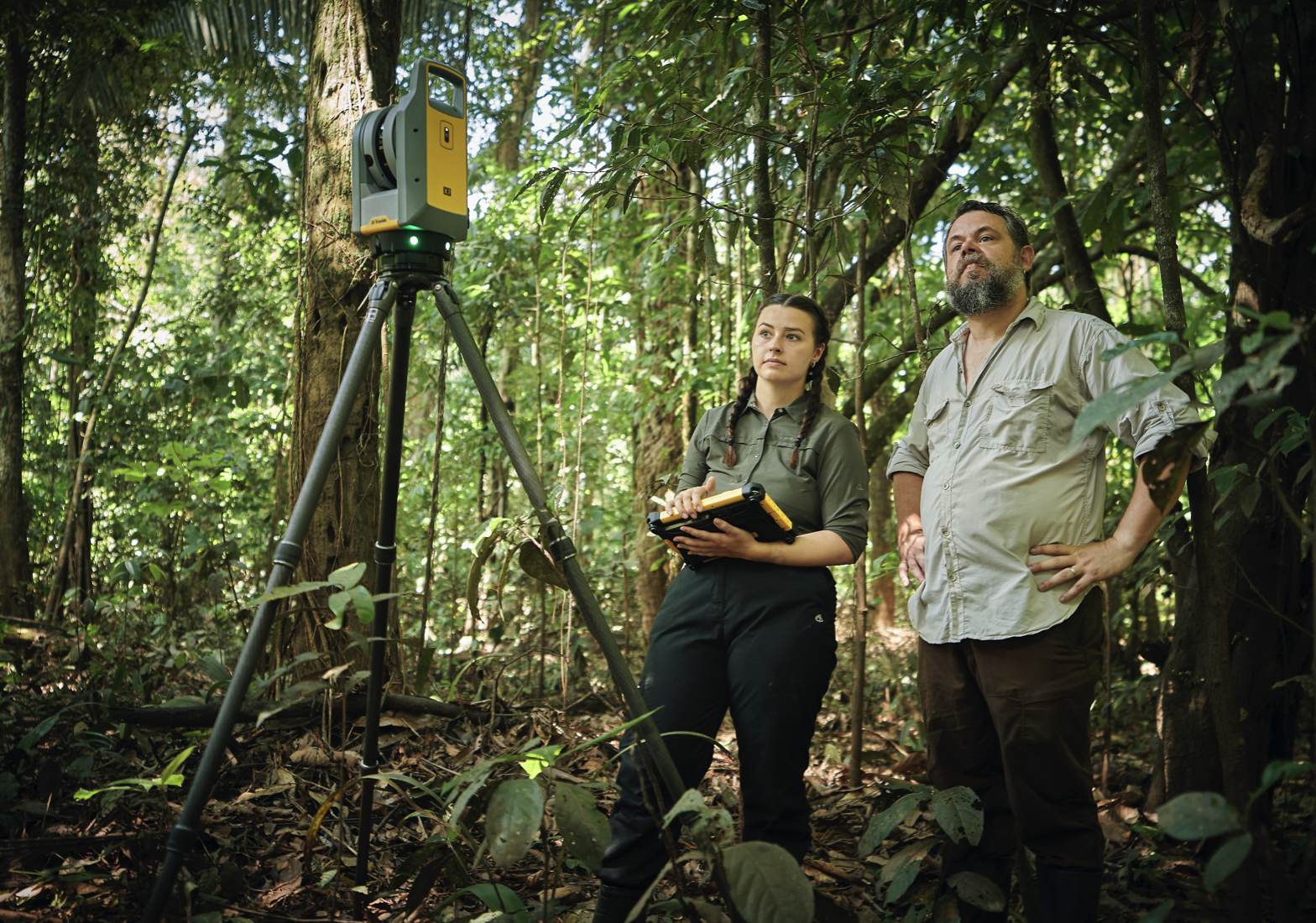
Thiago Silva and Julia Tavares used Light Detection and Ranging (LiDAR) technology to scan the forest’s seasonally flooded wetlands and better understand its uniquely adapted trees. Together, they are creating the world’s first 3D LiDAR models of these wetlands.
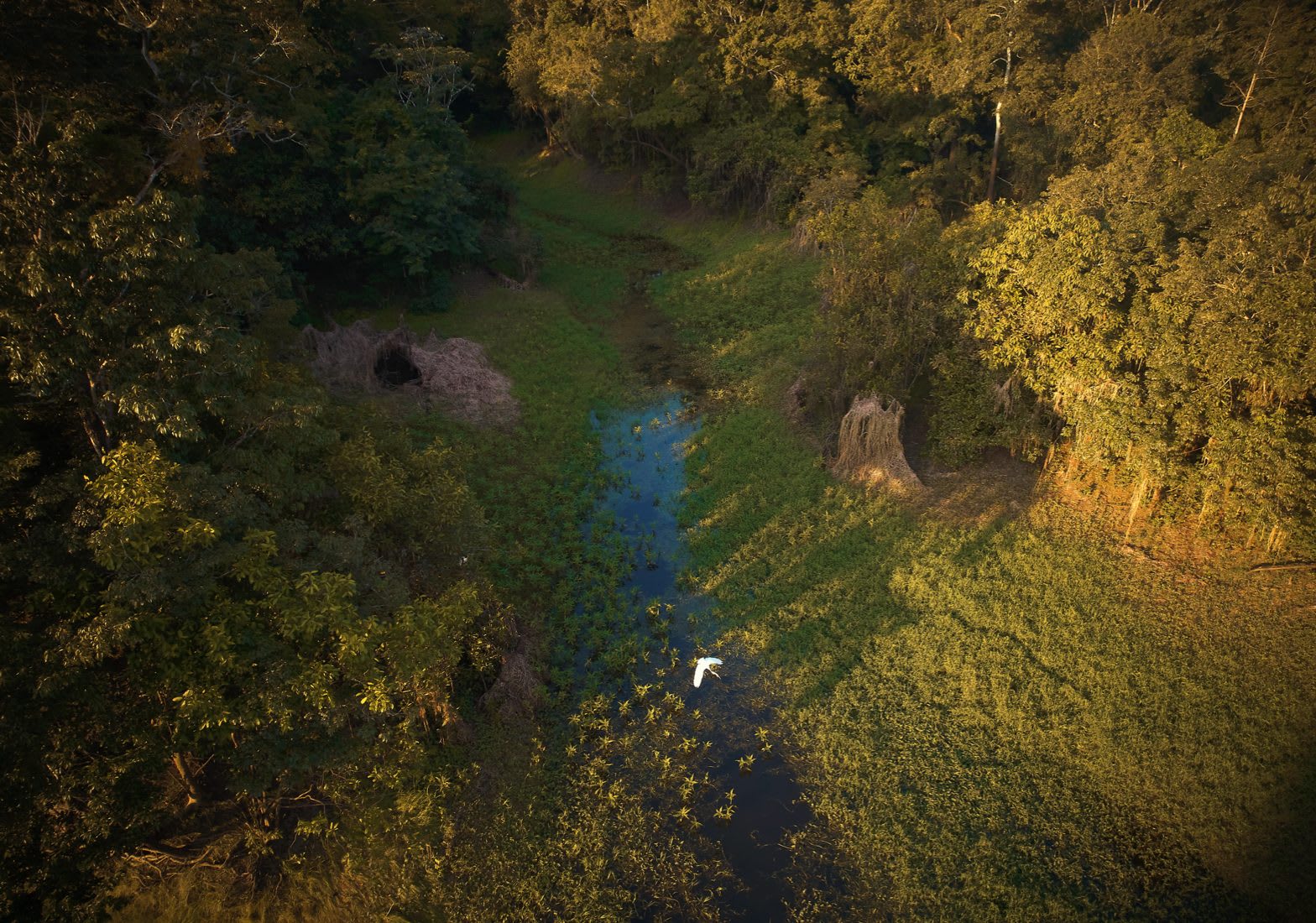
Hinsby Cadillo-Quiroz, Jennifer Angel-Amaya and Josh West investigated artificial ponds created by human activity in the forest. They have seen an unexpected amount of wildlife returning to the devastated landscapes and found some promising solutions for their regeneration.

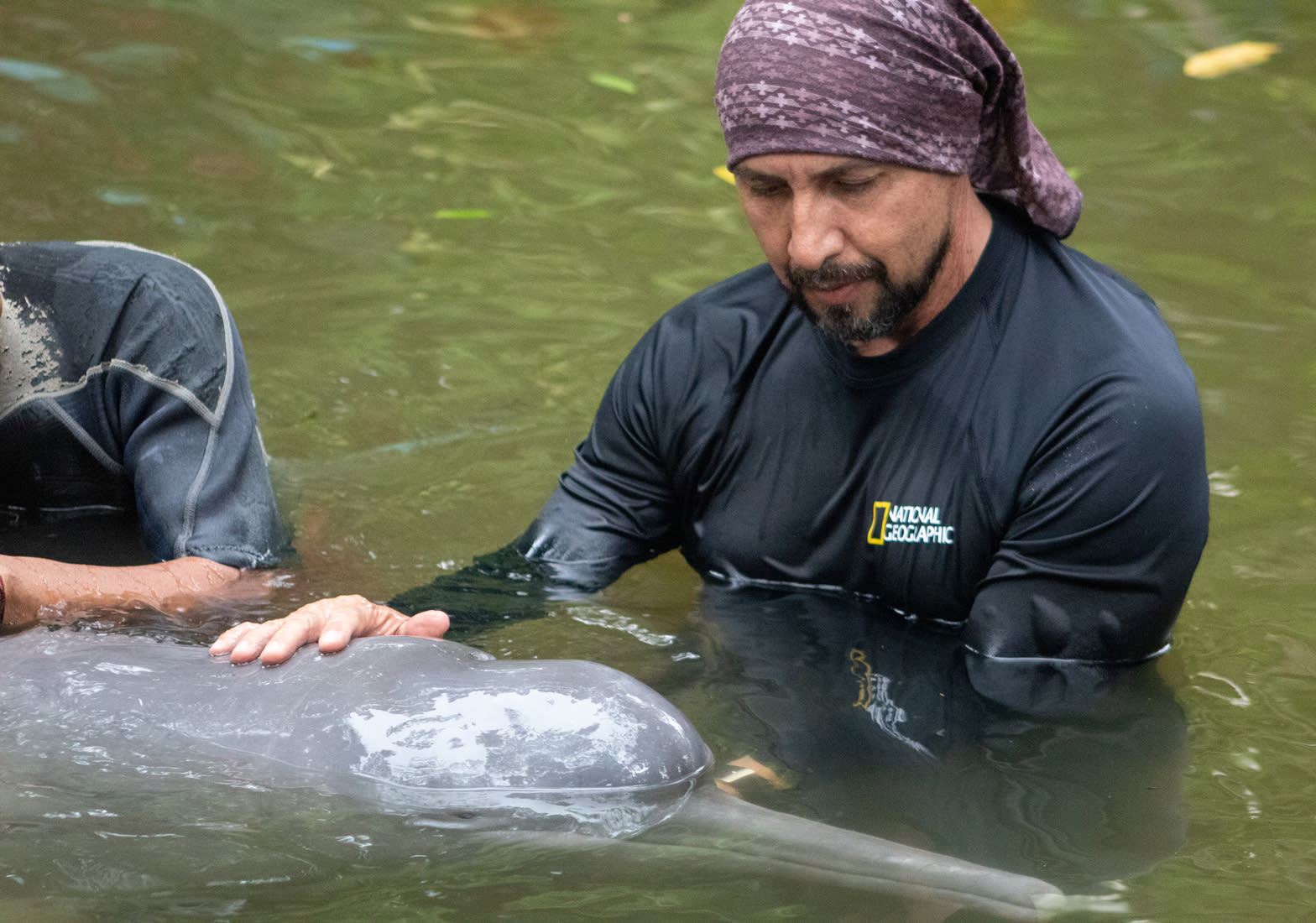
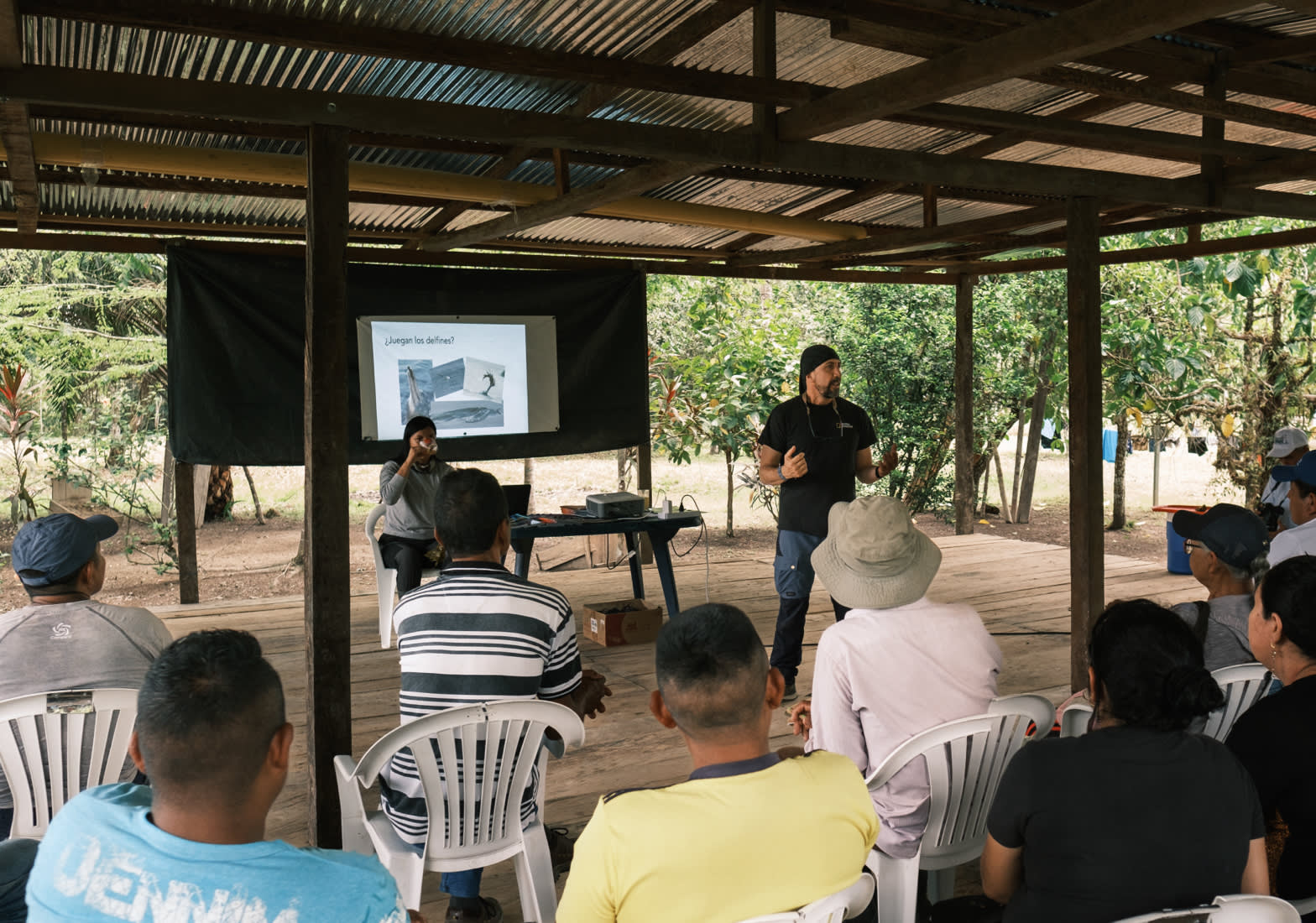
Fernando Trujillo, 2024 Rolex National Geographic Explorer of the Year, has spent decades working to protect the Amazon’s river dolphins. Working with María Jimena Valderrama, he surveyed 1,270 kilometres of river across four countries, estimating that there are 1,366 river dolphins in the region. Trujillo’s expertise helped Peschak to capture spectacular images of these gentle creatures soaring through underwater forests. “The pink dolphins fly through the canopy the way a bird would,” he explains.
At the river mouth, Angelo Bernardino and Margaret Awuor Owuor were surveying mangrove forests and assessing their importance to local communities. Due to the volume of water pouring into the Atlantic Ocean, the river creates a “plume” of freshwater along the South American Coast that stretches all the way to the Caribbean. In this unique habitat, Bernardino made a startling discovery, finding the first mangrove forest known to science growing entirely in freshwater.

Peschak followed the Amazon plume to the Caribbean, where he took a captivating photograph of two leatherback turtle hatchlings. “Most people believe the Amazon’s journey ends at its mouth,” he points out. “However, the plume spreads northwards for thousands of miles, right across the Caribbean, where we find an ecosystem that’s still influenced by that iconic river system.”

The story of this rarely glimpsed aquatic underworld is the most complex I’ve ever told in my life.
Underwater photography in this region is severely lacking, because many of the Amazon’s murky waters are dangerous or inaccessible. “The story of this rarely glimpsed aquatic underworld is the most complex I’ve ever told in my life,” says Peschak.

After two years immersed in the Amazon River Basin, members of the Explorer teams are more convinced than ever of the importance of better understanding these complex water systems. Thanks to Peschak’s photography enabling them to share their work with the world, they are changing how the Amazon is perceived. “We need more than just researchers to care about the Amazon Basin,” he says, “We need everybody to care. We need the scientific papers, but we also have to marry that wisdom with popular storytelling to reach as large an audience as possible.”