
We are establishing a locally managed marine area. It’s in a place called Foropa – it’s quite a distance from Apoi, but it will be the region’s first-ever marine protected area.

Published in
A part of the Perpetual Planet Initiative, the Rolex Awards support exceptional individuals with innovative projects in areas as diverse as creating technologies that improve lives, saving endangered ecosystems, protecting the oceans, exploring new frontiers on the planet, or pioneering advances in science and health.
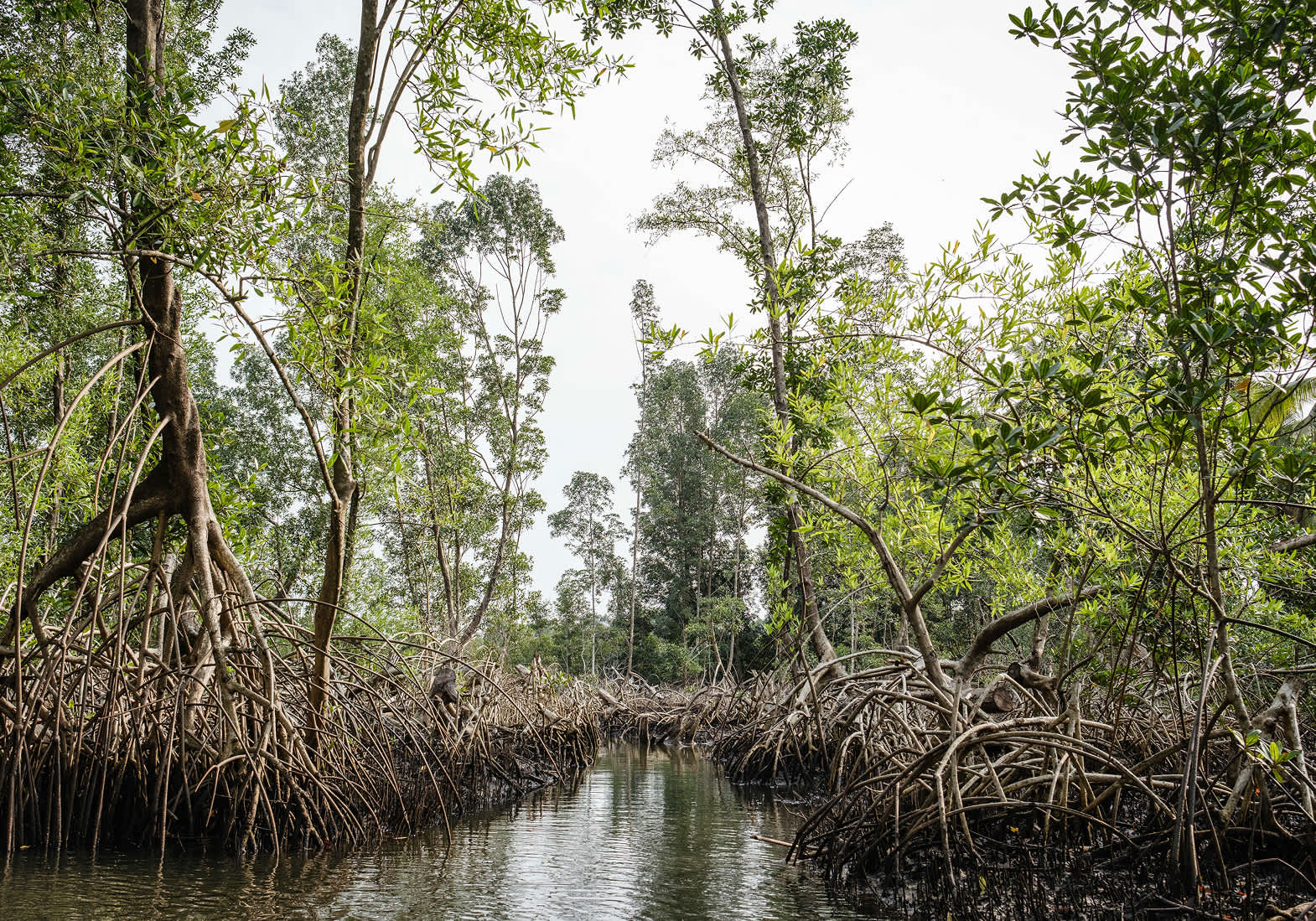
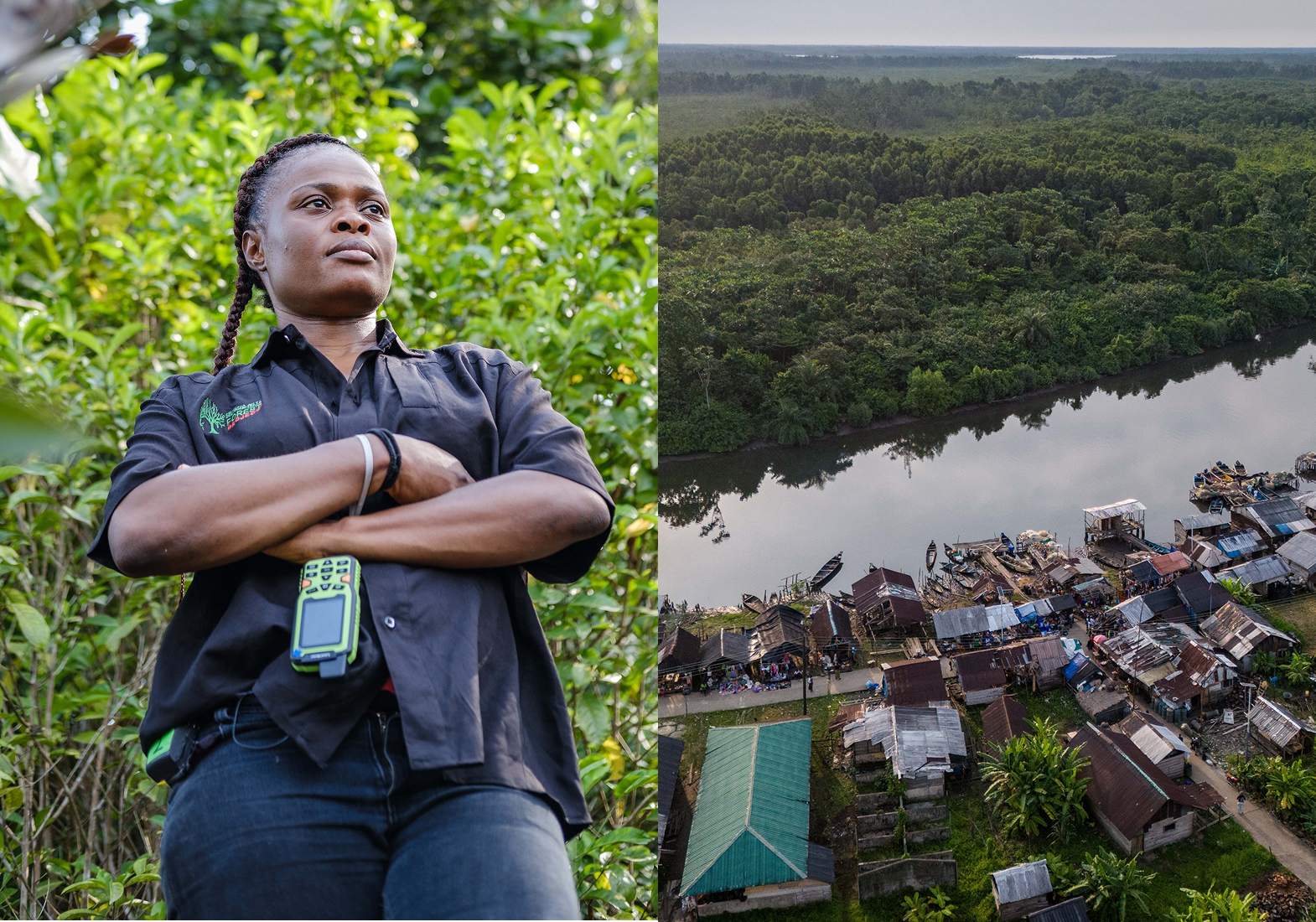
Along Nigeria’s southern shoreline is a region rich with ecosystems that contain extraordinary natural resources: the Niger Delta. Part of the Guinean Forests of West Africa, an internationally recognized biodiversity hotspot, it is home to the world’s third-largest mangrove forest and Africa’s second-largest swamp forest ecosystem.

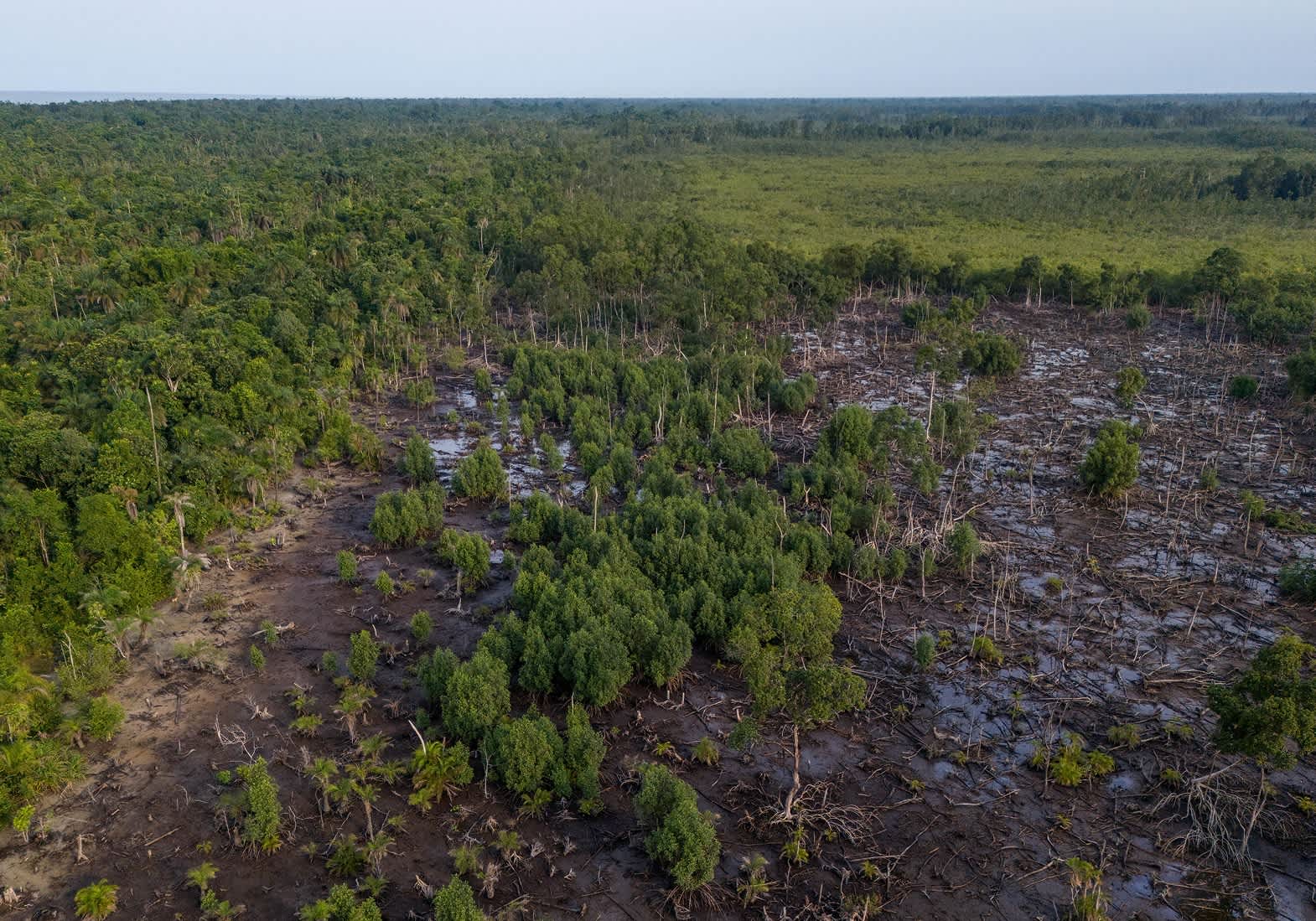
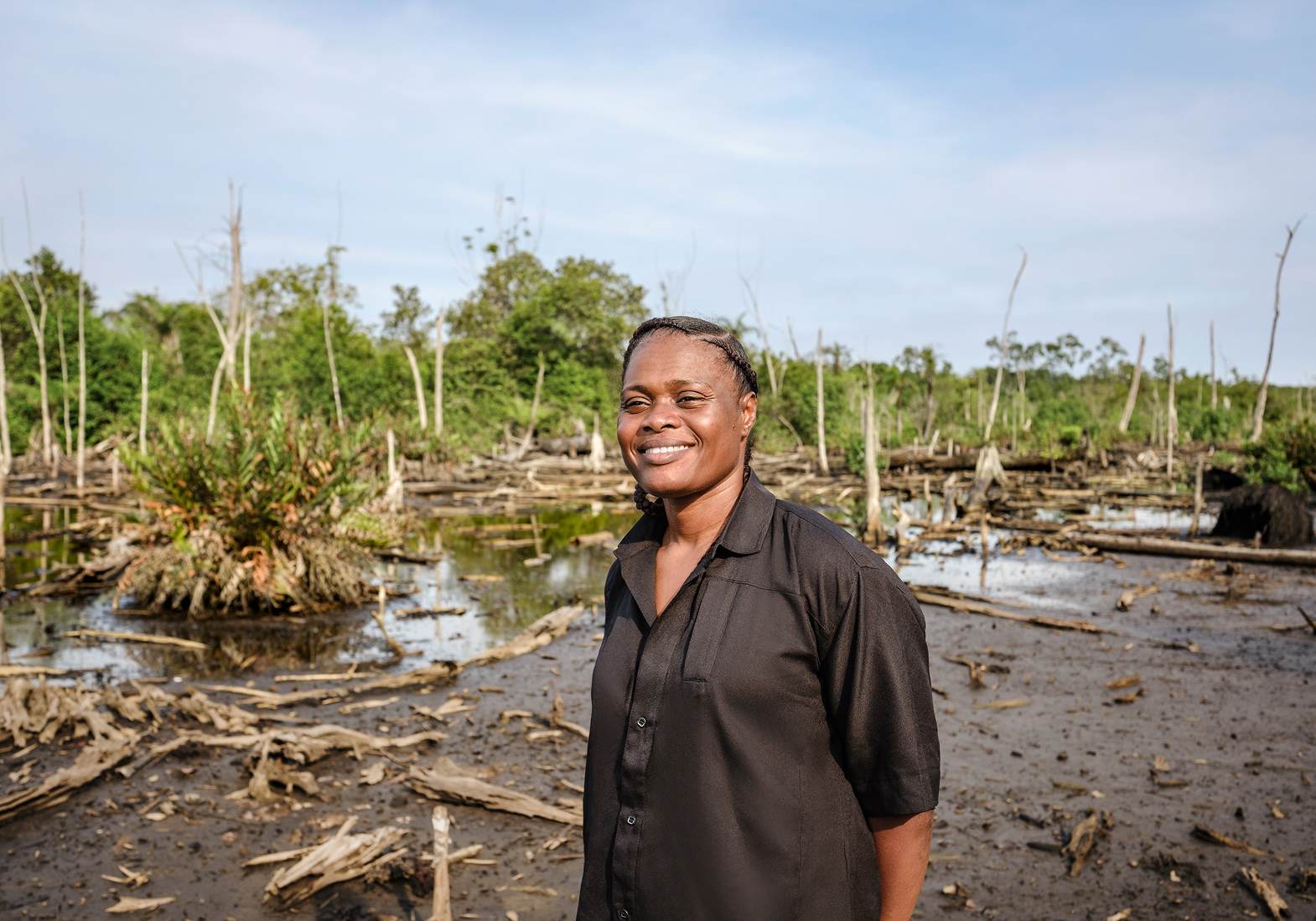
Despite its ecological importance, the Niger Delta is one of the world’s most degraded environments. In 2013, Nigerian conservationist Rachel Ikemeh visited the area for the first time. To her dismay, she discovered a forest floor knee-deep in crude oil. As the epicentre of Nigeria’s oil industry, the Delta has been subjected to an estimated 7,000 oil spills. The pollution has forced fishing communities to take up logging, causing further degradation of the Delta’s unique habitats.

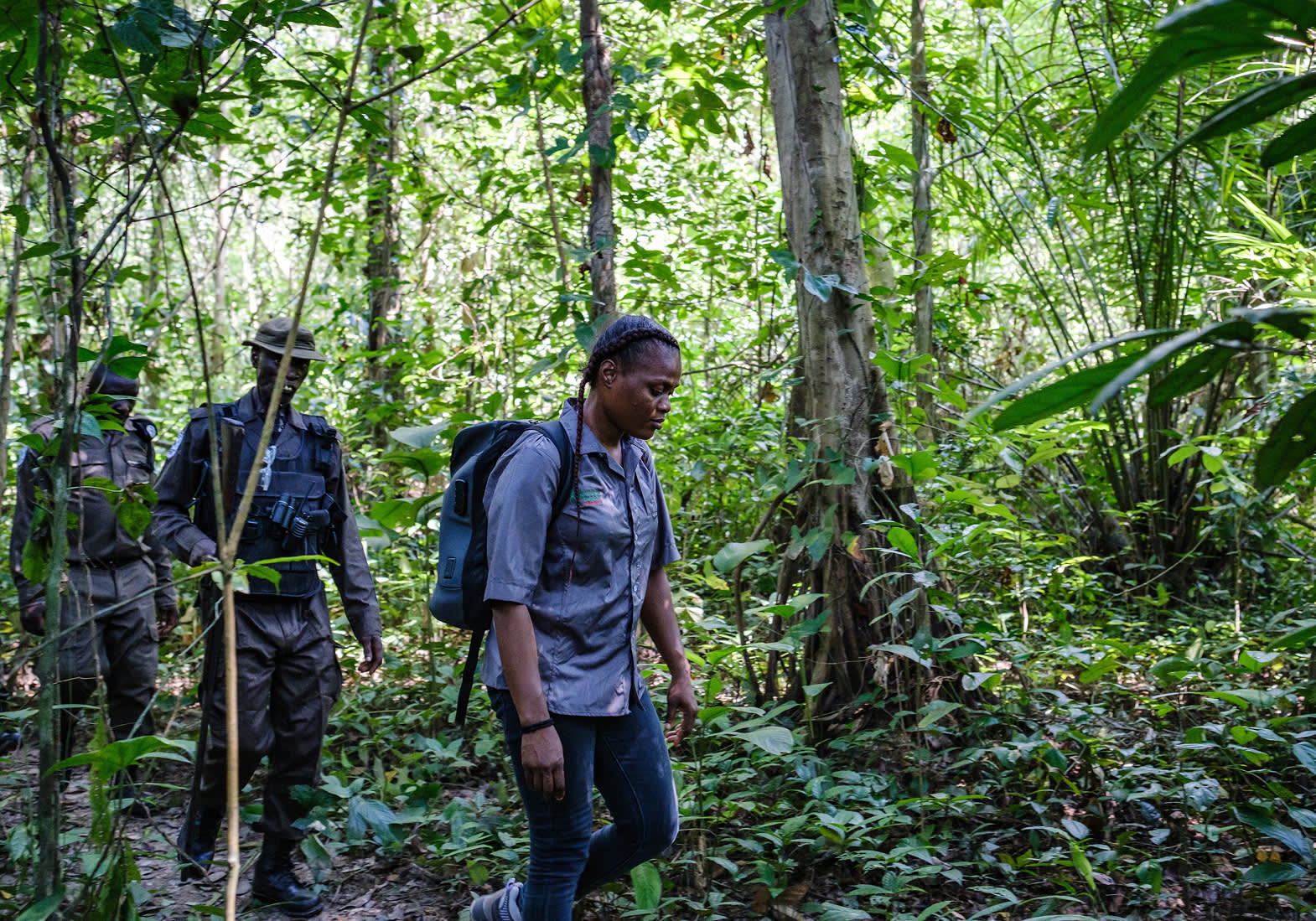
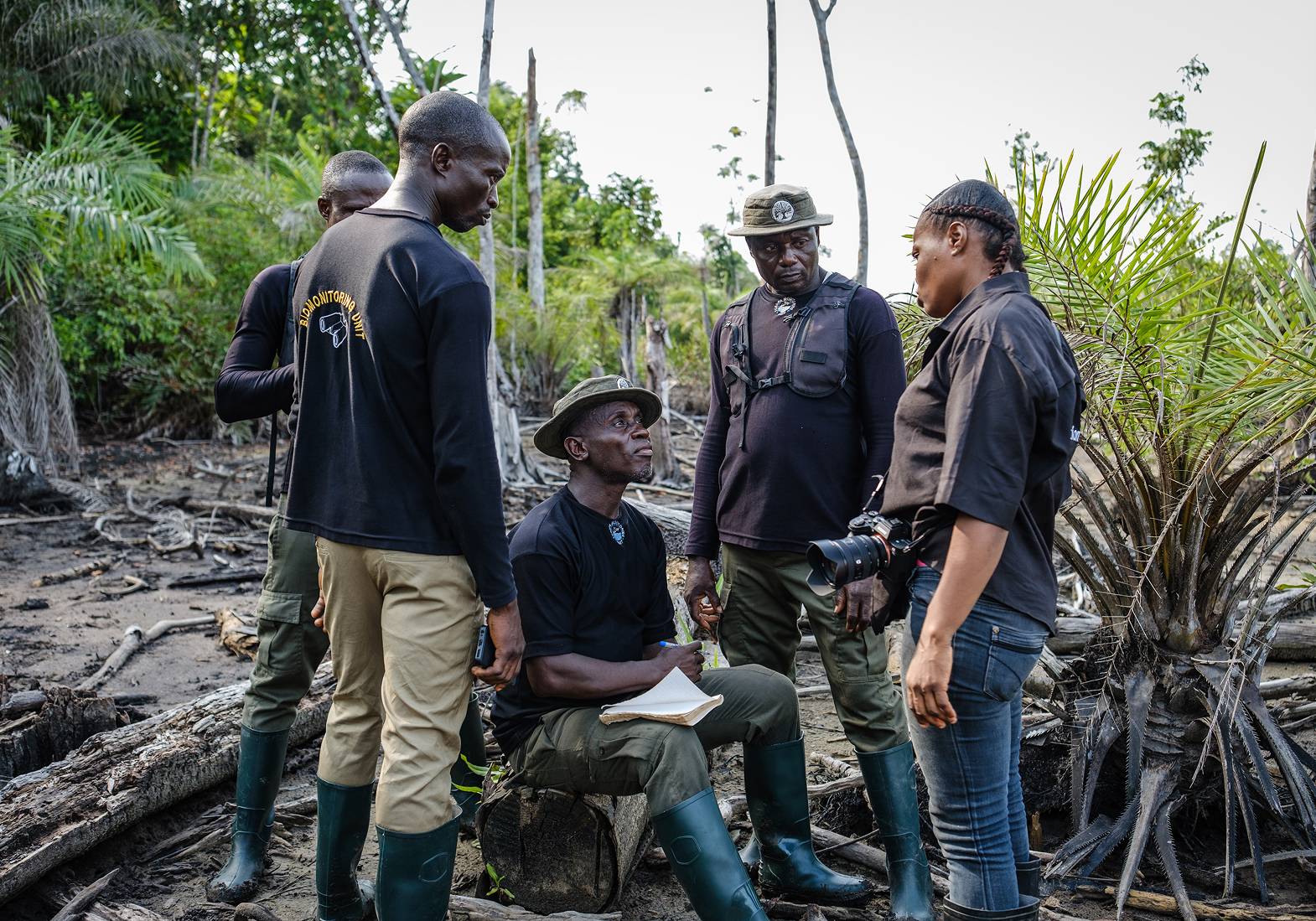
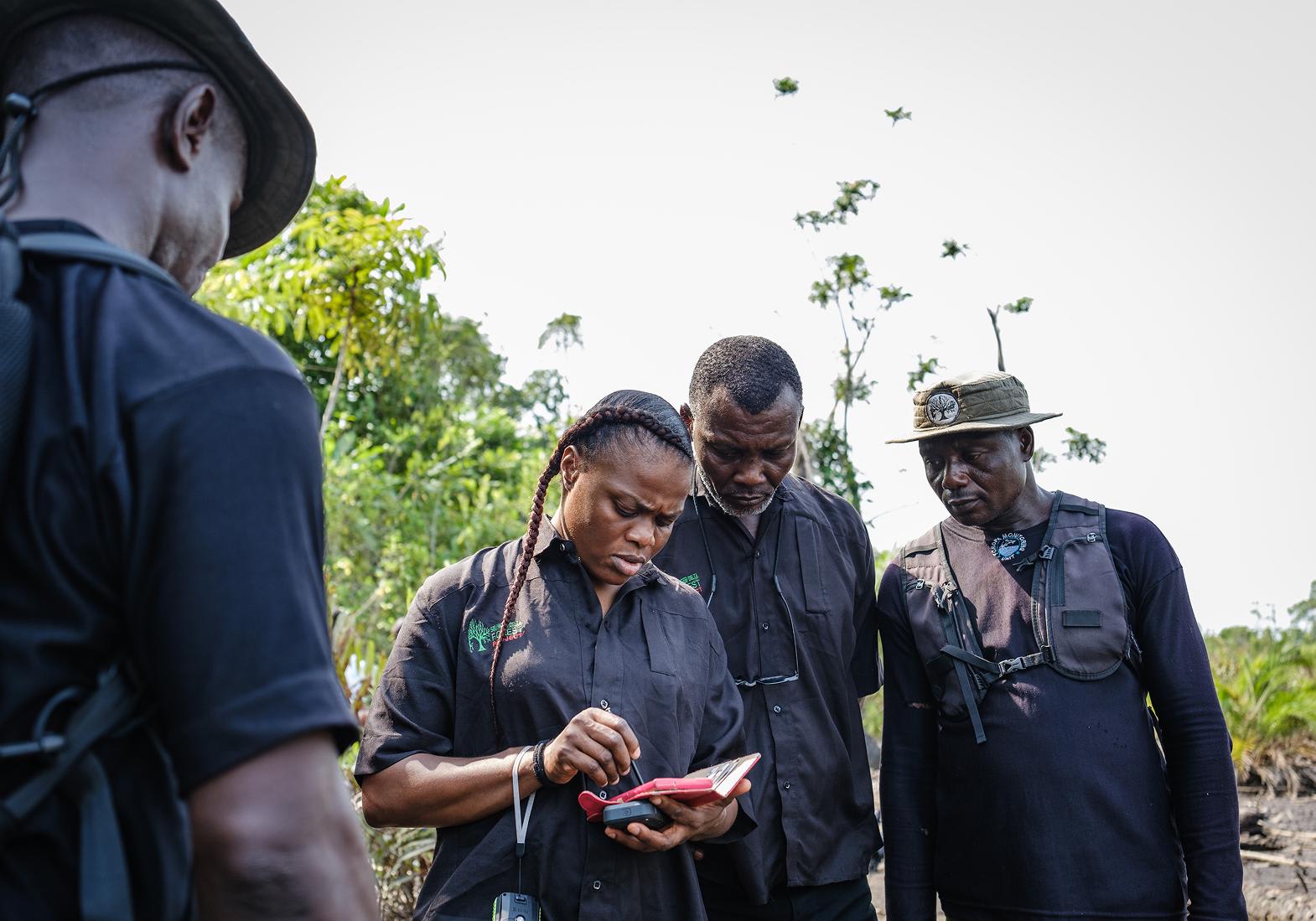
In response, Ikemeh set up a community-led conservation programme, the South-West/Niger Delta Forest Project (SWNDFP), to protect this uniquely biodiverse ecosystem.
One beneficiary is the elusive and critically endangered Niger Delta red colobus monkey, endemic to the area and close to Ikemeh’s heart. In the 1990s, researchers estimated their numbers at 10,000. But, by 2021, following decades of ecosystem degradation, there remained about 200.

However, 2021 was also a turning point for the region. After years of advocacy and negotiation amid the region’s tense socio-political landscape, Ikemeh succeeded in setting up a conservation area covering more than 1,000 hectares, policed and protected by the local Apoi community, with remarkable results. In the five years since, the monkey’s numbers have doubled. Ikemeh’s conservation programme is credited with saving it from the brink of extinction.
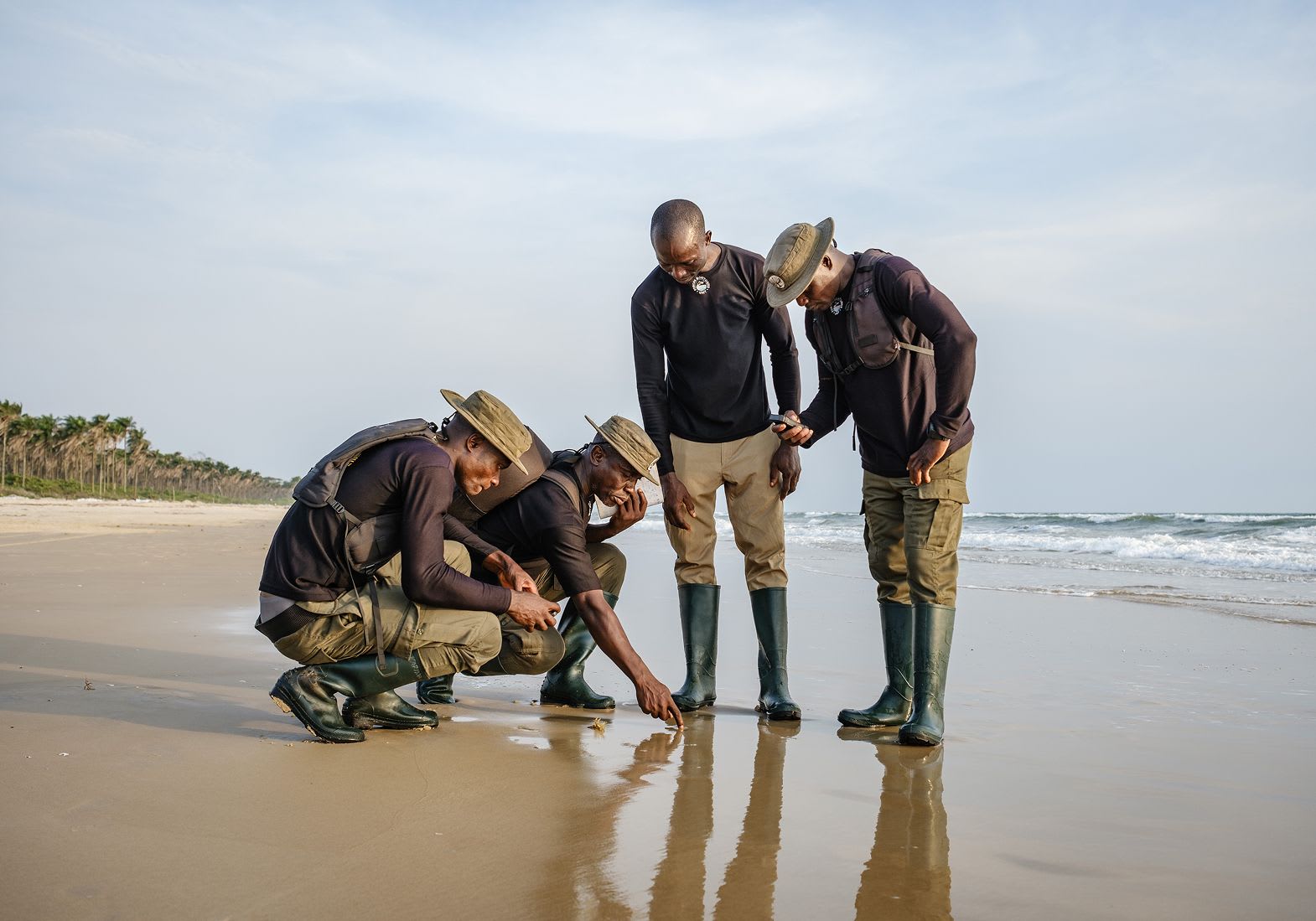
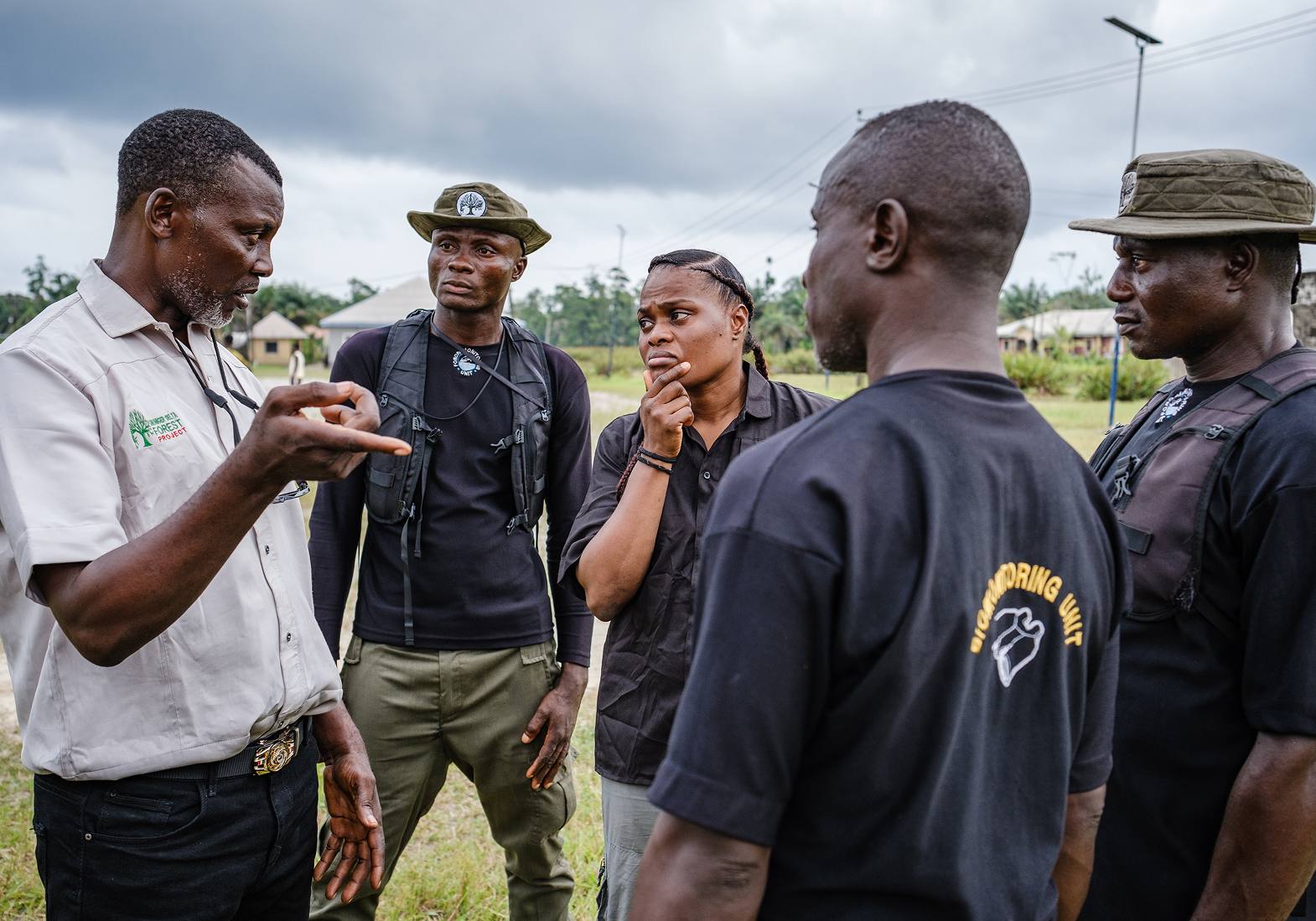
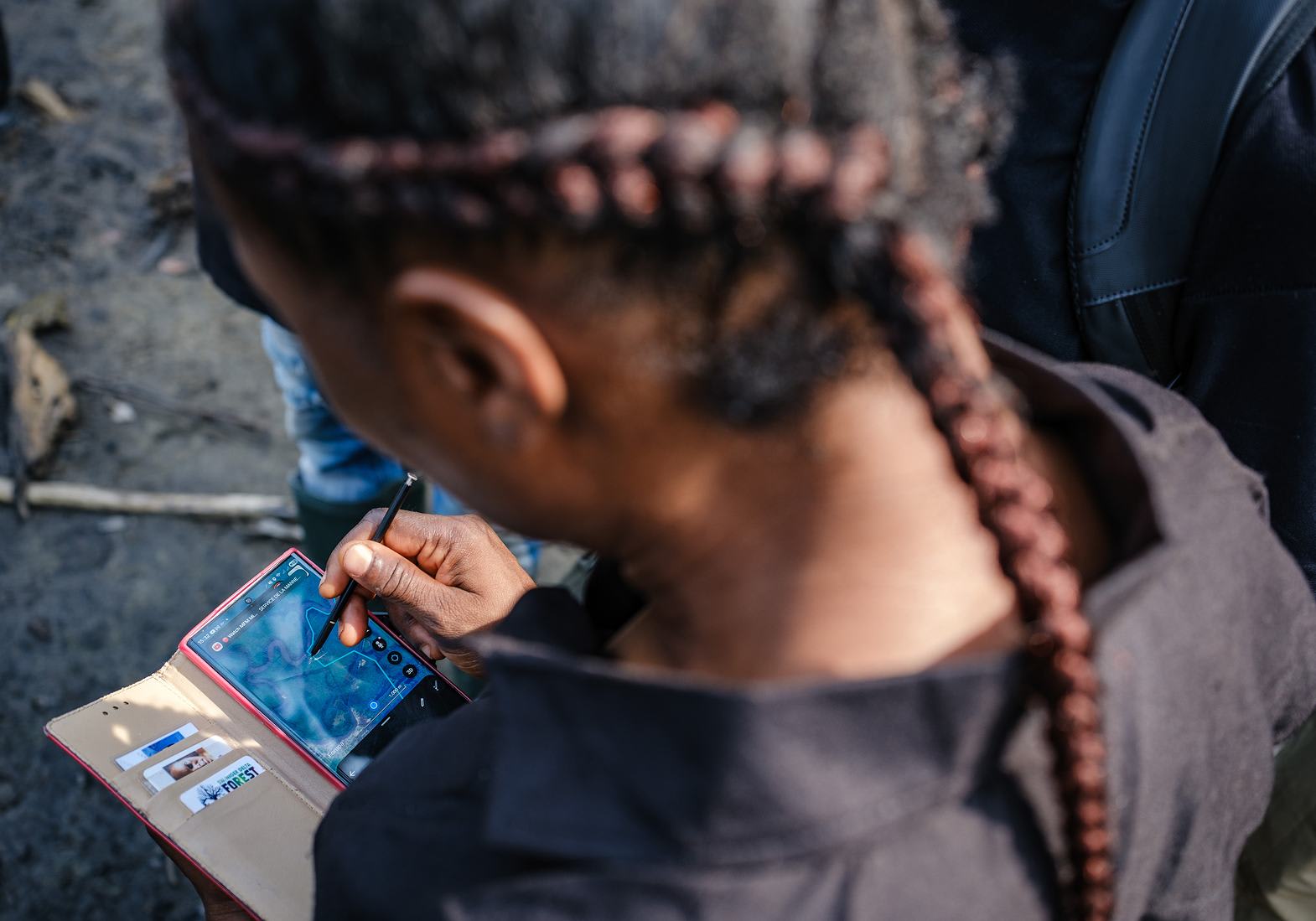
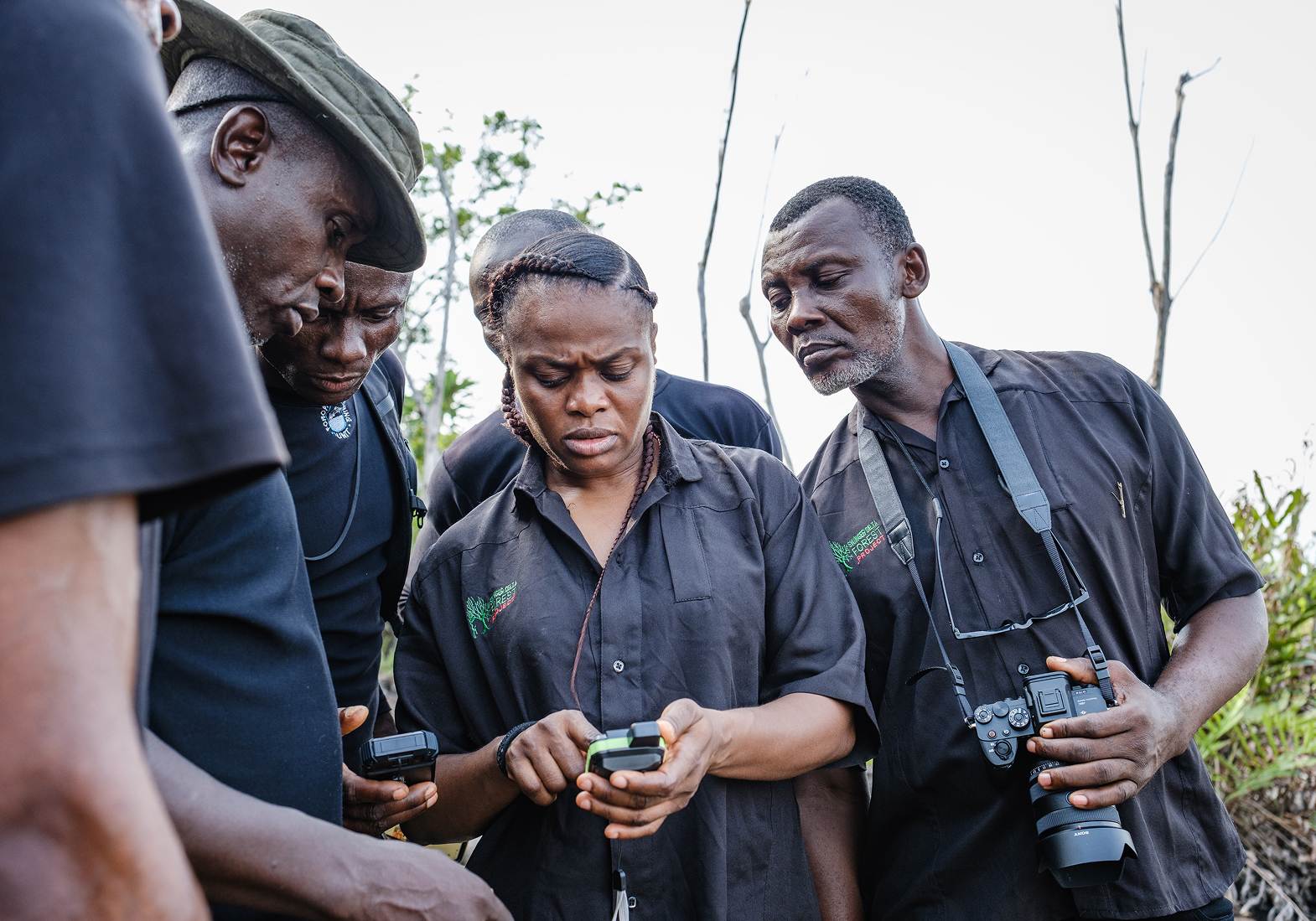
We are establishing a locally managed marine area. It’s in a place called Foropa – it’s quite a distance from Apoi, but it will be the region’s first-ever marine protected area.
The Apoi community has also enjoyed myriad socio-economic benefits, thanks to employment, education, structural developments, environmental health and alternative livelihood programmes.

The project has been so successful that Ikemeh has recreated it in other areas of the Delta. The SWNDFP now operates four conservation areas, protecting at least 13 threatened species across more than 10,000 hectares of forest. More than 2,500 local livelihoods have been improved, and over 18,000 people have engaged in conservation education.
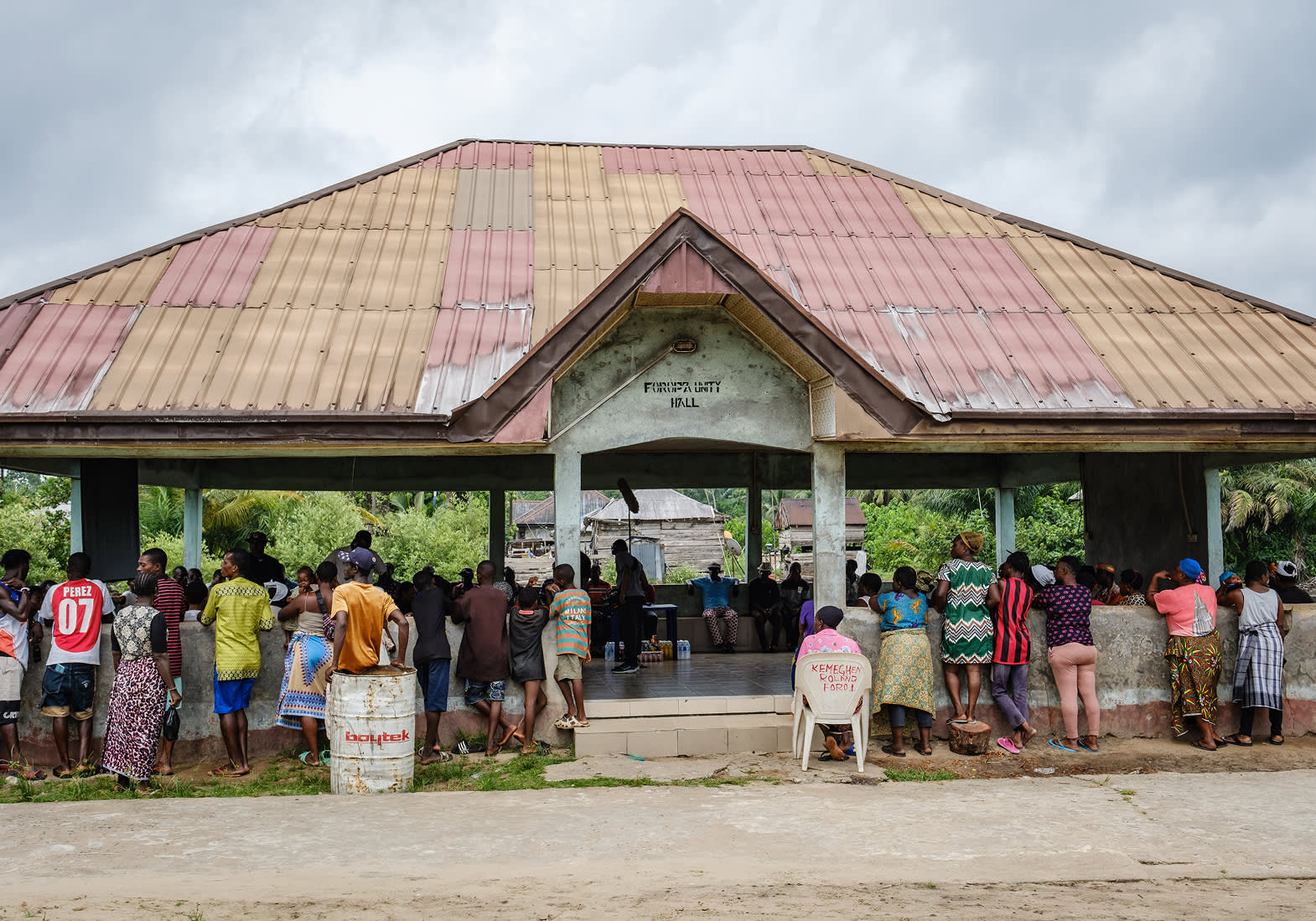
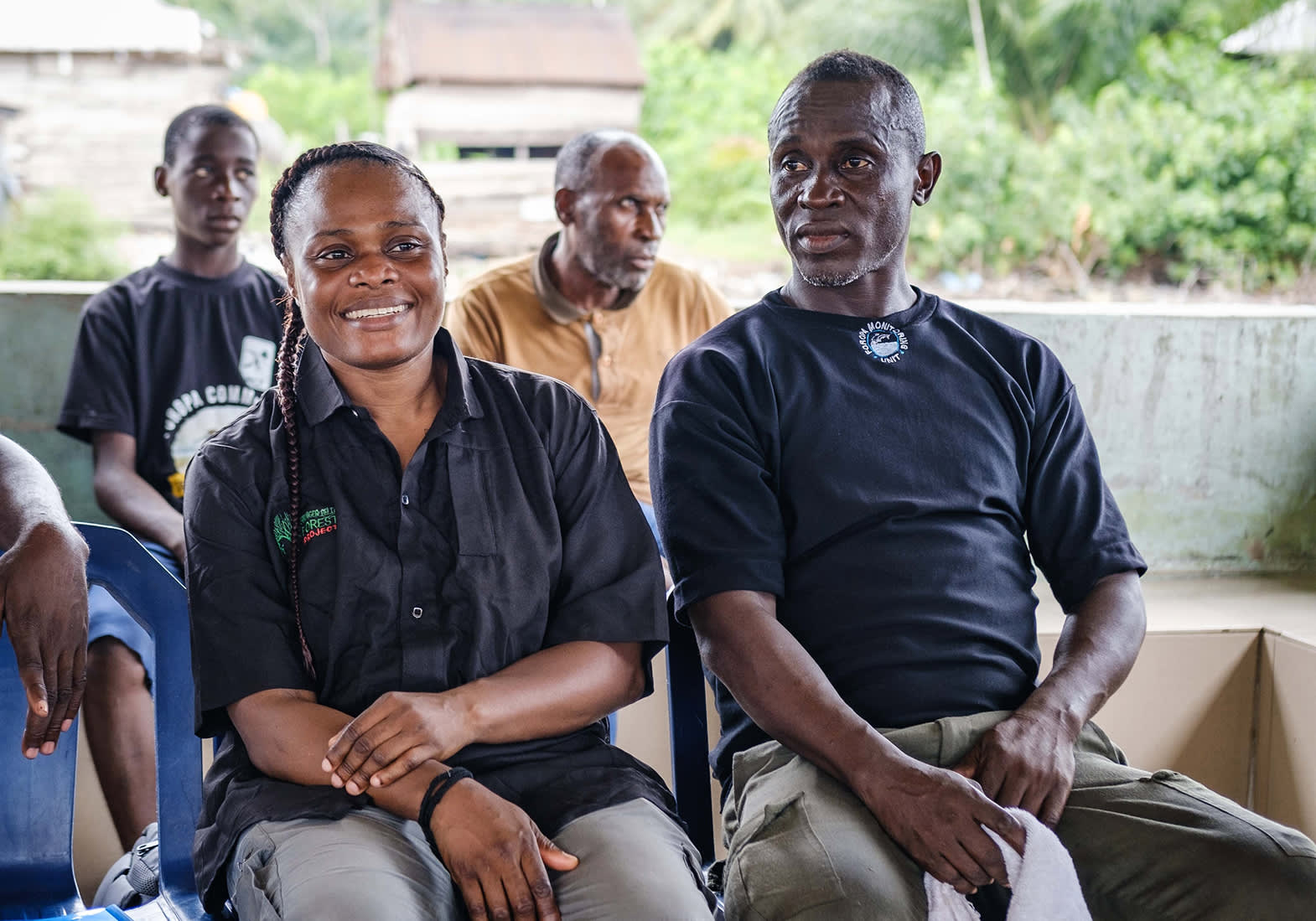
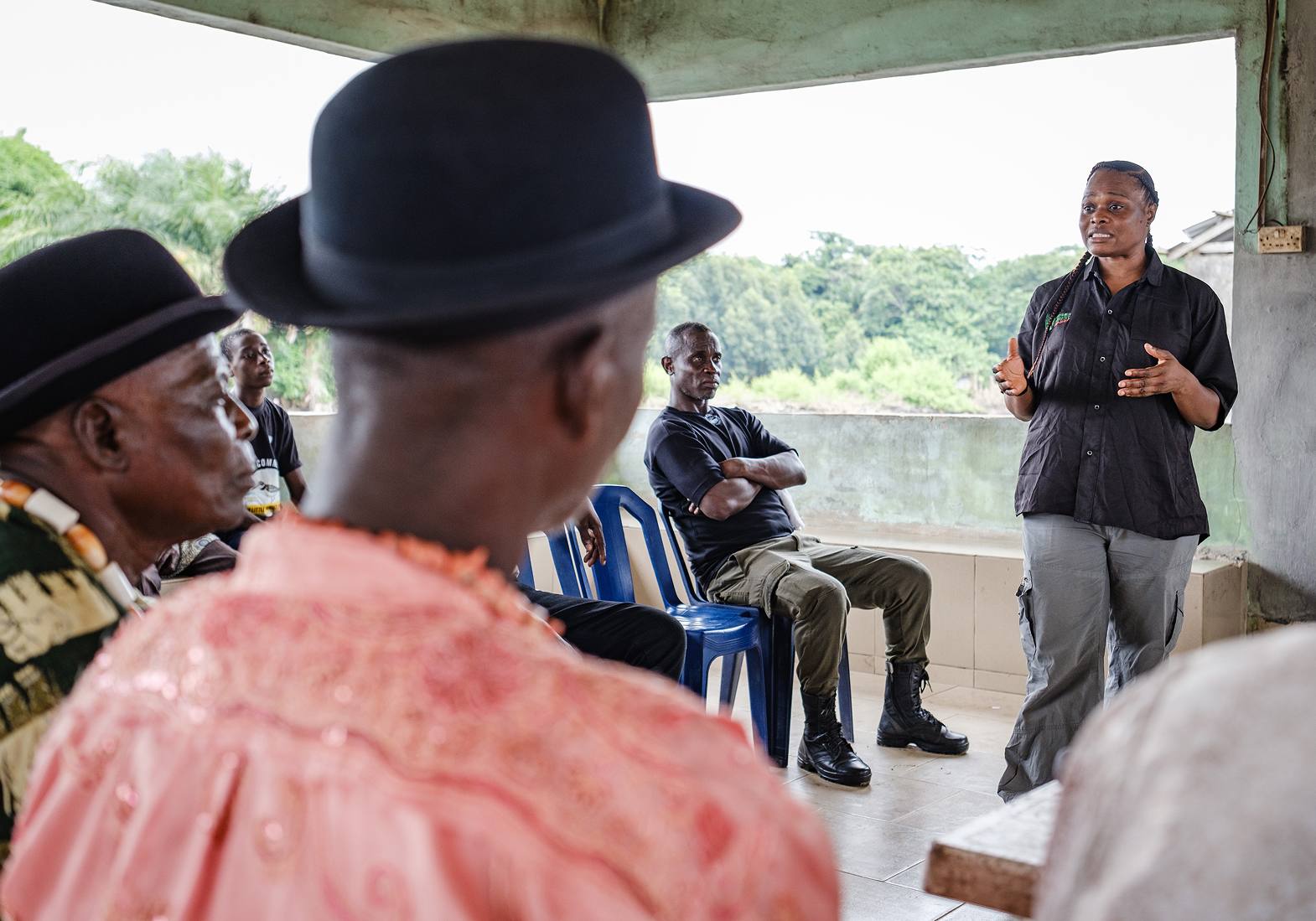
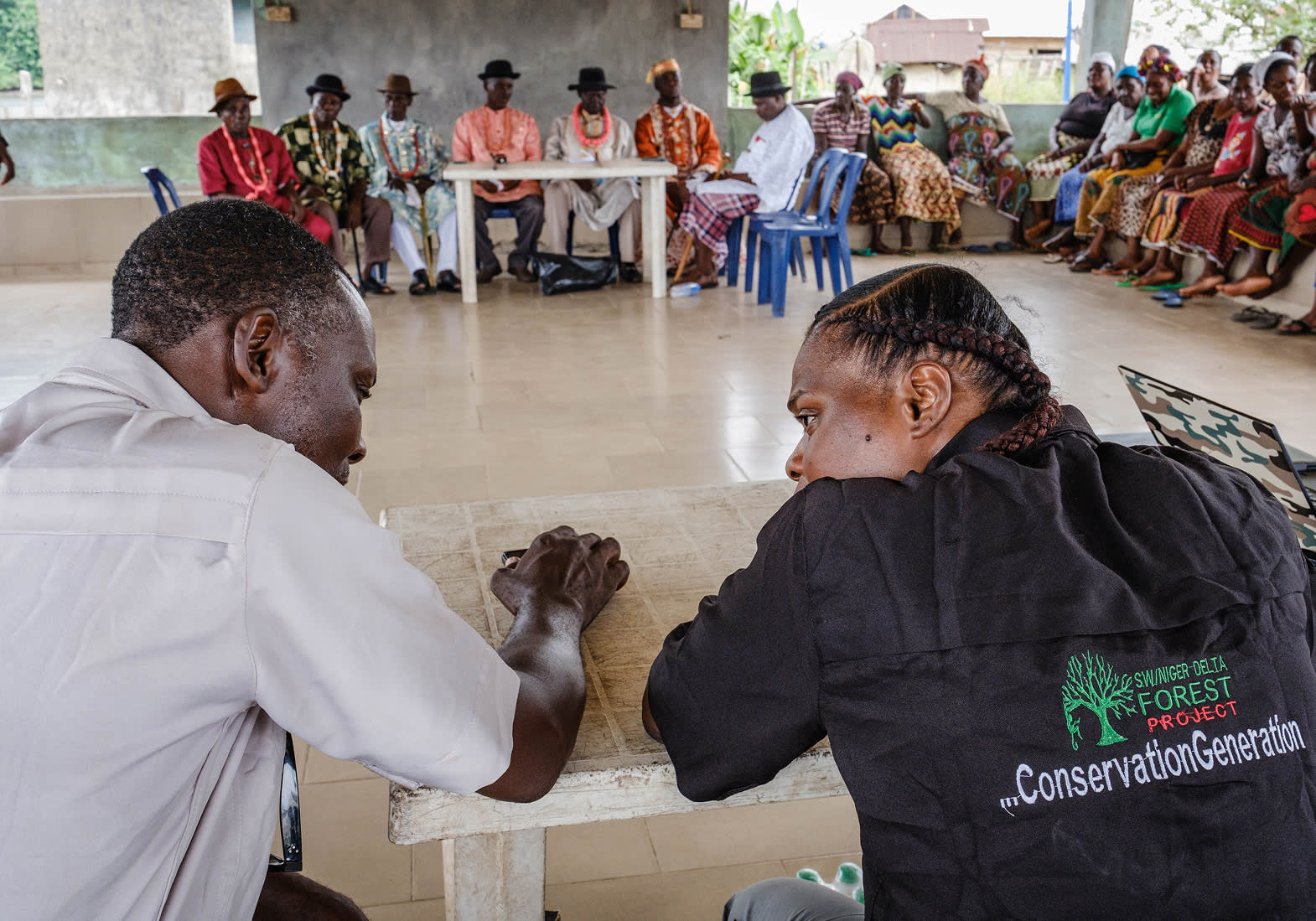
Rolex will support her in creating four new community conservation areas and establishing a training hub and mobile education programme to build conservation skills among communities.
One of the new protected areas will see Ikemeh working for the first time in marine conservation – on the Delta’s coast. “We are establishing a locally managed marine area. It’s in a place called Foropa – it’s quite a distance from Apoi, but it will be the region’s first-ever marine protected area,” says Ikemeh.

For Ikemeh, changing traditional attitudes has been as important as establishing the protected areas. “When I started out 21 years ago, girls were not doing what I was doing. In fact, Nigerians weren’t doing what I was doing. But something has changed. One of my team members asked a young boy from the community what he wanted to be when he grew up. He pointed at me. That still brings me to tears.”