
Animals don’t recognize boundaries at all. They’ve been traversing these landscapes for many years. These boundaries are anthropogenic.

Published in
In Southern Namibia, the Orange River-Karoo Conservation Area (ORKCA) is rewilding a landscape devastated by biodiversity loss. Supported by the Perpetual Planet Initiative since 2023, the project is creating a conservation corridor where landscape, wildlife and community thrive.
Over the past 100 years, commercial farming in the ǁKaras region of Southern Namibia has transformed the landscape into a patchwork of farm holdings and reduced the region’s biodiversity by 90 per cent. As fences went up, natural processes like the trekbokken – a seasonal migration of more than 10 million springbok – were disrupted and the harmonious relationship between predator, prey, landscape and community was threatened. The ǁKaras region, the largest and least populated expanse in Namibia, has suffered more local extinctions than anywhere else in sub-Saharan Africa – a devastating loss for an area that straddles three distinctive biomes: the Succulent Karoo, Nama Karoo and the desert.

Within this precious ecotone, there is reason for hope. The Orange River-Karoo Conservation Area (ORKCA) is a nonprofit working to reverse the biodiversity loss through one of the largest rewilding projects on the African continent. Founded in 2020, ORKCA is taking a unique approach to conservation, working to purchase publicly available land and weave together a protected corridor for wildlife to roam freely and megafauna to flourish. For ORKCA co-founder Andreia Pawel, the north star vision is to create a vast transboundary reserve that follows the bends of the Orange River and traditional migration patterns of the native wildlife, not the borders of a map. As ORKCA CEO Nabot Mbeeli explains, “Animals don’t recognize boundaries at all. They’ve been traversing these landscapes for many years. These boundaries are anthropogenic.”

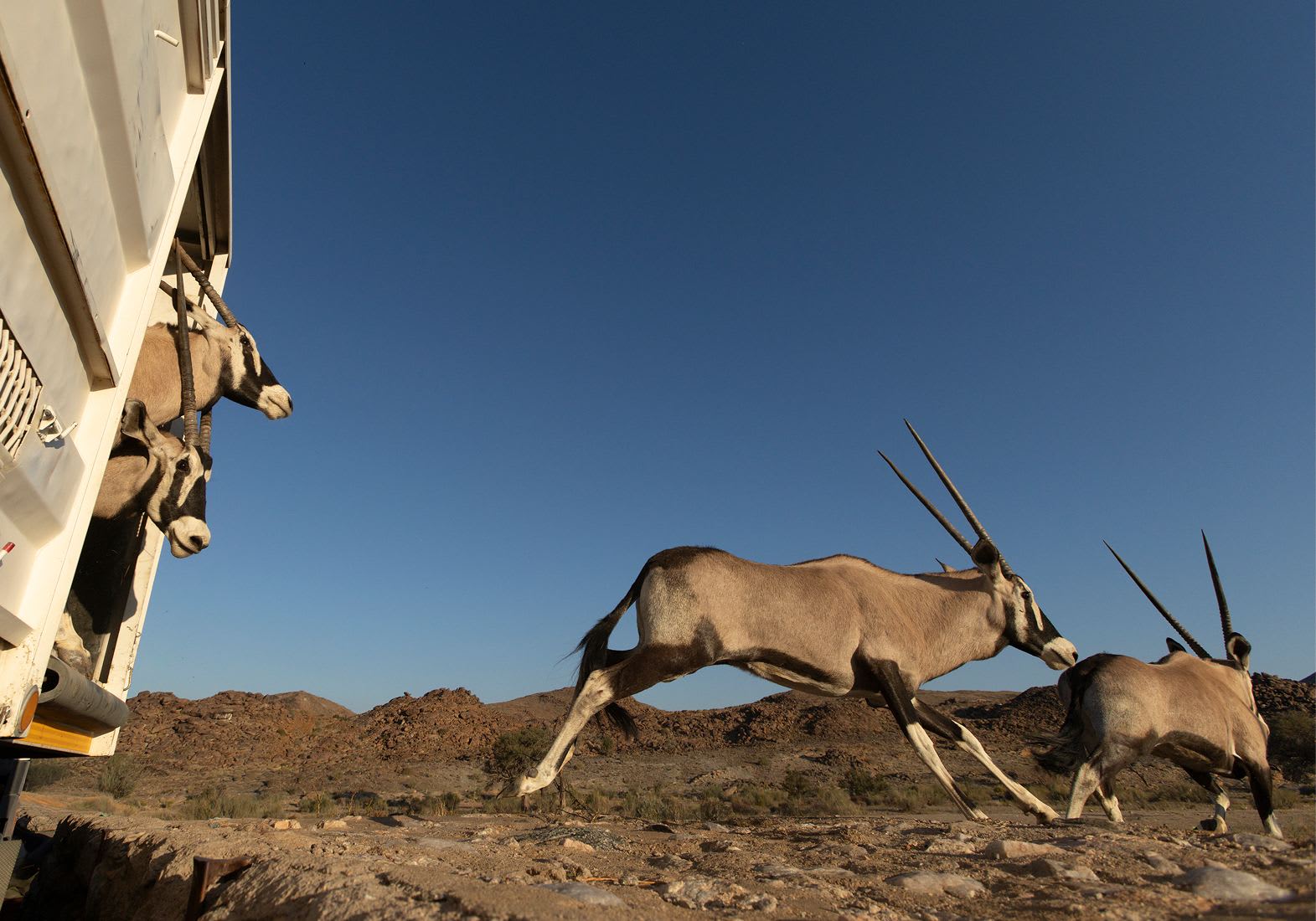
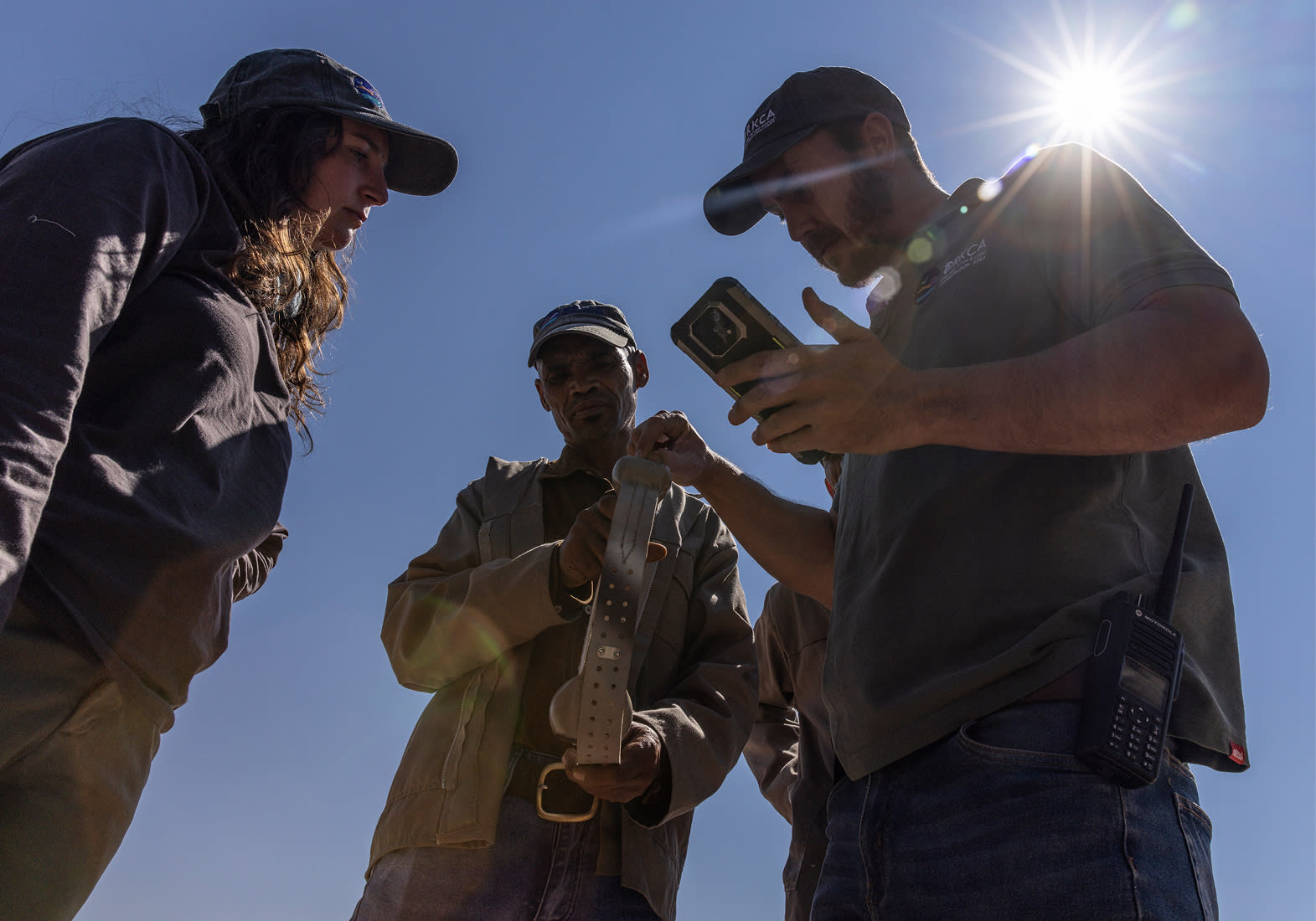
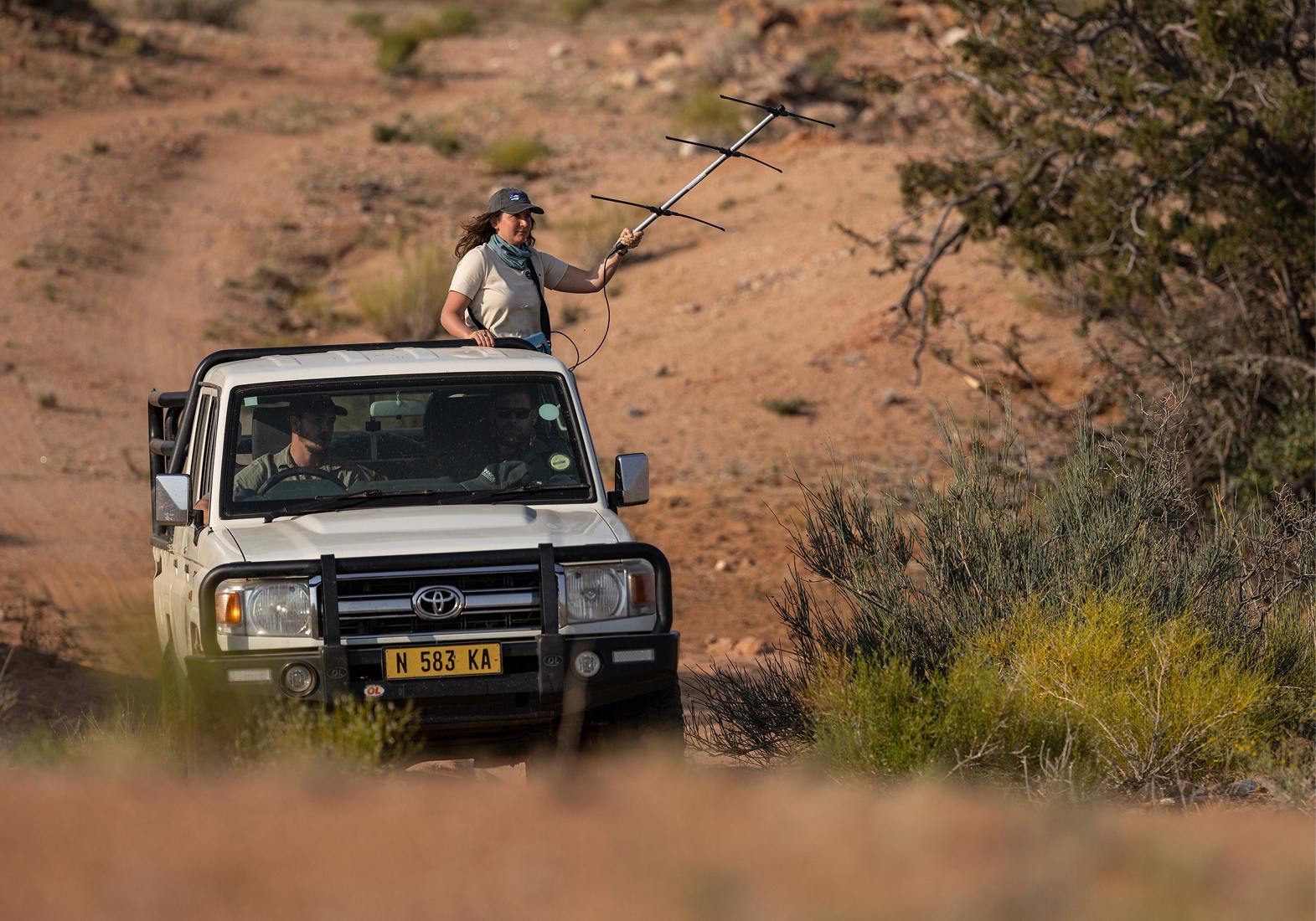
After two years of preparatory work, and with the support of the Rolex Perpetual Planet Initiative, the ORKCA team completed its first wildlife translocation project in 2025 with the release and return of oryx, springbok and ostrich. Two of each species were fitted with GPS collars, allowing the team to track the animals’ movements and collect data that will inform the release of more wildlife in the future. “This was an iconic moment for us. It will help us to improve our genetic diversity and gather ecological data, so we can better understand the landscape,” says Mbeeli.
Animals don’t recognize boundaries at all. They’ve been traversing these landscapes for many years. These boundaries are anthropogenic.
To date, ORKCA extends over 160,000 hectares, with a goal of protecting more than one million hectares over the next 15 to 20 years. It is work that is equal parts hands-on labour – including removing some 150 kilometres (93 miles) of fencing – building trust and learning from the local Nama people, who are equity owners and shareholders; and working towards ORKCA becoming a self-sustaining organization through biodiversity credits, irrigation farms and many more viable initiatives. Like the landscape it is working to restore and preserve, ORKCA’s model of conservation thrives when all stakeholders are working in harmony.
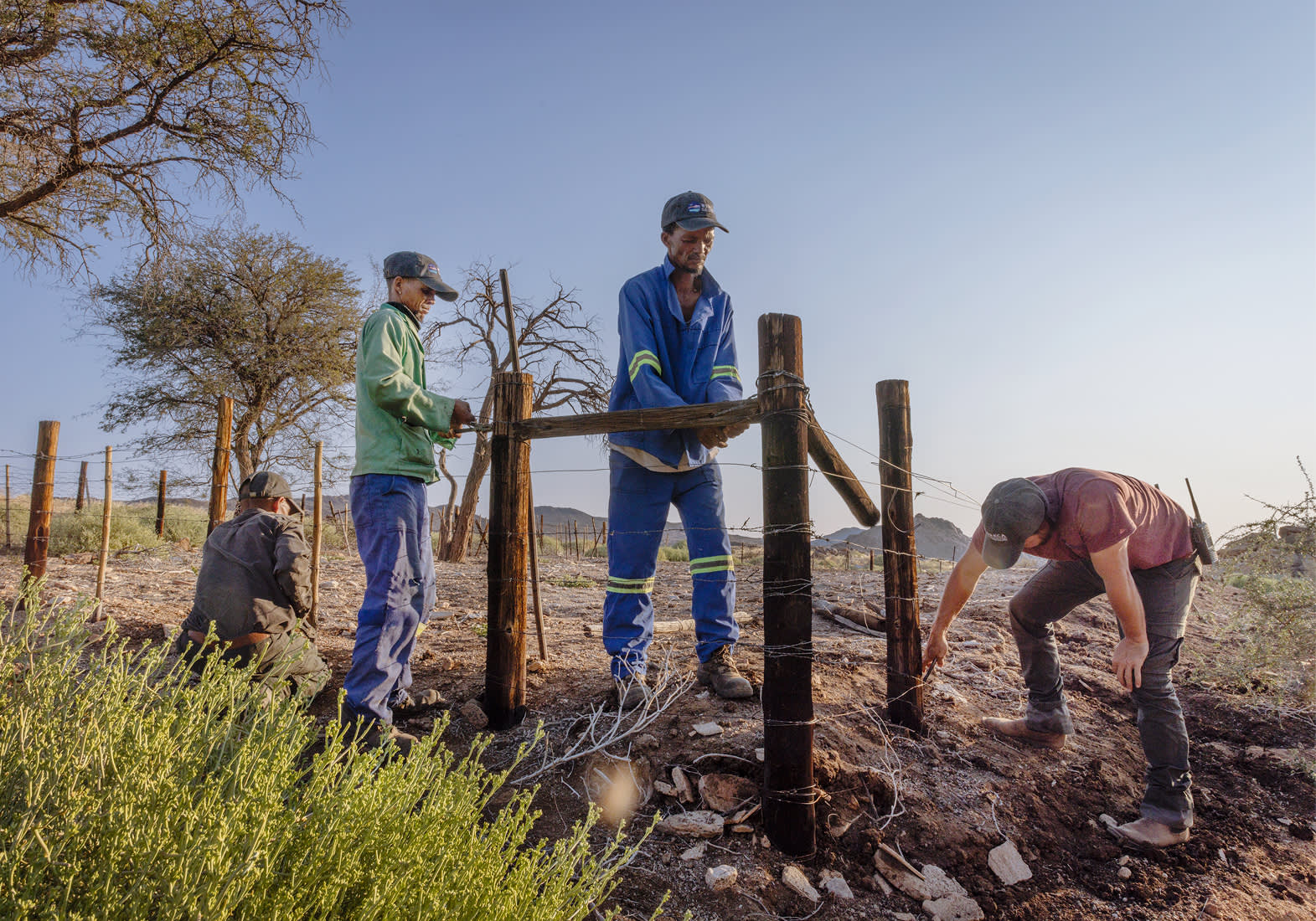
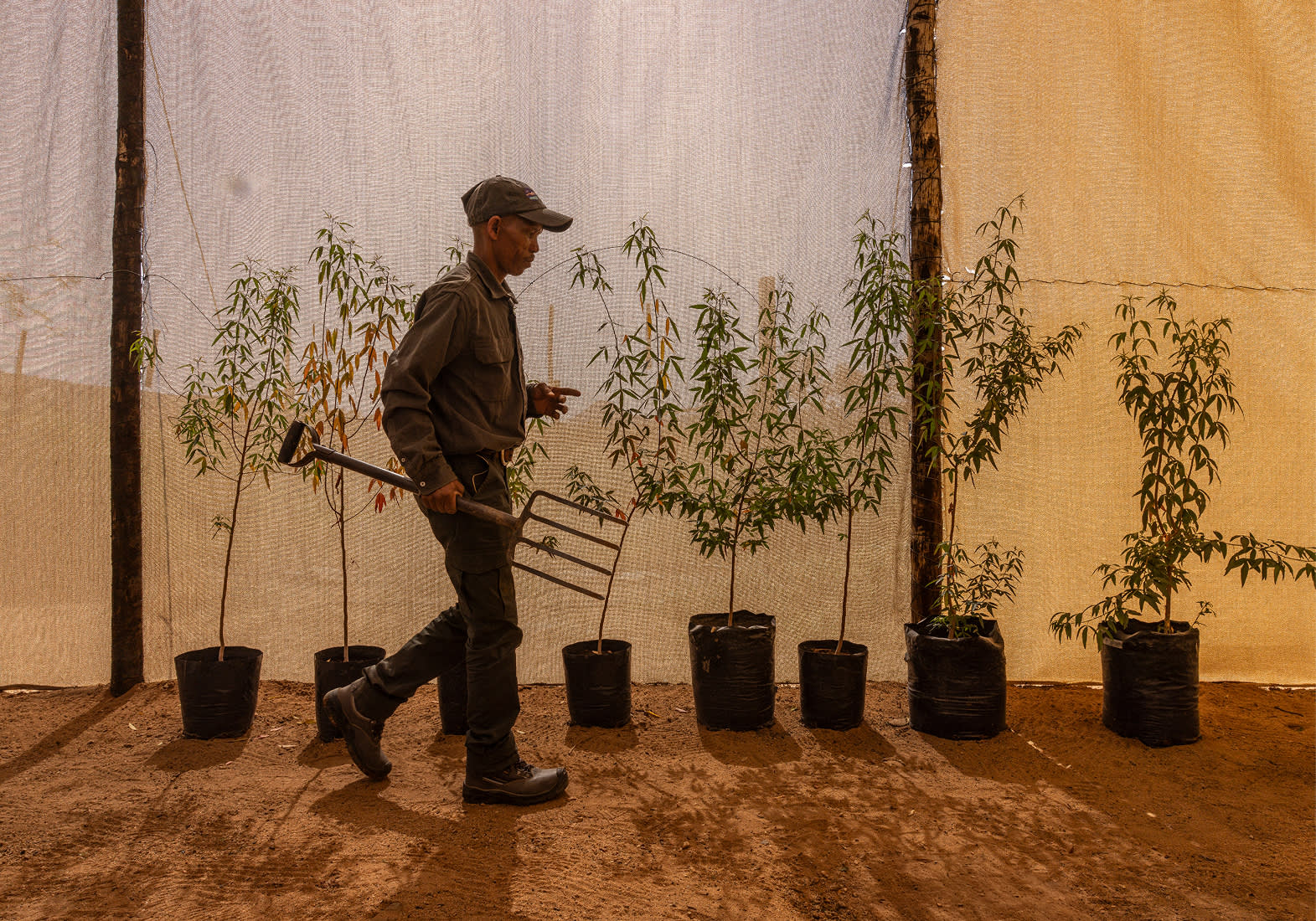
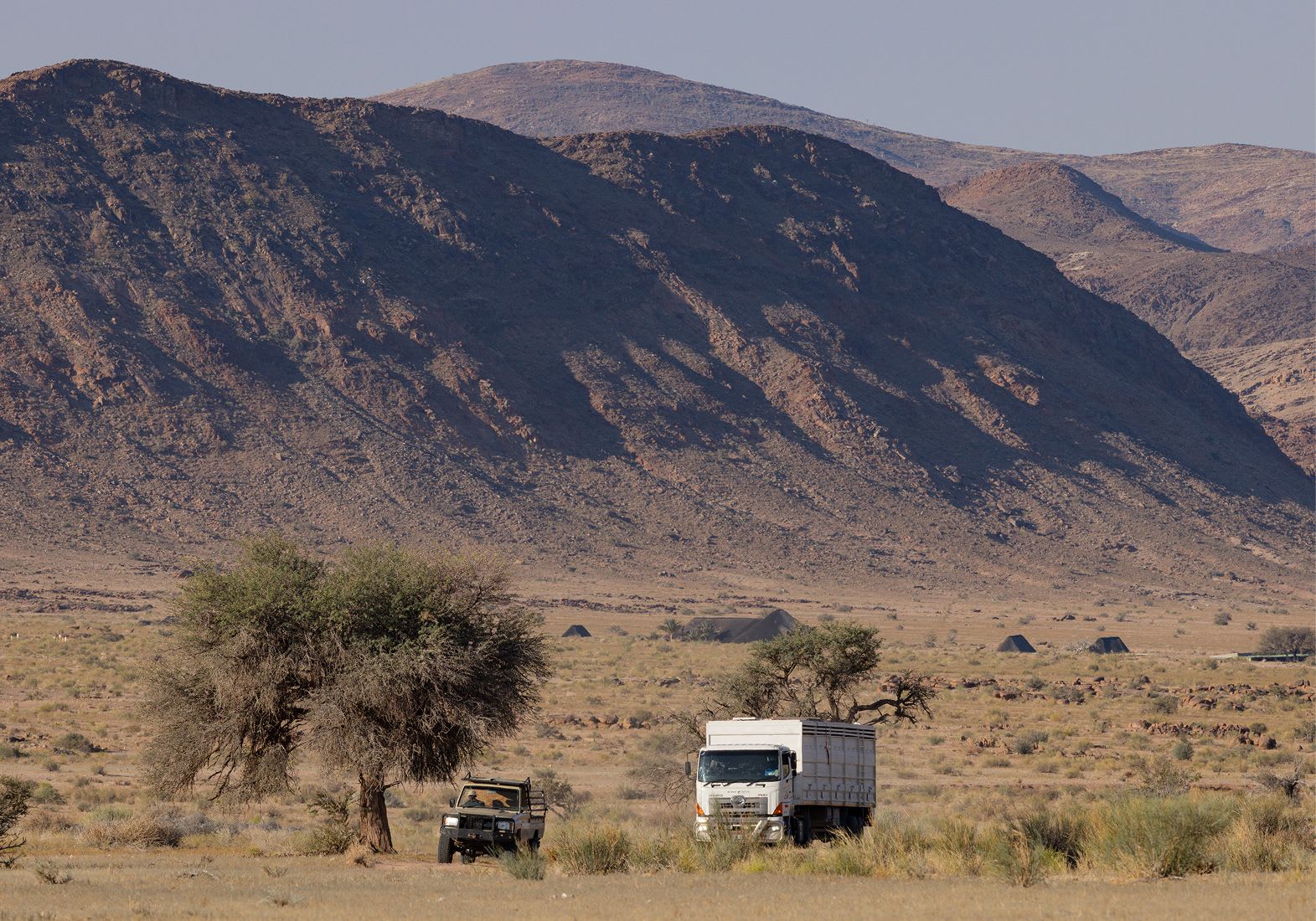
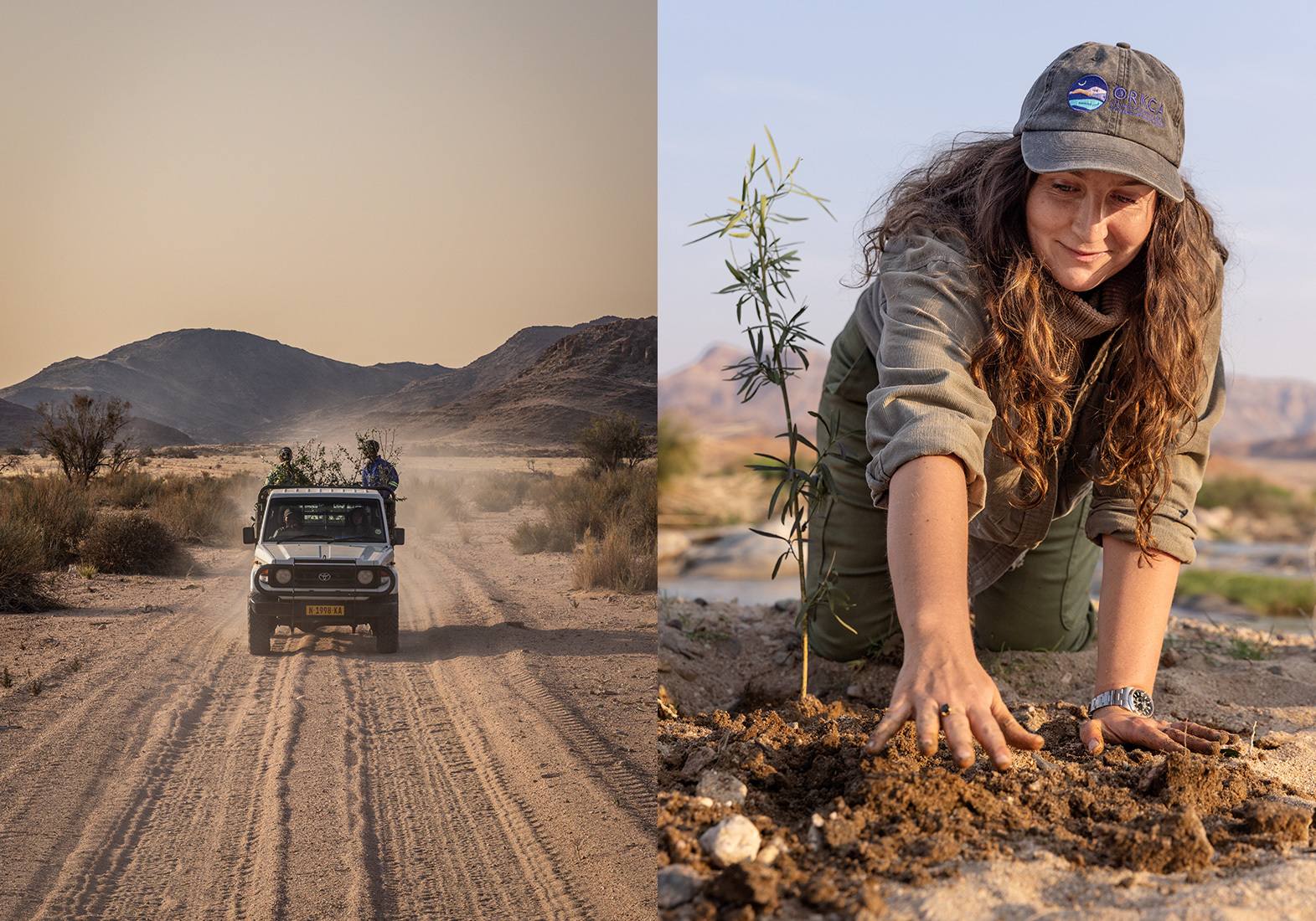
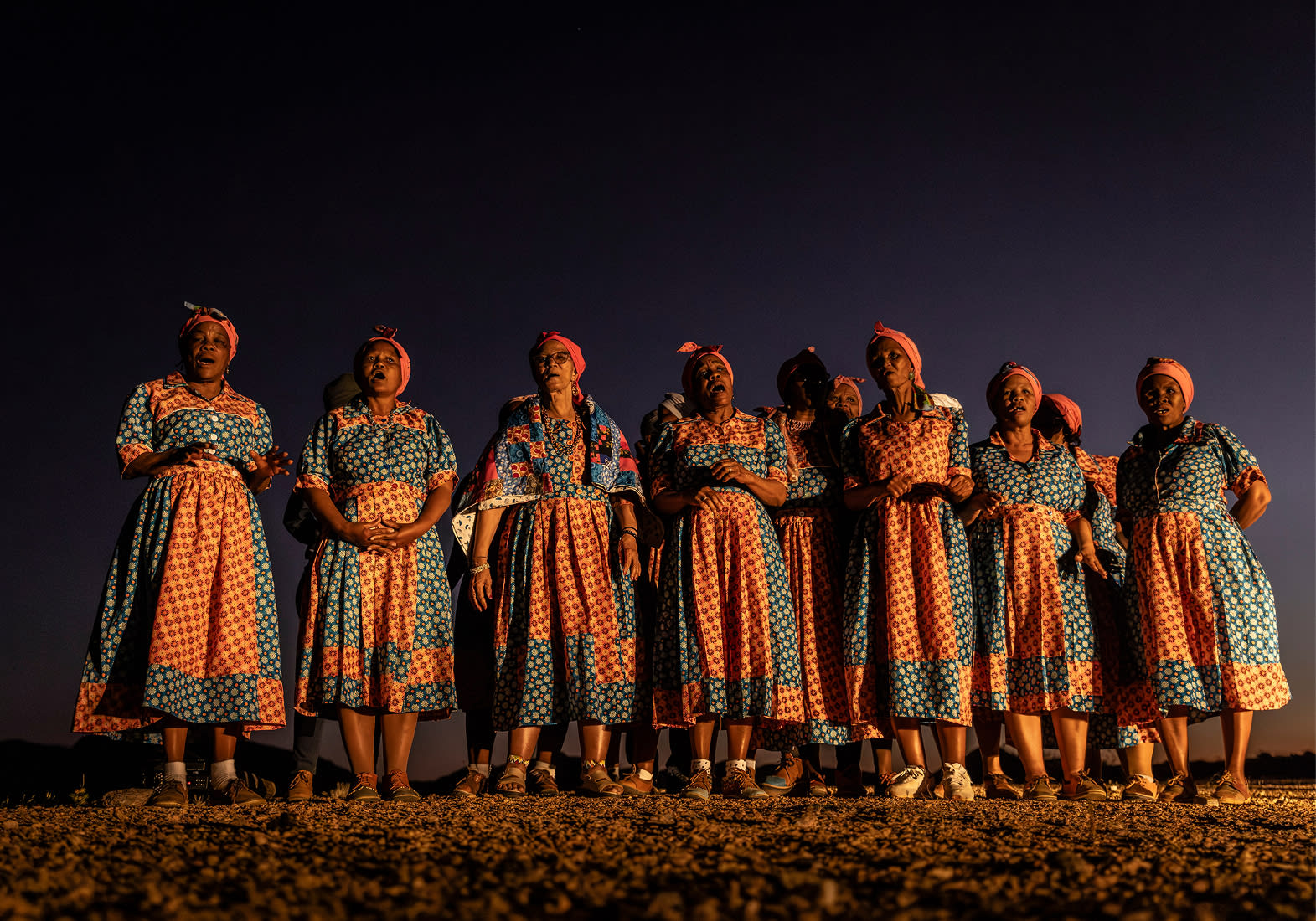
For Reserve Manager Jannie van der Merwe, this means no two days are the same. There is the slow, hard groundwork of removing old fencing that is cutting off ancient migratory routes; meetings with the Farmers’ Association; navigating legal contracts for the purchase of new land; managing the workers; checking the camera traps; monitoring the health of the wildlife across the reserve; and being in constant dialogue with the Nama people. “Community is our biggest partner,” says van der Merwe, “we want to create livelihoods for the local communities while preserving their traditions.”

Community is our biggest partner, we want to create livelihoods for the local communities while preserving their traditions.
ORKCA is taking an innovative approach to conservation through land purchasing and local partnership, but it is also a return to the natural rhythms of this ancient land. A century ago, predators would keep the plains’ herds on the move and save the vegetation from overgrazing. Zebras would play their role as water seekers, intuitively finding localized rainfall or digging with their hooves for groundwater on the dry riverbed as smaller animals would follow. Within this model of restoration is the opportunity to rewild the region with animals that traversed the plains before human intervention, and replant the vegetation that supported them.
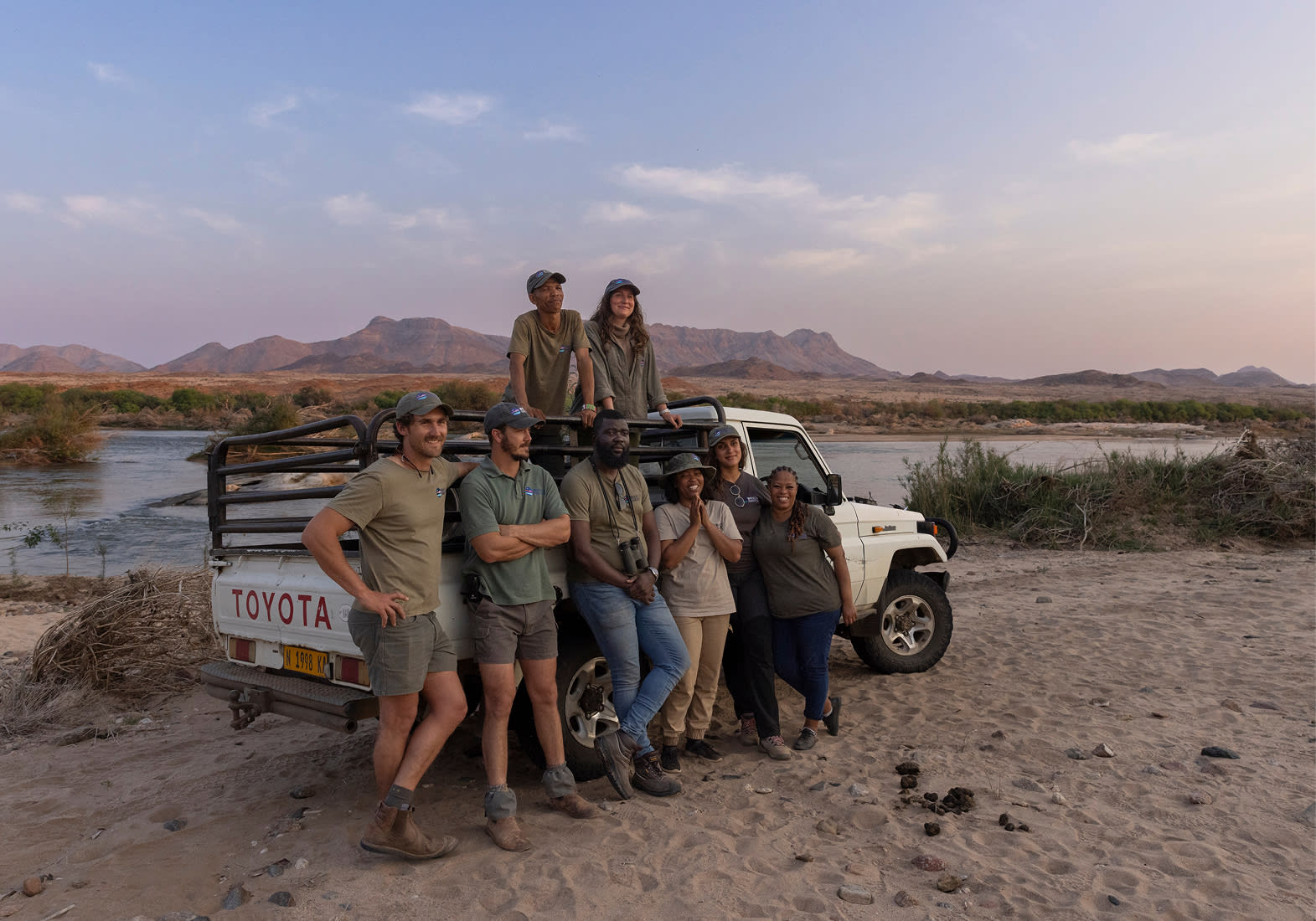
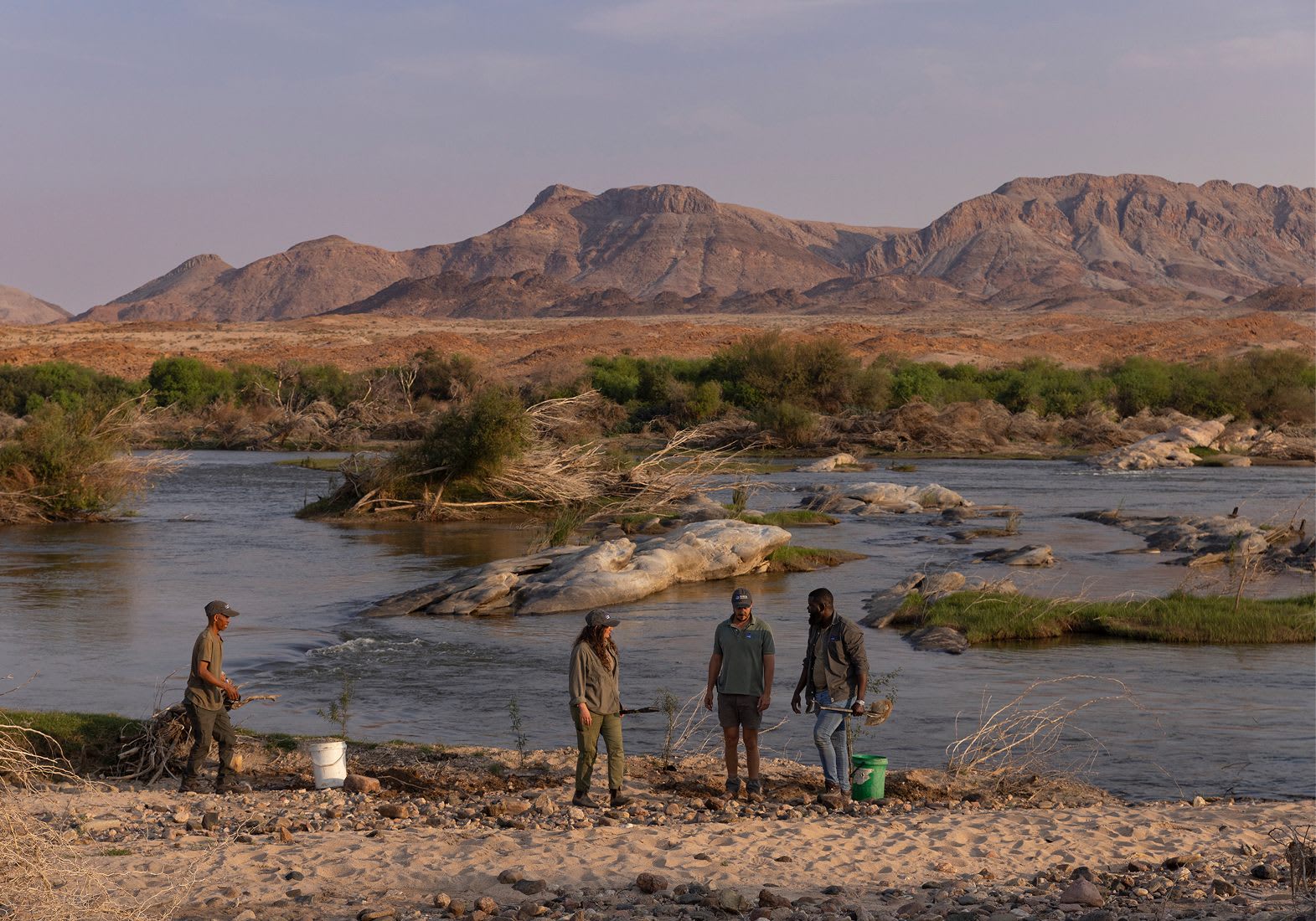
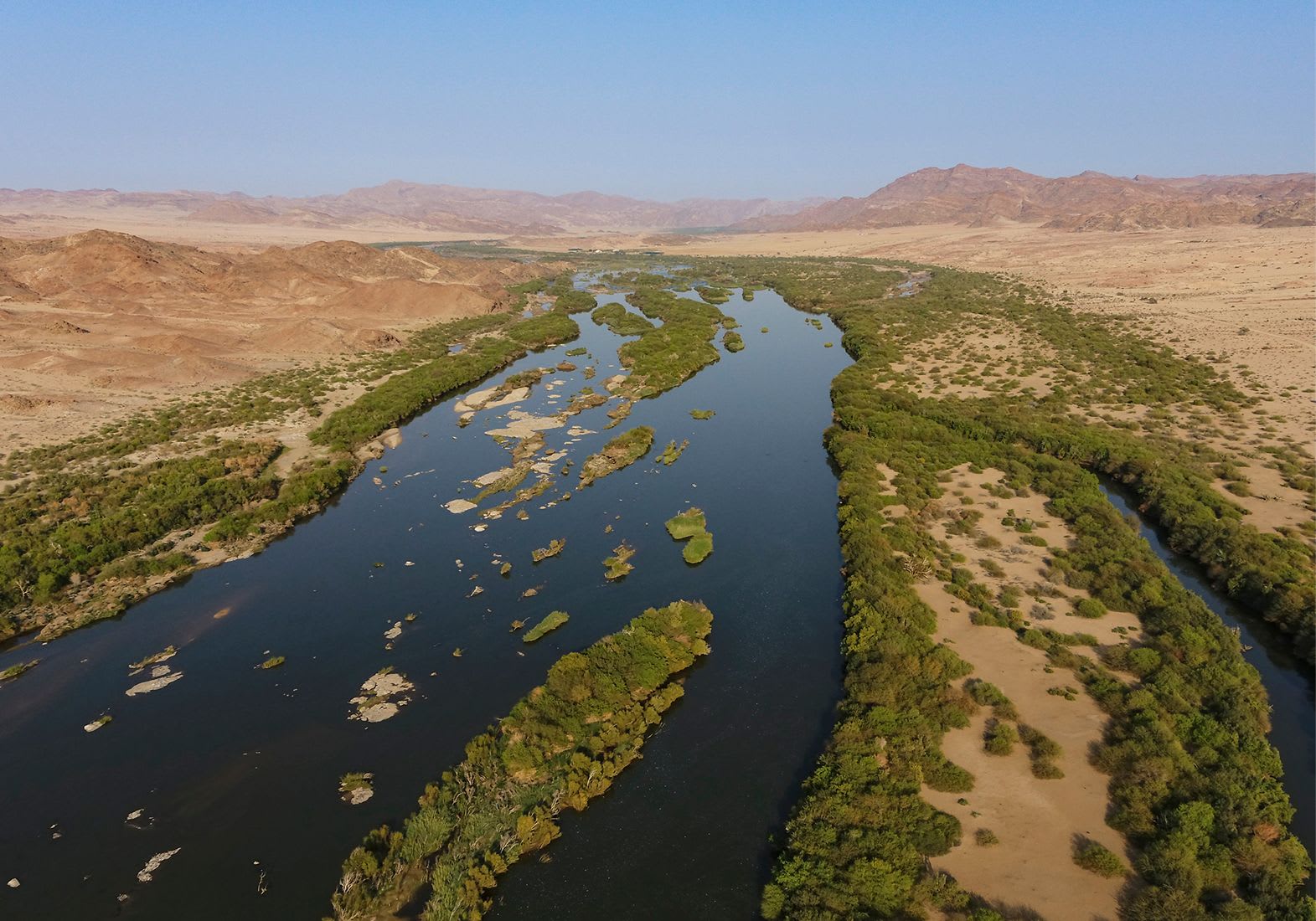
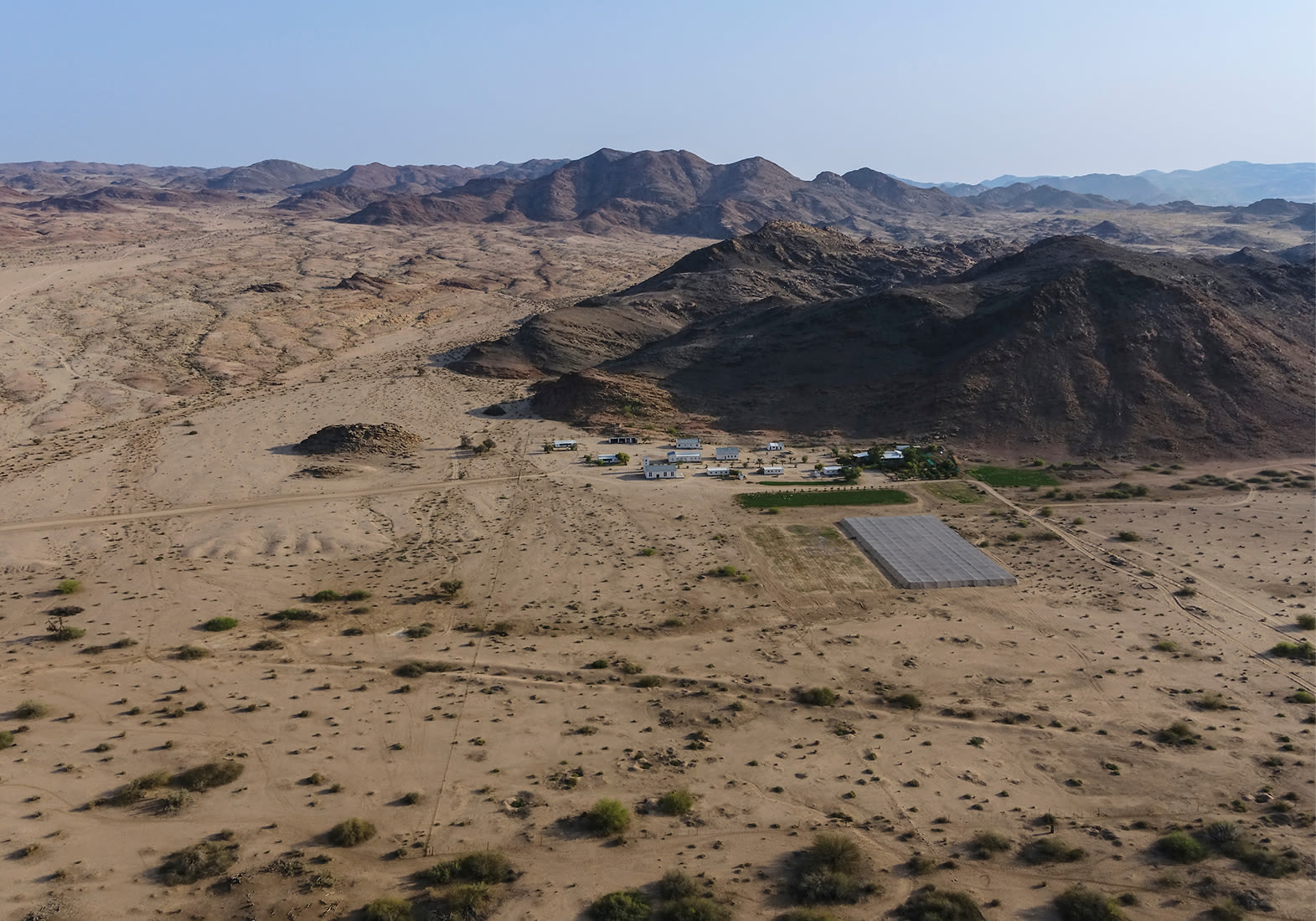
Founded just five years ago, ORKCA has brought new attention and protection to this understudied region of Southern Namibia. The team is now focused on a long-term vision of inclusive land use, community stewardship, and scientific study of the region’s spectacular ecology. Through strategic partnerships, and with support from the Rolex Perpetual Planet Initiative, ORKCA has an ambitious mission to protect the land in perpetuity and slowly restore all the natural ingredients of a thriving ecosystem.