
There was a bit of a sinking feeling that this was impossible. Then a very naive and stubborn idea – what if we could change that?

Published in
A part of the Perpetual Planet Initiative, the Rolex Awards support exceptional individuals with innovative projects in areas as diverse as creating technologies that improve lives, saving endangered ecosystems, protecting the oceans, exploring new frontiers on the planet, or pioneering advances in science and health.
Stingless bees have always been revered by the indigenous peoples of the Amazon as guardians of the forest and for the healing properties of their honey. And now pioneering scientific work by Peruvian chemical biologist and conservationist Rosa Vásquez Espinoza has linked deforestation in the Amazon with the decline of these native bees, which are vital pollinators and a major part of life for the Indigenous Asháninka and Kukama-Kukamiria peoples, amongst others.
Without intervention, the disappearance of the bees would have irreversible consequences for pollination networks and forest regeneration.

Raised between the Peruvian Andes and the rainforest, Vásquez Espinoza, who has Andean-Amazonian indigenous roots, brings together ancestral knowledge and cutting-edge science. As Founder and Executive director of Amazon Research Internacional, she works to protect biodiversity and empower communities across the Amazon basin.

Vásquez Espinoza first studied stingless bees in 2020 and was stunned to discover that the medicinal properties of their honey – which contain higher levels of antioxidants and antibacterial and anti-inflammatory properties than standard commercial honey – could be evidenced chemically.
Then, with the bees facing threats from deforestation, habitat degradation, pesticide use and climate change, Amazon Research Internacional was able to establish the first scientific link between deforestation and stingless bee decline.

Vásquez Espinoza and her colleagues started knocking on doors to try to understand why nobody had done anything to protect these bees. Eventually she discovered that because there were no legal protections, the options were limited. “There was a bit of a sinking feeling that this was impossible. Then a very naive and stubborn idea – what if we could change that?” she said.
There was a bit of a sinking feeling that this was impossible. Then a very naive and stubborn idea – what if we could change that?
Thanks to their efforts, in late 2025, Amazon stingless bees in Peru became the first insect in the world to be granted legal rights, which conservationists hope could set a precedent and help other species elsewhere. The bees, now have the right to exist.
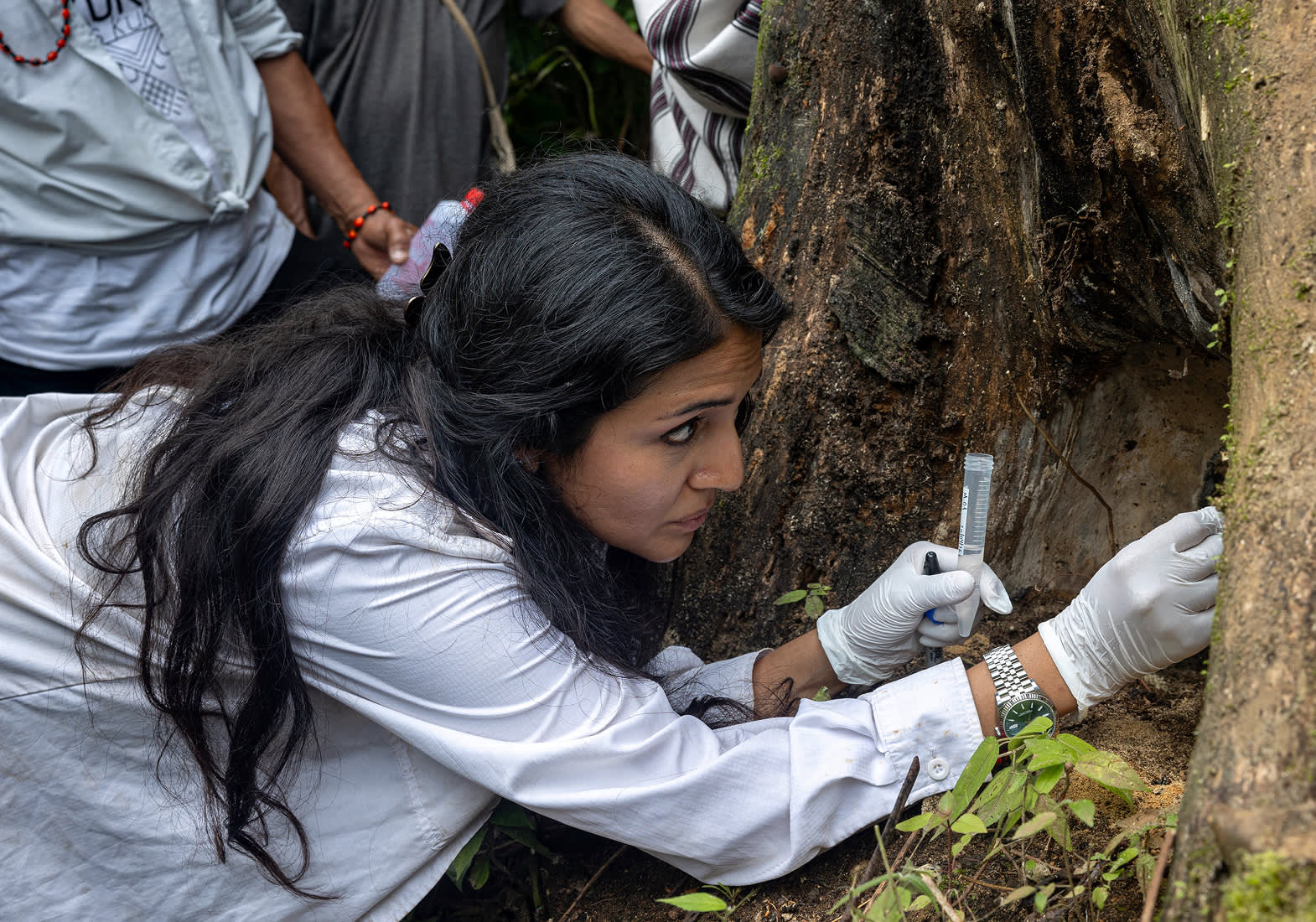
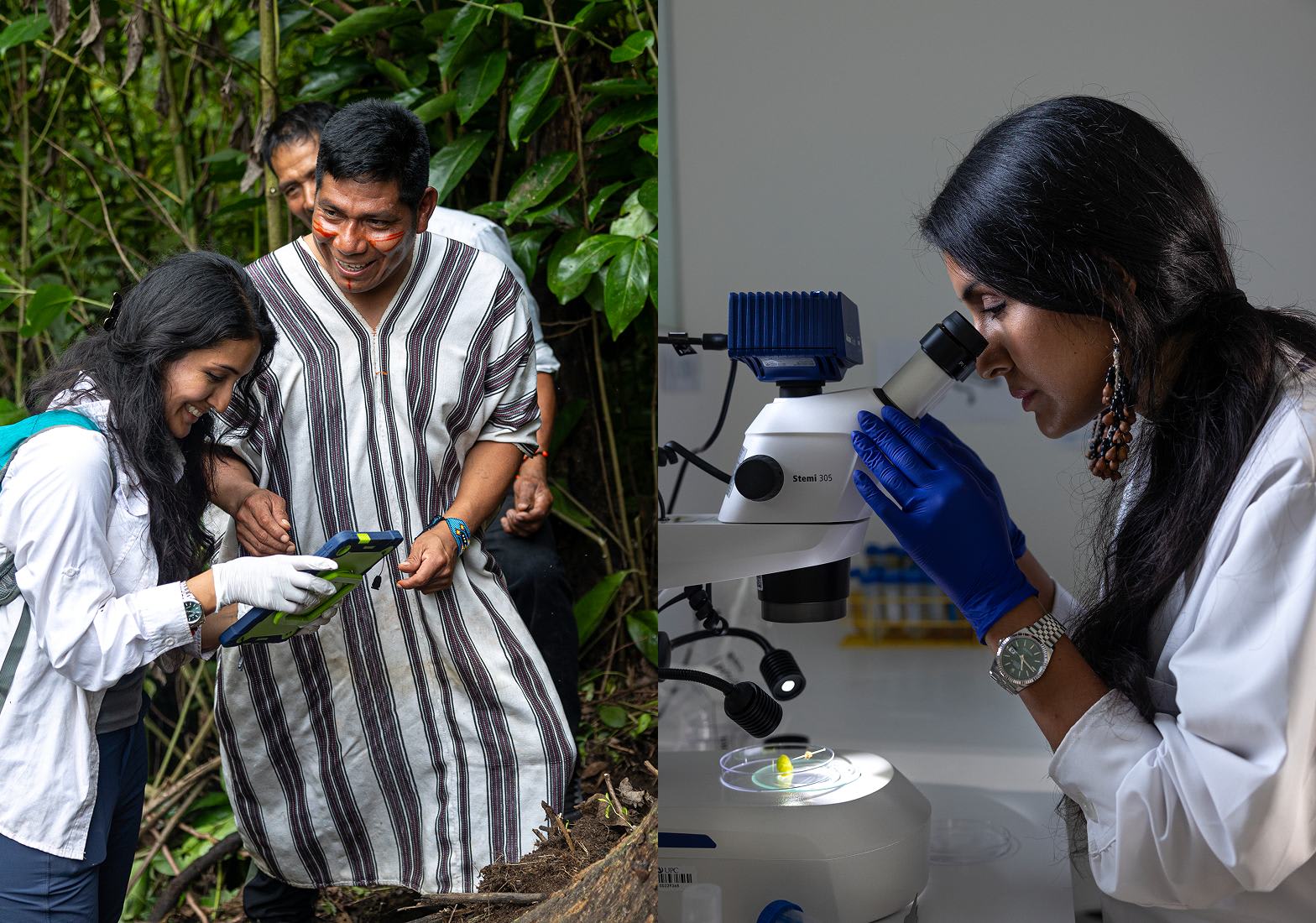
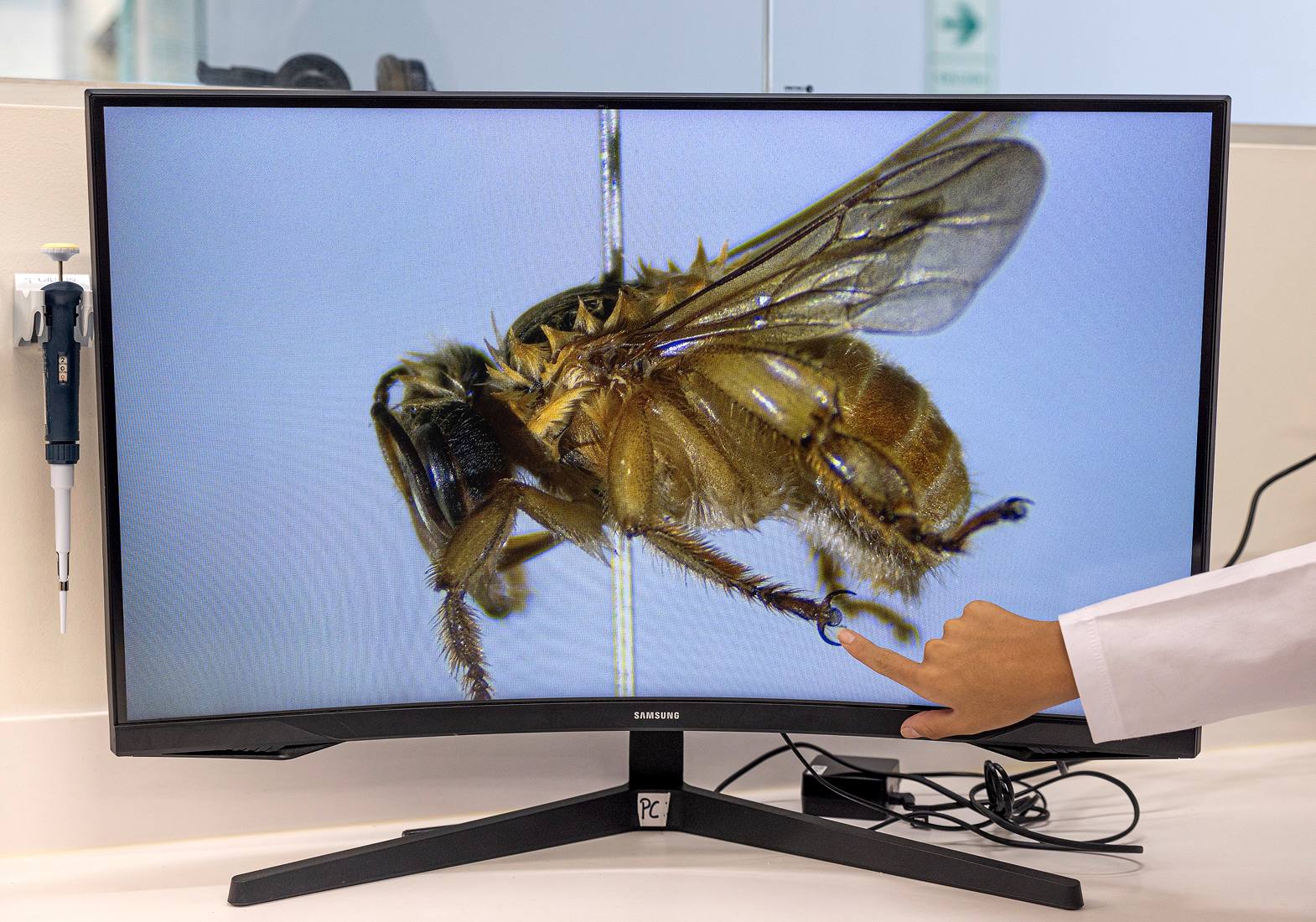
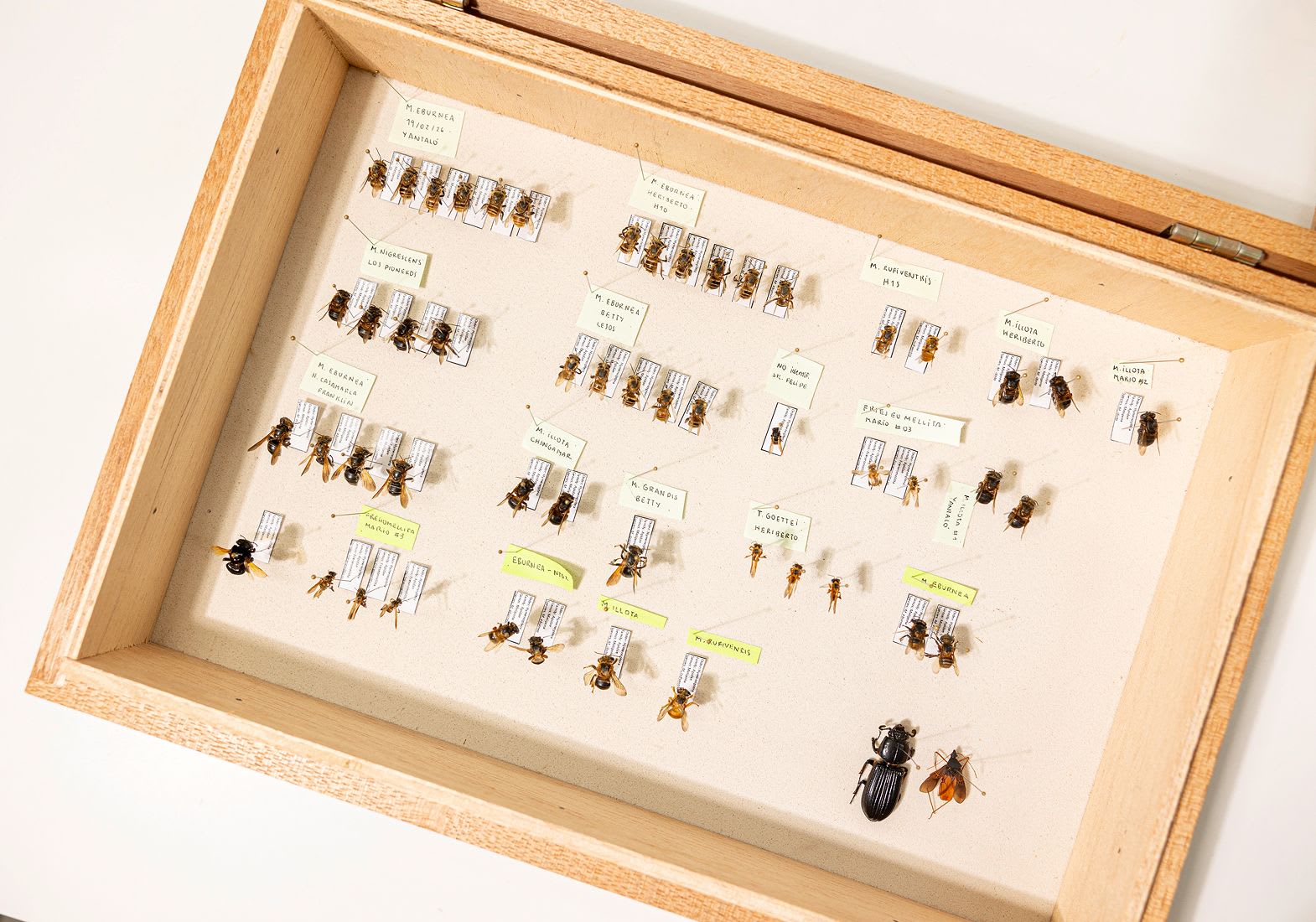
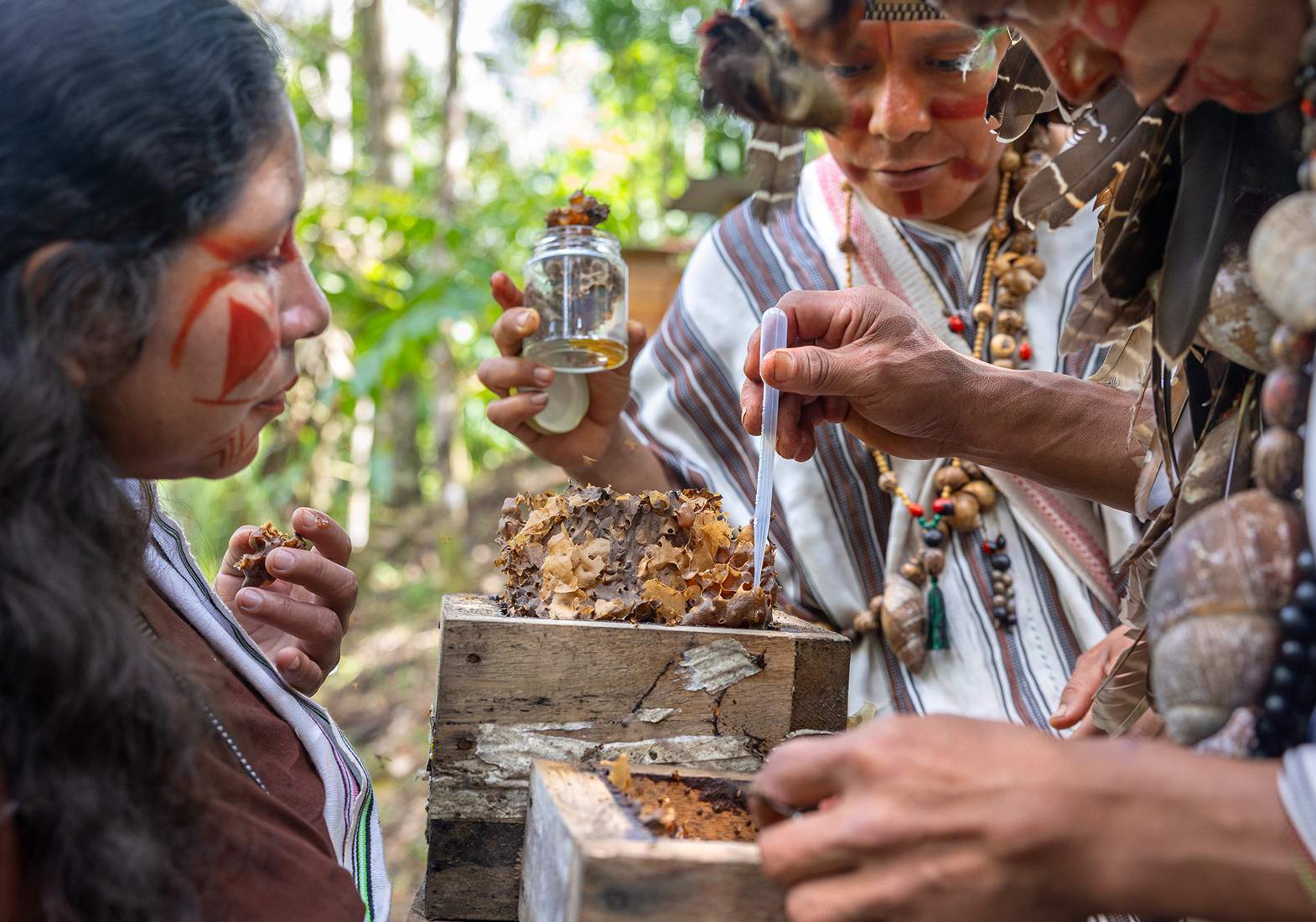
Vásquez Espinoza and her team have to date surveyed 40,000 hectares of rainforest, identifying more than 300 wild hives and some 1.6 million stingless bees. They currently work with 11 communities and have trained more than 350 Indigenous people in sustainable beekeeping, entrepreneurship and ecological research; 70 per cent of whom are women.

By merging scientific research with ancestral knowledge, Amazon Research Internacional is leaning on the Indigenous people’s traditions around beekeeping – from stories and mythology to active medicinal practices – and helping them gain validity in scientific circles.

Fieldwork for Vásquez Espinoza can involve nights locating hives and days recording the bees’ data. Some field trips involve staying with local communities, while other more remote locations, which can take several hours of trekking to reach, require jungle overnight under the guidance of a local beekeeper.
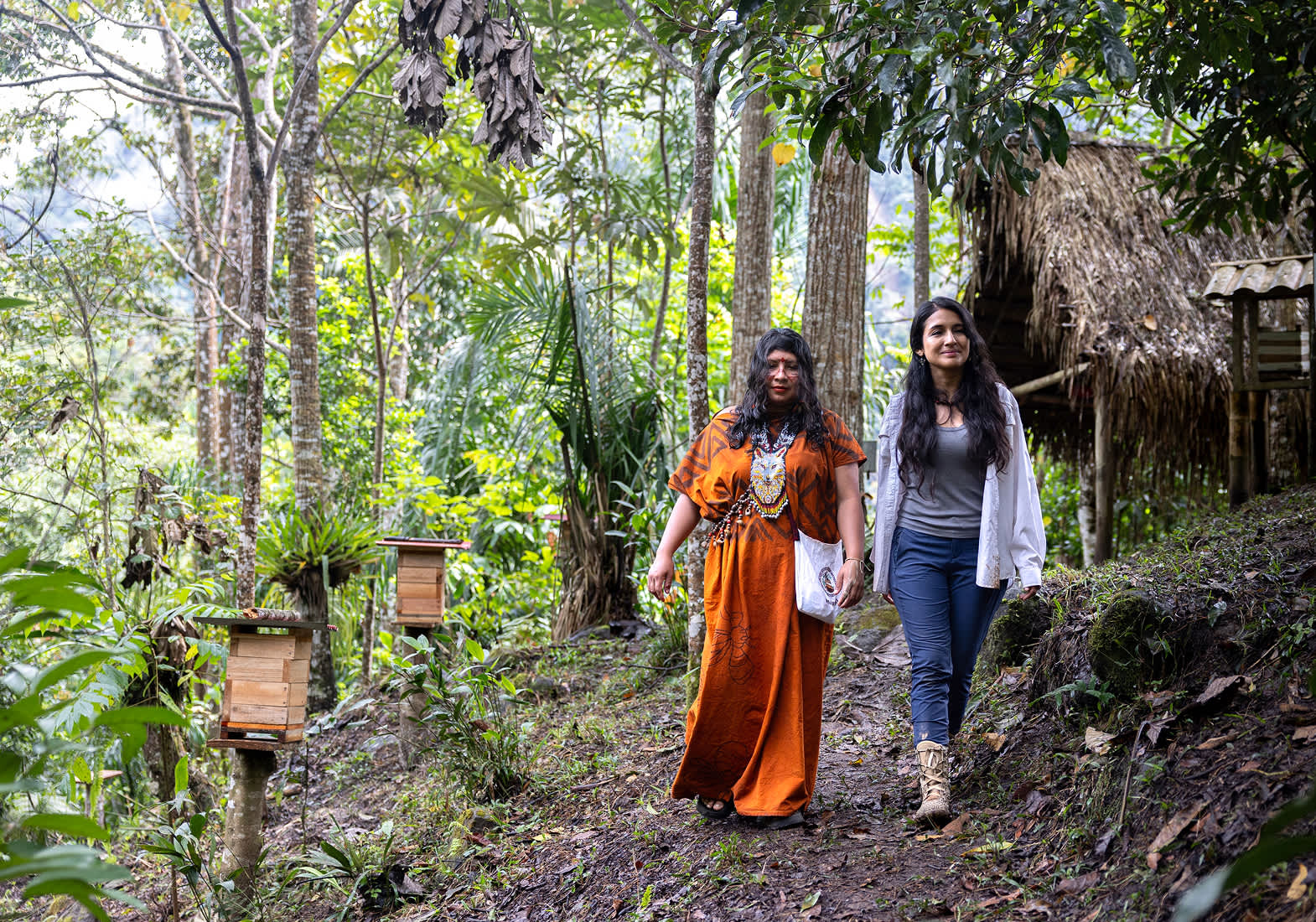
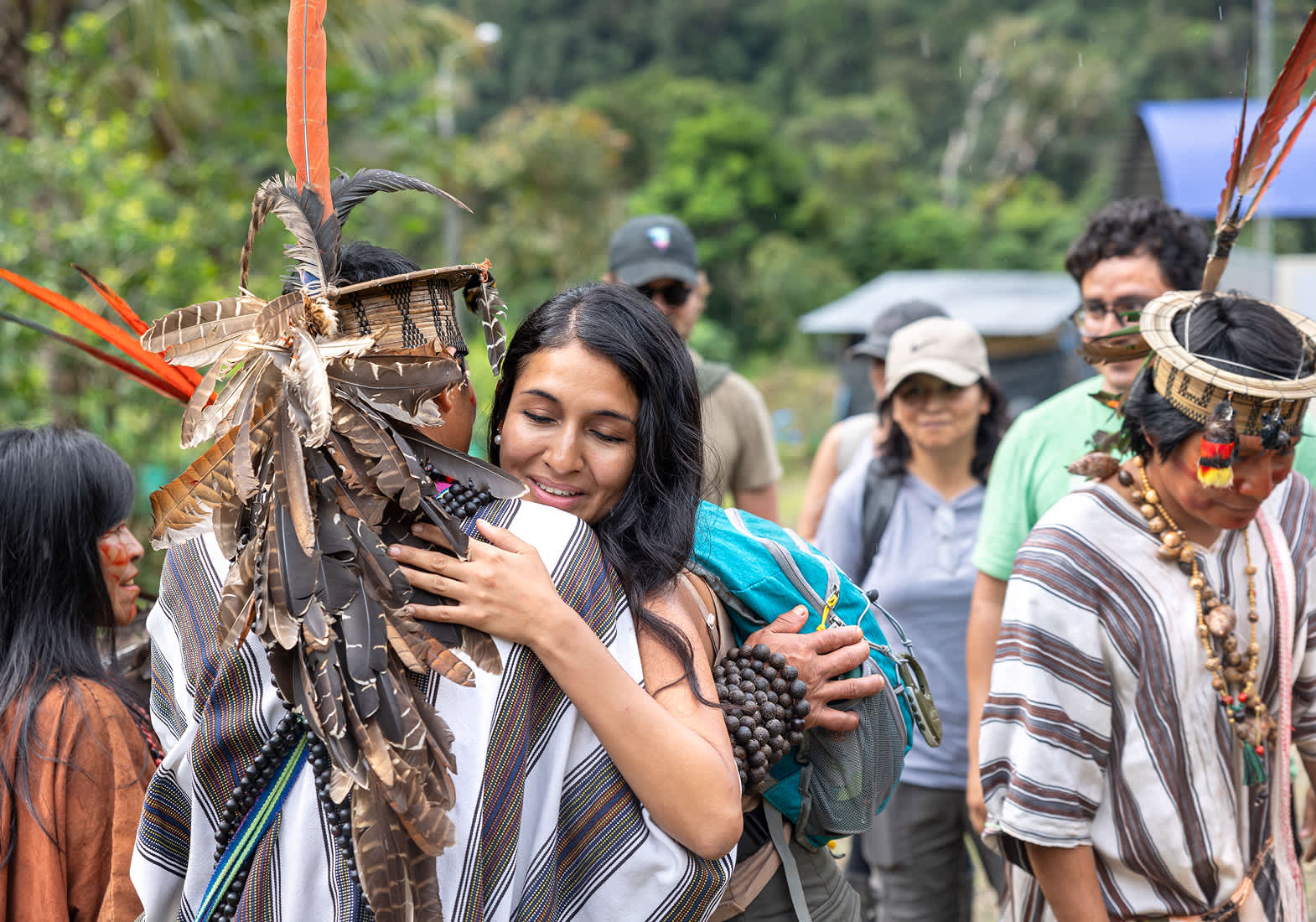
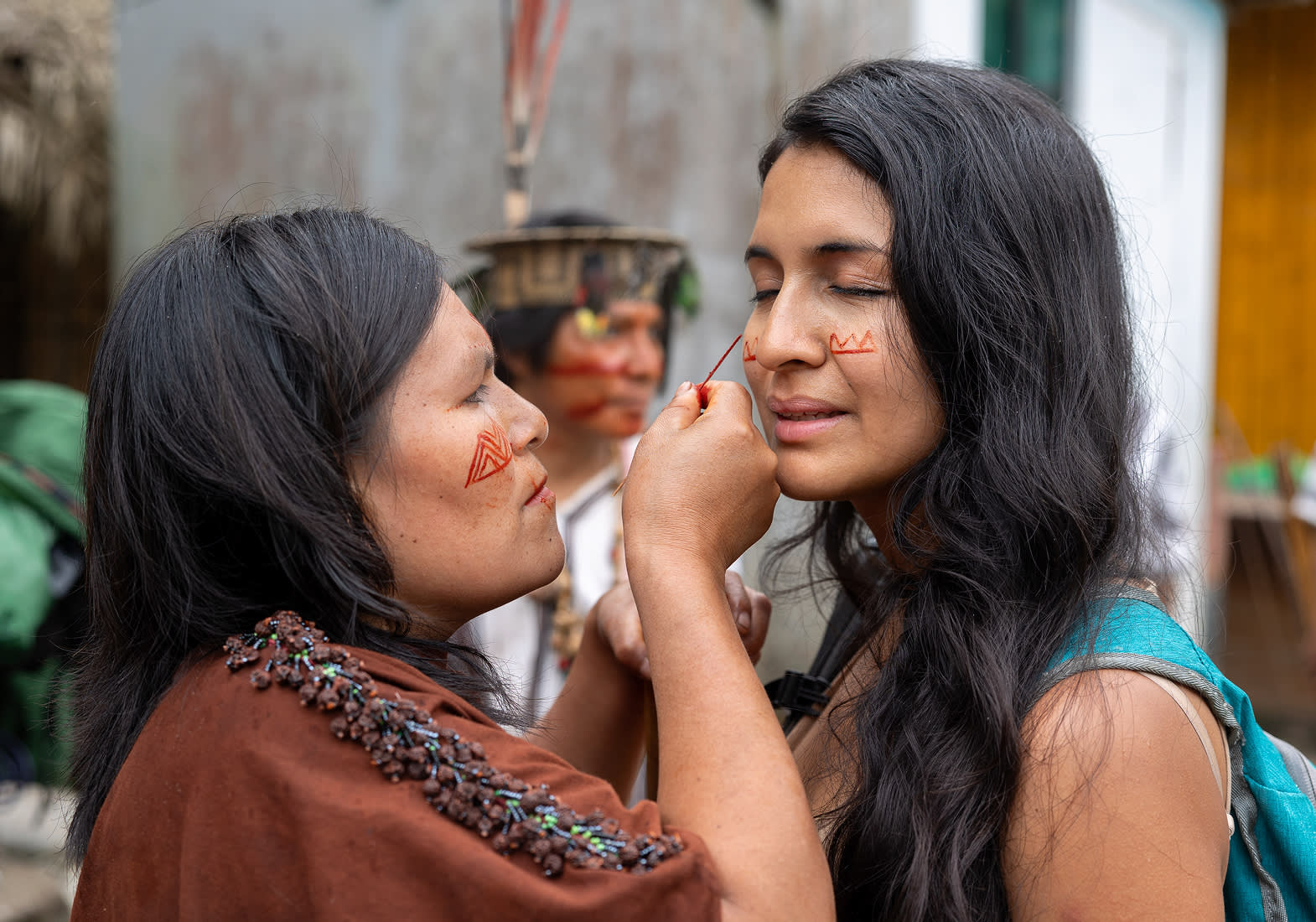
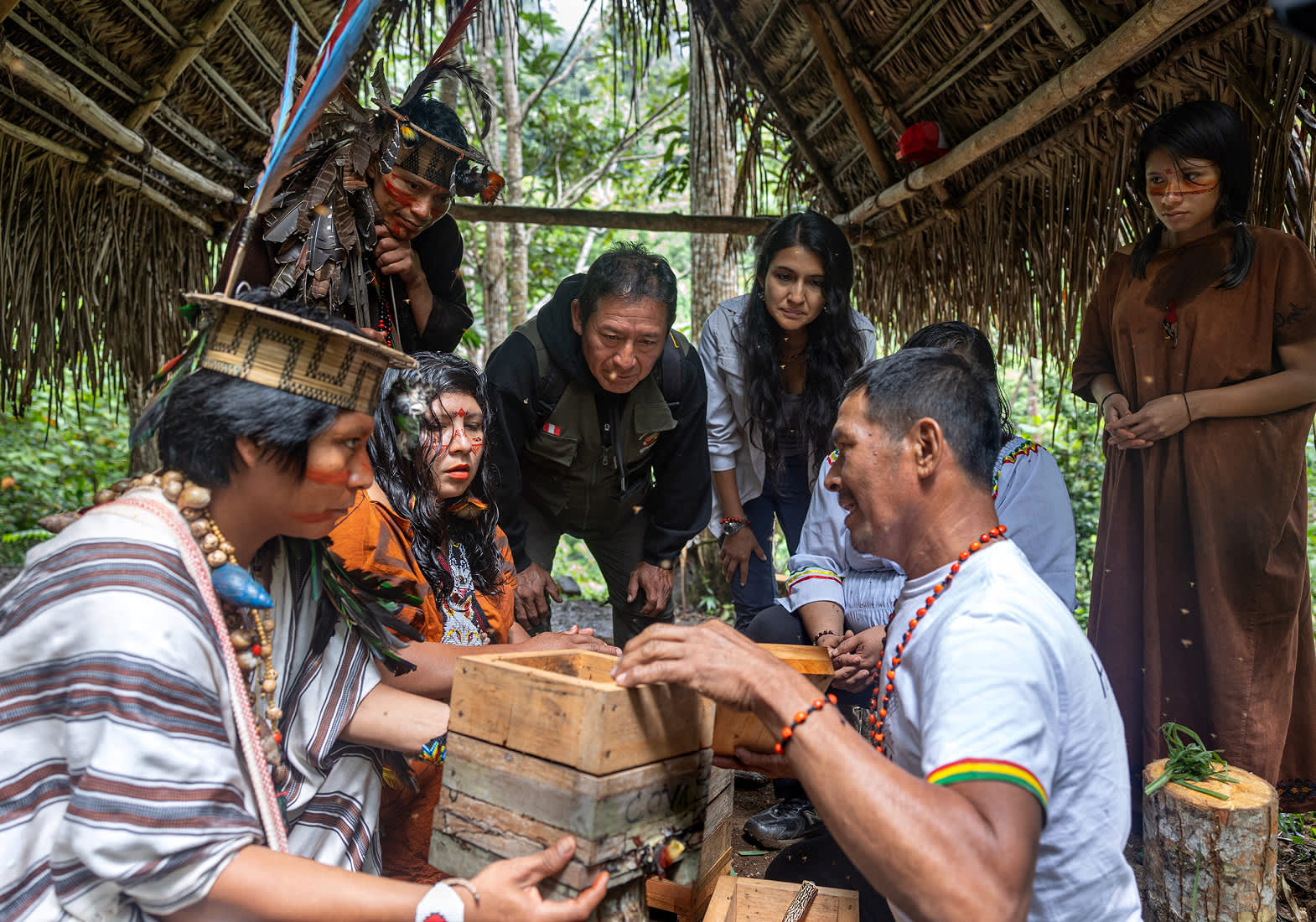
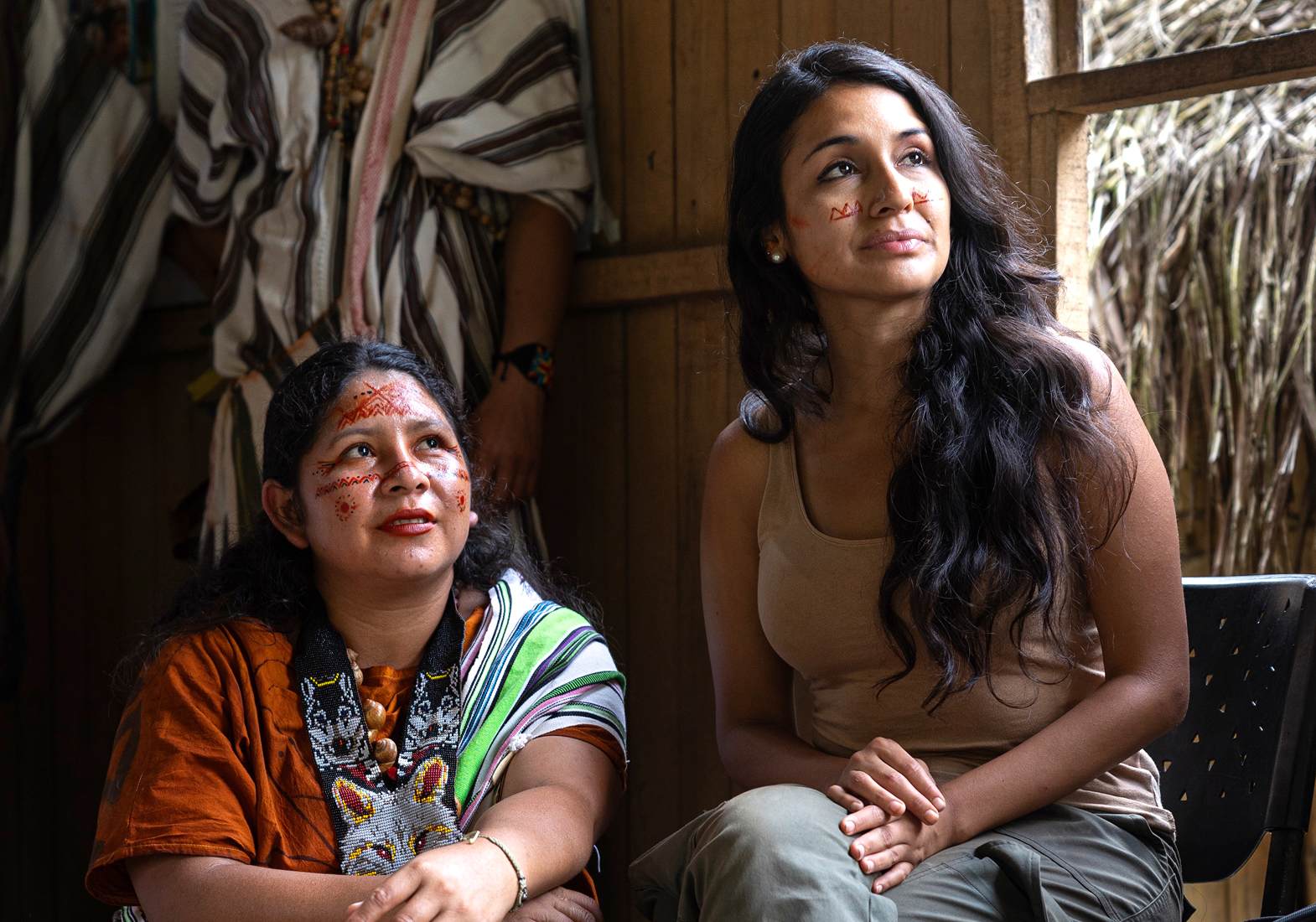
The organization has already established stingless bee sanctuaries, in the process regenerating 17 hectares of rainforest. With the support of Rolex, Amazon Research Internacional is planning to expand its work by launching 10 Indigenous-led sanctuaries in biodiversity hotspots. By mapping 200,000 hectares of habitat, Vásquez Espinoza and her team will ultimately create a transboundary Stingless Bee Conservation Corridor extending into Bolivia and along the border between Peru, Colombia and Brazil.