
This innovative technology is changing how research is conducted in the deepest parts of the ocean, which have come under increasing pressure from human activity, including unsustainable fishing practices.

Published in
The Azores Deep-Sea Research group is scientifically documenting the deep ocean floor like never before, thanks to its drifting video platform, the Azor drift-cam. With support from the Rolex Perpetual Planet Initiative, it is revolutionizing research equipment needed to protect the oceans.
When he was 21 years old, Telmo Morato moved to the Azores from his hometown of Porto in Portugal. His plan was to stay for a short-term marine research project, but three decades on, he is still exploring this unique archipelago, which is unlike anywhere else on Earth. Situated in the middle of the Atlantic Ocean, it is among the most remote places in the world. Renowned as a hotspot for biodiversity, the underwater seamounts that form the archipelago’s islands provide a unique habitat for all manner of marine life.

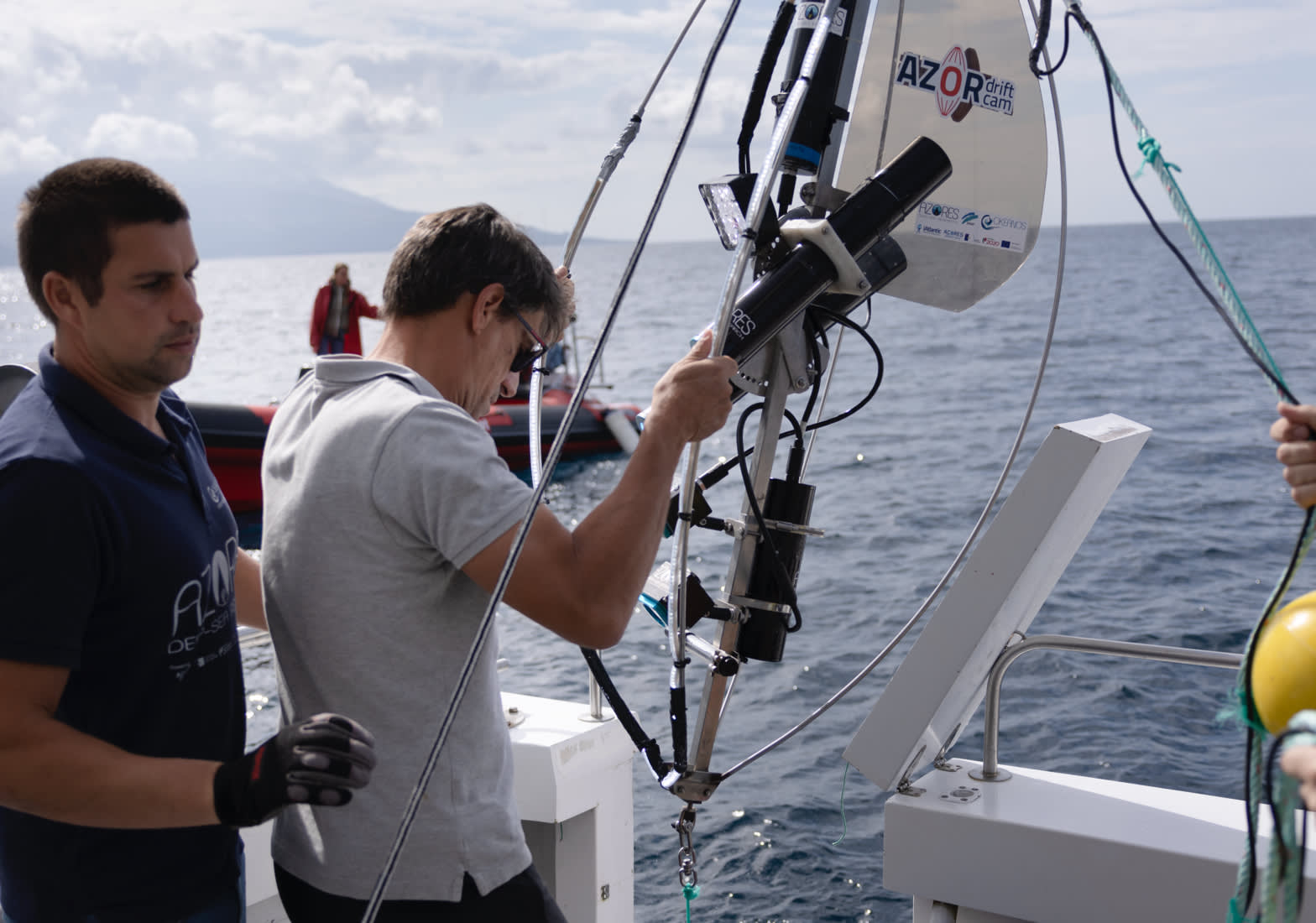
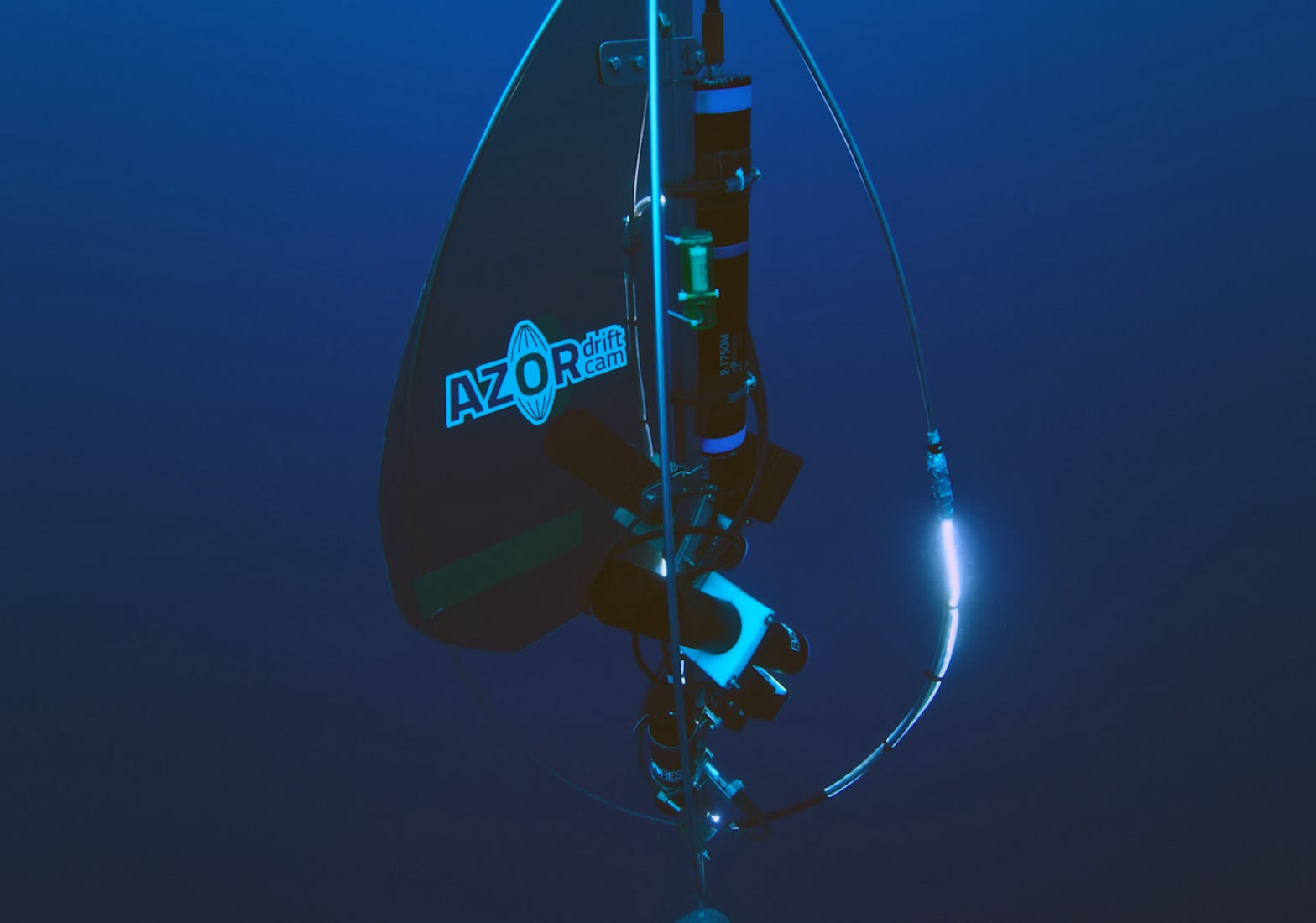
Previously, deep-sea research required prohibitively expensive equipment such as Remotely Operated Vehicles (ROVs) and manned submersibles. So, Morato and the Azores Deep-Sea Research (ADSR) group, a team of deep-sea scientists, developed an affordable alternative: the revolutionary Azor drift-cam, a small, low-cost device that can gather crucial video evidence of life as far as 1,000 metres below the ocean’s surface.

This innovative technology is changing how research is conducted in the deepest parts of the ocean, which have come under increasing pressure from human activity, including unsustainable fishing practices. Much about what lies 1,000 metres below sea level is unknown. It has become more important than ever to learn how the deep sea functions and what lives there in order to preserve and protect it.
This innovative technology is changing how research is conducted in the deepest parts of the ocean, which have come under increasing pressure from human activity, including unsustainable fishing practices.
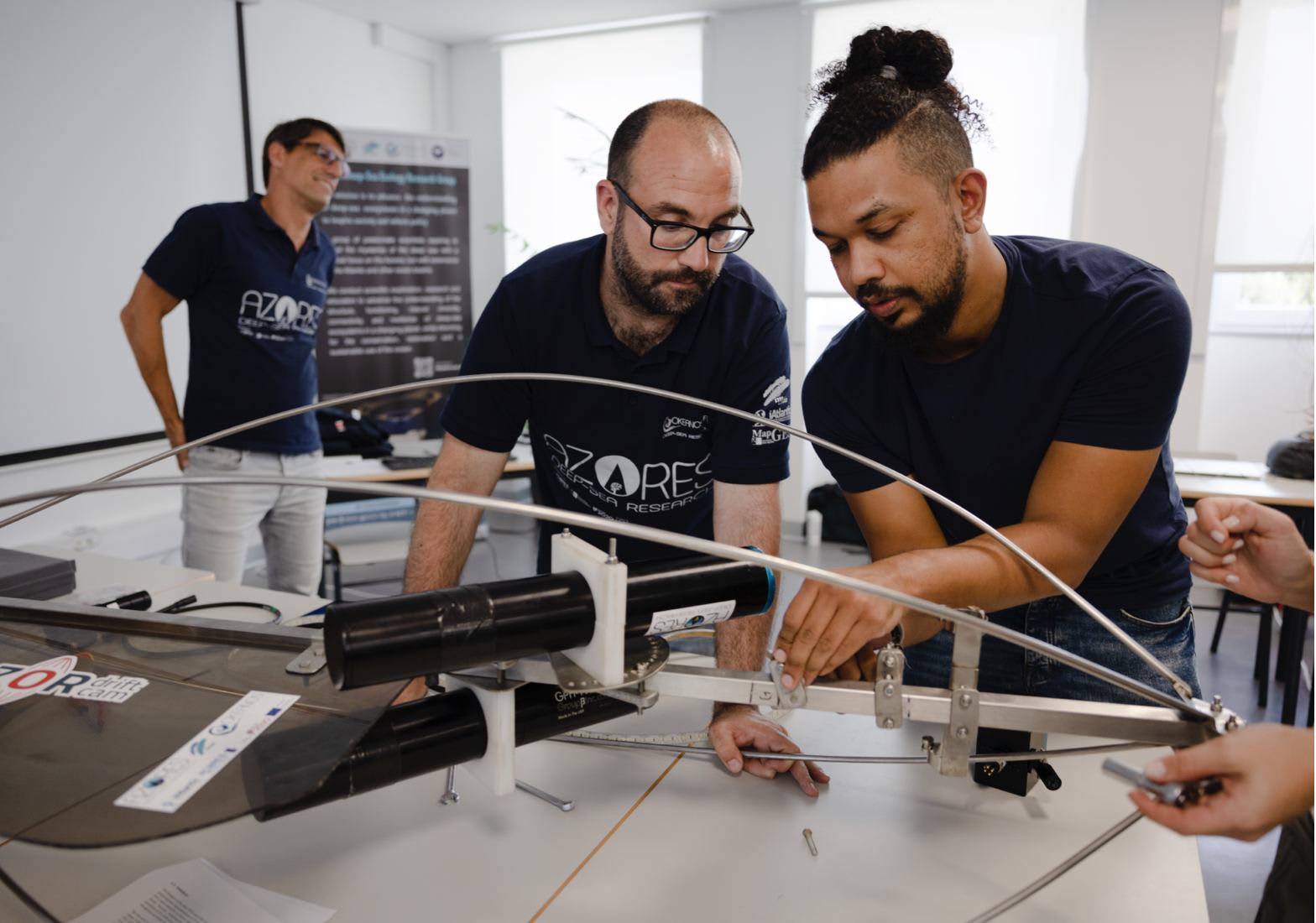
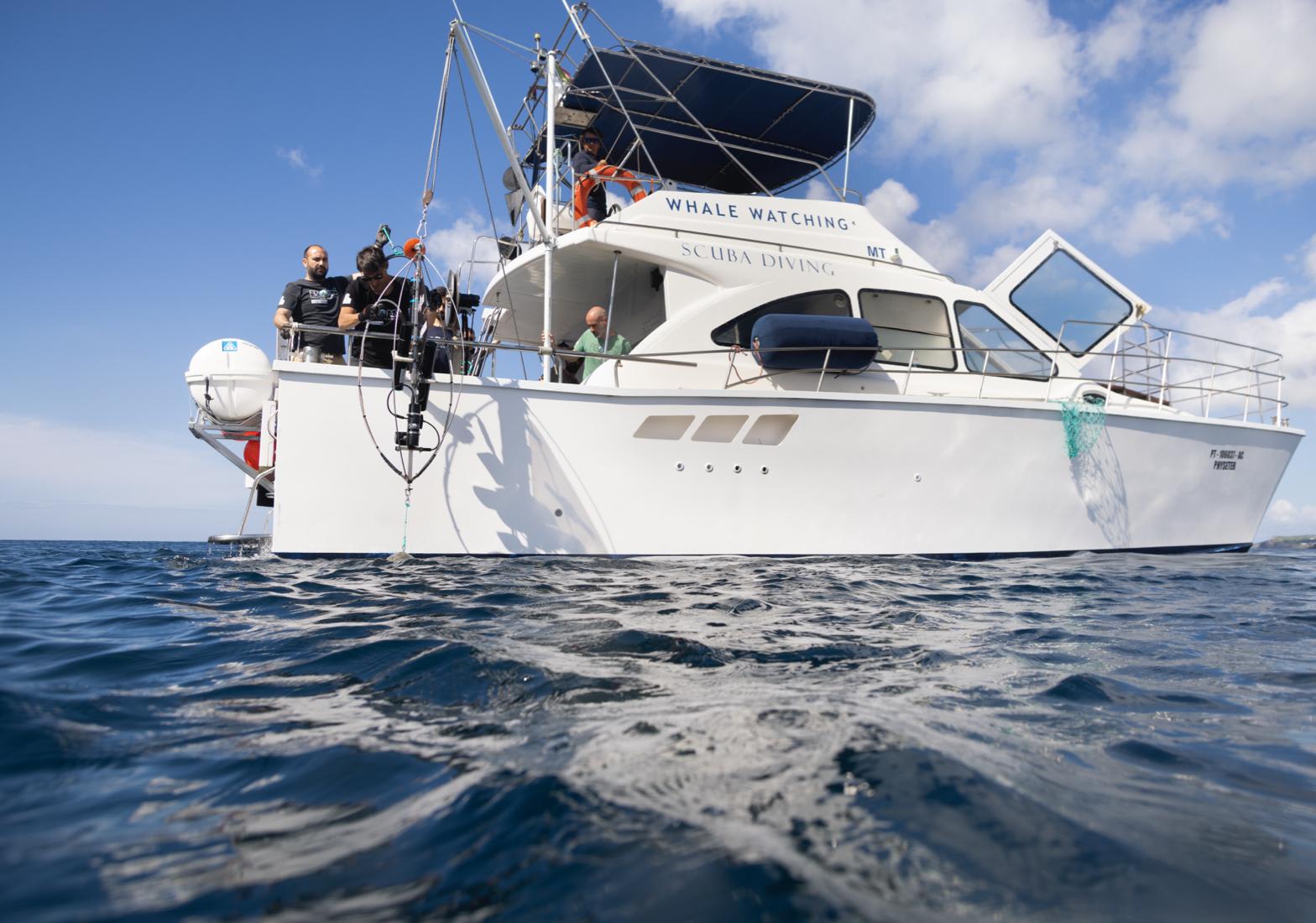
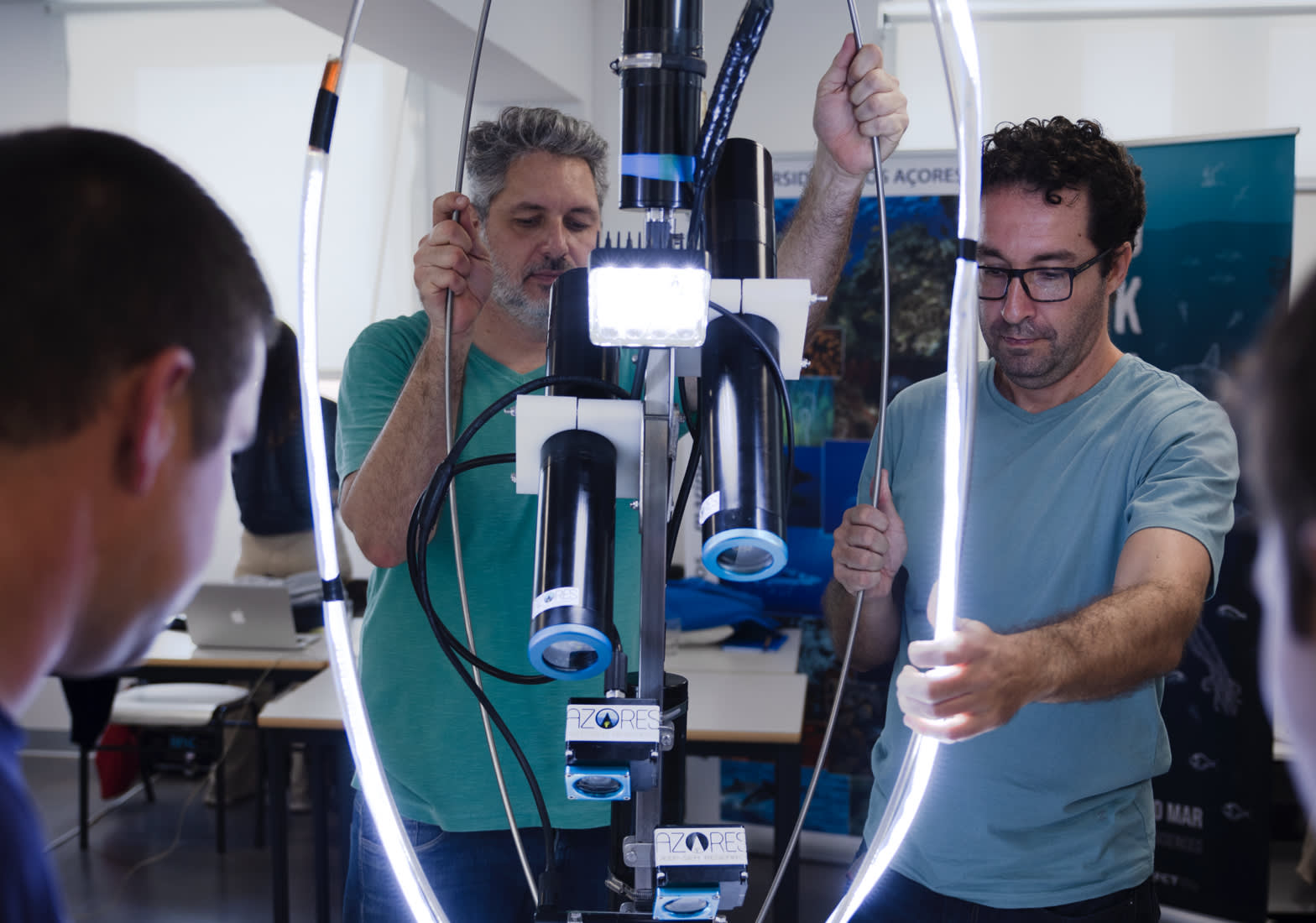
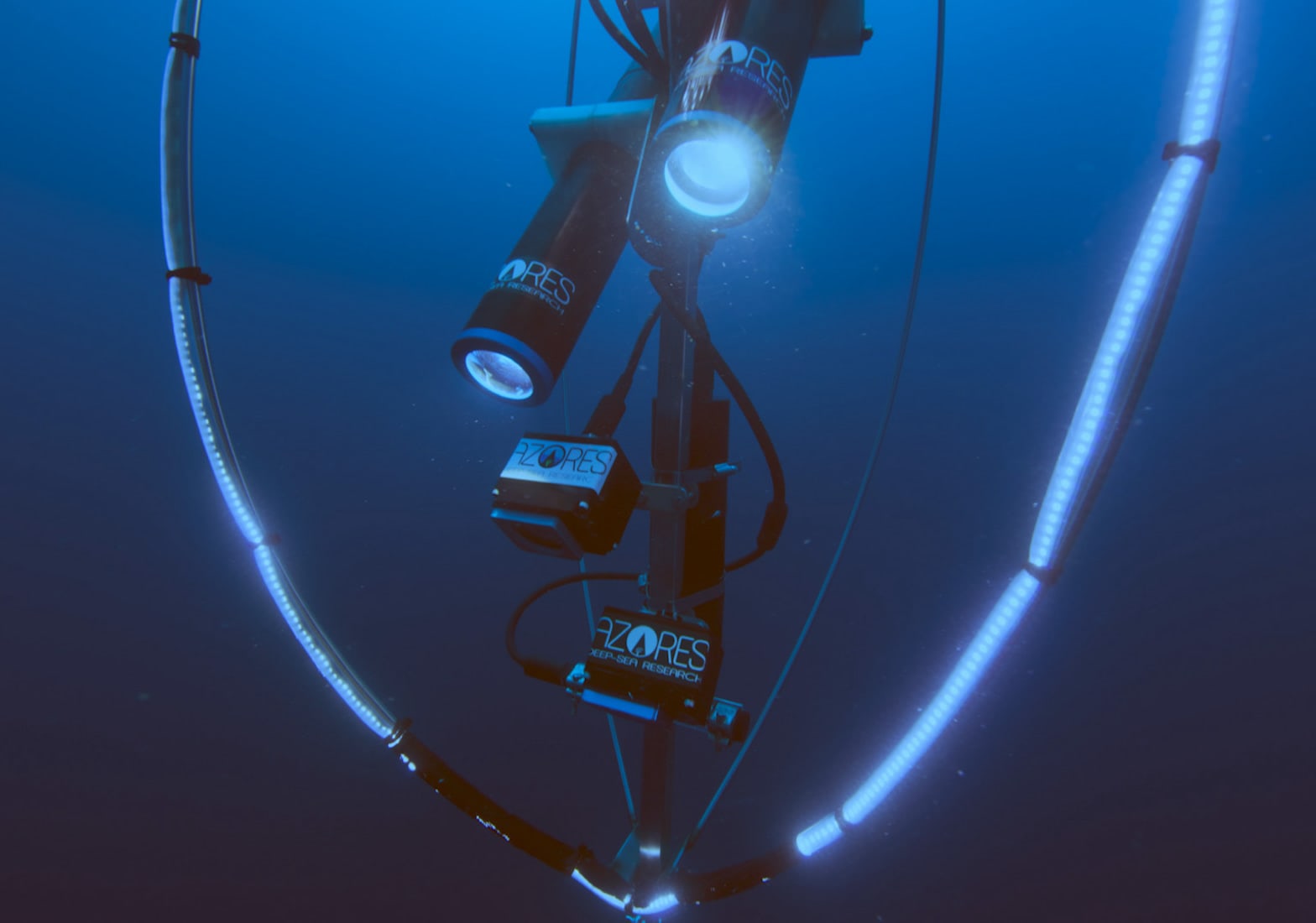
Consisting of two action cameras, powerful LED lights, a parallel laser system for scaling, together with depth and pressure sensors, the Azor drift-cam is designed to cover as much of the ocean floor as possible in each deployment while keeping operating costs as low as possible. It functions without an engine, drifting along the seabed, towed by a small vehicle, and with a steering wing to keep it facing forward.

The system components are all easily sourced and affordable, while its design is simple enough that no specialized knowledge is needed to assemble it. By enabling researchers with limited resources to explore the deep sea, Morato is on a mission to: “democratize deep-sea research. The development of the drift-cam has really changed the game.”
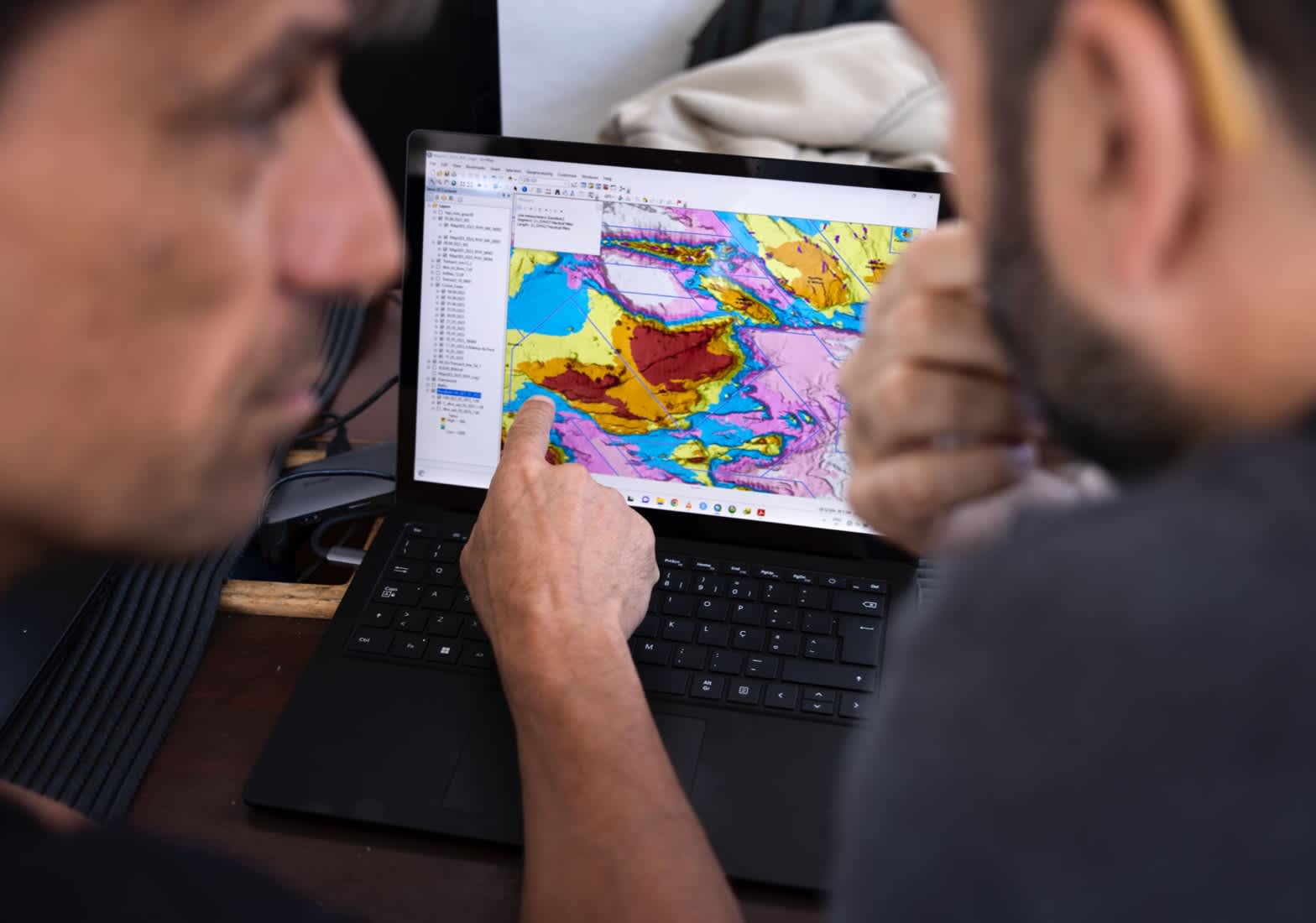
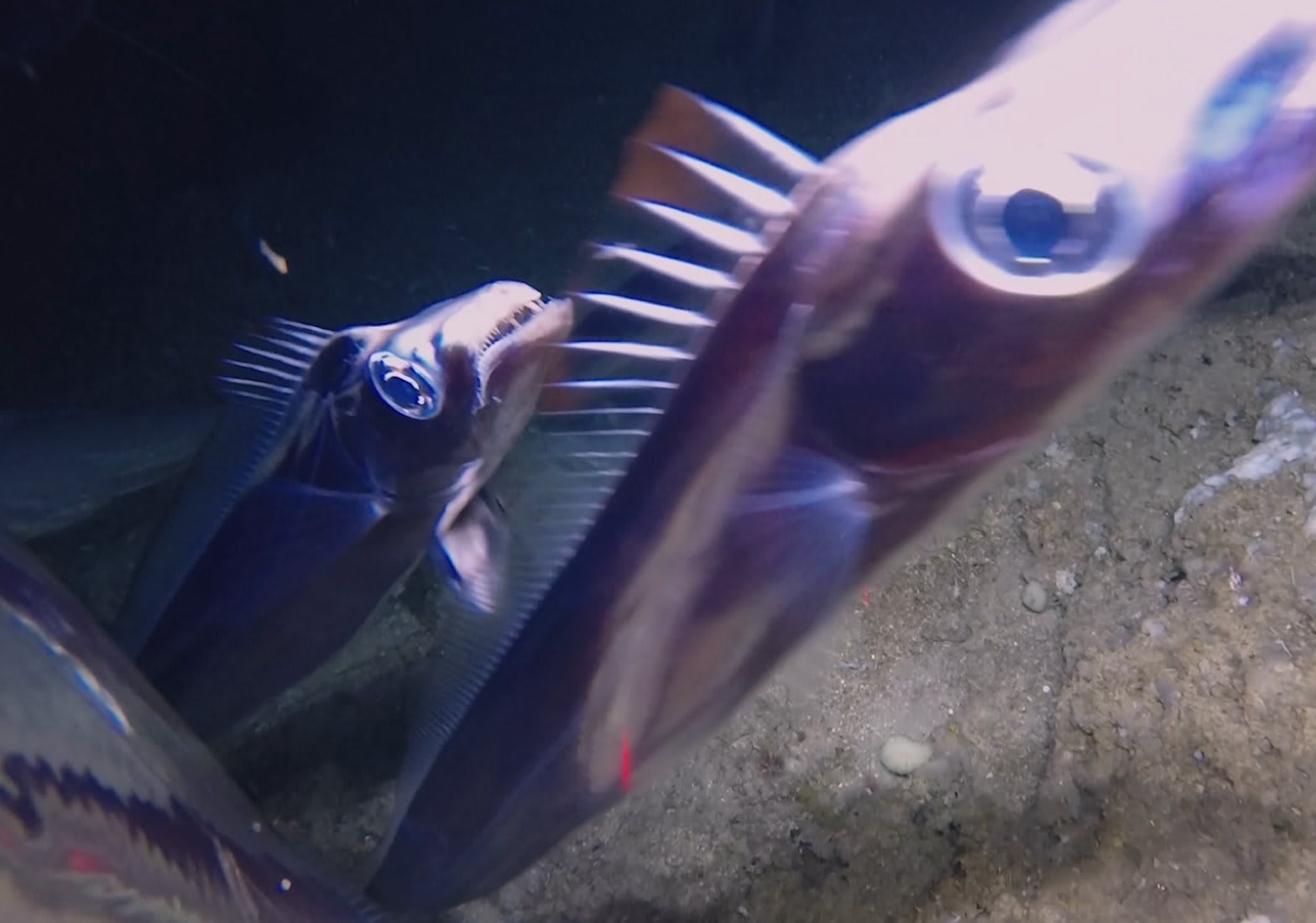
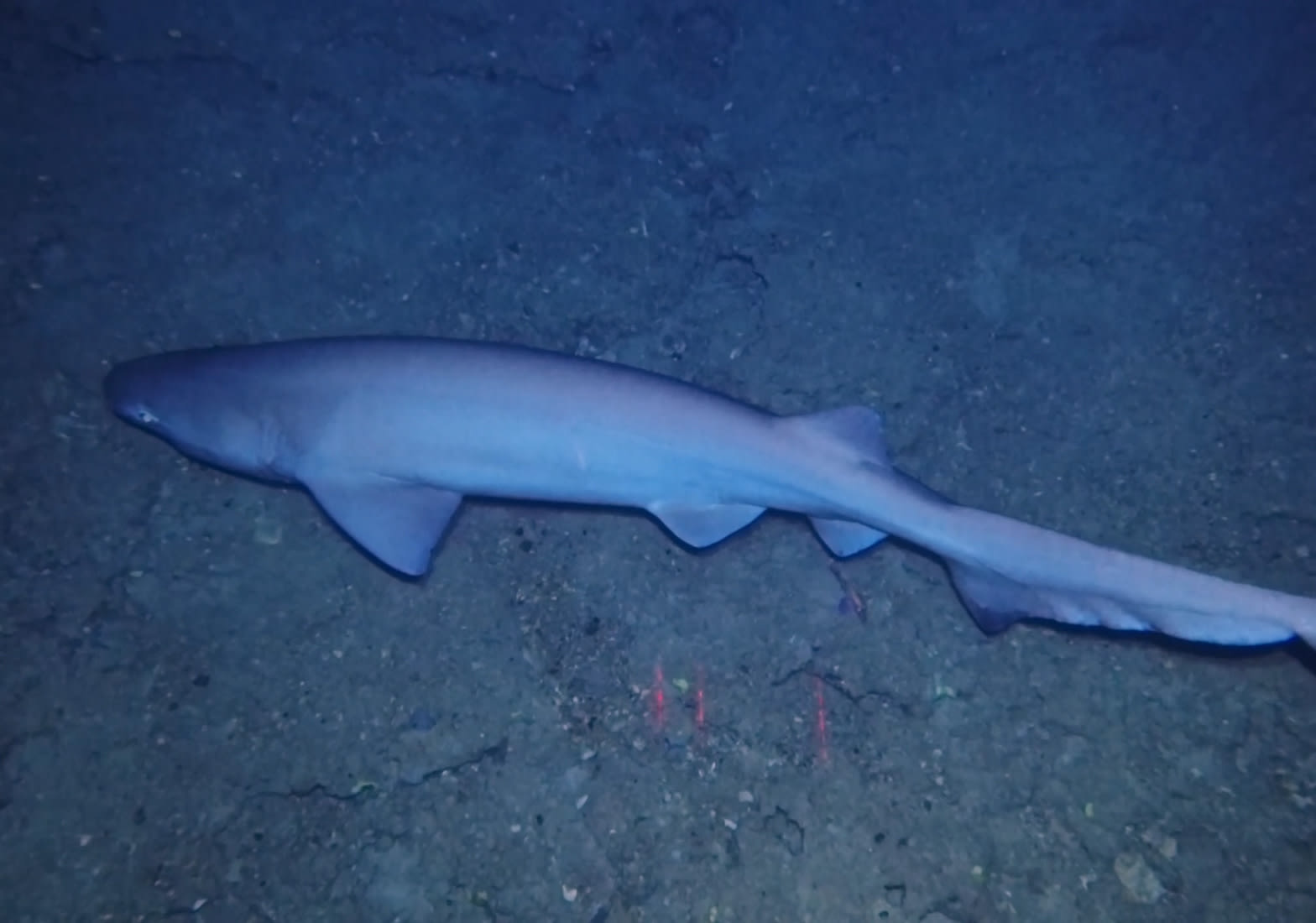
After more than 200 days at sea deploying the drift-cam, covering hundreds of kilometres of sea floor and capturing close to 1,000 hours of video footage, the ADSR team has reached its goal of exploring all the Azores’ seamounts down to a depth of 1,000 metres. With thousands of new records of deep-sea species, the scientists are armed with vital new information, which they are working to translate into data that can help shape future research and inform policies.

Key stakeholders are using the Azor drift-cam’s findings to help assess the diversity of the environment and define new, larger borders of the Azores Marine Park, the local network of Marine Protected Areas (MPAs). Currently, MPAs do not necessarily take into account the deep sea. The Azor drift-cam can help to provide crucial data for the decision making around new MPAs.
A member of the ADSR group, Carlos Dominguez-Carrió came to the Azores six years ago, after studying the deep sea in areas of the Mediterranean. “One of the things we’ve found when we go out to sea is that even if we have an idea of what we’re going to find, almost every time we put a camera underwater, something different shows up,” he explains. “It has always fascinated me, the possibility of going to places that no one has ever been, seeing environments no one has ever seen.”
For today’s marine explorers, there is nothing more critical than protecting the world’s oceans for future generations; and it is not just the Azores that will benefit from the Azor drift-cam’s findings.
Through open-source sharing, the instructions for building the drift-cam and hosting practical workshops for marine researchers, Morato and Dominguez-Carrió hope to expand deep-sea exploration globally.
“Even though it’s a very simple system, if you’ve never worked with this type of technology, it can be challenging,” explains Dominguez-Carrió. “By sharing our knowledge on how the system works, we aim to inspire researchers to build something similar and deploy it.”

Our dream is to see low-cost technologies similar to the Azor drift‑cam all over the world.
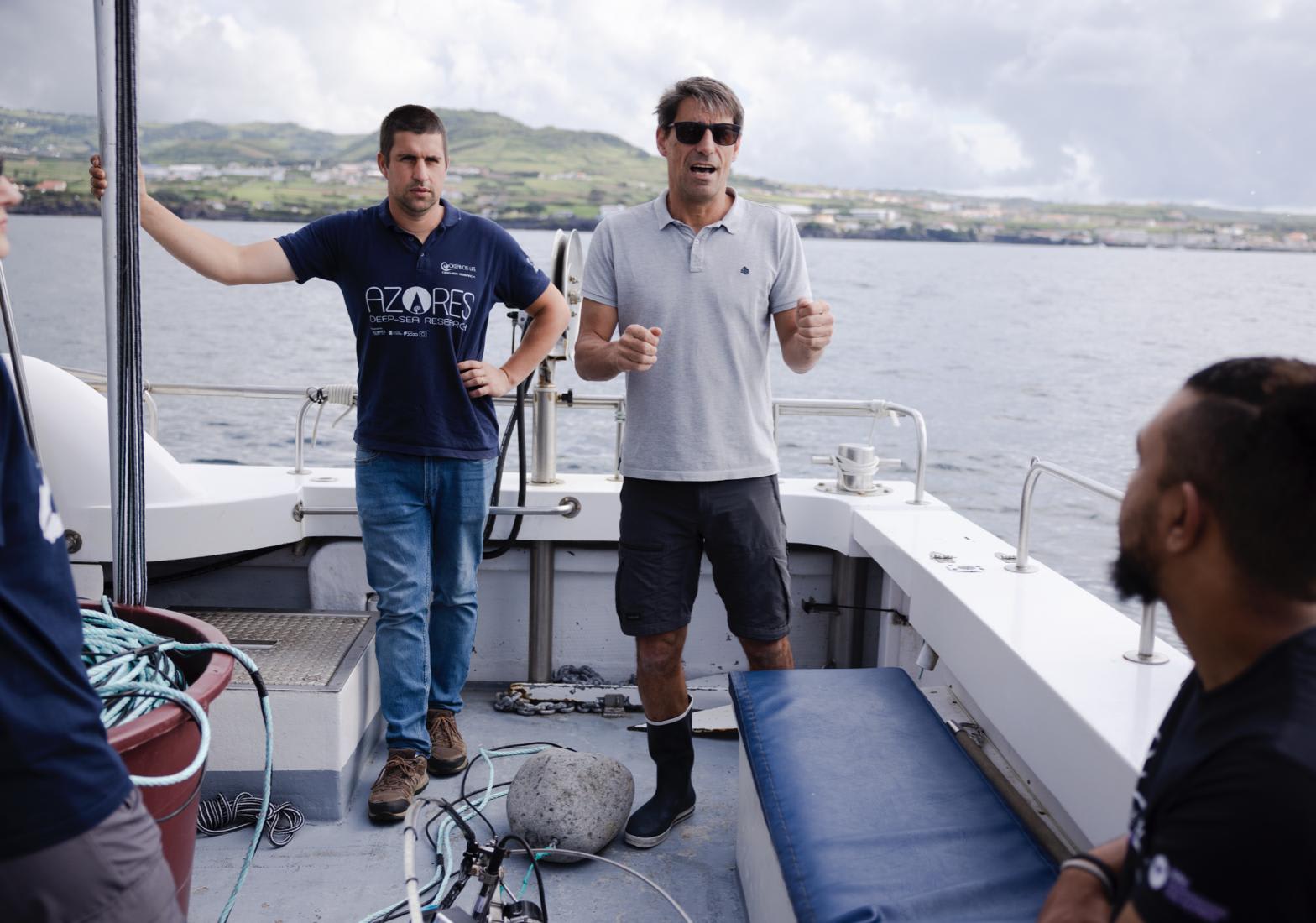
During the workshops, marine researchers are shown how to build a replica of the Azor drift-cam, before Morato and Dominguez-Carrió take them out to sea to collect images of the deep seabed and then guide them through processing and analyzing the video data.

Researchers can then take this knowledge home and use the Azor drift-cam to explore their own deep waters.
“When we share the drift-cam design, we want people to take it on and improve it, so we can keep making it better through collaboration with other researchers that share an interest in exploring the deep sea,” explains Dominguez-Carrió.
With ROV surveys costing tens of thousands of euros a day, only around 30 of the world’s countries have the resources to conduct expensive deep-sea research.

Morato and Dominguez-Carrió’s goal is to roll out the low-cost technology across the globe, revolutionizing deep-sea research in under-studied parts of the ocean. This data can then be presented to international decision-makers, helping to protect our oceans for future generations.
“Our dream is to see low-cost technologies similar to the Azor drift-cam all over the world,” says Morato. “There are so many places that are similar to the Azores. Think of all the islands in the Caribbean, the Pacific, or the South Atlantic that could use this technology to explore their own waters.”