Shortcuts

An island of hope
Mission Blue
Published in
Sandra Bessudo has dedicated her life to the wild waters of Malpelo Island. Today, with the support of the Rolex Perpetual Planet Initiative and Mission Blue, Bessudo is working tirelessly to help improve and expand the marine protection around Malpelo to preserve its breathtaking biodiversity.
All episodes
Malpelo Island Hope Spot: Episode 1 – 2023
An ocean oasis
Malpelo Island Hope Spot: Episode 2 – 2023
Conservation in numbers


An ocean oasis
On the surface, Malpelo Island appears to be a barren volcanic rock jutting out of the ocean hundreds of kilometres off the coast of Colombia. Looking closer, however, one may see that it is an environment teeming with life. Whale sharks, groupers and hawksbill turtles swim through the waters surrounding the underwater mountain, known as a seamount. Endemic reptiles run across cliff edges and rare species of birds swoop above. Sandra Bessudo was one of the first divers to explore Malpelo’s waters in 1987, and she instantly fell in love. “It was incredible to see a school of hammerhead sharks,” she recalls, “you can’t see all these animals in a lot of places.” She was captivated. “It’s an oasis in the middle of the ocean.”

Bessudo quickly realized that without action Malpelo’s biodiversity could be lost to the threats posed by fisheries. So she got to work. First, she collected signatures from Malpelo’s visitors to ask the government to formally protect the seamount’s waters. After a lucky encounter with the then president of Colombia during a dive in the Caribbean, she persuaded him of the need to turn it into a reserve. “He asked me to go with him to Malpelo and I said, ‘President, we have to protect this area.’ and we gave him all the signatures.” Not long after, Malpelo was officially declared a Fauna and Flora Sanctuary as part of the country’s National Parks.


Bessudo continued to work with different groups to help enforce the protections and raise awareness of the seamount’s extraordinary ecosystem. In 2000, she established the Malpelo Foundation to strengthen these activities, which eventually led to the seamount becoming a UNESCO World Heritage Site. “At the beginning no one knew about Malpelo,” says Bessudo, “now Malpelo is very important for Colombia and for the government.”
At the beginning no one knew about Malpelo. Now Malpelo is very important for Colombia and for the government.

Ten years later, she met legendary oceanographer and Rolex Testimonee Sylvia Earle. When the latter explained her vision of a global network of protected “Hope Spots”, Bessudo knew her beloved Malpelo Island was the perfect candidate. Hope Spots are ecologically important areas of the oceans considered vital to the preservation of species or places where communities rely on a healthy marine environment to survive.

Conservation in numbers
Today, Bessudo is the Malpelo Island Hope Spot Champion for Mission Blue. Through her continued efforts and the work of other conservationists, in 2022 Colombia expanded the Malpelo Sanctuary of Fauna and Flora to 47,000 square kilometres. This helped the country become the first to reach the UN biodiversity framework target of protecting 30 per cent of Earth’s land and oceans by 2030.
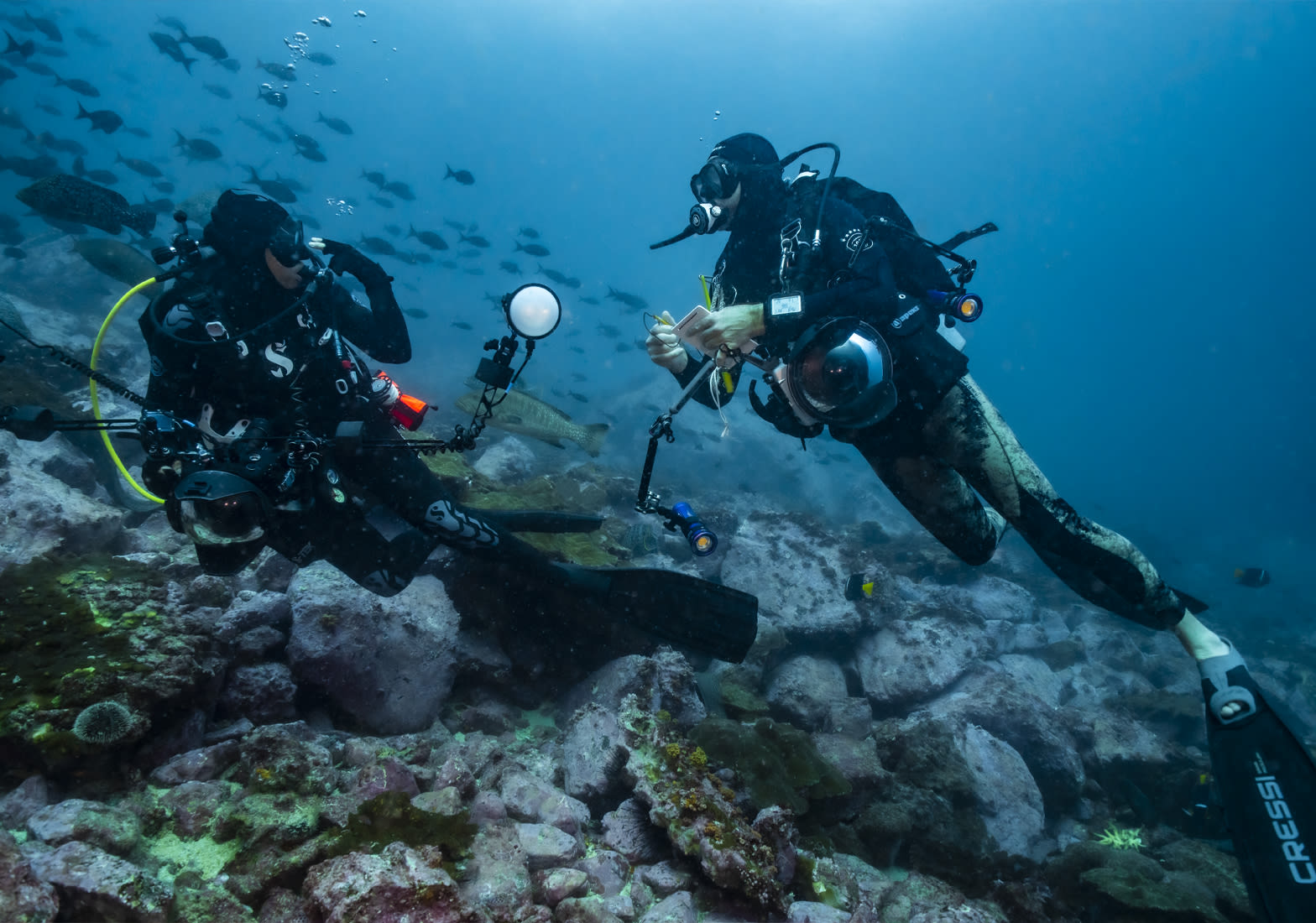
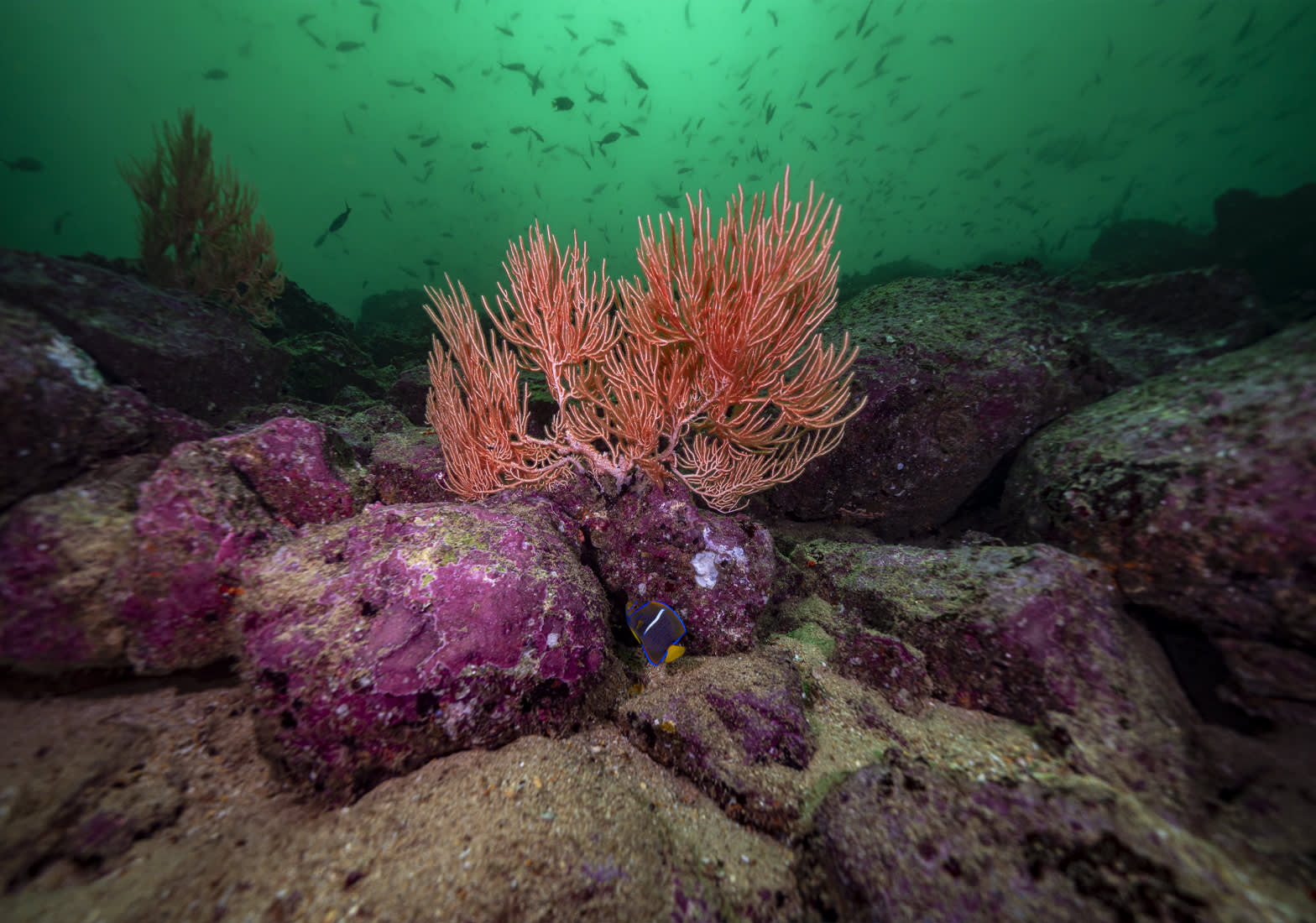
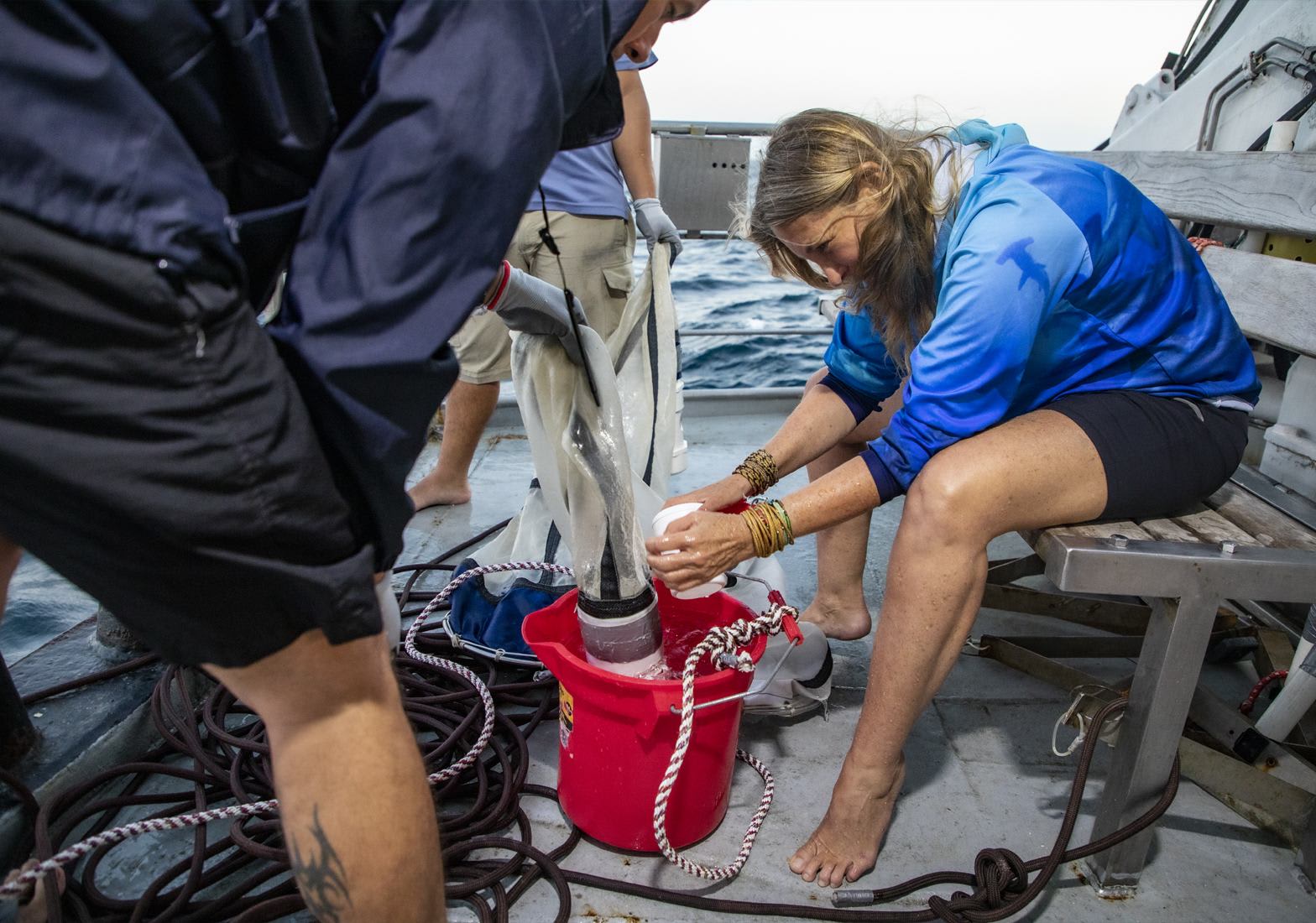
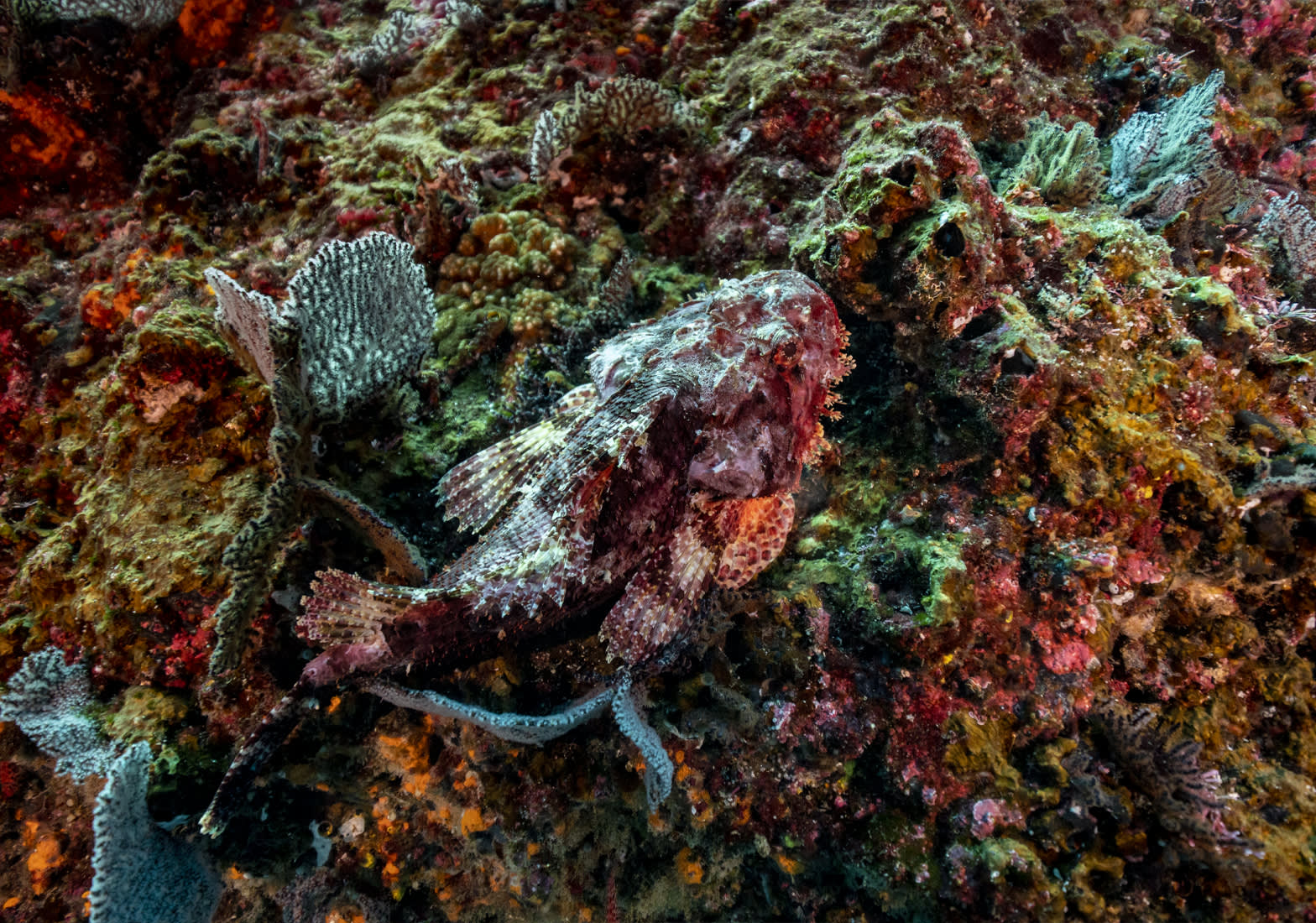
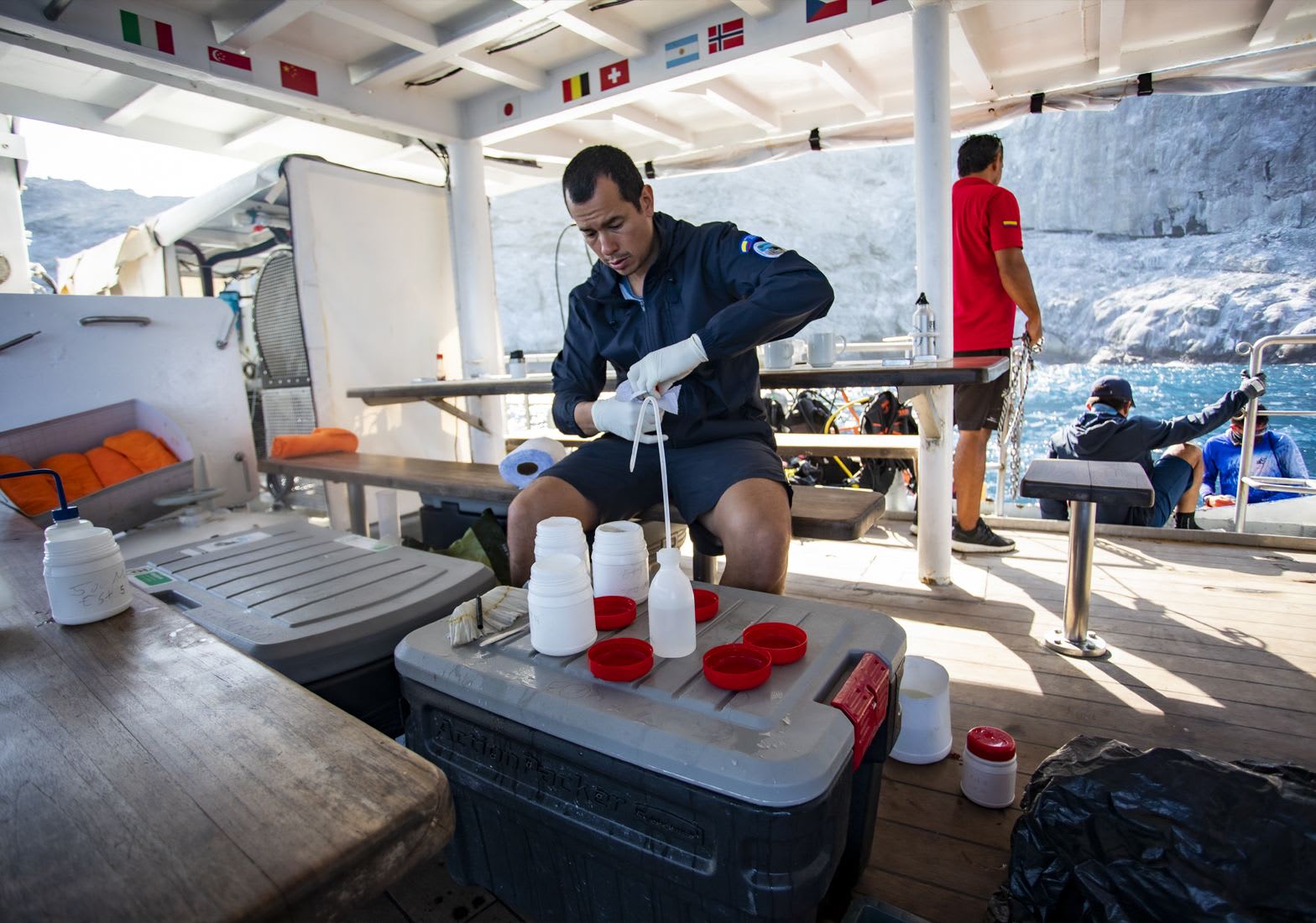
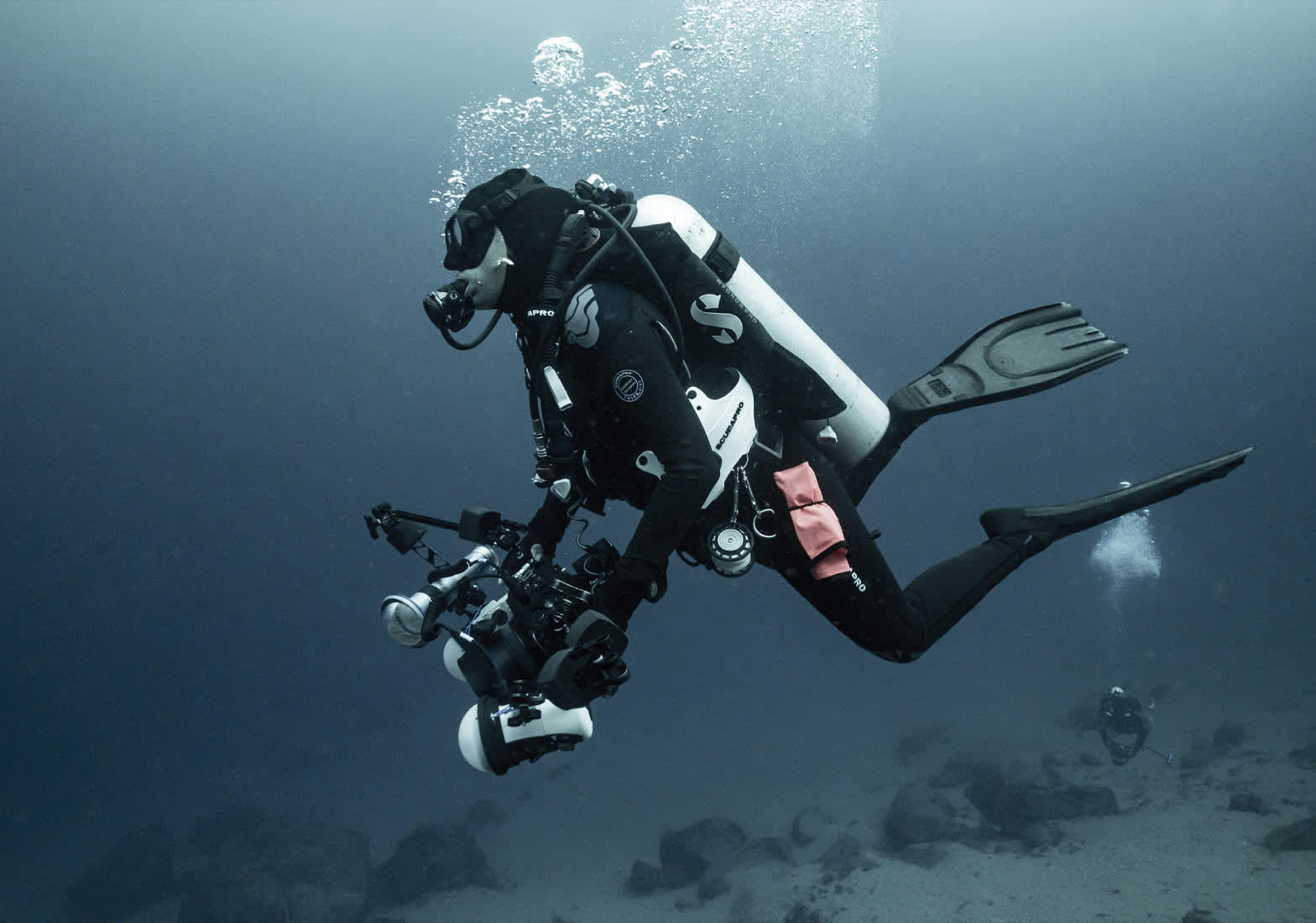
To protect and champion her Hope Spot, Bessudo runs two expeditions a year to monitor and study the region. Scientists with a range of expertise, from corals to oceanography, sail with Bessudo for 36 hours to reach Malpelo. After making their way through choppy waters, arriving at the seamount is a special experience. “Malpelo only accepts one boat at a time, be it a scientific research vessel or a tour boat, and no more than 18 divers.” she explains, “When you get there you feel like you are alone and the place is only for you.” With Malpelo to themselves, the teams dive and run underwater video systems to collect data about species’ numbers, distribution and health. They also take samples of zooplankton to better understand the quality and health of the water and ecosystem. With 20 years of expeditions under her belt, Bessudo and the scientists she invites can provide Colombia’s government with a wealth of critical information about marine life and its conservation in the area.
Malpelo only accepts one boat at a time, be it a scientific research vessel or a tour boat, and no more than 18 divers.

Malpelo Island’s protection is helping many populations to grow, but on her expeditions Bessudo has discovered some of the apex predator species are still struggling. As they migrate between islands and across the ocean, they travel through unprotected waters that are more likely to be subject to unsustainable or illegal fishing practices. To mitigate this, in 2021, Ecuador, Panama, Colombia and Costa Rica began joining protected waters with protected corridors known as “swimways”, but both Mission Blue and Bessudo are calling for more. Together with neighbouring Mission Blue Hope Spot Champions, Bessudo is working to establish additional protected corridors between reserves in the region. “Sharks go to Malpelo but they also go to Cocos Island, then to Galapagos and return to Malpelo.” Bessudo says, “They go to the land near the Pacific north coast of Colombia to give birth.”

By providing protected swimways to move through, Bessudo hopes that shark numbers can increase, benefitting all the ocean ecosystems they interact with. Through her long-time commitment, her collaboration with Mission Blue, and the support of the Rolex Perpetual Planet Initiative, she is turning this hope into reality and protecting her beloved Malpelo Island.
Launched in 2009, Mission Blue’s aim is to create a global network of Hope Spots, which are ecologically important areas of the oceans considered vital to the preservation of species, or places where communities rely on a healthy marine environment to survive. So far, Mission Blue has created more than 160 Hope Spots around the world. Key to the programme is the empowerment of local people to make change.