Shortcuts

Uncharted waters
Mission Blue
Published in
Australia’s Ningaloo Coast teems with marine life, but its survival depends on the biodiverse Exmouth Gulf nearby. With support from the Rolex Perpetual Planet Initiative, Mission Blue Hope Spot Champion Ben Fitzpatrick is working to show how connected and complementary the two ecosystems are and to protect them as one.
Where desert meets the sea
On the remote north-western tip of Australia, arid land turns to white sands, which fall away into clear, turquoise waters. Just beneath the surface is one of the planet’s largest fringing coral reefs, growing in the shallow waters that lap the shore. A UNESCO World Heritage Site, Ningaloo Coast stretches across hundreds of kilometres and is subject to the high levels of protection that preserve its exceptional beauty and remarkable marine life. It may be most famous for the whale sharks that visit the coast each year, but Ningaloo’s coral reef is also home to hundreds of species of corals and tropical fish, nesting turtles, manta rays, molluscs, sponges and seagrasses.

When Ben Fitzpatrick was a child, his grandfather would visit Ningaloo Coast and bring back stories about the extraordinary animals he had seen, from enigmatic dugongs to spawning corals. These stories of the wondrous biodiversity totally captured Fitzpatrick’s imagination and even then he knew that caring for the coast would be his life’s mission. After studying to become a marine scientist, he founded his conservation organization, Oceanwise Australia, and began his decades-long fight to protect the coast from industrial development. With support from Rolex’s Perpetual Planet Initiative partner Mission Blue – founded by legendary oceanographer Sylvia Earle – Fitzpatrick’s work has contributed to Ningaloo Reef remaining a site of global ecological importance and a thriving area for ecotourism.

A nursery for whales and turtles
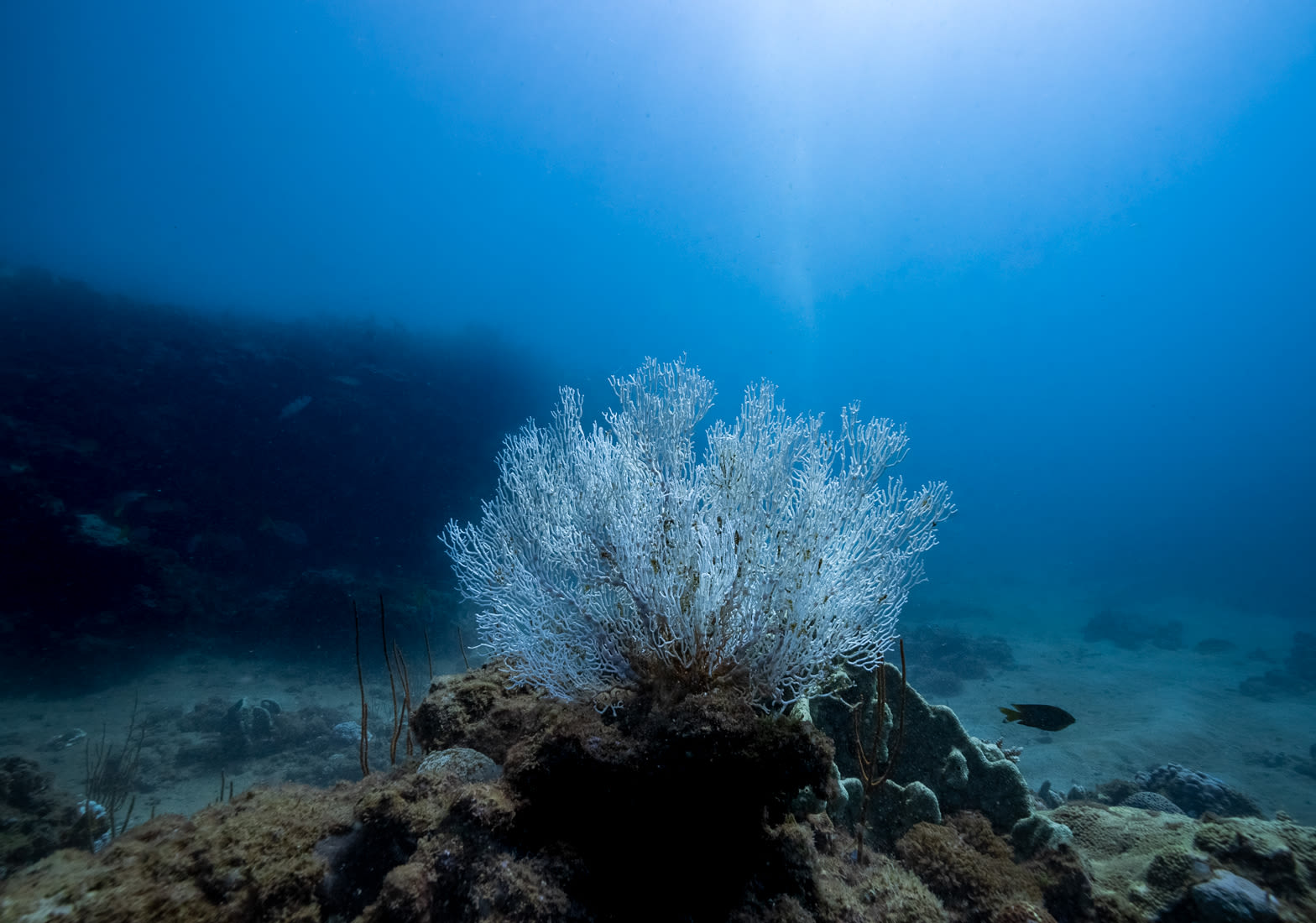
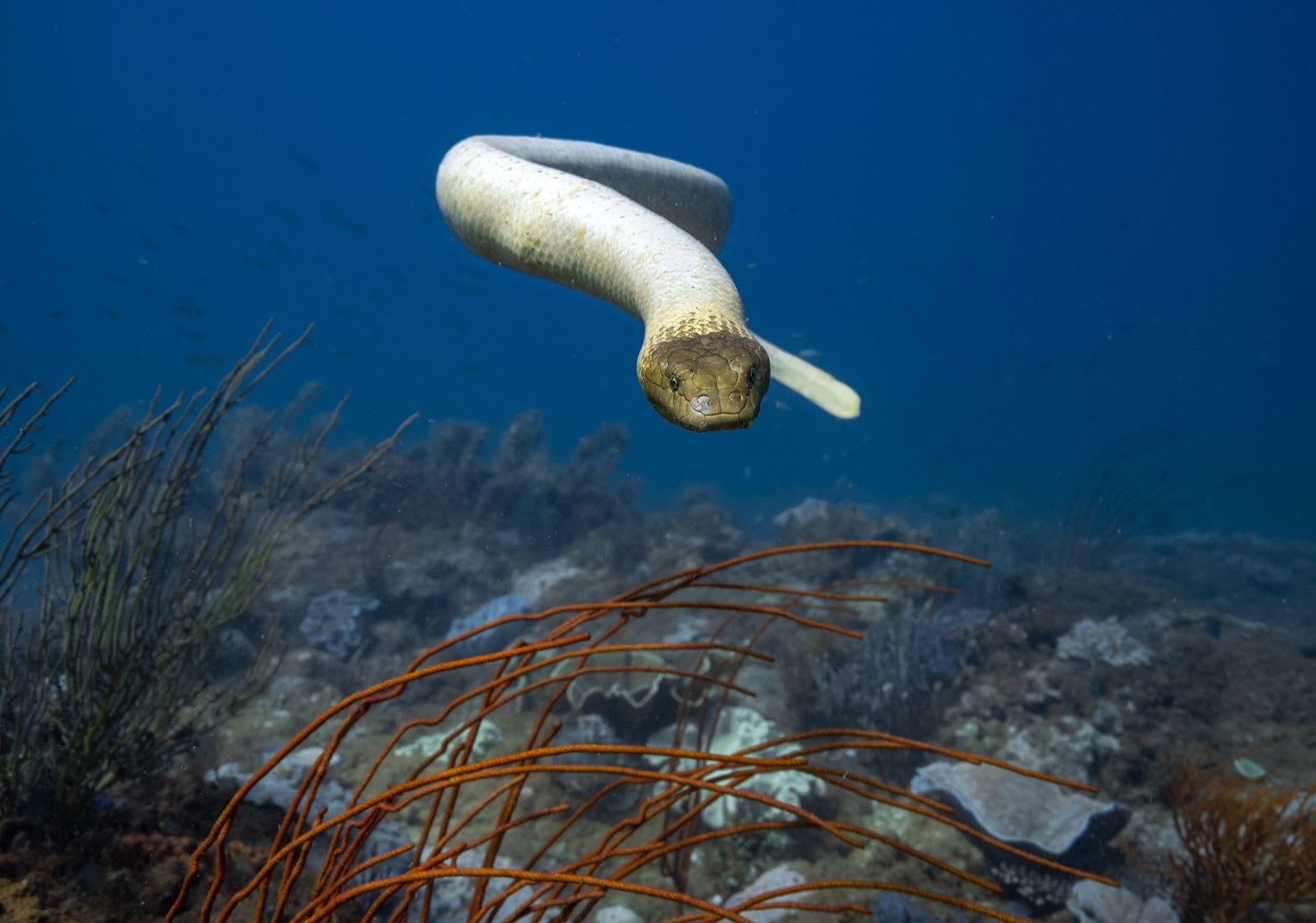
Lying just around the corner of the peninsula is an area crucial to the success of Ningaloo Coast. Exmouth Gulf may be less known, but it has an extraordinary diversity of habitats: from unique arid-zone mangrove ecosystems to nutrient-rich salt flats, seagrass beds, filter feeding sponge and soft coral communities, coral reefs, fossilized reefs and even unique subterranean cave ecosystems.
“Most of the time the gulf is pretty rough,” Fitzpatrick explains, “it’s often quite murky and inaccessible, so people don’t realize that below the surface is one of the most incredible marine ecosystems on the planet.”

The array of different environments supports an even greater number of species than Ningaloo Reef. Many creatures found on Ningaloo also migrate into the gulf to feed, breed and shelter such as dugongs, turtles and manta rays. Marine molluscs known as nudibranchs fill the waters with their extraordinary shapes and colours, while the world’s largest population of dugongs graze the seagrasses, leaving plumes of sand behind them. The salt flats host vast spans of cyanobacterial algal mats that produce nutrients which feed into the gulf through countless mangrove creeks, creating perfect nurseries for a plethora of marine fauna.
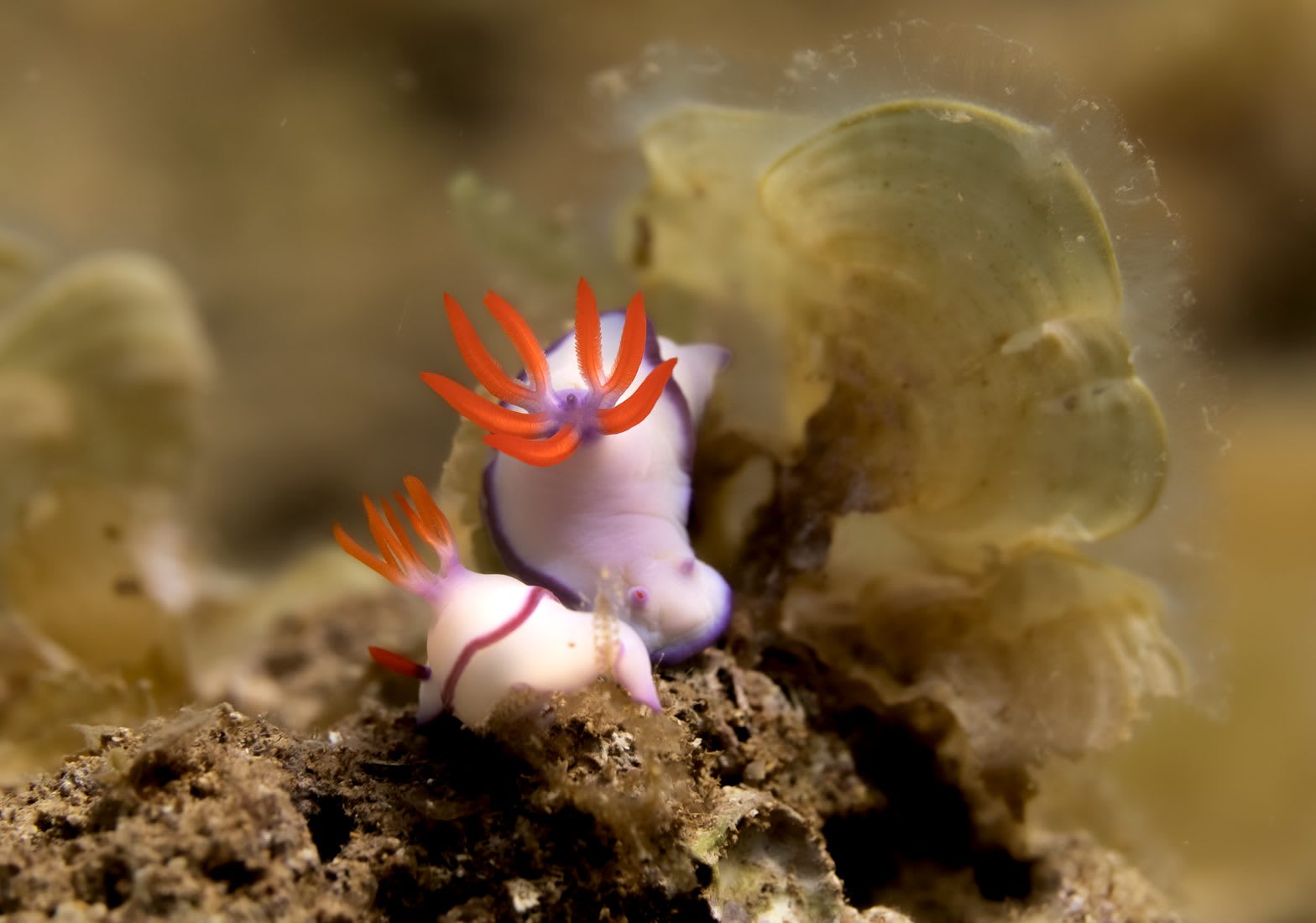
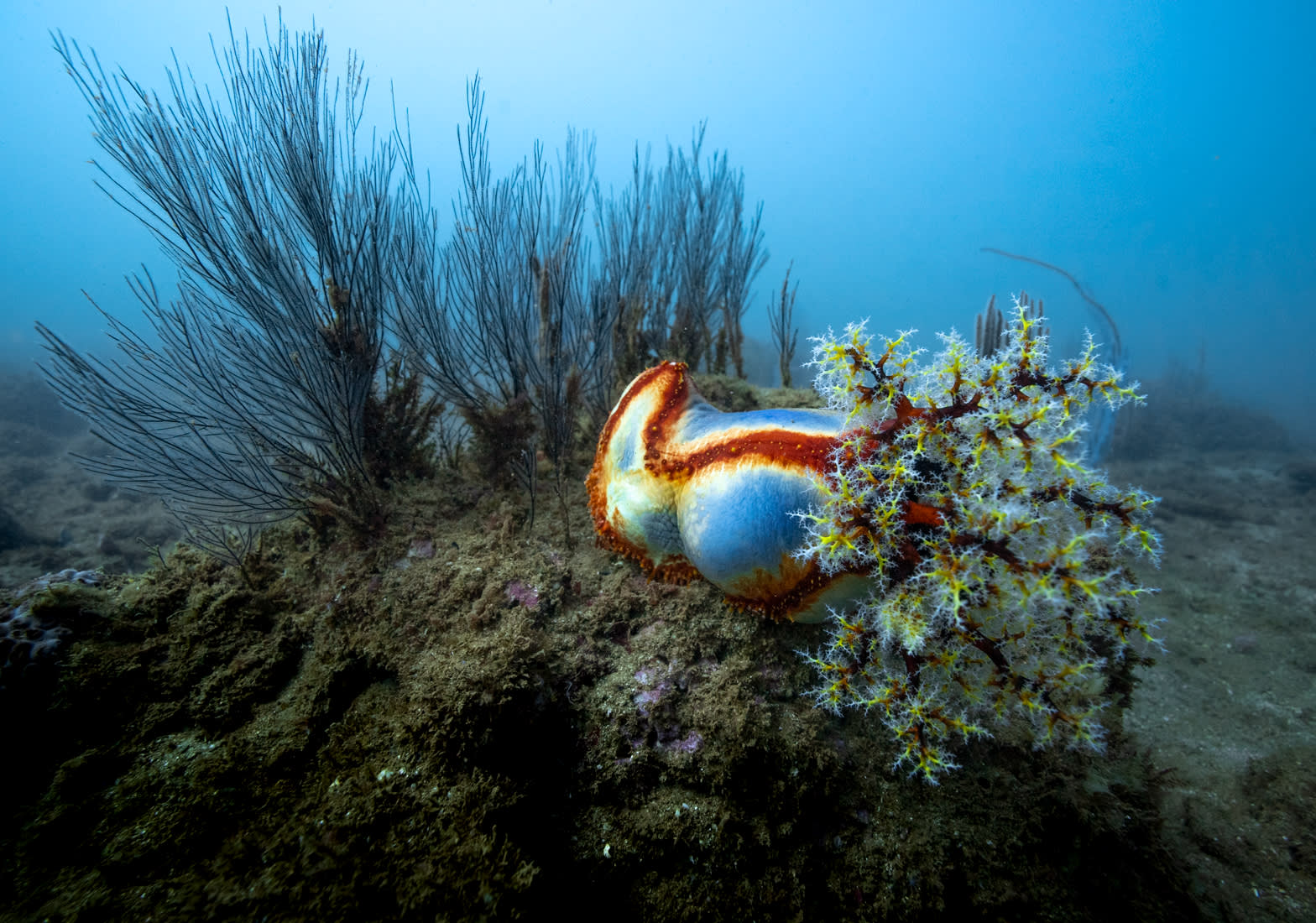
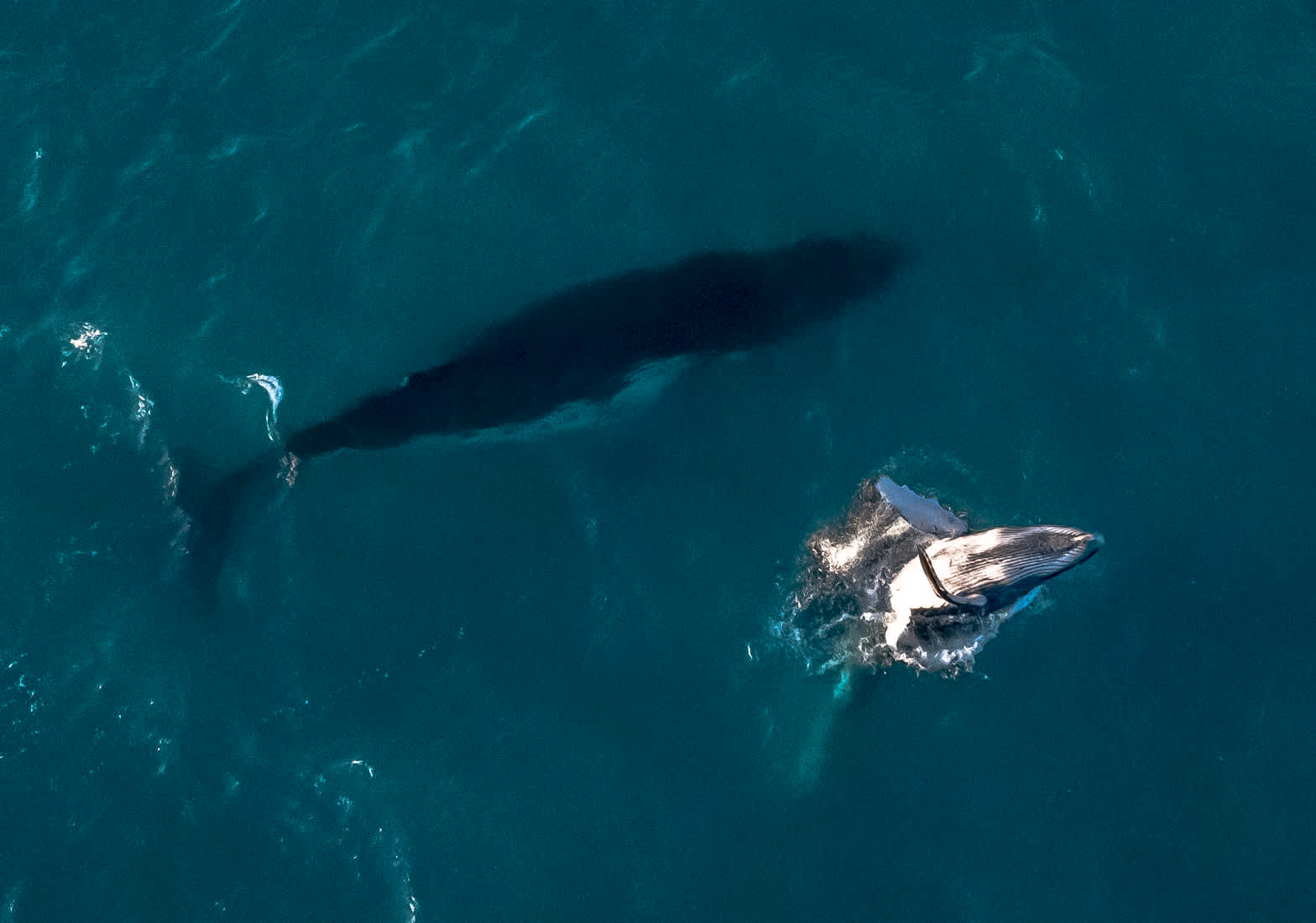
On the shoreline, eastern curlews prepare for their annual migration north to Siberia, while in the deeper waters, thousands of humpback whales rest and raise their calves before continuing their journey south to Antarctica. “You get out there and you can see humpback whales as far as the horizon. It’s actually quite difficult not to see them,” says Fitzpatrick. Without the highly productive ecosystems of Exmouth Gulf, many of the animals you encounter regularly on the Ningaloo Coast could not thrive as they do today.
Despite its significance to Ningaloo and beyond, Exmouth Gulf has historically received far less attention and has long been threatened by industrialization. Understanding the importance of these astounding areas and their interconnectivity, in 2019, Fitzpatrick applied for Exmouth Gulf and Ningaloo Coast to become a Mission Blue Hope Spot. As a Hope Spot Champion, he is tireless in his efforts to bolster protection for Exmouth Gulf and gain recognition of its crucial links to Ningaloo Coast.

Saving an ecosystem
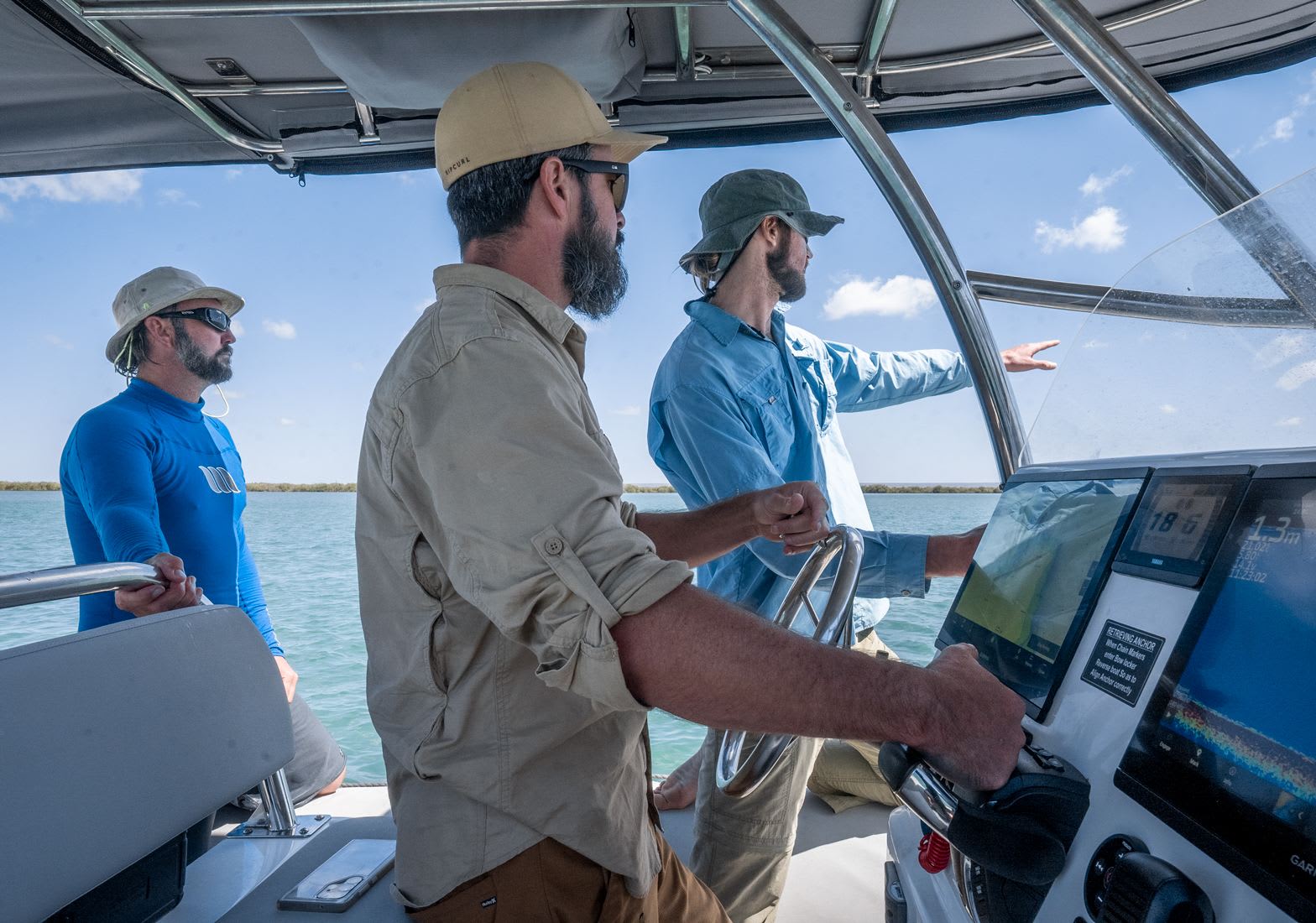
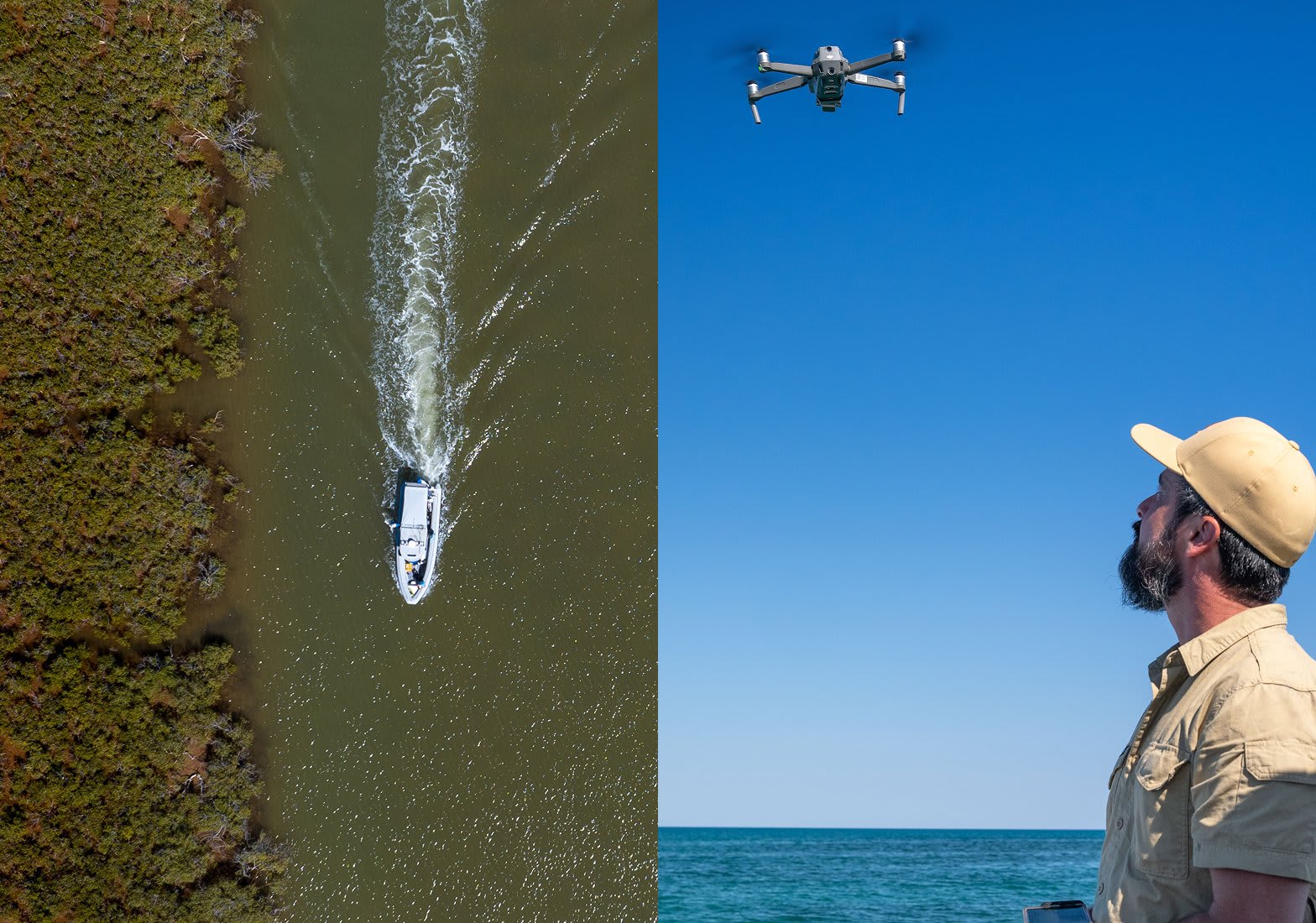
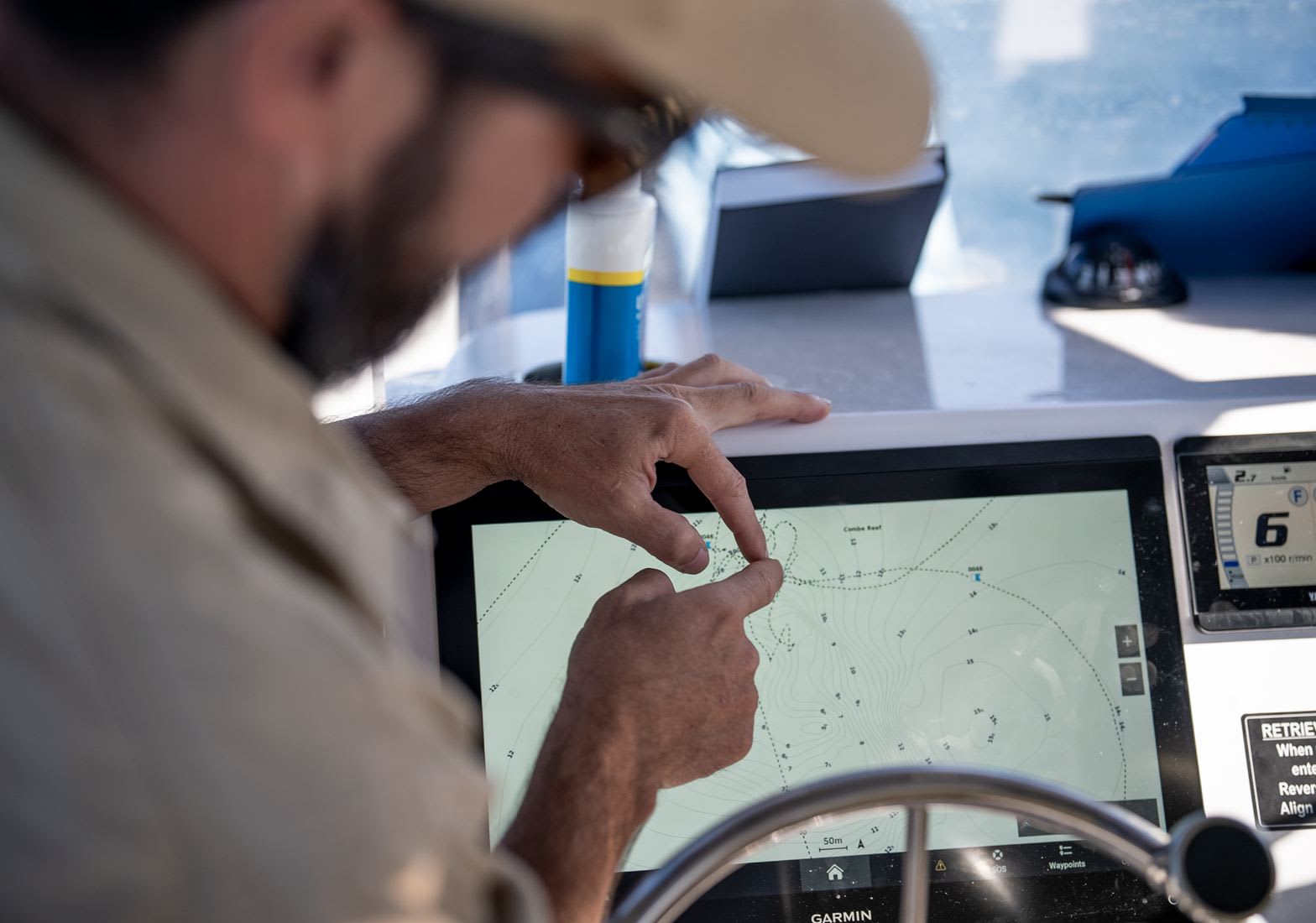
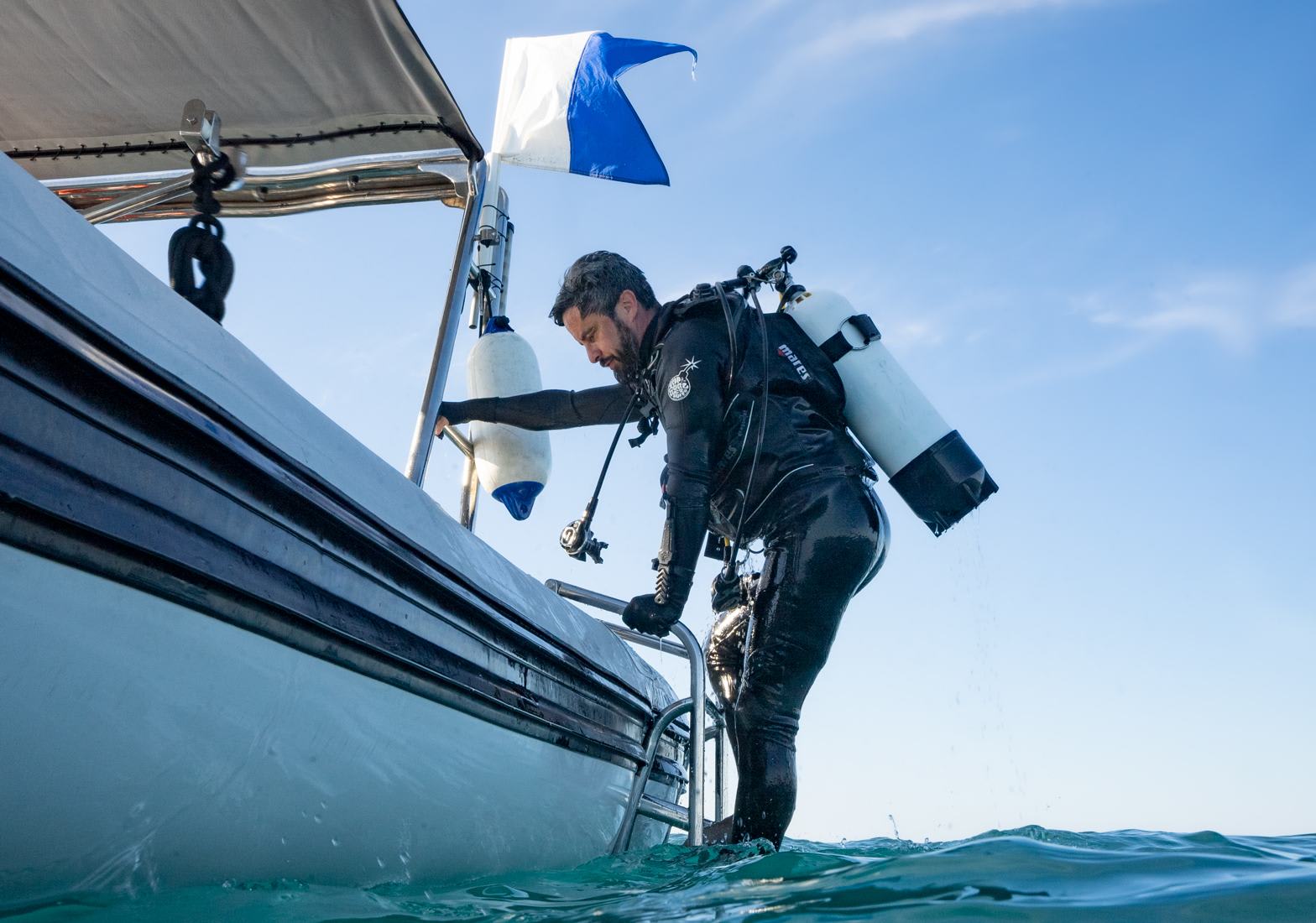
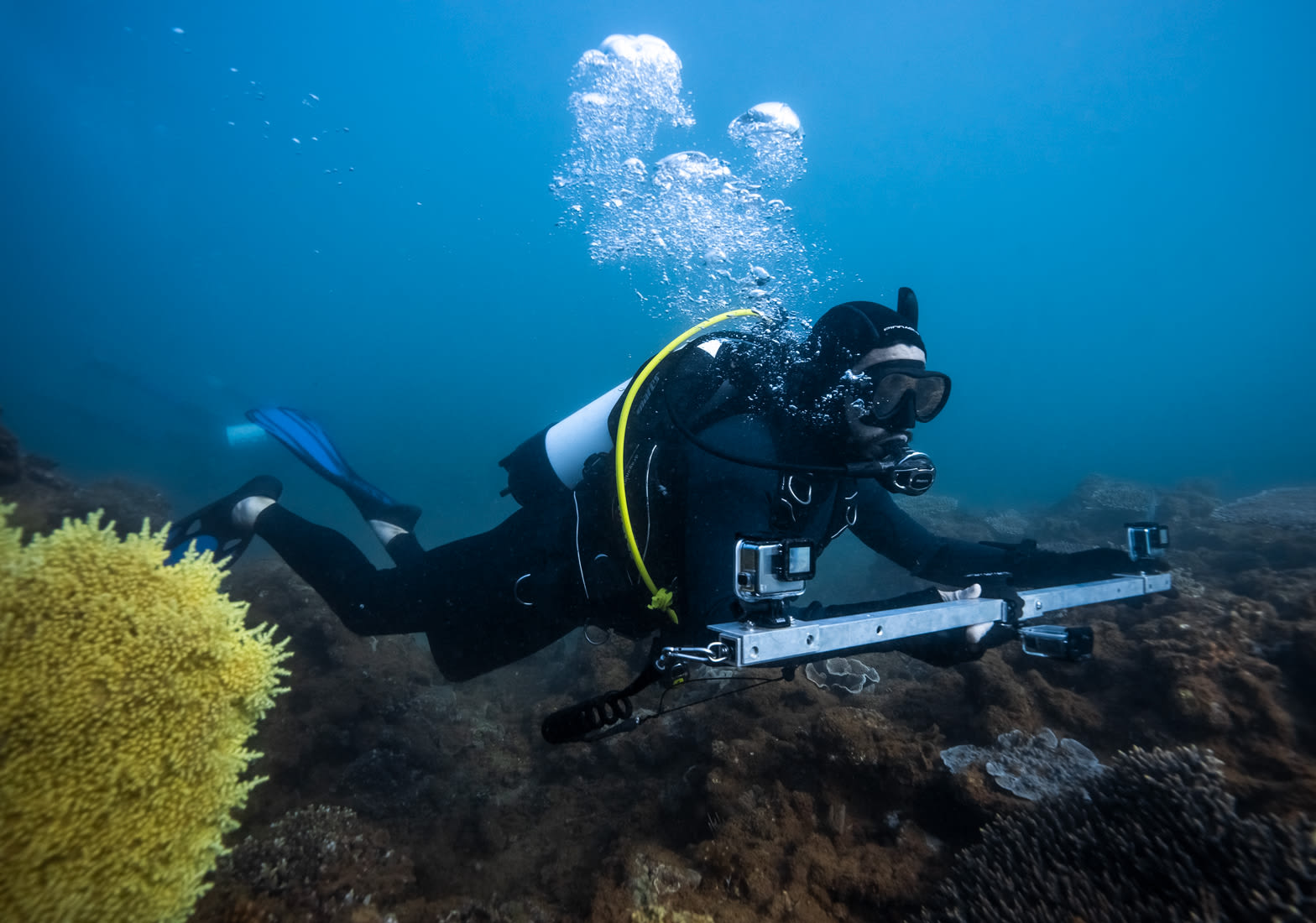
To help establish better protection and ensure that any future development in Exmouth Gulf do not harm the ecosystems and wildlife, Fitzpatrick and his Oceanwise Australia team have recently undertaken a scientific expedition to survey some of the more remote areas of the gulf, many parts of which are still largely unmapped and undiscovered. Using sonar, the team has undertaken side-scan surveys of isolated shoals and submerged reefs. It has also performed photographic surveys at particular points and counted marine species. Above the water, Fitzpatrick and the team fly drones to map habitats and count the larger marine fauna making use of the gulf. The team hopes its findings will prove to the world how significant the Exmouth Gulf ecosystem really is, and why the health of Ningaloo Coast depends on it.

In 2021, the Government of West Australia made a commitment to establish a marine park in the eastern and southern portions of the gulf. Working with Mission Blue as a Hope Spot Champion, Fitzpatrick is optimistic that Exmouth Gulf will be a place that can serve as an example of what can be achieved in other pristine areas around the planet deserving of protection. “It provides a lot of hope,” he says, “particularly in the context of climate change, when there’s a lot of gloom and doom. It’s really nice to celebrate the positives and have some wins.”
By revealing the natural beauty of Exmouth Gulf as advocates for its protection, Fitzpatrick and his team are helping to preserve a region where people can experience wildlife and connect with the natural environment in a way that supports local communities. In the future, they believe that highlighting this area’s global significance for the planet’s biodiversity will inspire people and help expand marine protected areas.
Launched in 2009, Mission Blue’s aim is to create a global network of Hope Spots, which are ecologically important areas of the oceans considered vital to the preservation of species, or places where communities rely on a healthy marine environment to survive. So far, Mission Blue has created more than 160 Hope Spots around the world. Key to the programme is the empowerment of local people to make change.