Shortcuts

Towering forests of black coral
Under The Pole
Published in
Through its Perpetual Planet Initiative, Rolex supports Under The Pole’s DEEPLIFE expeditions, studying marine animal forests from the poles to the tropics. Their second mission, to the Canary Islands, explored the region’s pristine forests of towering black coral.

Diving for discovery
Beyond the rocky shorelines of the Canary Islands lies a mysterious underwater world, filled with life. Scientists have studied much of the coastlines’ upper reaches in detail, but the depths remained frustratingly out of reach. Deep diving experts Emmanuelle Périé-Bardout and Ghislain Bardout set out to explore this environment for the first time. “Where we go, nobody goes,” says the former.
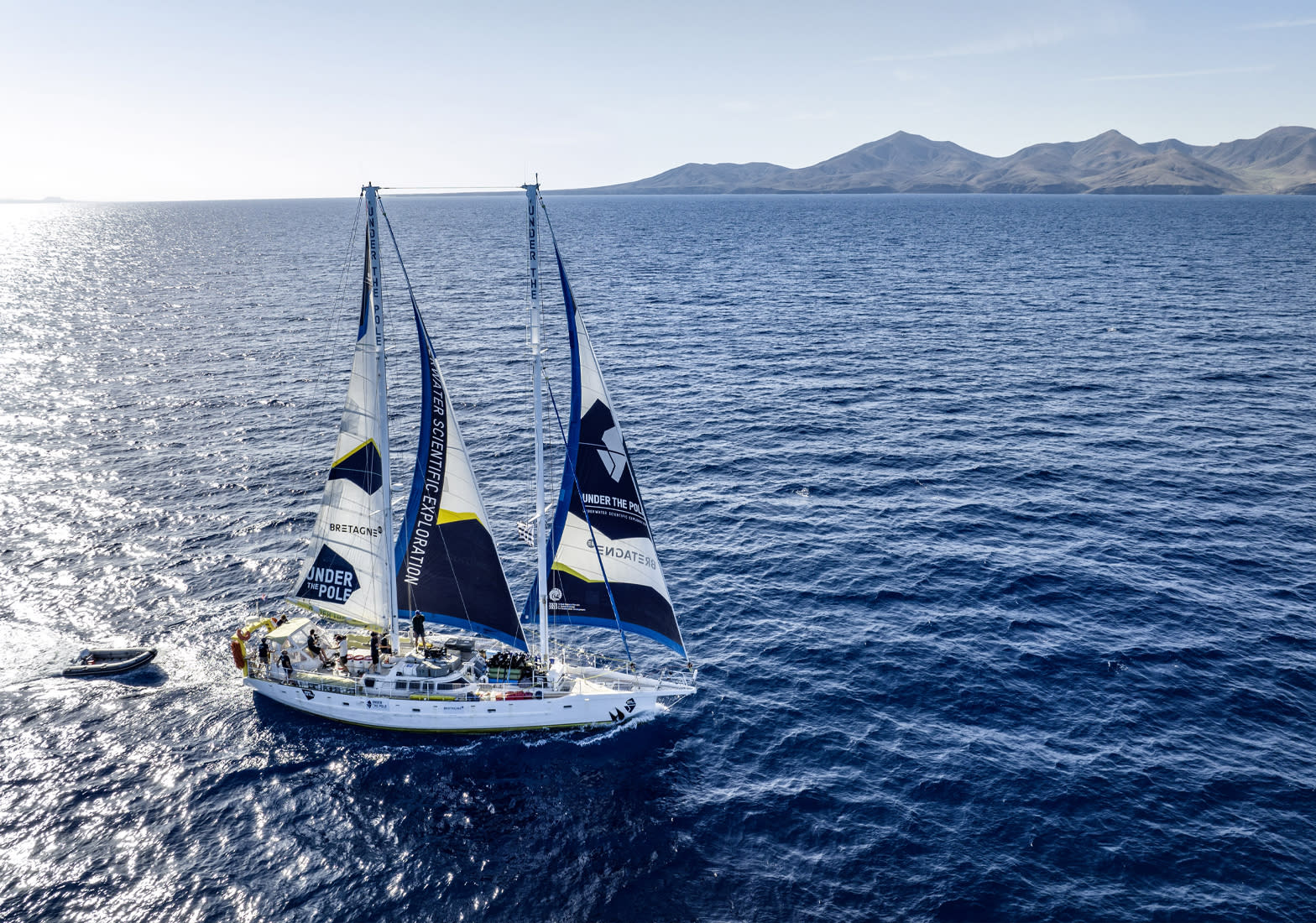
The couple founded the Under The Pole exploration programme in 2008 to further scientific understanding of the planet’s oceans from their research vessel, the WHY. Between 30 and 200 metres below the surface, the mesophotic zone is the interface between the sunlight-bathed surface and the shadowy waters below. Until recently, the challenges of studying this zone had left it unexplored and mysterious.

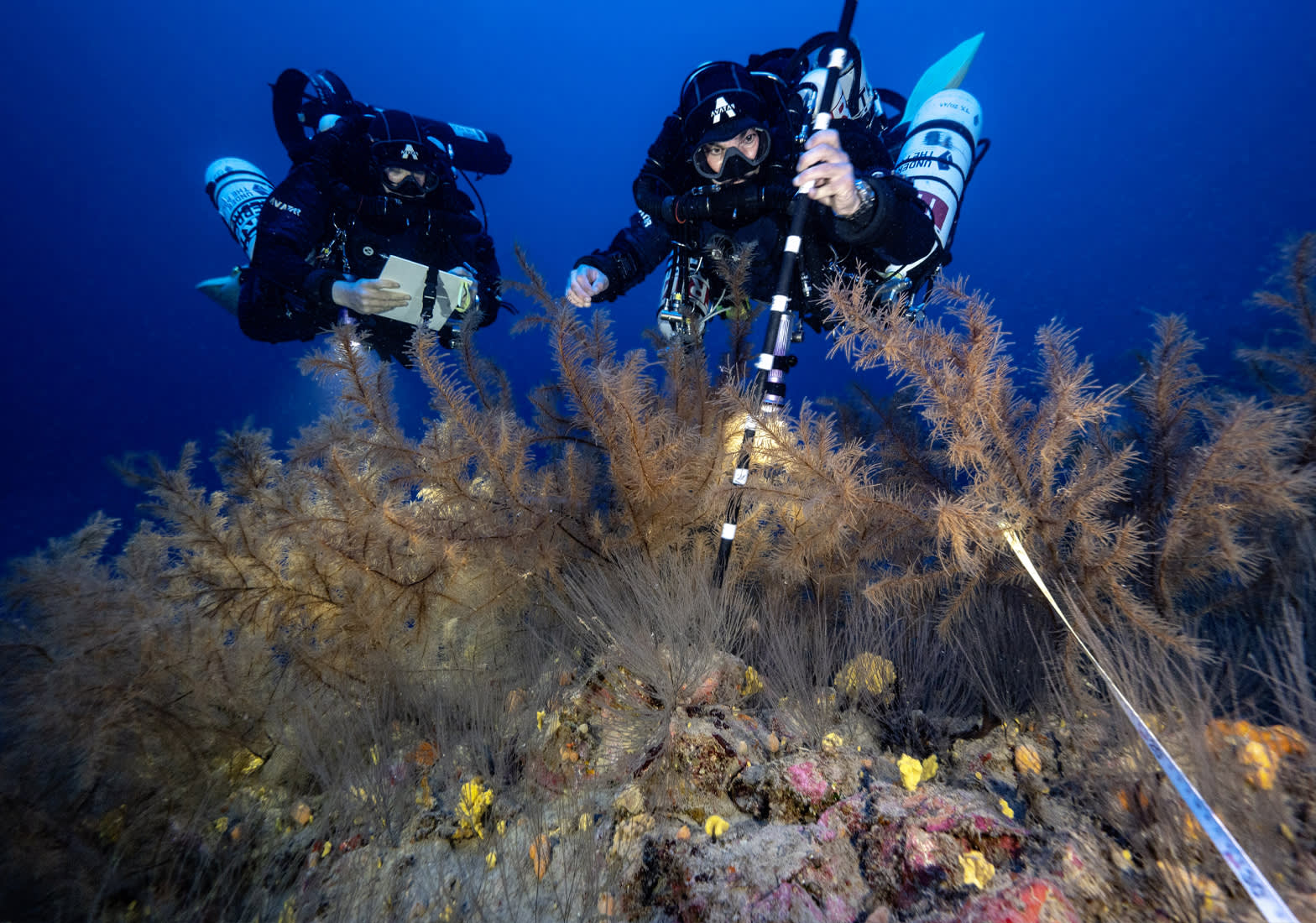
Traditional diving techniques reach their limits at around 60 metres, but the development of a piece of scuba equipment known as a “rebreather” has allowed Under The Pole to push the boundaries. Rebreathers recycle divers’ exhalations and filter out carbon dioxide to enable them to undertake longer, deeper dives and “access the ocean in a way we couldn’t before”, according to Bardout.
It nonetheless remains a challenging and specialized field. Périé-Bardout explains, “There are very few people, let alone scientists, who are actually qualified to dive to those depths.” In its latest expedition series, DEEPLIFE, the Under The Pole team works with scientists worldwide to study ecosystems hidden in the depths in order to protect them.
There are very few people, let alone scientists, who are actually qualified to dive to those depths.

Marine animal forests
Just 100 metres from a popular Lanzarote tourist resort, the sea floor slopes steeply into the deep. “Suddenly, there was this oasis of life that was very beautiful, very colourful, and very rich,” Périé-Bardout describes. What surprised the divers was the sheer size of the black corals there, which measure up to two metres high. “You can really imagine hiding in it,” she says.
In many places, deep-sea trawler fishing has eradicated these delicate ecosystems before scientists had a chance to examine them in detail. In the Canaries, a ban on the practice has preserved the underwater forests, “which makes them rare and extremely rich ecosystems”, Bardout points out.
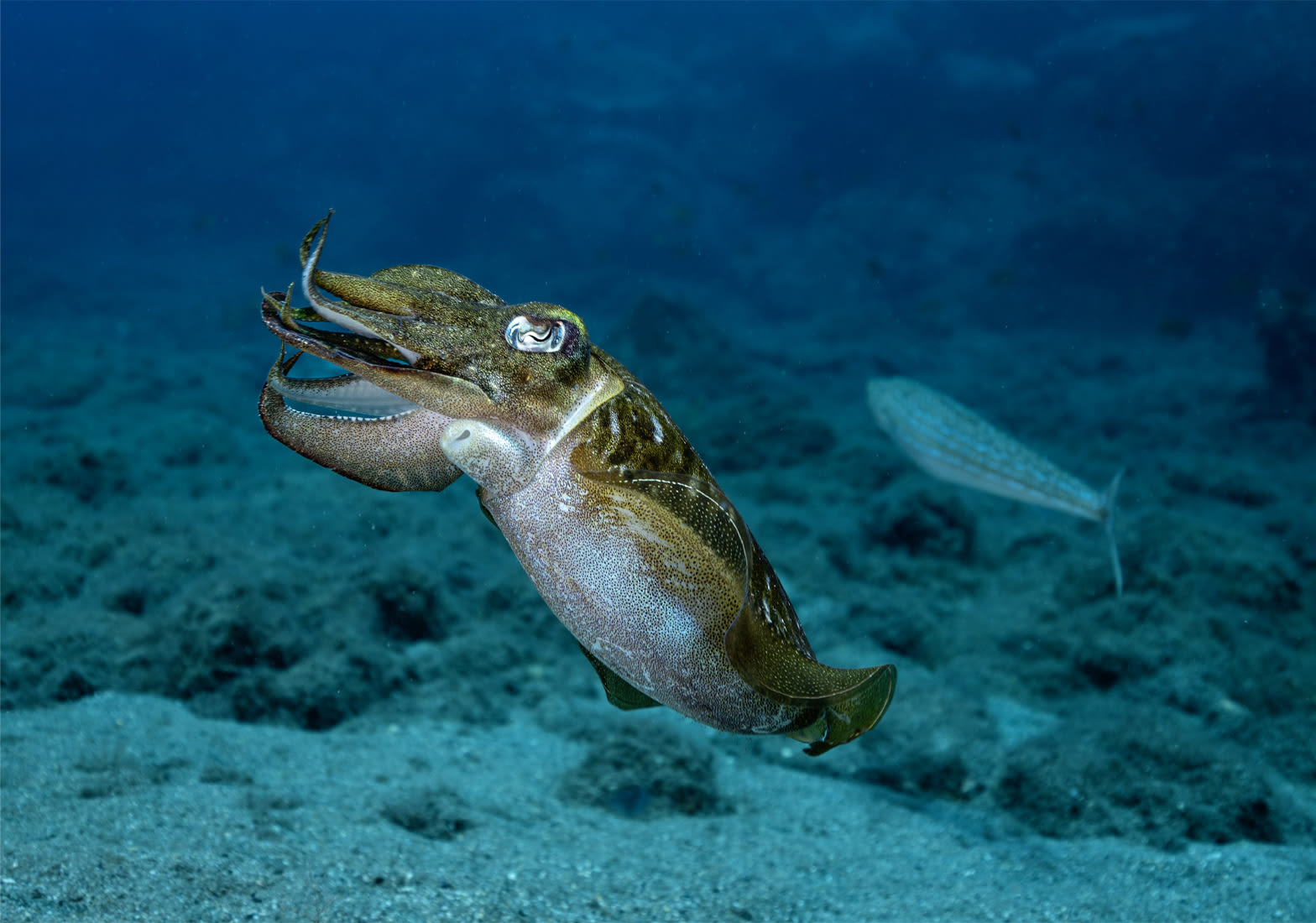
Scientists have coined the term “marine animal forest” to describe the diverse communities of corals, sponges and other animals that flourish in the mesophotic zone because of their many parallels with forests on land. Their 3-D architectures create microclimates and provide other marine creatures with a refuge from predators. This is why coral reefs, one of the best-known examples of a marine animal forest, are hotspots for biodiversity.
Under The Pole’s aim in Lanzarote was to develop a model of a black coral forest, facilitating studies of similar habitats elsewhere in the world. The team surveyed every aspect of the black coral forests, placing sensors and collecting extensive samples. Nestled among the black coral fronds, they discovered a new genus of amphipod; tiny shrimp-like creatures that scavenge dead plants and animal remains in the underwater forest.

Oases in the deep
The inspiration for DEEPLIFE came from an expedition in French Polynesia, named DEEPHOPE, which ran from 2018 to 2021. There, scientists discovered a rich diversity of coral reefs below 40 metres. “We always thought the biodiversity of coral reefs was concentrated in the surface zone,” says Laetitia Hédouin, Scientific Co-Director for DEEPLIFE. However, they found more diverse coral communities at depths of 40 to 60 metres than anyone had imagined.
When coral reefs nearer the surface experienced bleaching events, the deeper coral forests were much less affected. Hédouin thinks that mesophotic coral reefs might be “oases that would ensure the resilience of degraded areas”.
These discoveries transformed their vision of coral reefs, motivating them to initiate a global survey of the marine animal forests hidden in the mesophotic zone. The thrill of the DEEPLIFE expeditions, Hédouin says, is “discovering this rather exceptional universe” of underwater forests that few people have seen before.

Diving to new depths
After a month carrying out detailed surveys of the coral forests of Lanzarote, the WHY set off to explore the waters around other Canary Islands, in search of more marine animal forests. The Under The Pole team collected coral samples to investigate the genetic variability and connectivity of the forests, to understand which sites should be prioritized for conservation.
They also discovered something quite unexpected: contrary to what was previously thought, black corals are not restricted to growing on the rocky seafloor. On the sandy ocean bottom off the coast of the Canary Islands, whip corals were anchoring themselves to tiny shells.
Under The Pole’s final dive in the Canaries was its deepest yet, taking the divers to depths of 200 metres off the coast of El Hierro in search of black coral forests. Despite black corals being present at these depths, at the El Hierro dive site they weren’t dense enough to form a marine animal forest. But that, Bardout says, is the nature of exploration. “Sometimes you find it, sometimes you don’t, but even when we don’t find anything, it's a result in its own right.”
Sometimes you find it, sometimes you don’t, but even when we don’t find anything, it’s a result in its own right.
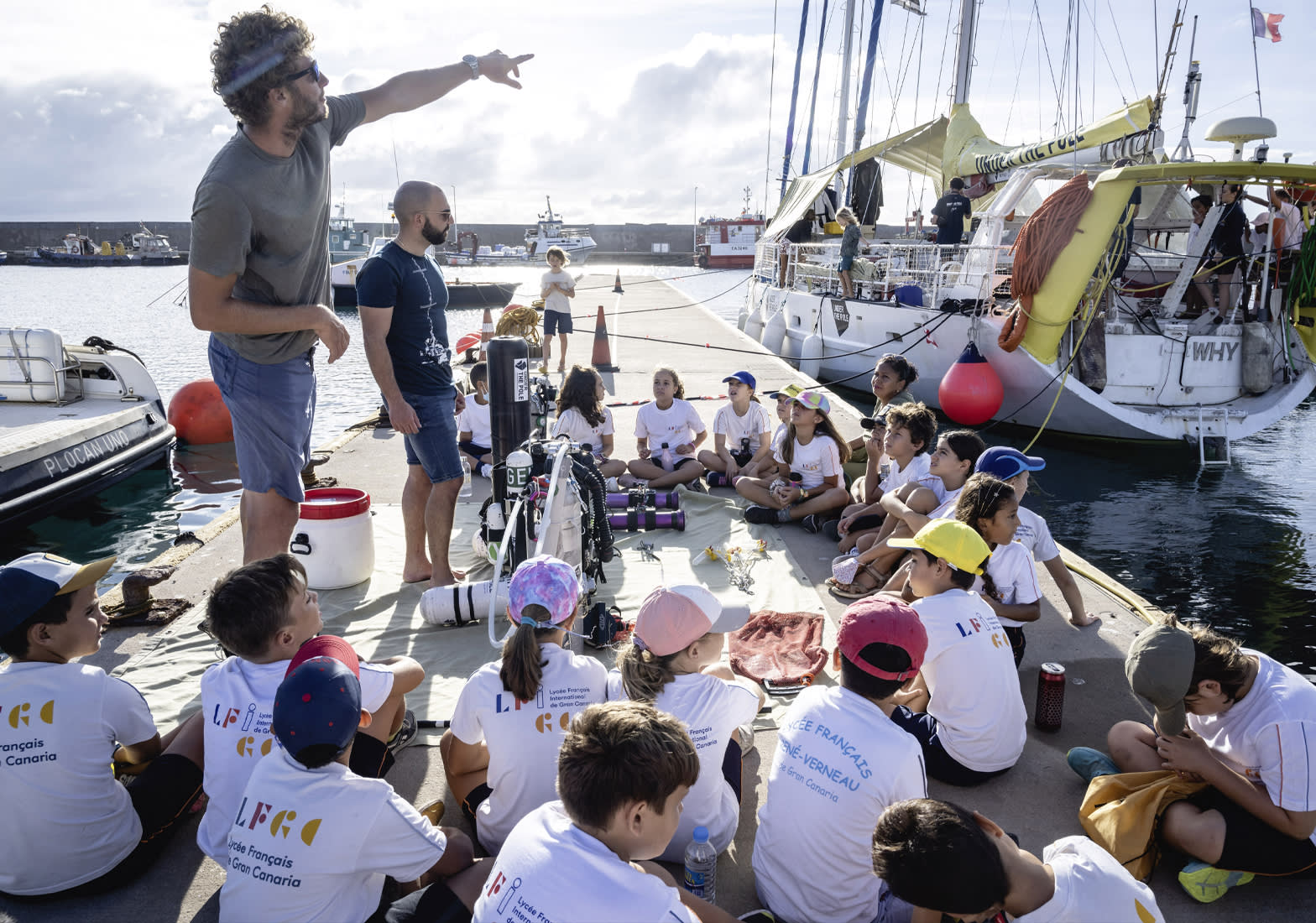
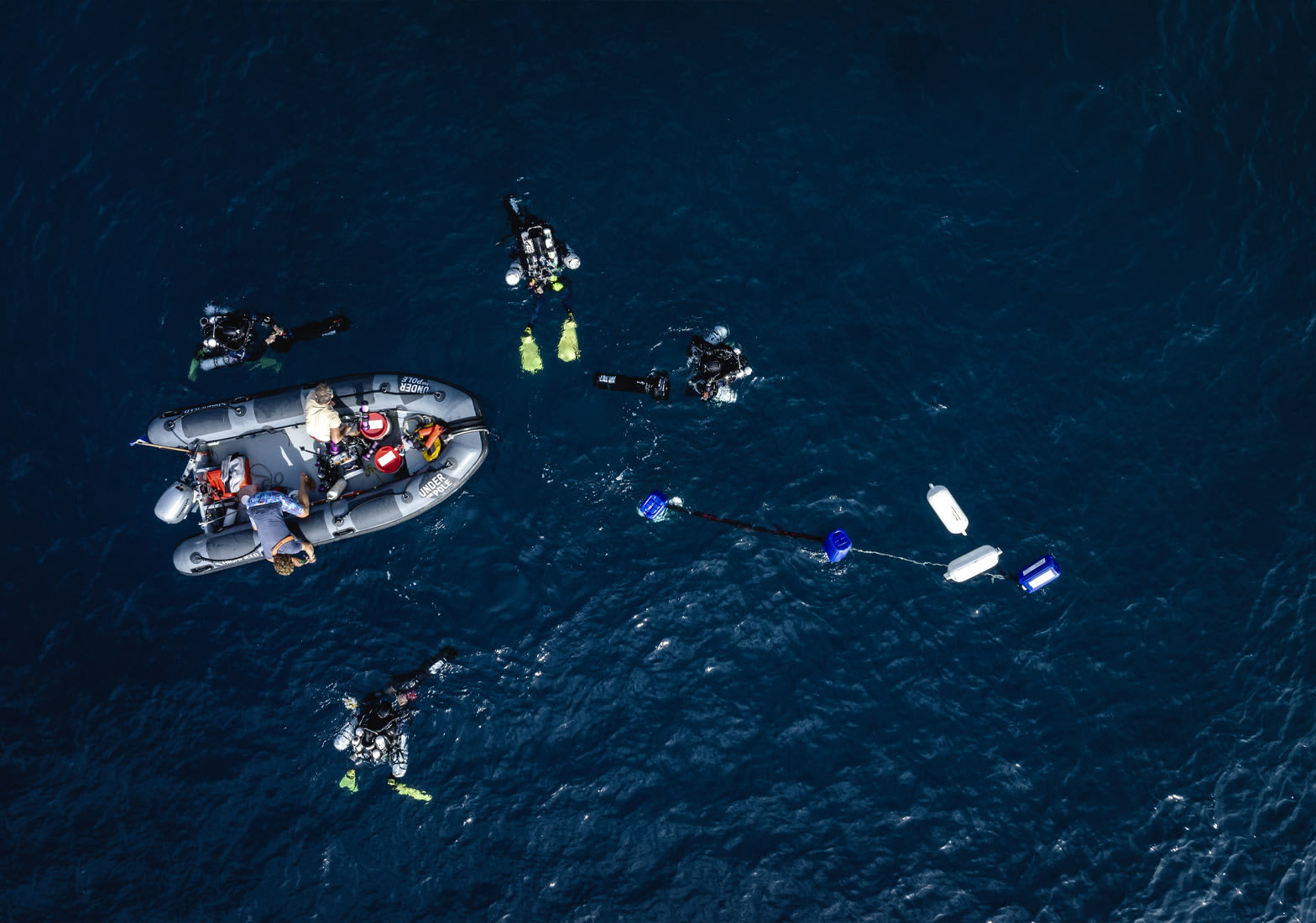
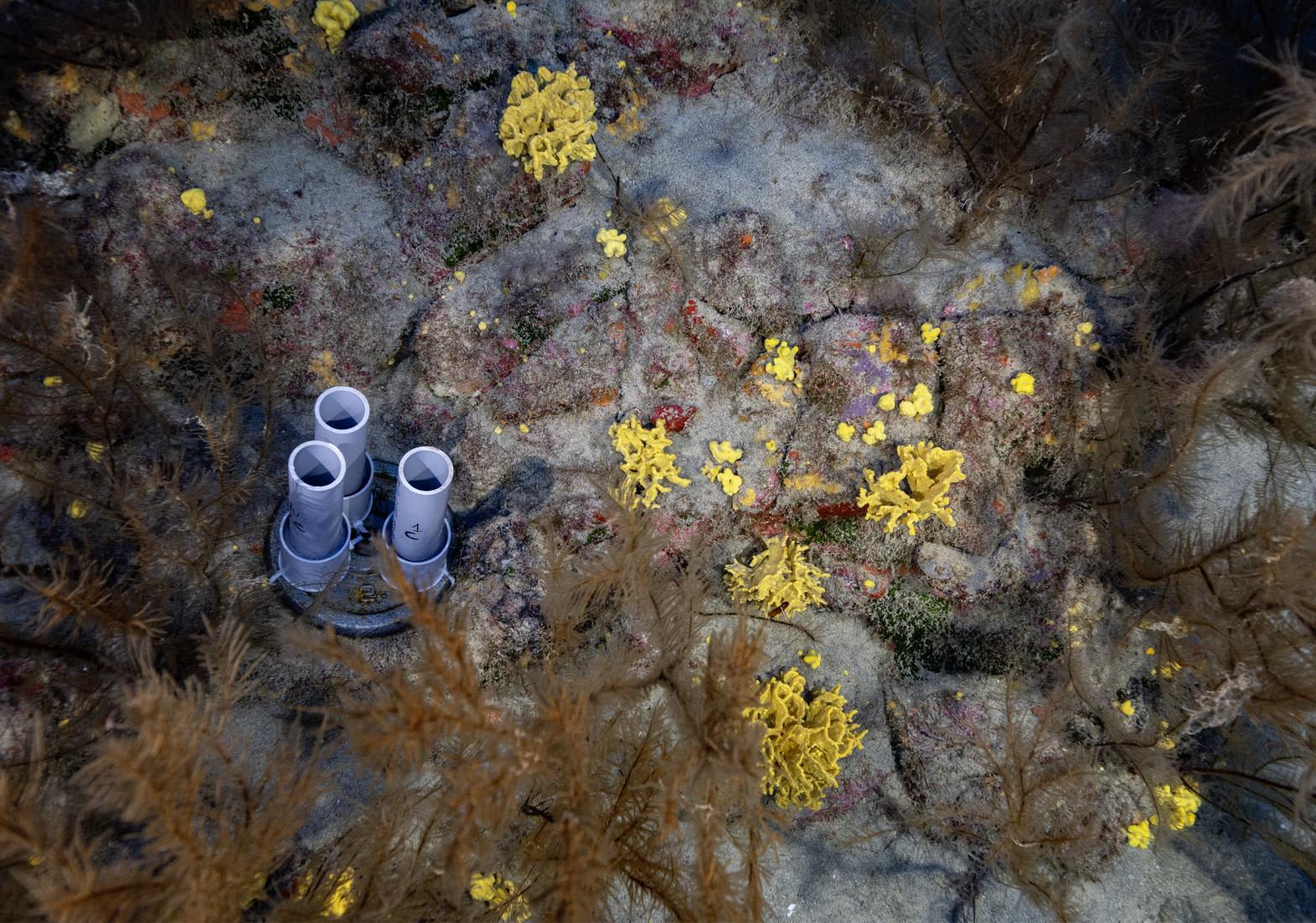
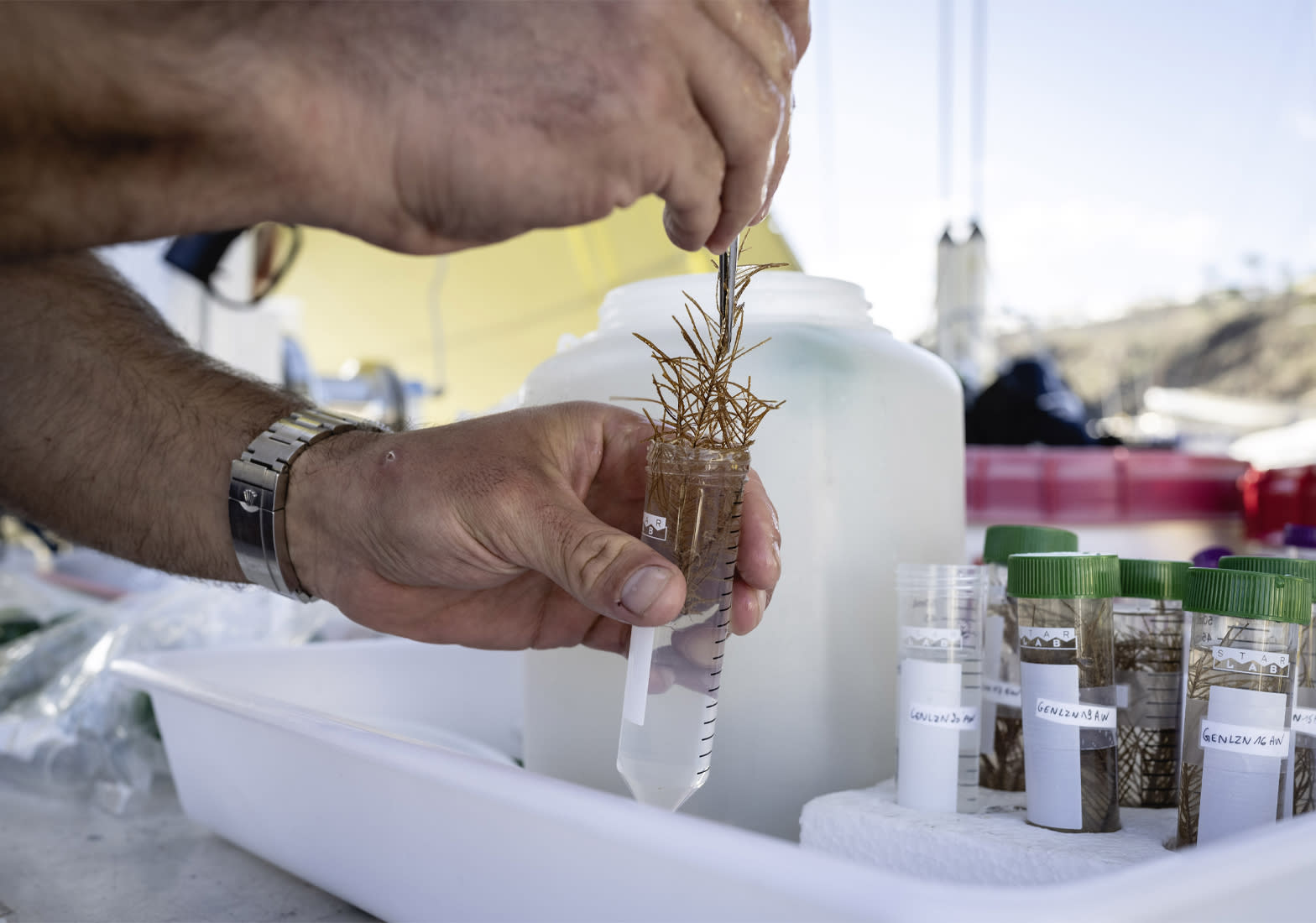
The project’s scientific partners are now working with the Gran Canaria government, using the DEEPLIFE data to help define the boundaries of a new marine park around the island. It is essential for the marine protected areas that depth is taken into account to preserve the diverse communities of animals that live in the mesophotic zone.
During the first DEEPLIFE expedition to Svalbard in 2022, the Under The Pole team discovered a marine animal forest thriving in the Arctic waters. After the Canaries, the WHY sailed to Guadeloupe, in the Caribbean, in the hope of finding more of these remarkable ecosystems in what Lorenzo Bramanti, Scientific Co-Director of DEEPLIFE, calls “the rainforest of the sea”.

The Canaries expedition was the second of Under The Pole’s new programme, DEEPLIFE 2021–2030, which is supported by the Rolex Perpetual Planet Initiative. It aims to explore marine animal forests across all of the planet’s ocean basins.
Under The Pole is one of many inspirational partnerships embraced by the Perpetual Planet Initiative, which supports individuals and organizations committed to scientific exploration that safeguards and protects our world.