
There’s so much plastic on this planet that it is now permanently in the fossil record.

Published in
Miranda Wang is realizing a decade of research and innovation. With support from Rolex, she has successfully built a first-of-its-kind demonstration plant that can turn low-value plastics into high-quality materials, a major milestone towards a plastic circular economy.
All videos

2025

2019
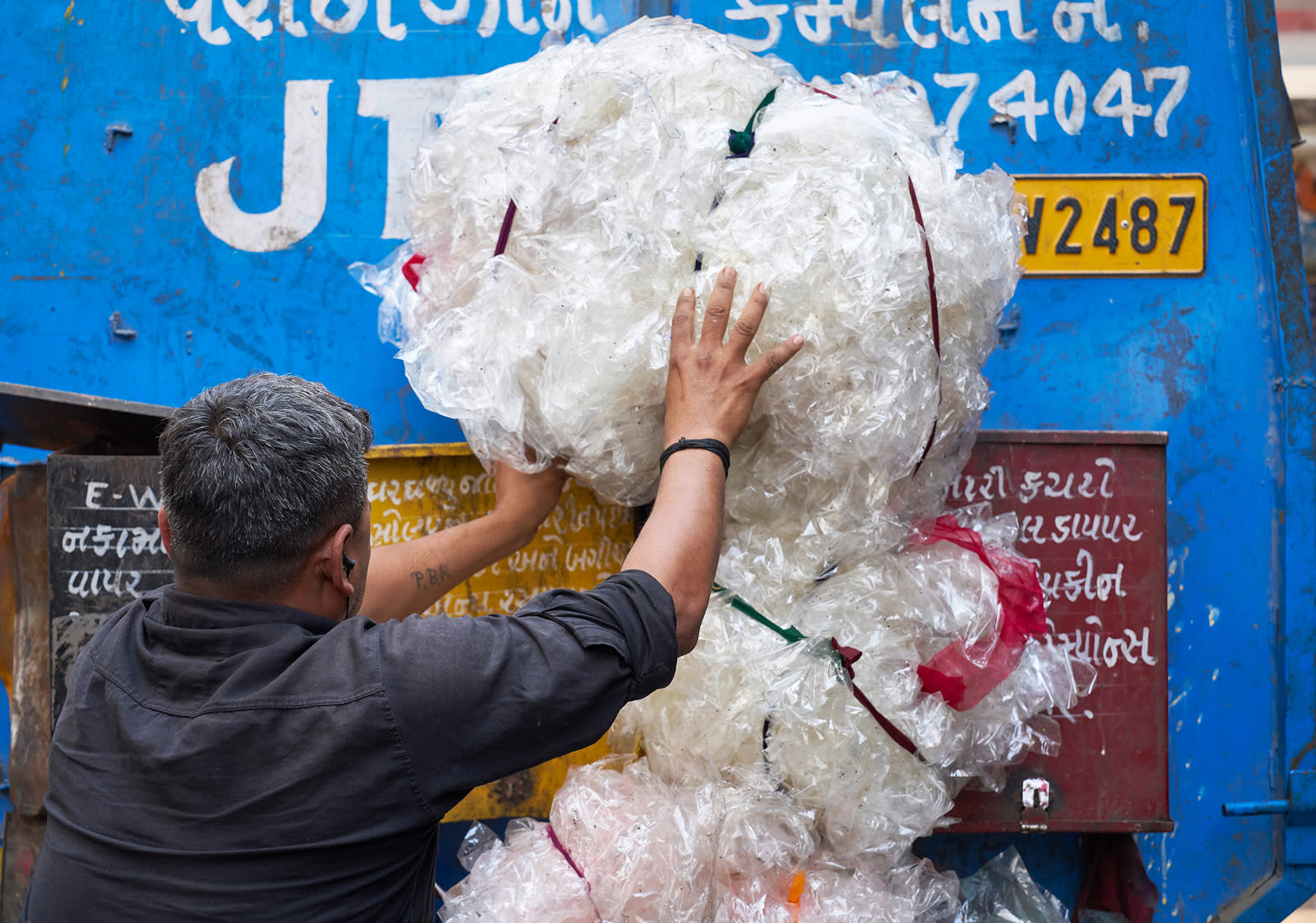
Plastics are one of the defining materials of the modern age. Today, they can be engineered to create almost any product, from components in spacecraft to snack packaging and socks. But the qualities that have made plastics so ubiquitous: durability, strength, flexibility and affordability, have also resulted in their becoming one of humanity’s biggest headaches. Most plastic waste can so far not be re-used. Traditional plastic recycling is only able to generate lower-quality products than the original material, resulting in a constant down-cycling. At present, just nine per cent of the hundreds of millions of tonnes of plastics created each year are recycled. An estimated 52 million tonnes spill uncontrolled into the environment, harming ecosystems, endangering marine life and damaging human health.
Plastics have been found everywhere on Earth, and as Rolex Awards Laureate Miranda Wang puts it, “There’s so much plastic on this planet that it is now permanently in the fossil record.” This is not the only problem. Fabricated from fossil fuels, plastic production and incineration are also both a major source of carbon emissions.

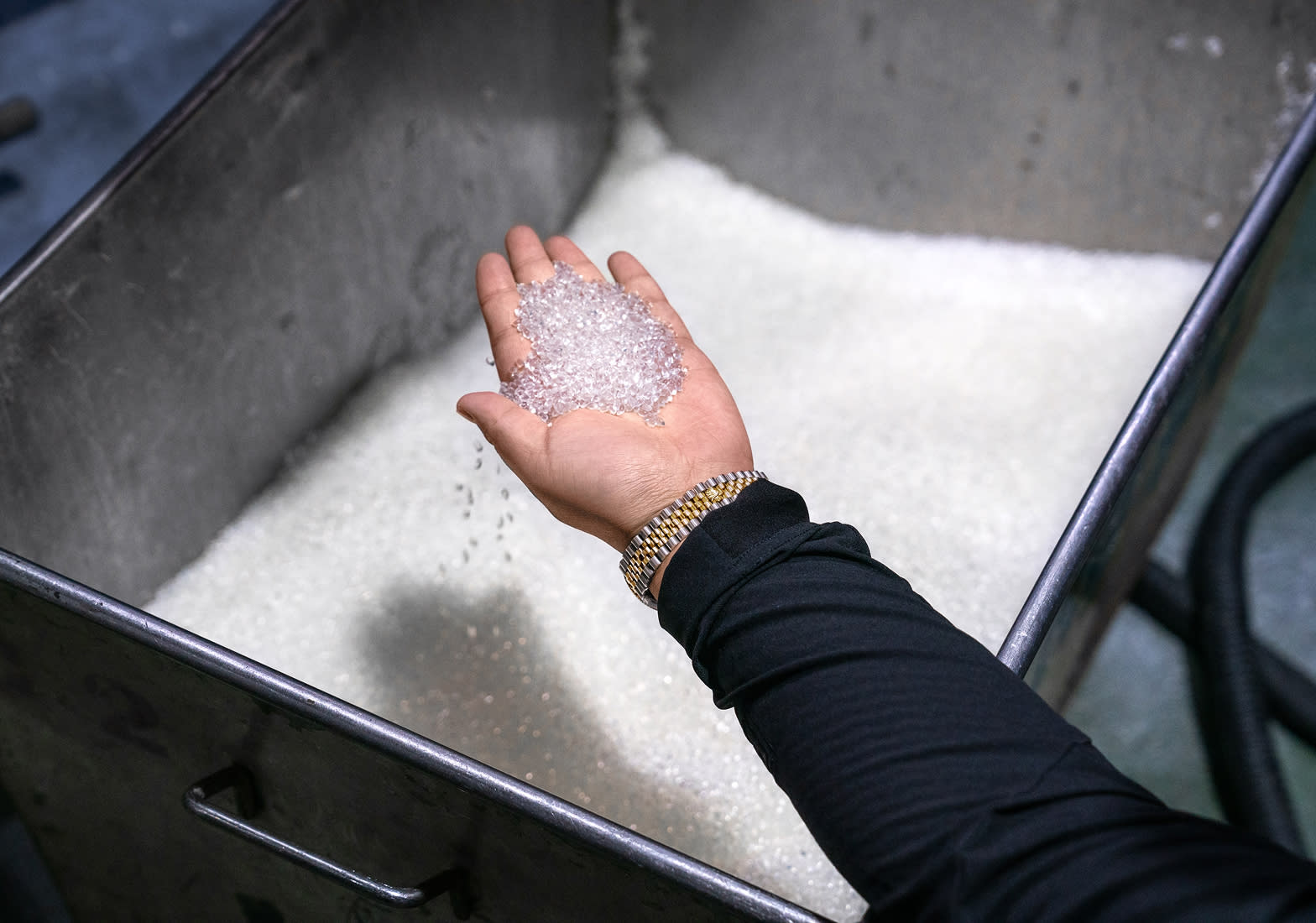
To tackle the plastic waste crisis, Rolex is supporting Wang and her partner Jeanny Yao in putting their innovative recycling method into action. They are working towards a true plastic circular economy, where things can be used again and again without ever entering the waste stream. Developing a process that converts hard-to-recycle plastic into a material for use in durable products like electronics and shoes, they can break down post-consumer polyethylene plastic – typically seen in items like plastic bags, packaging, containers and agricultural films – into its chemical building blocks.

Those building blocks can then be used to reconstruct higher performance polymers, polyurethanes, of the same quality and value as fresh “virgin” plastics made directly from fossil fuels.
There’s so much plastic on this planet that it is now permanently in the fossil record.
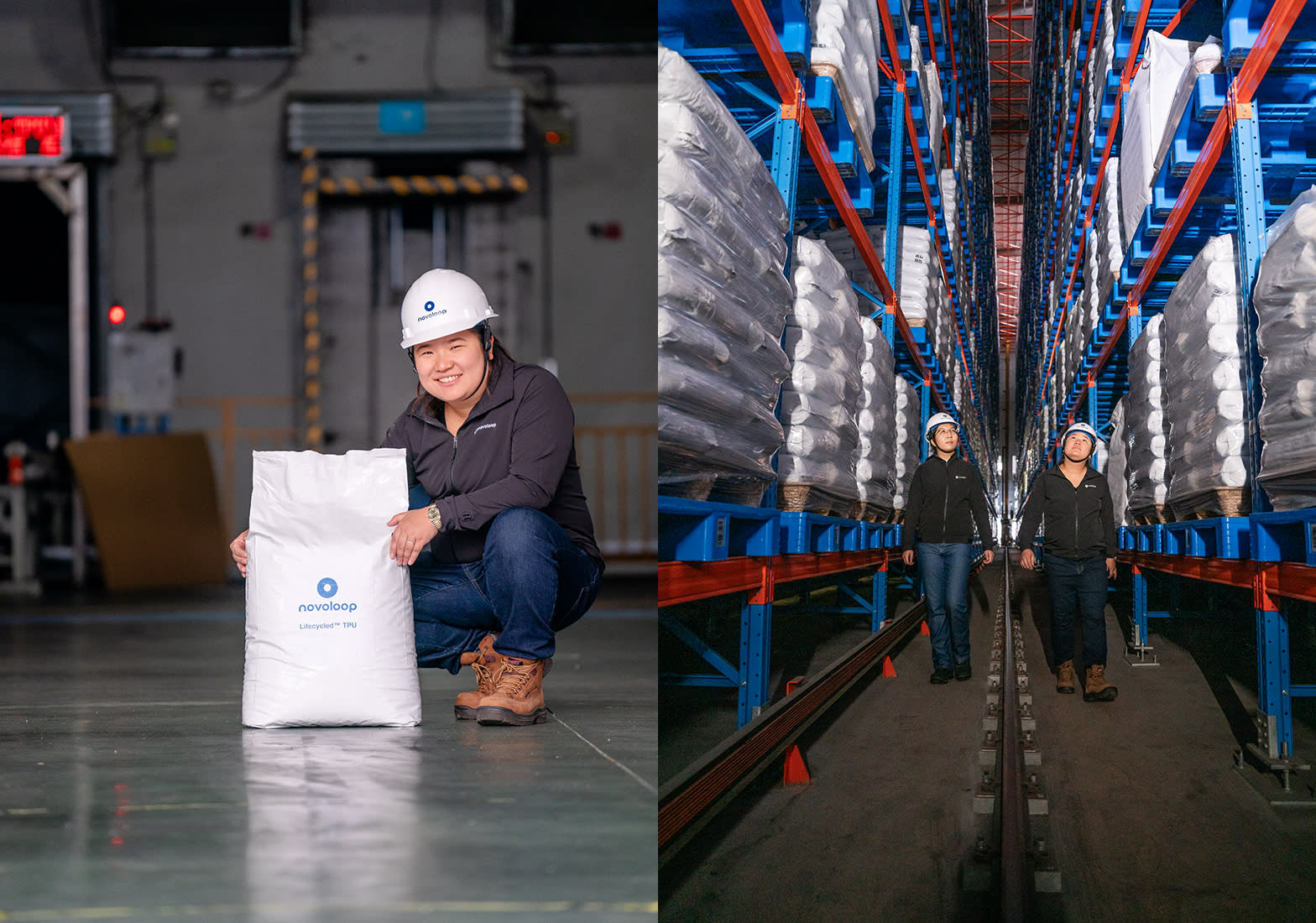
Five years on from winning a Rolex Award for developing the ground-breaking new process, Wang has hit another major milestone. Novoloop, the company she founded with Yao, recently built its first demonstration plant in Surat, India. “We have been working on this technology for the past 10 years and seeing this demo plant come together is really a special moment,” says Yao. Novoloop has been able to demonstrate that its work can be moved from the lab bench to an industrial setting, operating in a round-the-clock continuous mode. In the lunchroom, the staff chimes a bell to mark moments of success and important achievements. “We ring it and everyone cheers,” says Wang, “we’ve done a good number of those!”
Their next aim is to run the pilot plant for 1,000 hours so the team can gather performance and reliability data and generate product samples, which will allow them to design a large-scale commercial operation. It is an ambition Wang and Yao have long strived towards.

Since childhood, the pair have been interested in the possibility of creating a new kind of plastic recycling that can be used at scale. At school, and as best friends, they joined and eventually ran a recycling club. Later, they discovered plastic-eating bacteria in a river nearby where they lived in Canada. The promise of potential solutions led the two best friends to co-found a company. “We just felt like it was not the right time to stop, that there were a lot of reasons here to keep going,” says Wang, “and we knew that real technological advancement on recycling was not going to be easy.” Working with academics and professionals in the field while in high school and then in university, Wang quickly realized a biological method for breaking down plastics was not scalable. So, she began years of hard work searching for a new chemical process to turn unwanted plastics into something desirable that could be scaled in commercial plants across the globe.

We knew that real technological advancement on recycling was not going to be easy.
When faced with obstacles and setbacks along the way, Wang and Yao have remained focused on the value of what they are building. “We want to continue giving this a shot, because it’s our life’s work, and it’s the most important thing we think we have ever done or may do in the future,” says Yao.
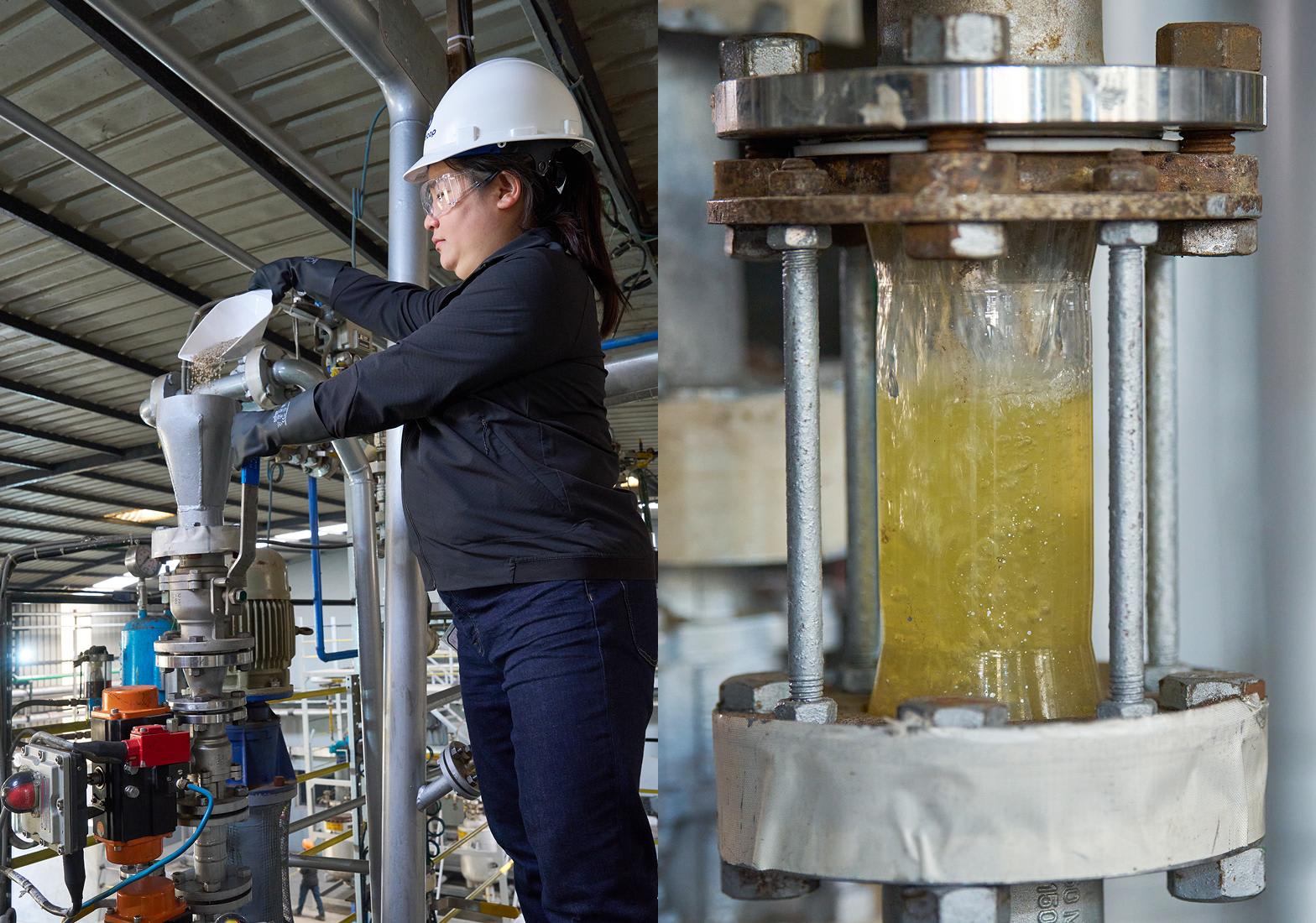
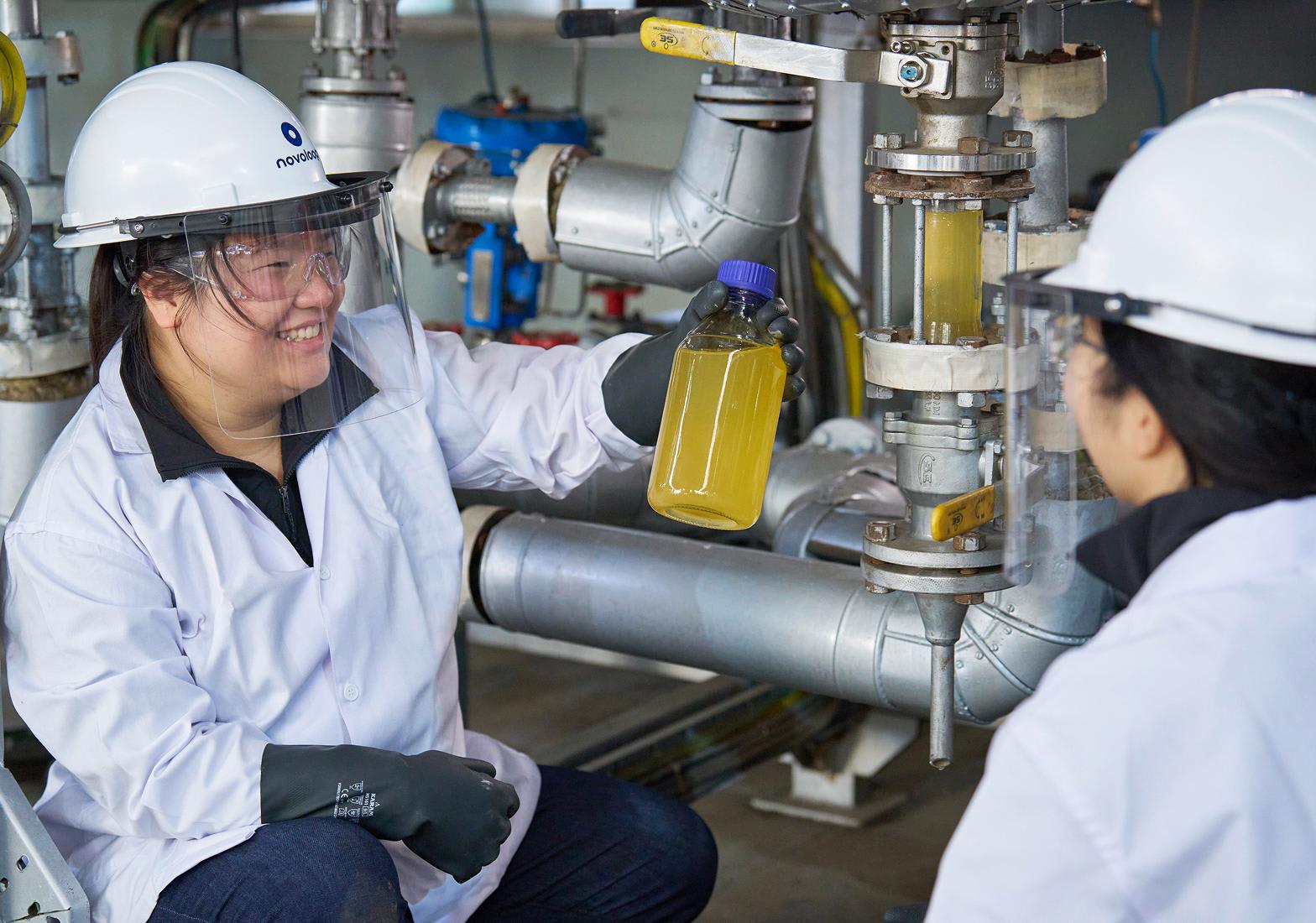
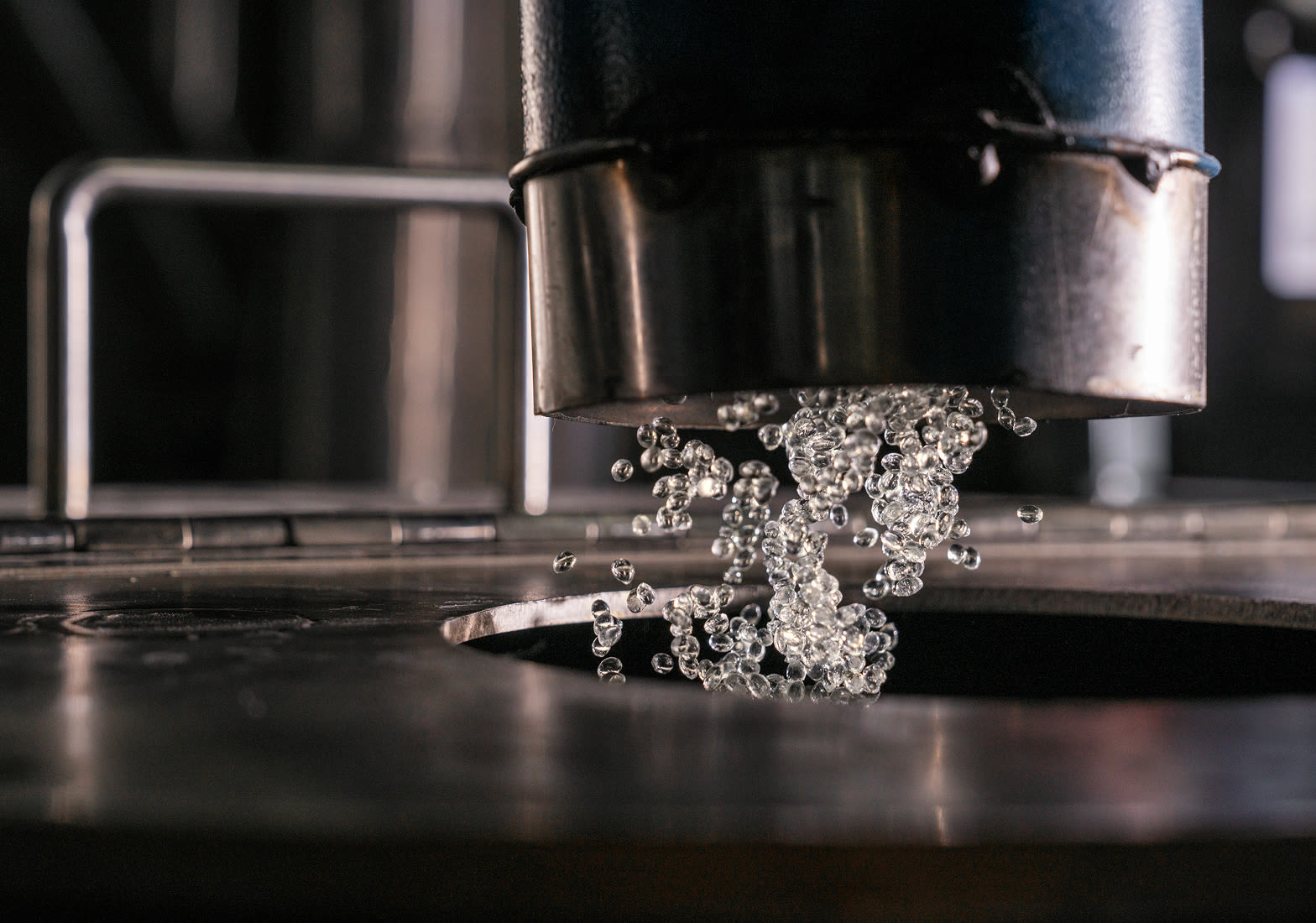
Today, their perseverance through all the testing, tweaking and long days in the laboratory have paid off. By 2030, they project converting up to 175,000 tonnes of plastic waste, reducing up to 800,000 tonnes of CO₂ each year. Supported by the Rolex Perpetual Planet Initiative, Wang and Yao are continuing the path towards the ultimate achievement – a planet without plastic pollution.