Shortcuts

Securing Nigeria’s food supply
Published in
In 2010, Nigerian social entrepreneur Nnaemeka Ikegwuonu won a Rolex Award for Enterprise for creating a radio station to advise smallholder farmers. Now, his latest project, a network of solar-powered, walk-in cold rooms, is revolutionizing Nigeria’s food supply chain.
All videos
2023
Securing Nigeria’s food supply
2010
Farming by radio


Smallholder Farmer Rural Radio
Twenty years ago, Nnaemeka Ikegwuonu established a radio station, Smallholder Farmer Rural Radio, to help farmers in Nigeria better manage and harvest their crops. In a country where 70 per cent of the population live on subsistence agriculture, and literacy levels are low, the station has been a phenomenal success. Ikegwuonu estimates that today it broadcasts to more than 15 million people, and two-thirds of listeners have increased their agricultural yield by 50 per cent and their household income by 45 per cent.

Ikegwuonu’s achievements were recognized seven years later, in 2010, by the Rolex Awards for Enterprise, which today forms part of the brand’s Perpetual Planet Initiative.
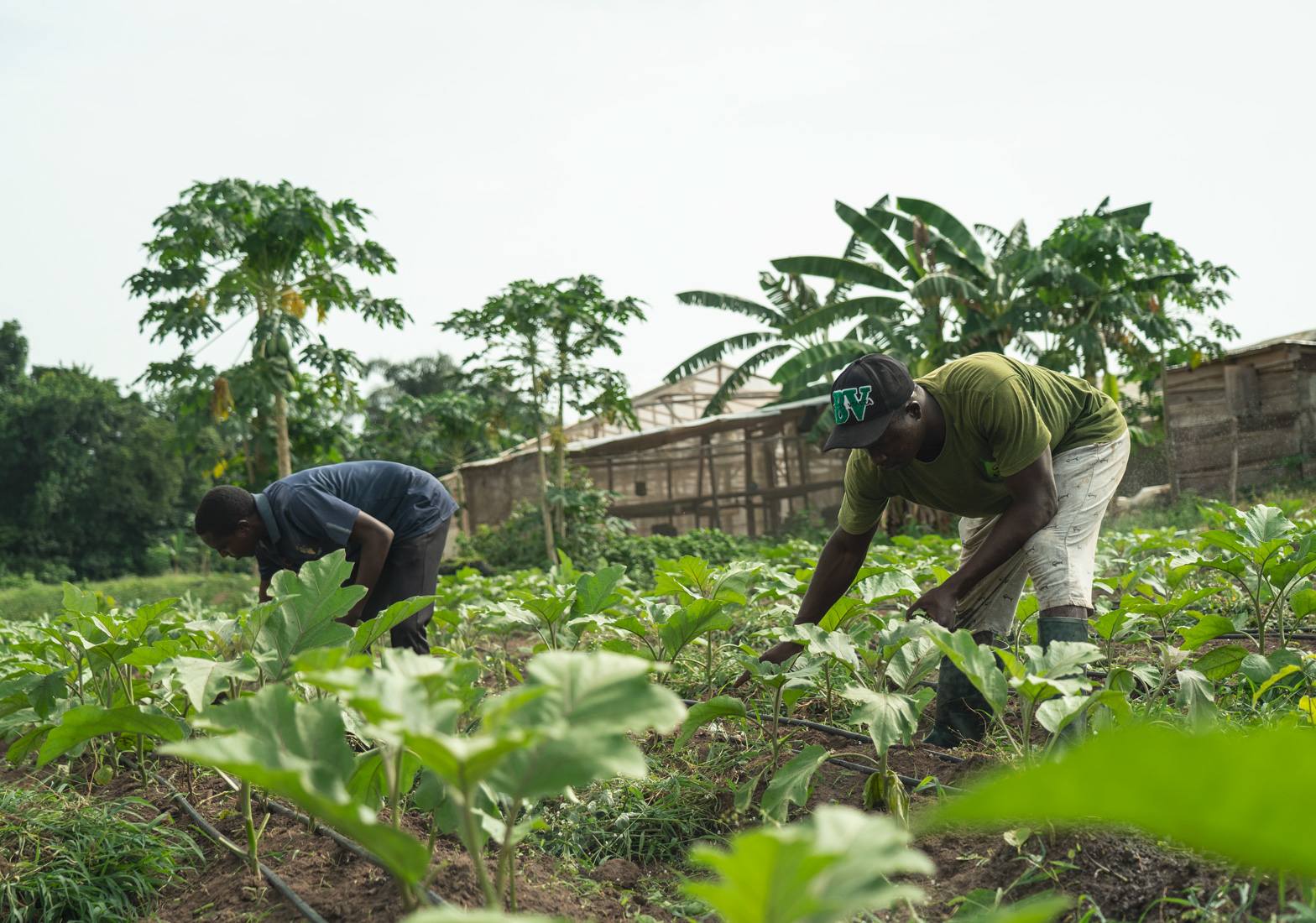
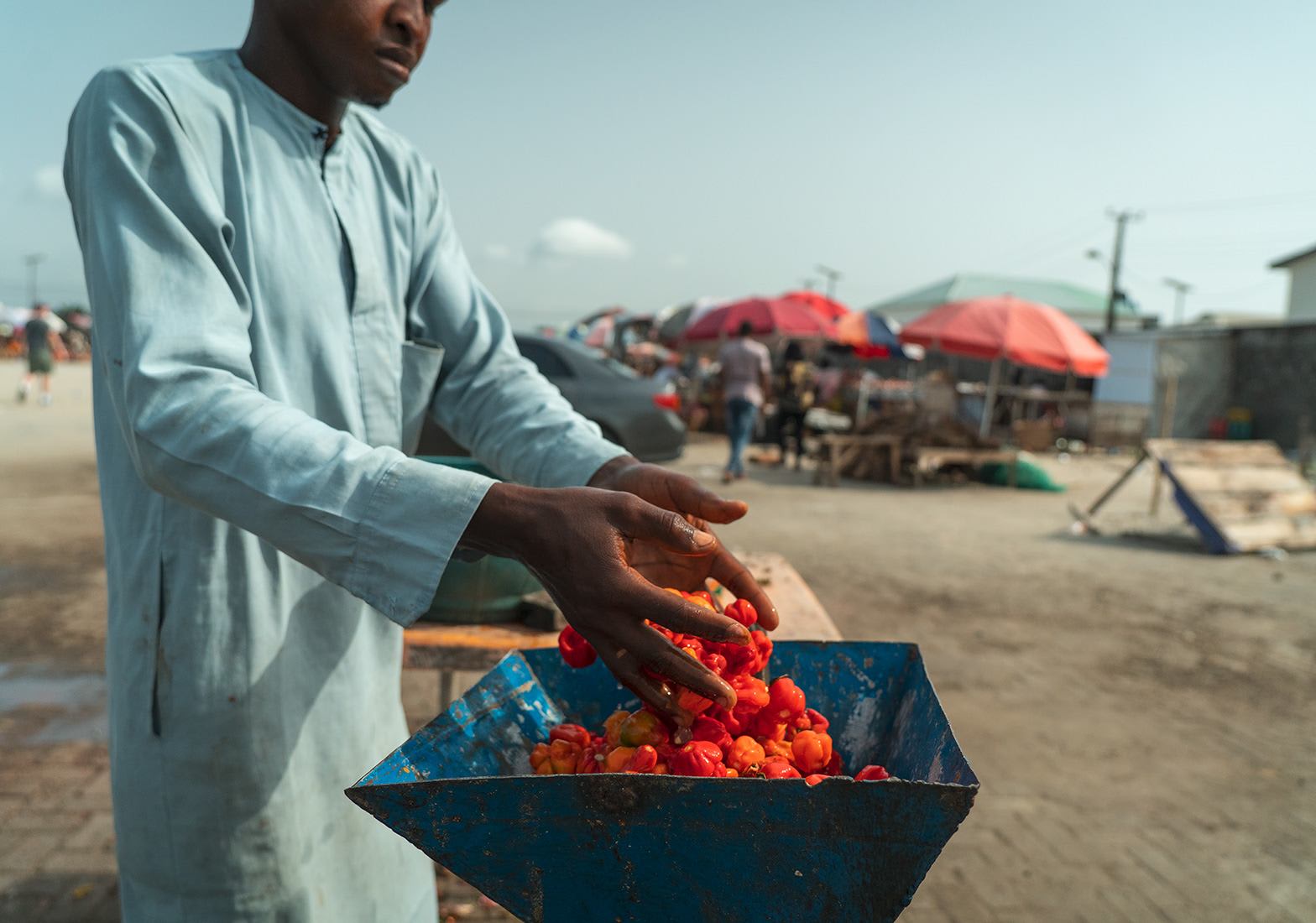
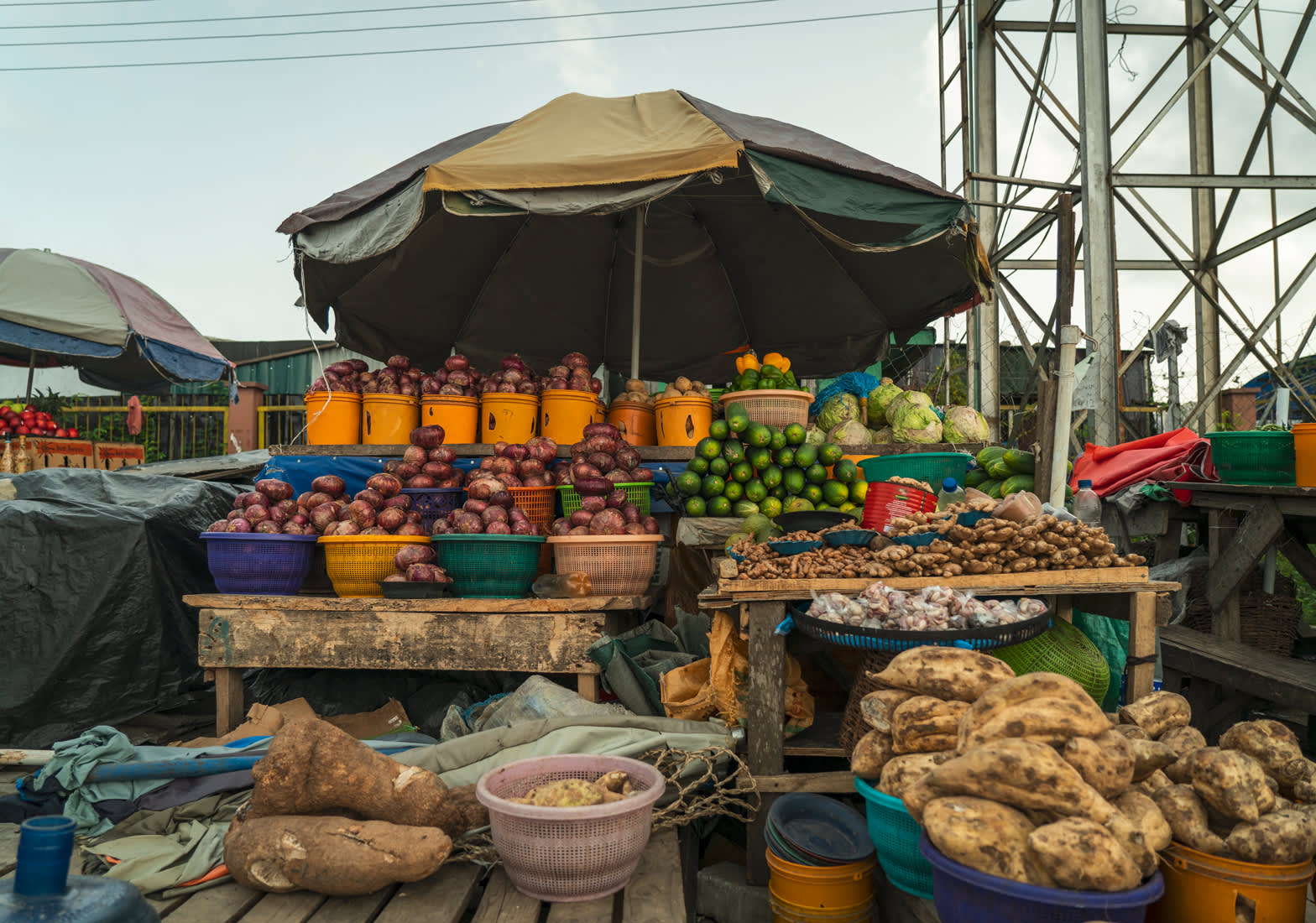
His story does not end there. He continues to present on the radio station, and, in 2015, while researching a programme about cabbage farming, he became aware of the enormous problem of post-harvest food wastage – around 40 per cent of Nigeria’s produce rots in the heat before it can be sold. In a country ranked 107th out of 113 countries on the Global Food Security Index – and where more than 88 million people face food insecurity while 12 per cent are undernourished – this wastage is a huge problem.

Coldhubs
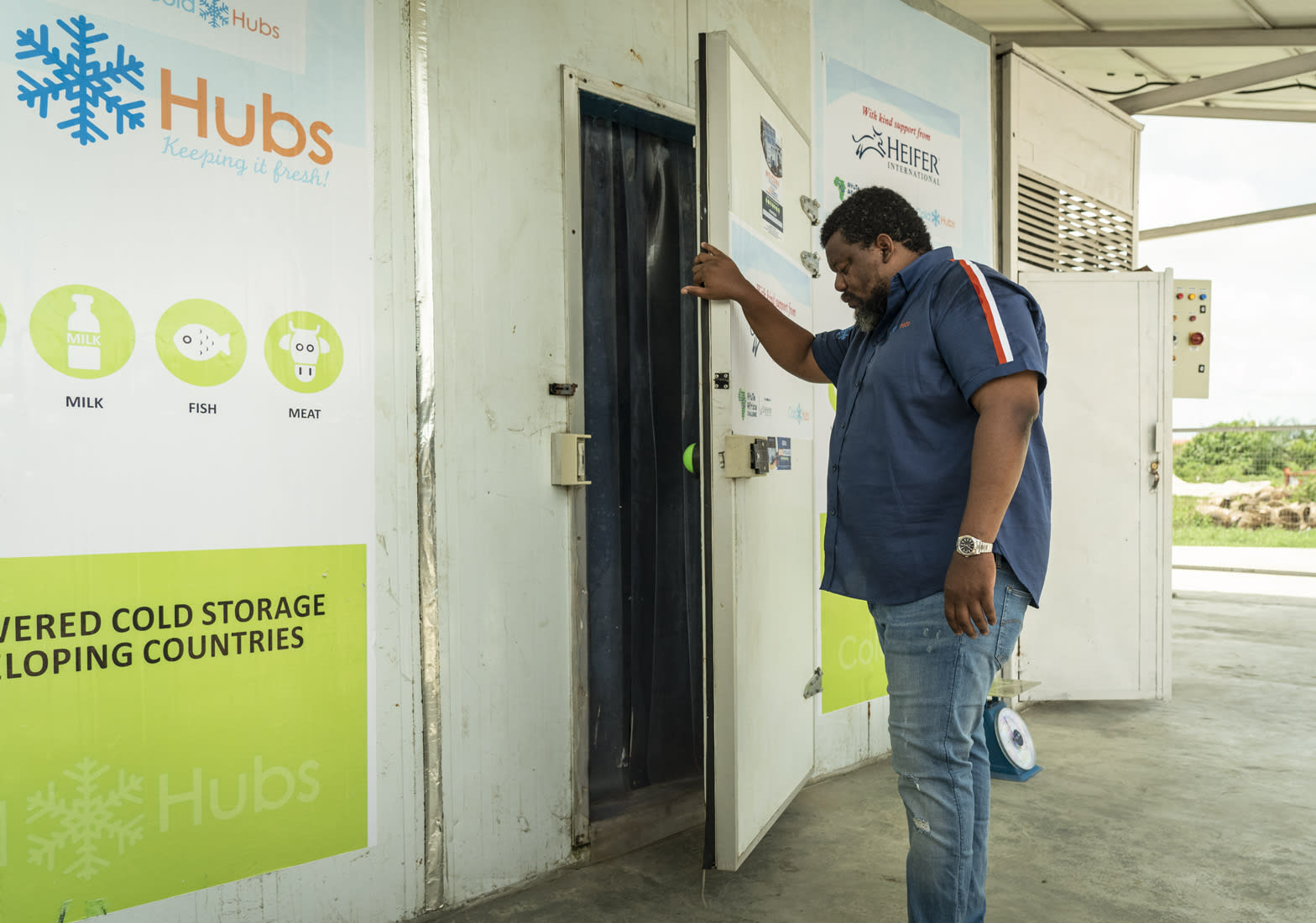
As is his way, Ikegwuonu took action. “We built a solar-powered, walk-in cold room using a window unit air conditioner,” he recalls. “None of us had an engineering background at all, we just built it.”
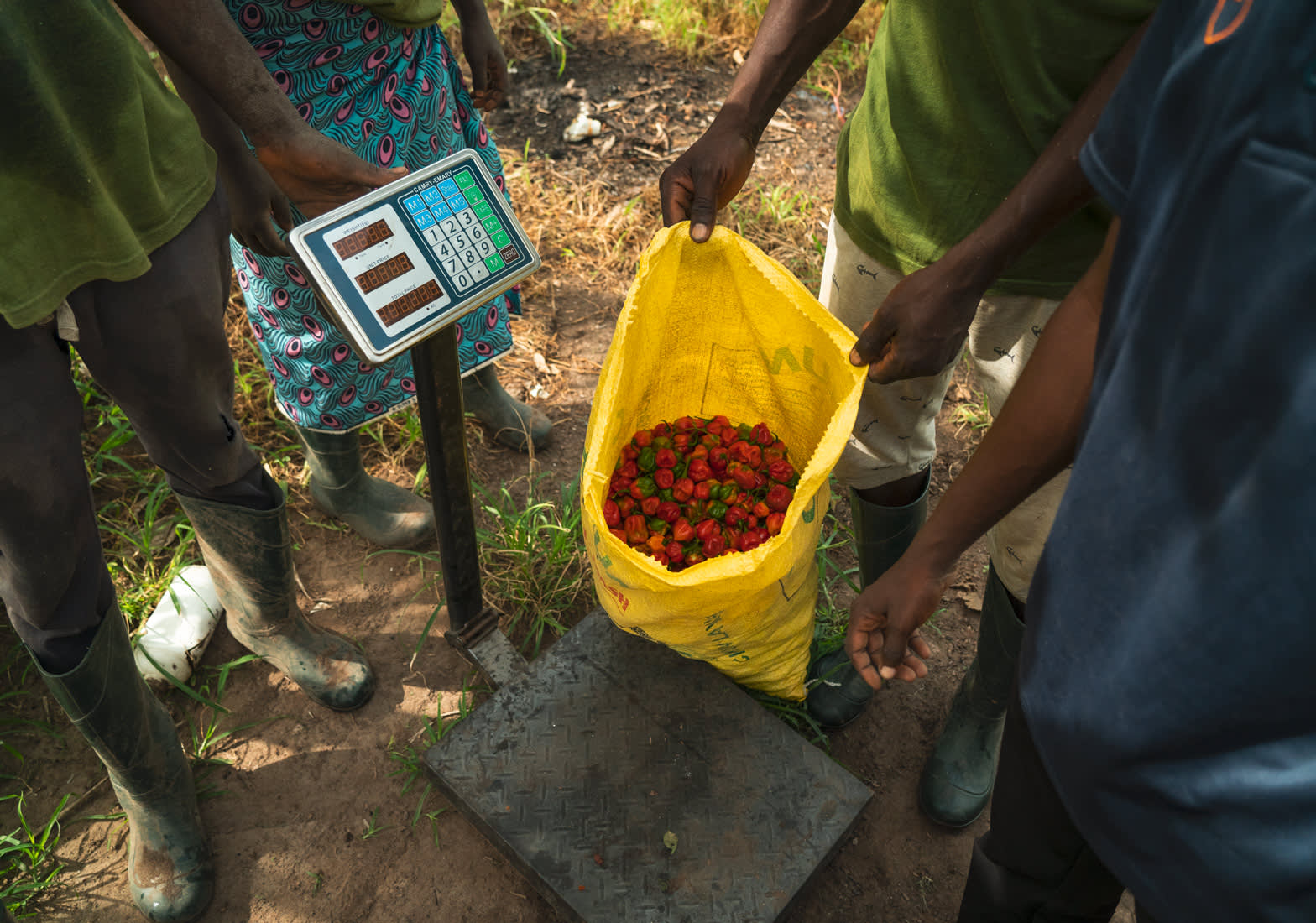
It was the first of many. Buoyed by its success, he began setting up a network of these “ColdHubs” across the food supply chain, providing smallholders, retailers and wholesalers with affordable cold storage access. ColdHubs extend the shelf life of perishable food from two days to 21, reducing post-harvest loss by 80 per cent.
Today, there are 58 ColdHubs across 28 states in Nigeria. In May, Ikegwuonu opened ColdHubs’ first 100-tonne solar-powered, cold room, capable of preserving 5,000 crates of fresh fruits and vegetables at a time. The company has also trained smallholder farmers and retailers on post-harvest management of perishable crops.

It [ColdHubs] is a very clean, green cooling unit. And the reason we wanted to make it so was because, on all our radio programmes, we have always advocated for environmental consciousness, climate adaptation and mitigation strategies.
The solar-powered element of the ColdHubs is hugely important to Ikegwuonu. “It is a very clean, green cooling unit. And the reason we wanted to make it so was because, on all our radio programmes, we have always advocated for environmental consciousness, climate adaptation and mitigation strategies. So we cannot be seen to be running a new company that damages the environment.”
Ikegwuonu is also immensely proud that the ColdHubs have led to new jobs for women in the farming sector, with more than 80 hired and trained as hub operators and market attendants across Nigeria.
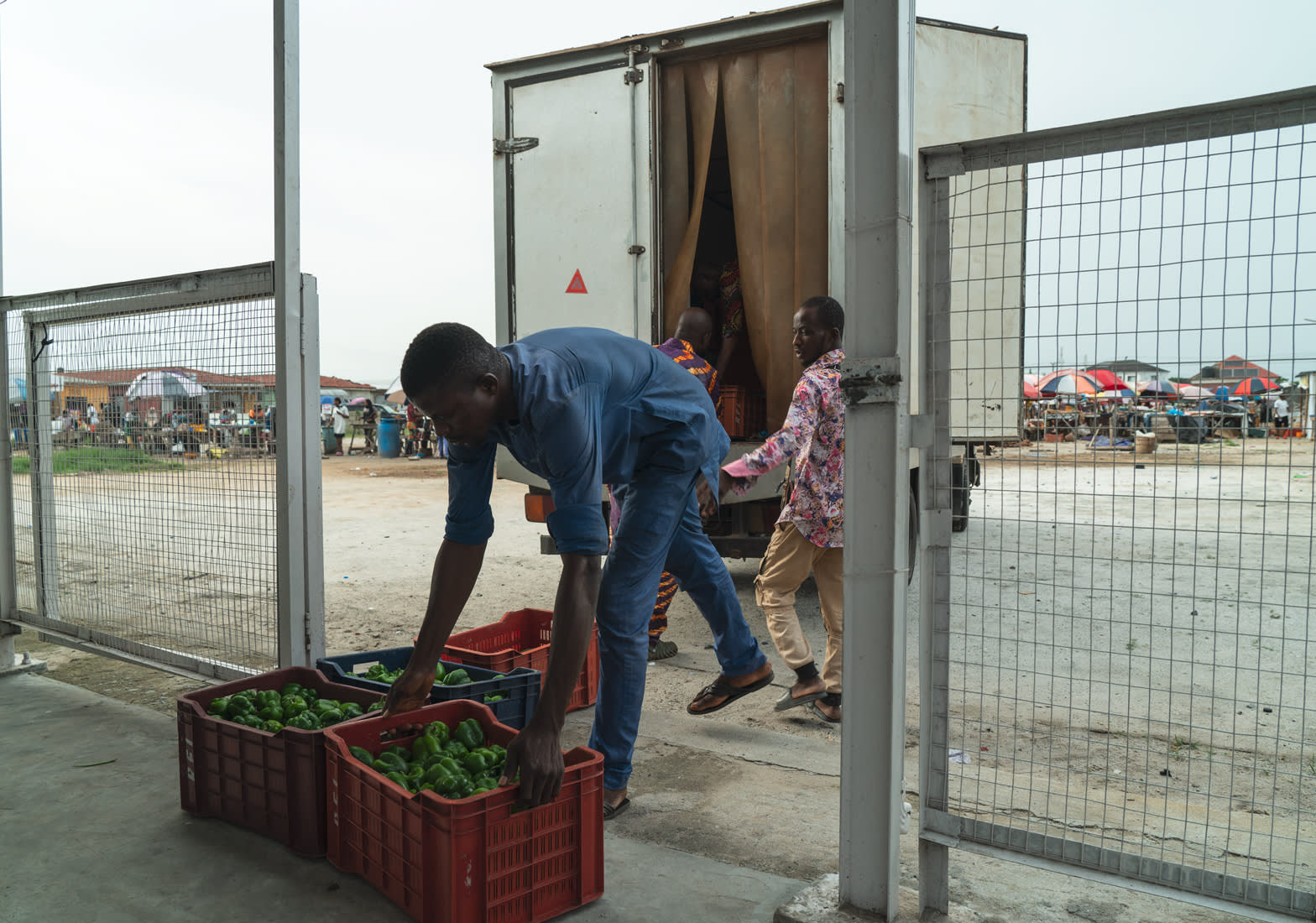
As well as increased food security, the scheme ensures an increase in income for all those along the food supply chain, from farmers to retailers, wholesalers to vendors.
A drive to revolutionize
Ikegwuonu is quick to acknowledge the benefits bestowed on him by the 2010 Rolex Award for Enterprise. “I really relish the Award. It was my first stamp of credibility.” He is also grateful to be part of a network of Rolex Awards Laureates who support one another: “The Rolex network allows you to compare notes with people who understand what you are trying to solve. Having that close-knit group is encouragement to keep on pushing against all manner of challenges that you will encounter.”
Meanwhile, for Rolex, the project is a continuation of related initiatives aimed at strengthening food systems and eliminating wastage. In 2000, fellow-Nigerian, the late Mohammed Bah Abba, won a Rolex Award for Enterprise for his pot-in-pot cooling system to help preserve perishable food. As such, Ikegwuonu’s high-tech solution is an evolution of Abba’s ingenious idea.

Every day I look at things and ask, ‘Can it be done differently?’ Every day I see a social challenge and think, ‘How can we solve that problem?’ That drive to innovate, to create, to solve social problems, I would say that is what is perpetual in me.
Such has been the success of Ikegwuonu’s scheme that he hopes the effects might be felt far beyond the borders of his native land. His dream is to eliminate food wastage on 470 million smallholder farms across the planet, increasing income for farmers and retailers, and ensuring a secure supply of fresh food for undernourished populations.
For now, though, he is intent on improving the cold-chain industry in Nigeria. He is overseeing the construction of new ColdHubs and introducing refrigerated logistics trucks to transport food from farm to market. His thirst for innovation remains unquenched.
“Every day I look at things and ask, ‘Can it be done differently?’ Every day I see a social challenge and think, ‘How can we solve that problem?’ That drive to innovate, to create, to solve social problems, I would say that is what is perpetual in me.”